September 22, 2026 · 4 min read
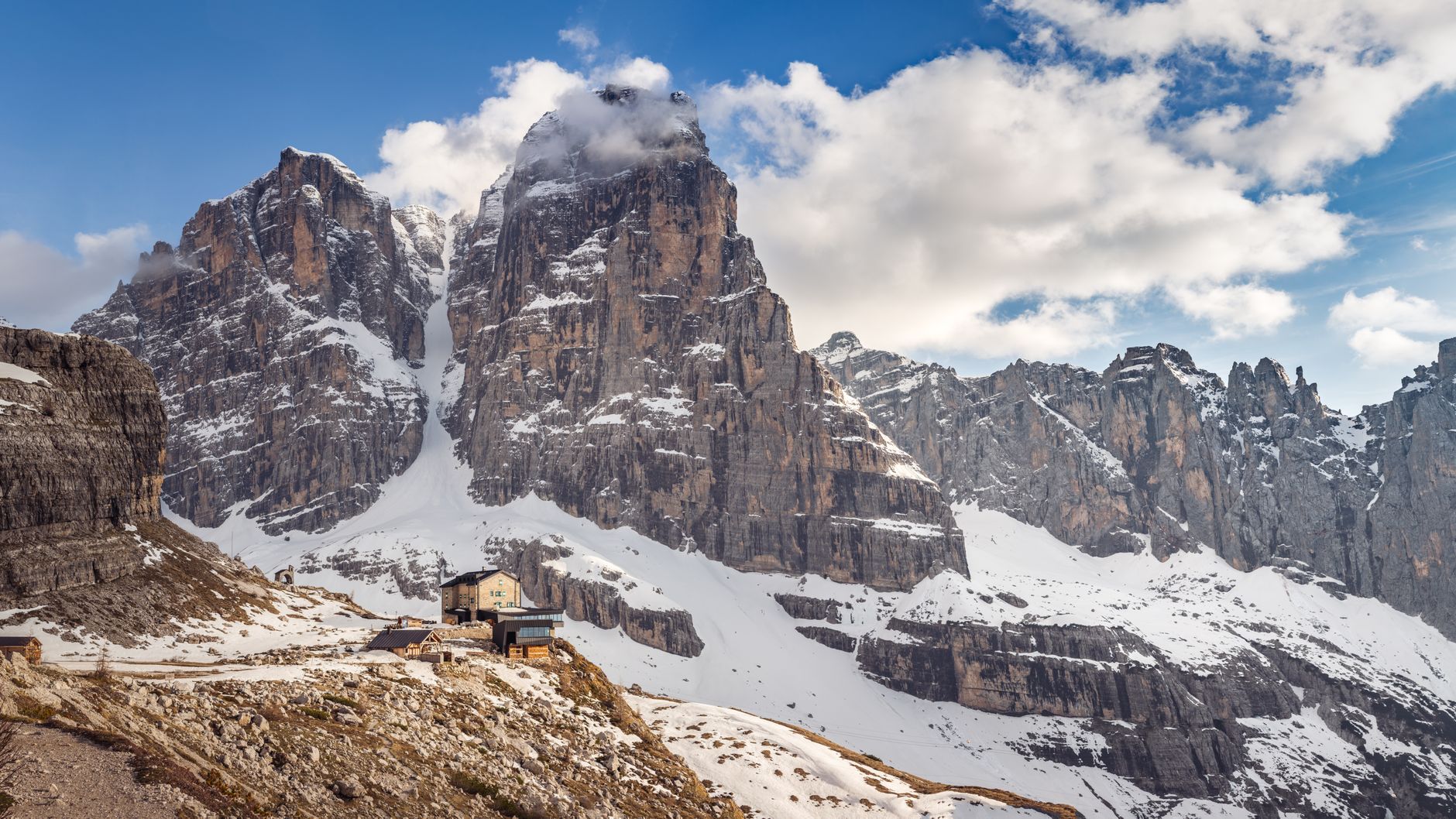
The Dolomites, a UNESCO World Heritage site, are celebrated for their dramatic peaks, verdant valleys, and a network of welcoming mountain huts, known as rifugi. These huts offer hikers and climbers a place to rest, refuel, and experience the mountains up close. While some are well-trodden, countless others hold unique stories waiting to be discovered.
For those seeking a deeper connection with the landscape, beyond the usual tourist trail, the Dolomites reveal hidden gems. These lesser-known huts are steeped in surprising history, ancient geology, and vibrant local culture. They offer a chance to experience the mountains with a fresh perspective, far from the crowds, each with its own compelling tale.
1. Sleeping in a WWI Tunnel
Cortina d'Ampezzo, Italy
Sleep inside a mountain where soldiers fought during WWI, overlooking battlefields etched into the rock.
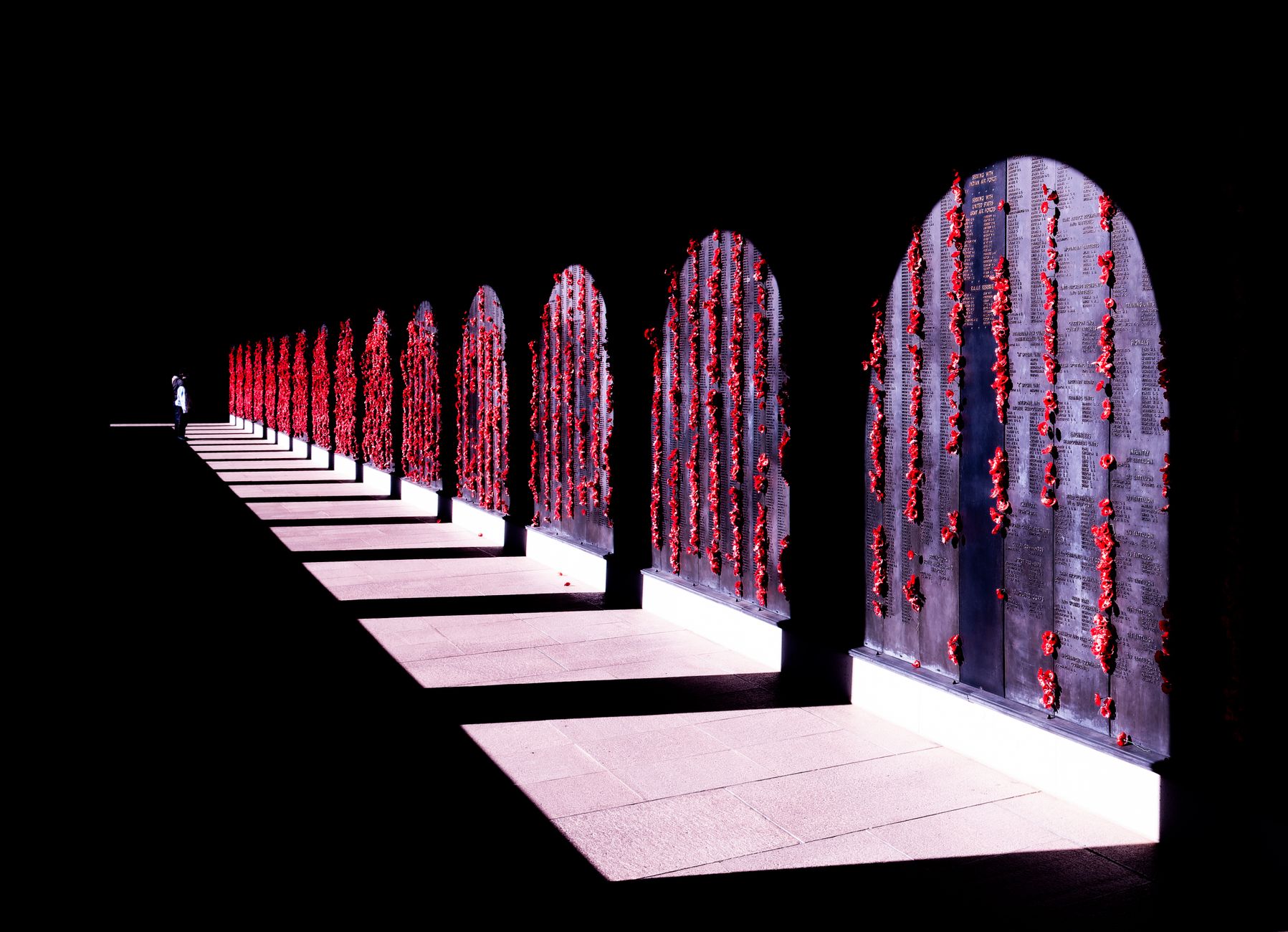
High above the Falzarego Pass, Rifugio Lagazuoi is more than just a place to rest; it's a living monument to the 'White War.' During World War I, Italian and Austro-Hungarian forces carved extensive tunnels and bunkers directly into the mountainside. The hut itself is partially integrated into this historic network. Guests can explore the restored tunnels, walking through the very passages soldiers once occupied, offering a chillingly immersive experience of high-altitude trench warfare.
2. King Laurin's Petrified Rose Garden
Catinaccio Group, Italy
Imagine a hut surrounded by colossal rock towers that local legends claim are the petrified remains of a mythical queen's rose garden.
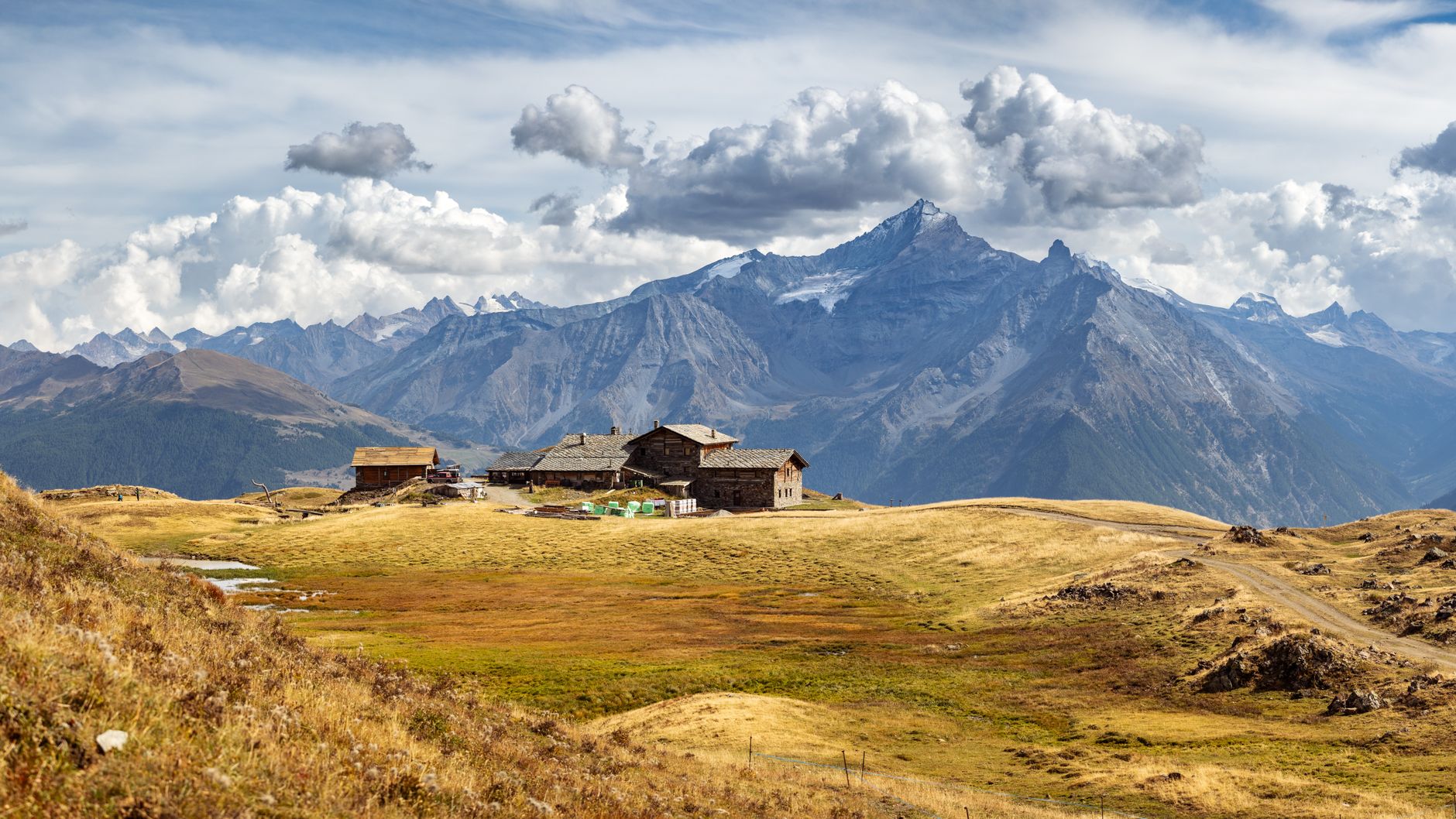
Tucked beneath the dramatic Vajolet Towers in the Catinaccio group, Rifugio Vajolet immerses visitors in a geological fairytale. Ancient Ladin legends speak of King Laurin, whose rose garden was cursed and turned to stone. The peaks here, especially at sunset, glow with a fiery red "Enrosadira" – a phenomenon that seems to confirm the legend of the petrified roses. Staying here feels like stepping into a land where myth and geology converge under stunning natural light.
3. An Ancient Ocean Floor
Puez-Odle Natural Park, Italy
This hut sits atop an ancient seabed, where hikers can easily find marine fossils embedded in the surrounding rock, millions of years old.
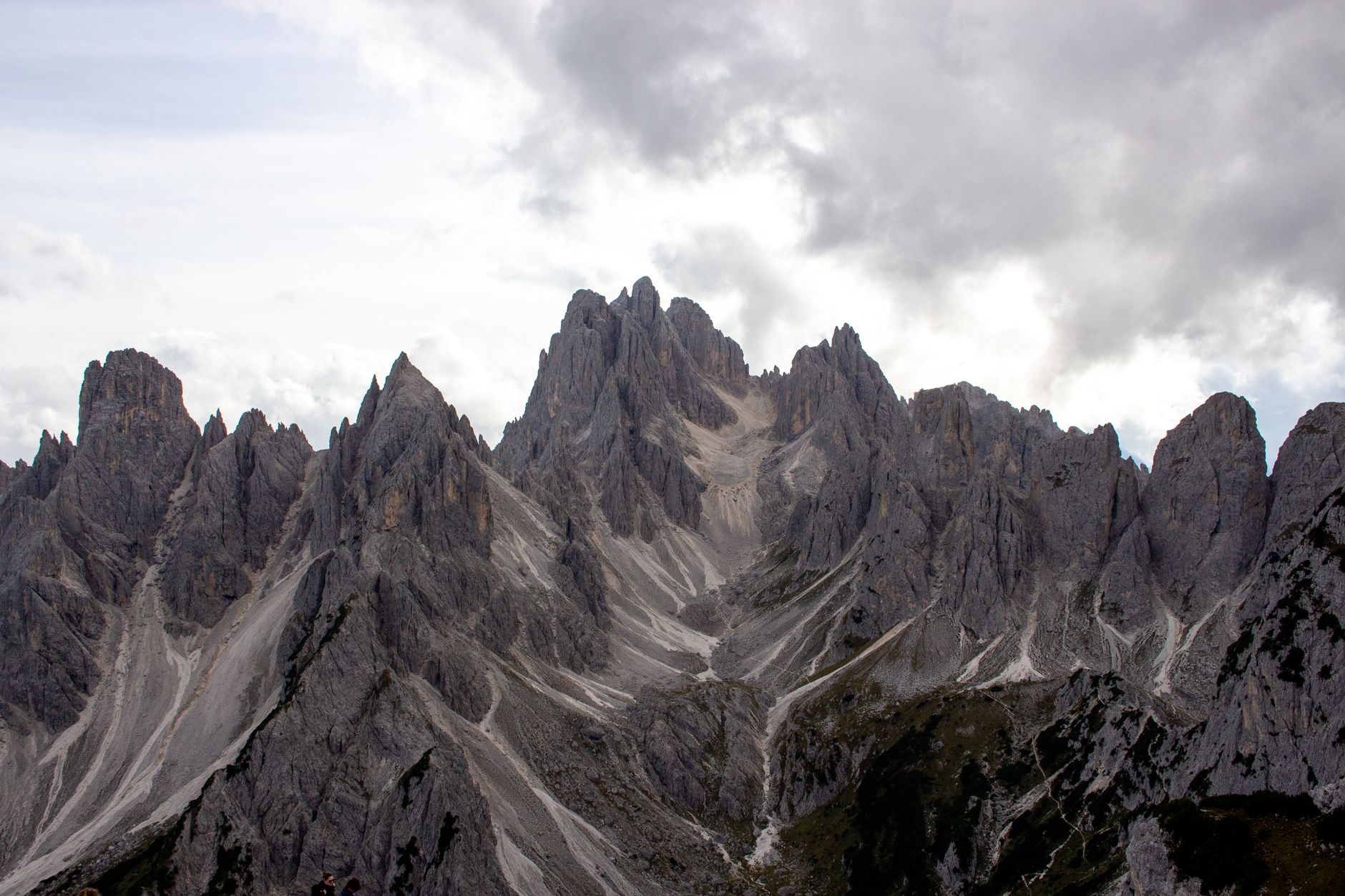
High in the Puez-Odle Natural Park, Rifugio Puez offers a direct connection to deep time. The Dolomites themselves are ancient coral reefs, uplifted and eroded over millions of years. Around the hut, it's common to spot marine fossils – ammonites, bivalves, and corals – testifying to the region's prehistoric past as a tropical sea. A hike here is a geological exploration, reminding visitors that these towering peaks were once submerged underwater.
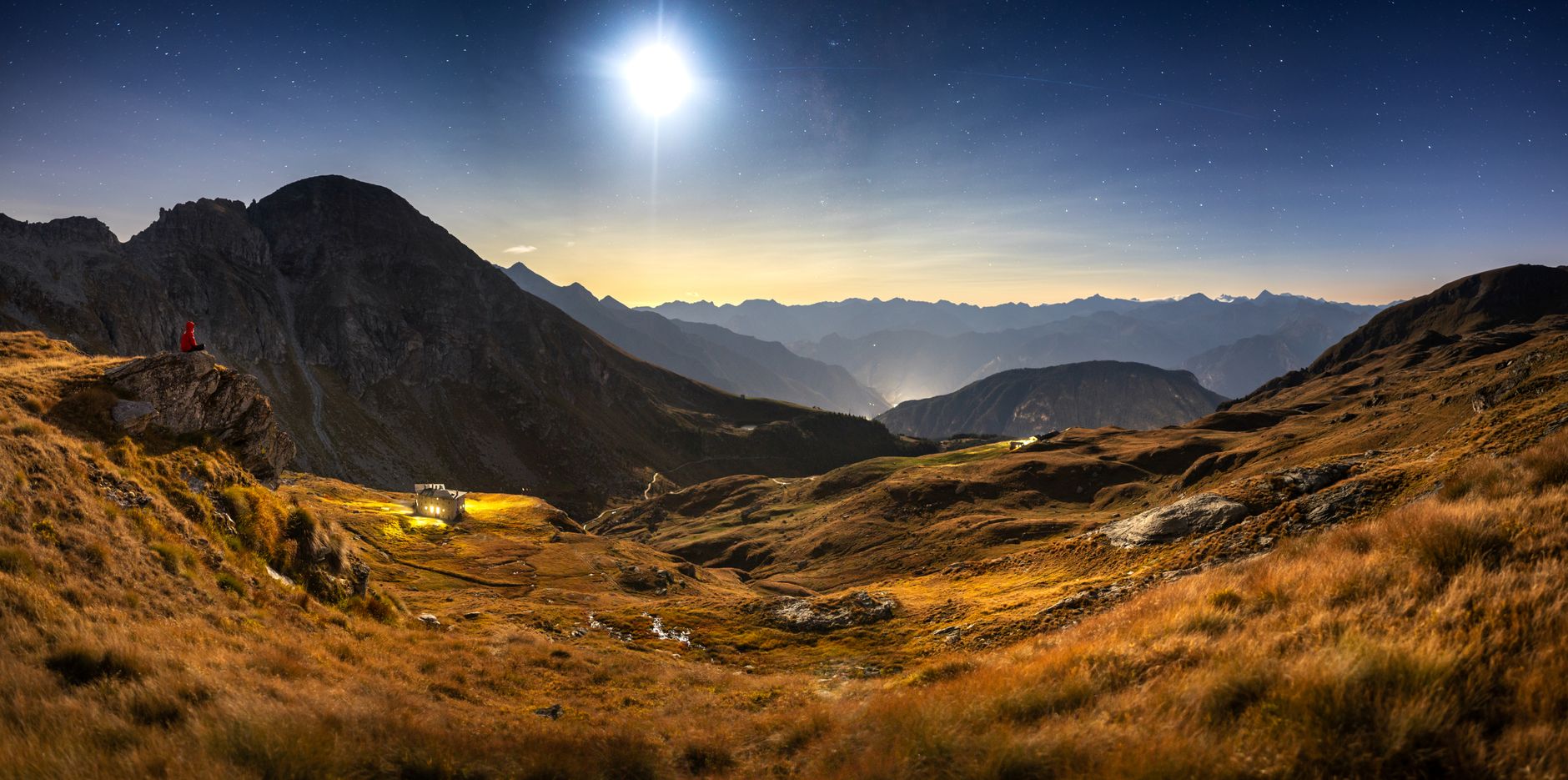
4. Heart of Ladin Tradition
Fanes-Sennes-Braies Natural Park, Italy
Discover a hut where the ancient Ladin culture thrives, preserving distinct traditions, language, and cuisine in the shadow of towering peaks.
Deep within the Fanes-Sennes-Braies Natural Park, Rifugio Fodara Vedla offers more than just shelter; it's a window into the enduring spirit of the Ladin people. This ethnic group, with its unique language and customs, has called these valleys home for centuries. The hut provides rustic hospitality and traditional Ladin cuisine, offering a genuine, unhurried experience of mountain life where local heritage is cherished amidst vast alpine meadows and dramatic rock formations.
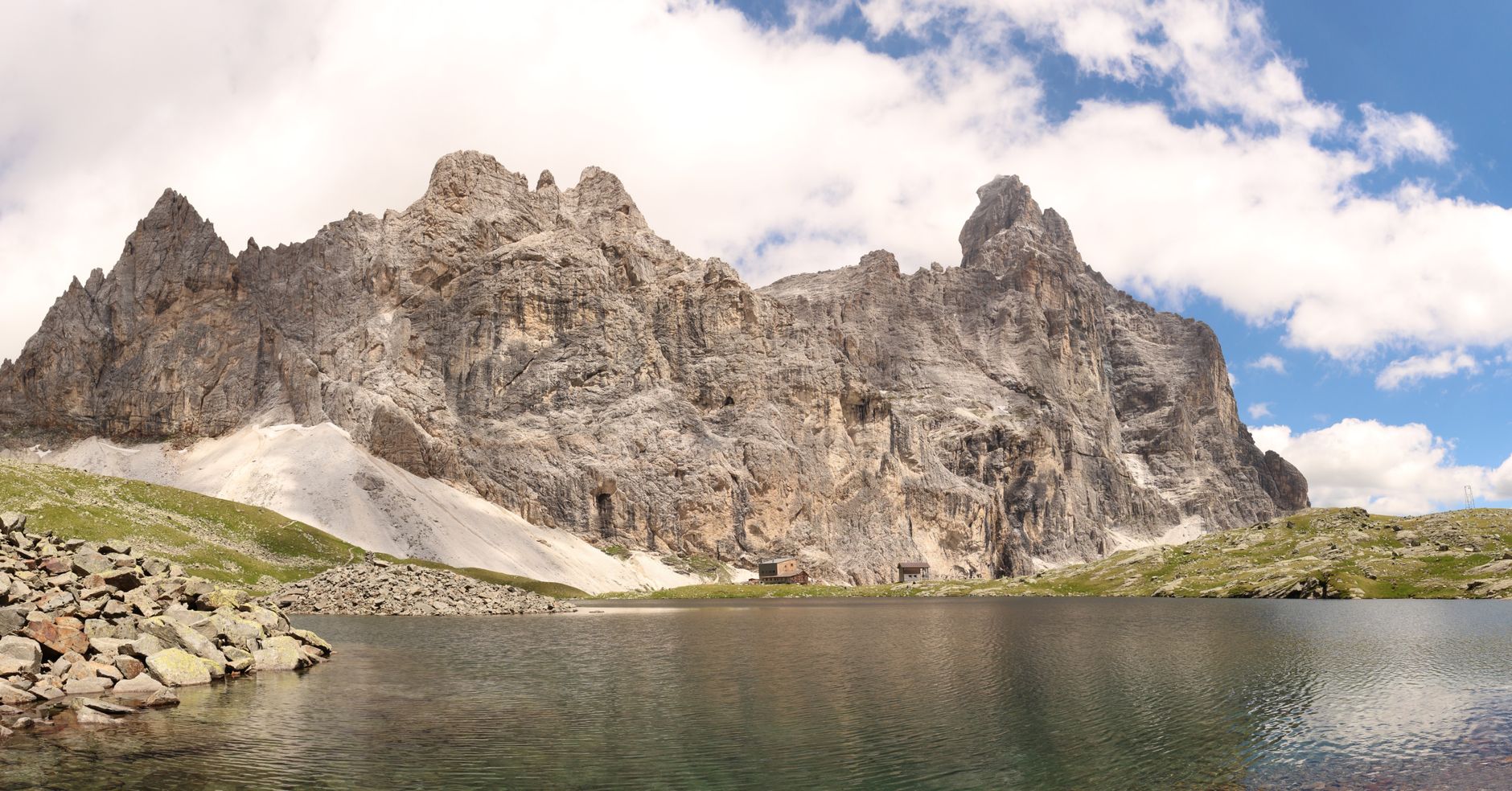
5. Home of Dinosaur Footprints
Monte Pelmo, Italy
Sleep near the majestic "Throne of God" mountain, where ancient dinosaur footprints are preserved in the rock, visible to hikers.
Rifugio Città di Fiume lies at the foot of Monte Pelmo, a majestic peak often called the "Throne of God" for its distinctive, chair-like shape. What truly sets this area apart are the fossilized dinosaur footprints discovered on its slopes. These ancient tracks, belonging to three-toed dinosaurs from the Triassic period, offer a tangible link to a world millions of years before humans. A stay here is a journey through deep time, walking where giants once roamed.
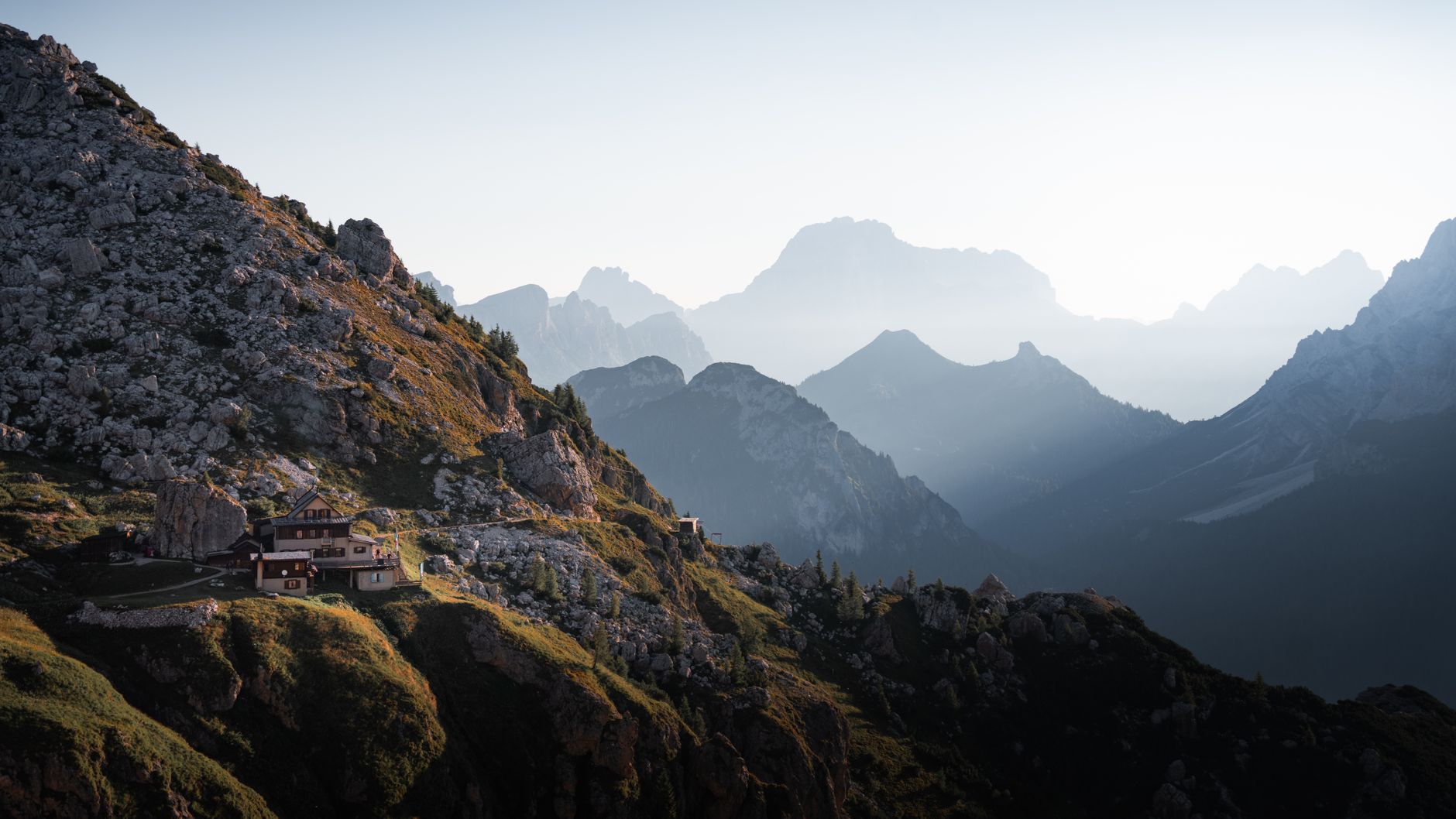
6. Pioneering Alpinism's Legacy
Nuvolau Peak, Italy
Stay in one of the Dolomites' oldest huts, established in 1883, perched precariously on a summit with true 360-degree panoramic views.
Perched atop the Nuvolau peak at nearly 2,600 meters, Rifugio Nuvolau holds the distinction of being one of the oldest mountain huts in the Dolomites, built in 1883. Its exposed position grants truly panoramic, 360-degree views, making sunrise and sunset experiences unforgettable as light sweeps across hundreds of peaks. The hut's history is deeply intertwined with the early days of alpinism, offering a glimpse into the pioneering spirit of mountain exploration and endurance.

7. The Strudel Legend
Lagazuoi Area, Italy
Taste legendary apple strudel, made with a secret, generations-old recipe, as a reward after descending a challenging via ferrata or mountain trail.
Rifugio Scotoni, situated below the dramatic Fanis Group, is famed among hikers not just for its welcoming atmosphere but for its legendary apple strudel. The owners take pride in a traditional recipe, offering a sweet, comforting reward after a strenuous hike or a thrilling descent of the nearby Lagazuoi Tunnels via ferrata. It's a taste of authentic South Tyrolean hospitality, proving that even at altitude, cherished culinary traditions and a warm welcome can define a mountain experience.
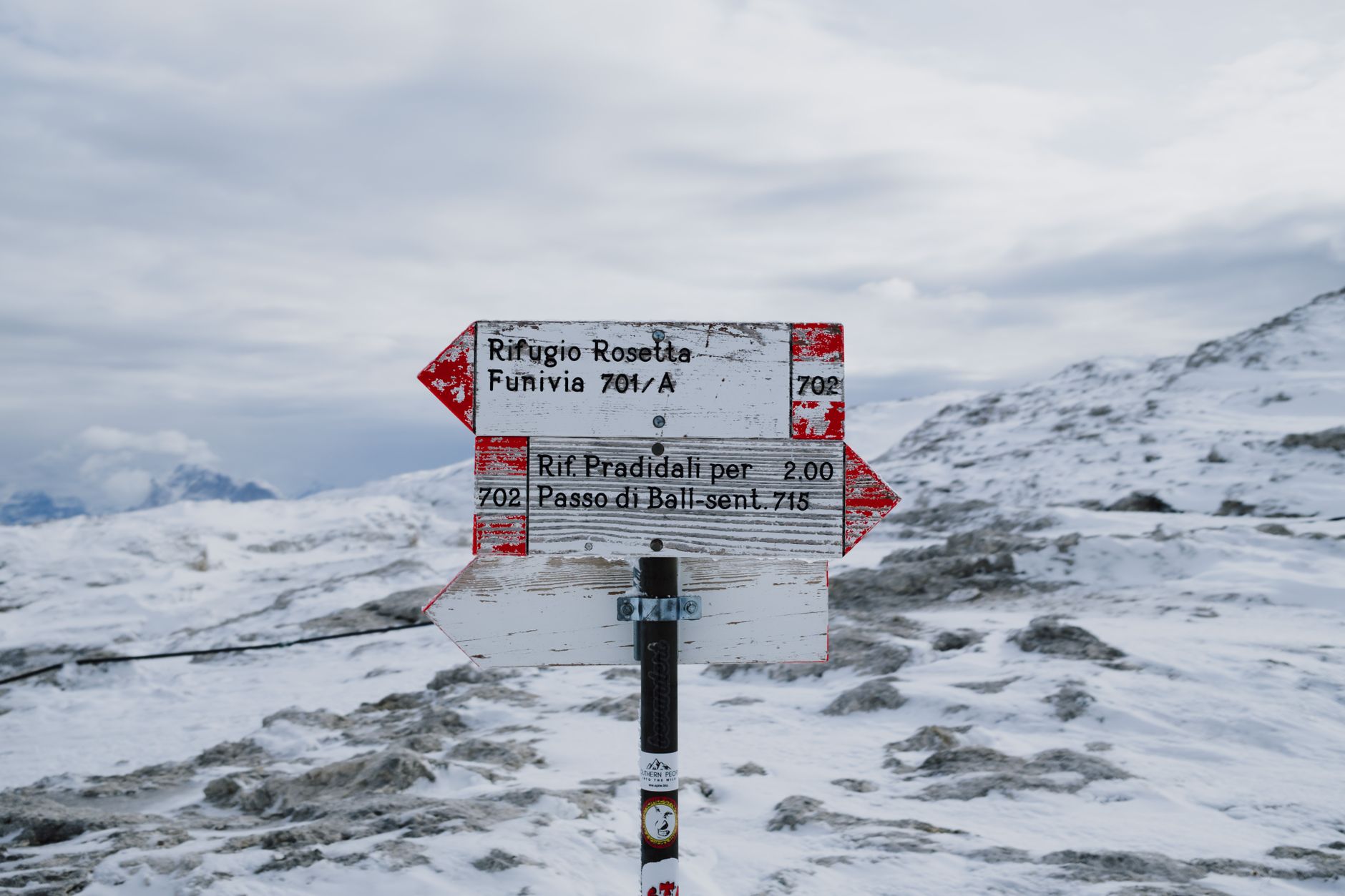
8. A Geological Crossroads
Puez-Odle Natural Park, Italy
This hut sits at a unique geological crossroads where two distinct mountain ranges meet, showcasing millions of years of tectonic forces.
Rifugio Genova, also known as Schlüterhütte, is strategically positioned at the base of the distinctive Sass de Putia, a solitary peak that acts as a geological boundary. Here, the crystalline rock of the Zillertal Alps converges with the sedimentary dolomite of the Puez-Odle range. This confluence creates a landscape of stark contrasts, making the hut a unique vantage point to observe the powerful forces that shaped these mountains over millions of years. It’s a place where geology becomes visibly dramatic.
Frequently asked questions
What is a "rifugio" in the Dolomites?
A rifugio, or mountain hut, provides basic accommodation, meals, and shelter for hikers and climbers in the Dolomites. They range from rustic, unstaffed bivouac shelters to comfortable, staffed lodges offering private rooms and hot showers.
Do I need to book mountain huts in the Dolomites in advance?
Yes, especially during peak season (July and August) and on weekends, booking is highly recommended. Many popular huts fill up months in advance. Contact the hut directly by phone or email, as online booking systems are not universally available.
What should I pack for a multi-day hut-to-hut hike in the Dolomites?
Pack light but include essentials like layers of clothing (weather changes quickly), waterproofs, sturdy hiking boots, a first-aid kit, a headlamp, and a sleeping bag liner (mandatory in many huts). Also bring cash for purchases, as not all huts accept cards.
How can AllTours.ai enhance my Dolomites hut experience?
AllTours.ai brings the stories of the Dolomites to life right on your phone. Point your camera at a peak, a rock formation, or a distant hut, and the app narrates its history, geology, and local legends in your language, revealing hidden details and context as you explore.
Related guides
Photography via Pexels. AllTours.ai is an AI audio tour guide — point your camera at any landscape and hear its story.