September 8, 2026 · 4 min read
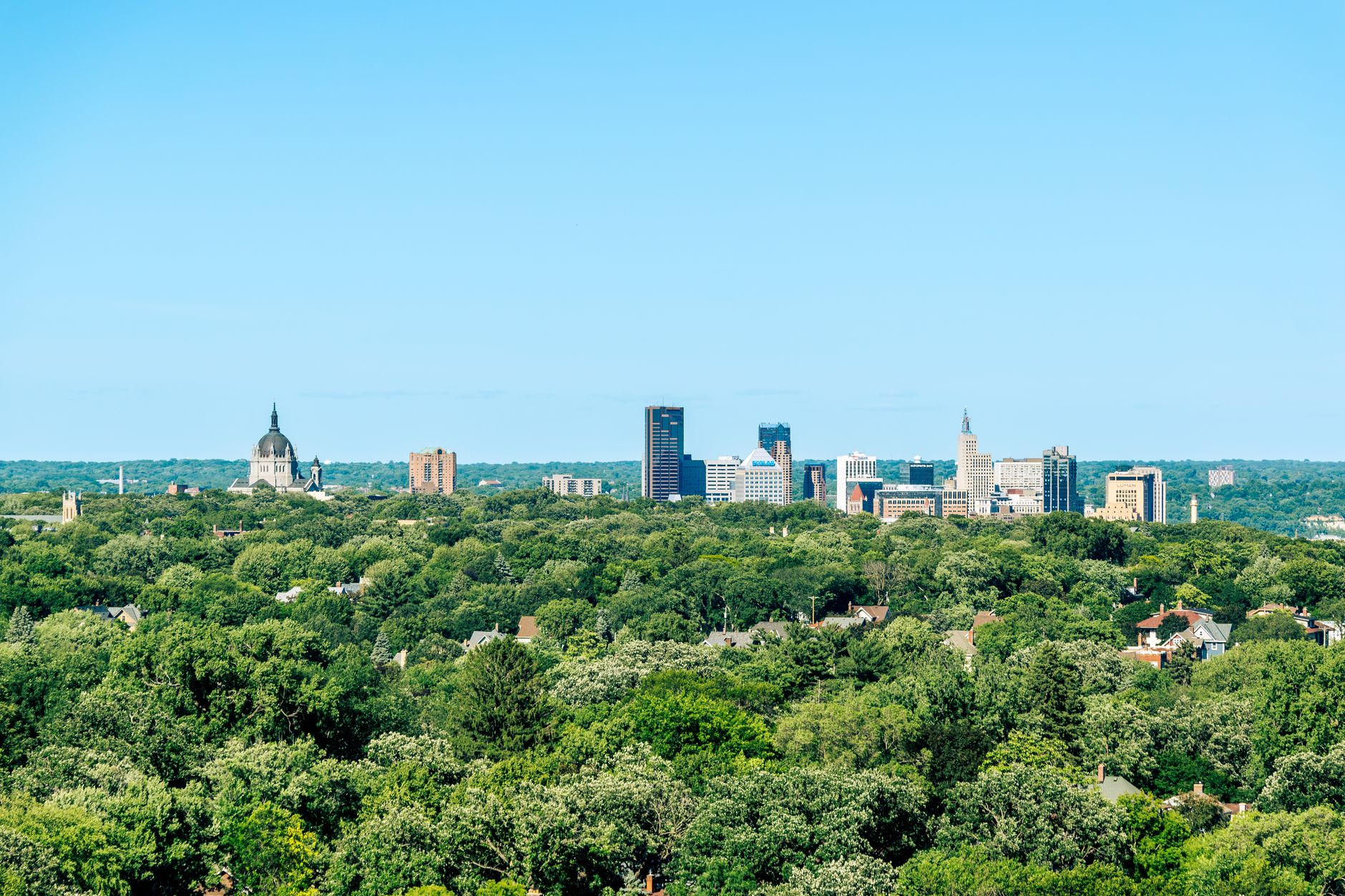
Minneapolis and St. Paul, the Twin Cities, are famous for their lakes, vibrant arts scenes, and innovative spirit. But beyond the well-trodden paths of downtown attractions and major parks, a different kind of community thrives in lesser-known pockets. These are the places where locals truly connect, where history whispers from repurposed buildings, and where culture is built from the ground up.
If you're looking to experience the authentic pulse of these dynamic cities, seeking gathering spots that offer more than just a selfie opportunity, you're in for a treat. We’ve curated a list of Twin Cities gems, each with a unique story and a genuine invitation to gather, learn, and belong.
1. The Caves of Outlaws and Artists
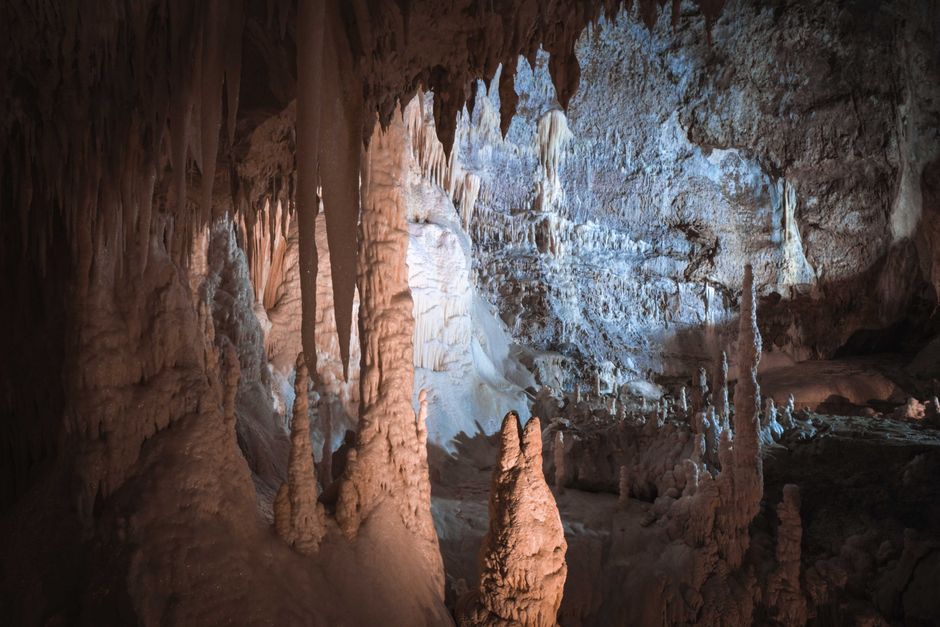
Wabasha Street Caves, St. Paul, Minnesota, USA
Beneath the bustling streets of St. Paul lies a network of sandstone caves that once served as a mushroom farm, a speakeasy for gangsters, and a grand ballroom.
The Wabasha Street Caves offer a tangible link to St. Paul's notorious past. Formed by natural erosion and later expanded for various uses, these caves hosted everything from mushroom cultivation to lavish dinners and even rumored hideouts for figures like John Dillinger. Today, they are a unique venue for swing dancing, ghost tours, and community events, inviting visitors to gather in a space steeped in decades of hidden history.
2. Brewery Transformed: A Creative Village
Schmidt Artist Lofts, St. Paul, Minnesota, USA
Once the home of Schmidt Brewery, a landmark employer for generations, this massive complex is now a vibrant community where artists live, work, and connect.
The Schmidt Artist Lofts breathe new life into an industrial giant. What was once the largest independent brewery in the Midwest, complete with lagering caves carved into the bluff, now houses over 200 artists and their families. This unique adaptive reuse project has fostered a creative village, hosting public art events, studio tours, and community gatherings that honor its working-class heritage while forging a new artistic legacy.
3. The Seed Factory's Artistic Bloom
Northrup King Building, Minneapolis, Minnesota, USA
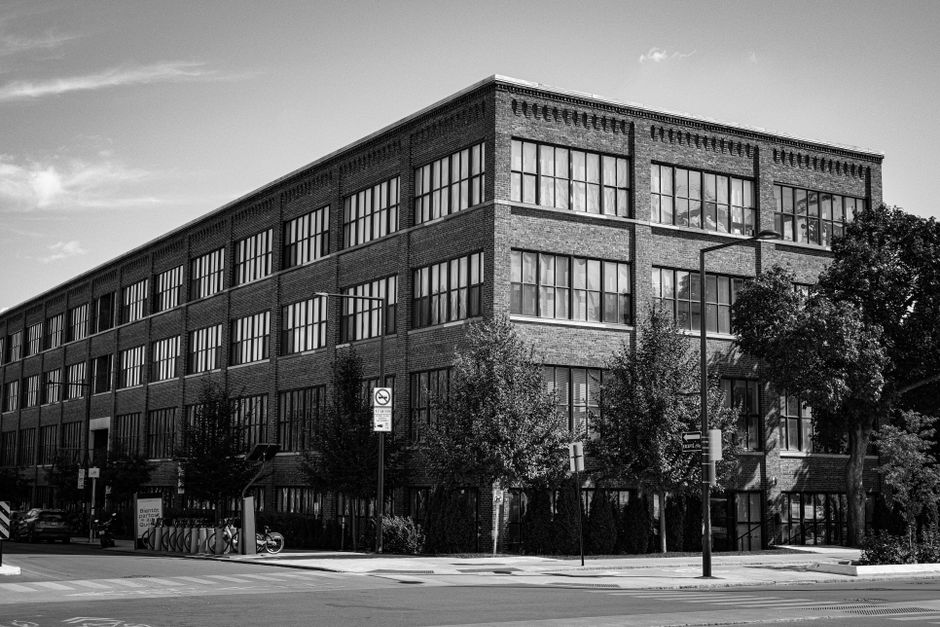
This colossal structure, once the largest seed company in the world, now houses the largest concentration of working artists and studios in Minnesota.
The Northrup King Building in Northeast Minneapolis's Arts District has undergone a remarkable transformation. From its origins as a hub for agricultural innovation, processing and distributing seeds across the nation, it now nurtures creative growth. The building's vast industrial spaces have been repurposed into hundreds of artist studios, galleries, and small businesses, creating a dynamic community that opens its doors for art crawls, markets, and workshops, making art accessible to all.

4. A Literary Heart in the City
Open Book, Minneapolis, Minnesota, USA
This unique building is the largest literary and book arts center in the nation, bringing together three distinct organizations under one roof to foster a love of words and craft.
Open Book serves as a vibrant nexus for the Twin Cities' literary community. Housing the Loft Literary Center, Minnesota Center for Book Arts, and Milkweed Editions, it offers everything from writing workshops and readings to bookbinding classes and public exhibitions. Its thoughtfully designed spaces encourage collaboration and quiet contemplation, making it an ideal gathering place for writers, readers, and anyone who cherishes the art of the book.
5. Playful Art in a Canning Factory
Can Can Wonderland, St. Paul, Minnesota, USA
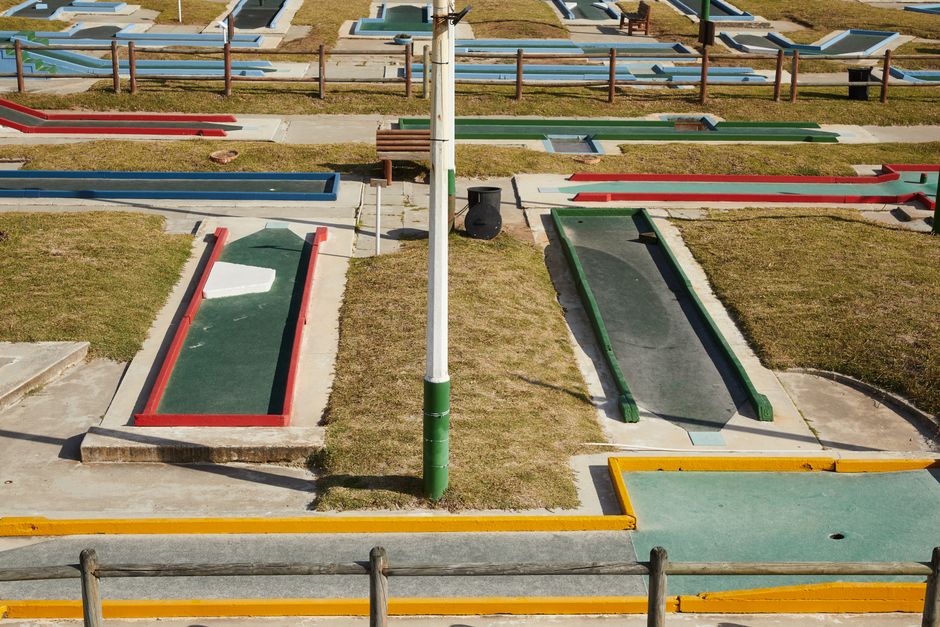
Built within a former canning factory, this imaginative space combines an artist-designed mini-golf course with a vintage arcade, performance stages, and local food.
Can Can Wonderland offers a wonderfully quirky and communal experience. What was once a industrial hub for canning goods is now a massive indoor playground for adults and kids alike, featuring mini-golf holes each designed by a different local artist. Its commitment to showcasing local talent, from artists to musicians and chefs, makes it a lively, unconventional gathering spot where creativity and community fun intersect in unexpected ways.
6. Sacred Falls and Quiet Reflection
Hidden Falls Regional Park, St. Paul, Minnesota, USA
This serene park along the Mississippi River, often overlooked for more prominent green spaces, holds deep spiritual significance for the Dakota people and offers a tranquil escape.
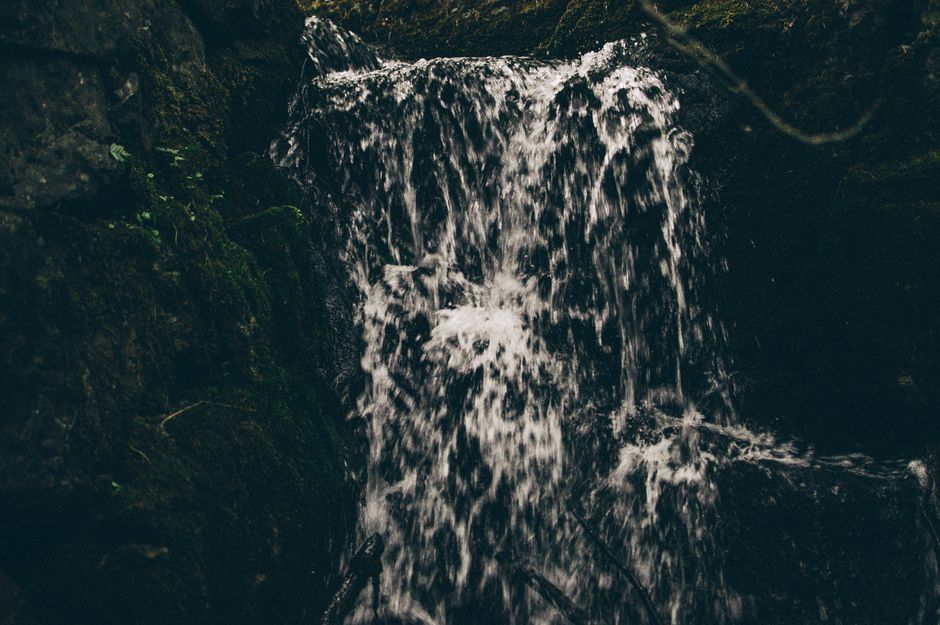
Hidden Falls Regional Park lives up to its name, offering a peaceful retreat where the sounds of the city fade. Its namesake waterfalls, fed by natural springs, cascade into the Mississippi, creating a sacred site for the Dakota. The park's quiet trails, picnic areas, and river access provide a gentle space for community members to gather, connect with nature, and reflect, far from the madding crowd, yet still within city limits.
7. Powderhorn's Enduring Spirit
Powderhorn Park, Minneapolis, Minnesota, USA
More than just a park, this South Minneapolis landmark has been a historic center for community activism and diverse cultural celebrations for generations.
Powderhorn Park is the heart of its namesake neighborhood, known for its vibrant diversity and strong sense of community. The park's iconic lake, surrounded by mature trees and open spaces, has long been a gathering point for everything from neighborhood festivals to political rallies. It embodies the enduring spirit of Minneapolis, where residents come together to celebrate their cultures, advocate for change, and simply enjoy shared green space.
8. A Garden of Peace and Resilience
Como Park Japanese Garden, St. Paul, Minnesota, USA
This meticulously crafted garden, designed by a master Japanese landscape architect, was a gift from St. Paul's sister city, Nagasaki, symbolizing peace and healing.
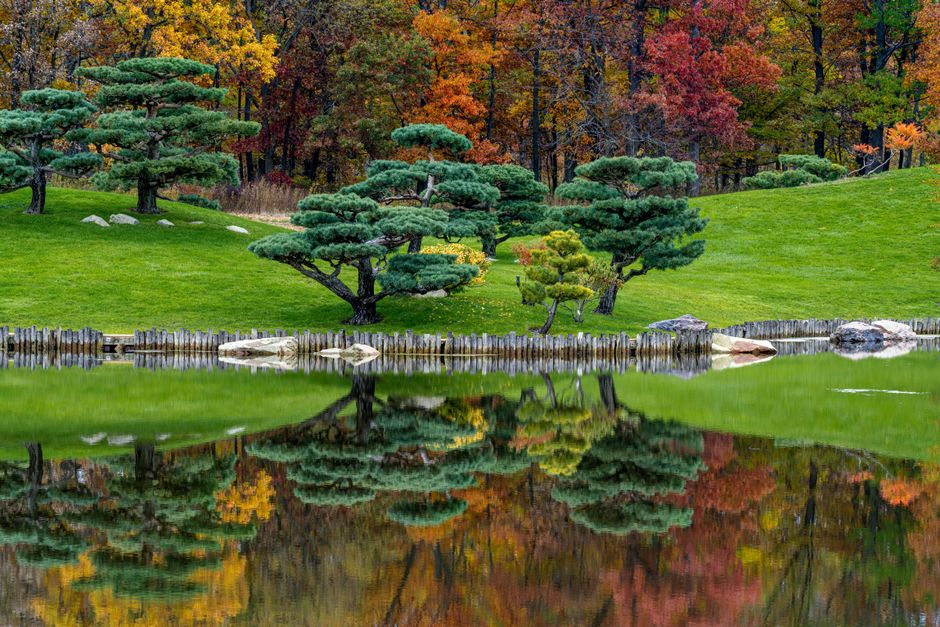
The Como Park Japanese Garden, officially named the 'Exotic Forest Garden,' is a profound symbol of international friendship and resilience. Gifted by Nagasaki, Japan, after World War II, it was designed to evoke a sense of tranquility and contemplation. Its carefully placed rocks, water features, and plants create a meditative space where visitors can gather to find peace, reflecting on the historical ties and shared hopes for a harmonious future between cultures.
9. Longfellow's Lakeside Haven
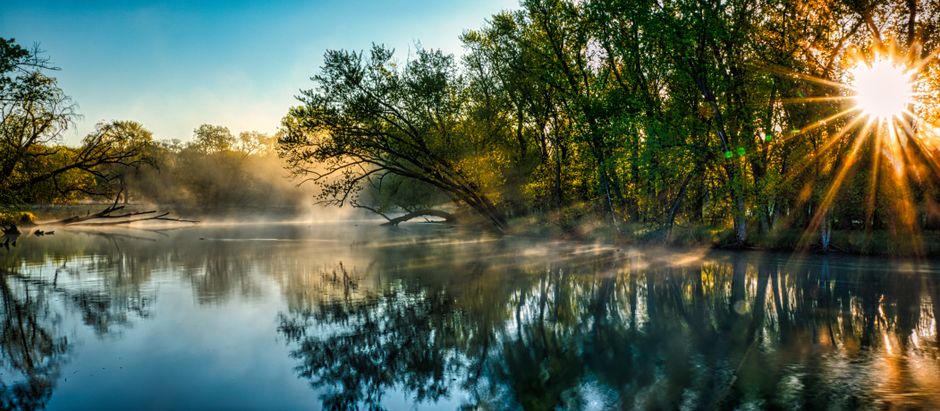
Lake Hiawatha Park, Minneapolis, Minnesota, USA
Named for Henry Wadsworth Longfellow's epic poem, this quieter Minneapolis lake offers a historical echo and a beloved local spot for community gatherings.
Lake Hiawatha Park, though smaller and often less crowded than its Chain of Lakes neighbors, holds a special place in the hearts of its surrounding community. Its name pays homage to the area's strong connection to indigenous history and the romanticized vision of Longfellow's 'Song of Hiawatha.' The park's beach, recreation center, and walking paths provide a cherished setting for picnics, summer events, and everyday communal enjoyment, fostering a deep sense of local belonging.
Frequently asked questions
What makes Minneapolis and St. Paul good for community gatherings?
The Twin Cities boast a rich tapestry of diverse neighborhoods, expansive park systems, and a strong emphasis on public arts and cultural institutions. This creates numerous accessible and unique spaces, from natural reserves to repurposed industrial sites, where people can connect and share experiences.
Are these places accessible via public transport?
Many of the listed locations are accessible through Metro Transit's extensive network of buses and light rail. While some might require a short walk from the nearest stop, planning your route via the Metro Transit website or app can easily guide you to these community hubs.
What kind of events can I expect at these community spots?
You'll find a wide variety of events, depending on the venue and season. This can include art exhibitions, farmers' markets, live music performances, historical tours, dance nights, community festivals, and educational workshops, all designed to bring people together.
How can AllTours.ai enhance my visit to these community spots?
AllTours.ai transforms your exploration into an immersive learning experience. Simply point your phone camera at any landmark, building, or even a natural feature in these gathering places, and the app will instantly narrate its history, geology, and cultural significance in your preferred language, revealing stories you might otherwise miss.
Related guides
Photography via Pexels. AllTours.ai is an AI audio tour guide — point your camera at any landscape and hear its story.