September 3, 2026 · 4 min read
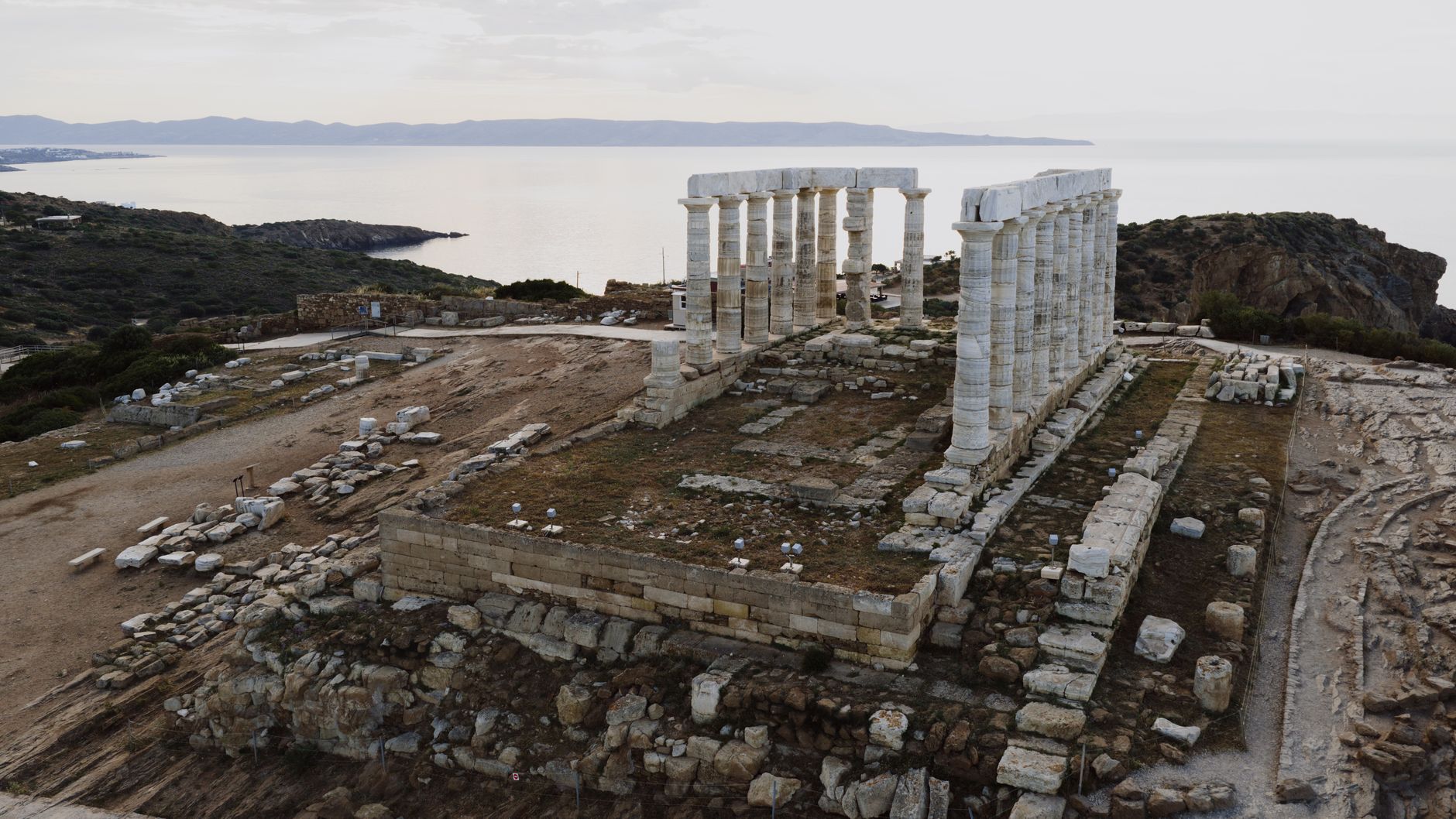
The allure of a spontaneous getaway is undeniable, especially when it comes with the ease of an all-inclusive package. But what if you could combine that convenience with the thrill of discovering somewhere truly off the beaten path? Forget the usual resort towns; the world is full of incredible, underrated destinations just waiting to be explored, often available at surprising prices when booked last-minute.
Finding what are the best tips to find last-minute all-inclusive vacation deals requires flexibility and a sense of adventure. We've curated a list of places where ancient history, unique geology, and vibrant cultures converge, offering rich experiences far from the typical tourist crowds. These are the spots with stories that will genuinely surprise you, proving that the best discoveries are often the ones least expected.
1. The Dawn of Temples
Şanlıurfa, Turkey
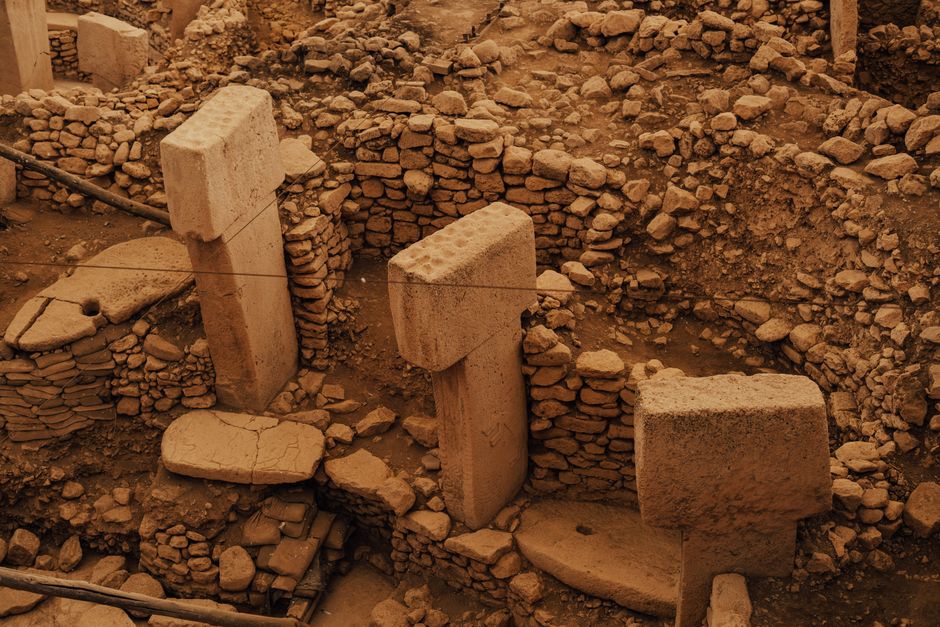
Predating Stonehenge and the Egyptian pyramids by thousands of years, Göbeklitepe is the world's oldest known temple.
Discovered in southeastern Turkey, this monumental site features massive carved stone pillars arranged in circles, dating back around 11,000 to 12,000 years. Its existence challenges the conventional understanding of when and how complex societies and organized religion first emerged, suggesting that hunter-gatherers were capable of sophisticated architectural feats. The intricate animal reliefs on the T-shaped pillars remain a profound mystery, hinting at a rich symbolic world.
2. North America's Forgotten Metropolis
Collinsville, Illinois, USA
This wasn't just a settlement; it was a complex city, larger than London was in the 12th century, built by Mississippian people.
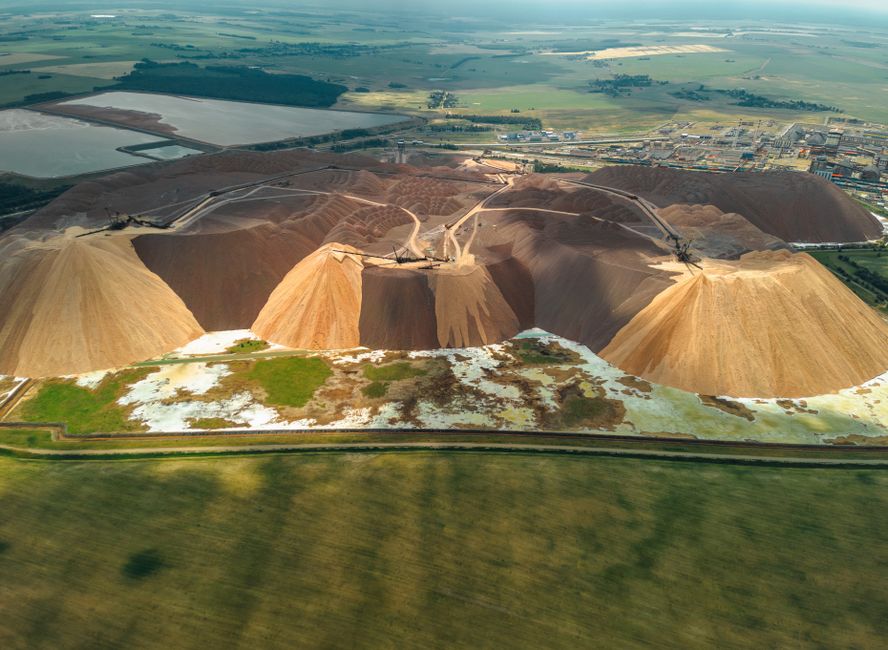
Just across the Mississippi River from modern-day St. Louis lies the remnants of Cahokia, a pre-Columbian city that flourished from around 1050 to 1200 CE. At its peak, it housed an estimated 10,000 to 20,000 people, featuring over 120 earthen mounds, including Monks Mound, the largest earthwork in North America. Its sophisticated urban planning, advanced agriculture, and intricate social structure remain a testament to a powerful indigenous civilization largely overlooked in popular history.
3. An Underground City of Salt
Wieliczka, Poland
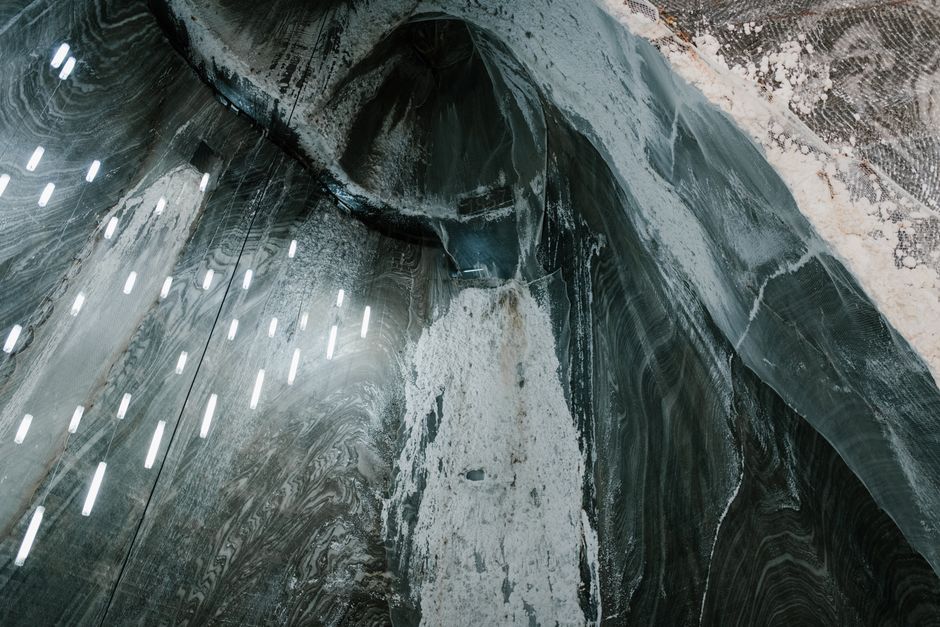
Deep beneath the Polish countryside lies an entire city carved from salt, complete with chapels, chandeliers, and intricate sculptures.
Operating continuously since the 13th century, the Wieliczka Salt Mine is a UNESCO World Heritage site that truly defies belief. Miners didn't just extract salt; they sculpted their environment, creating stunning underground chambers, lakes, and even a magnificent cathedral, St. Kinga's Chapel, where every element—from altarpieces to chandeliers—is made of rock salt. This subterranean marvel showcases centuries of human ingenuity and artistic devotion in an unexpected medium.
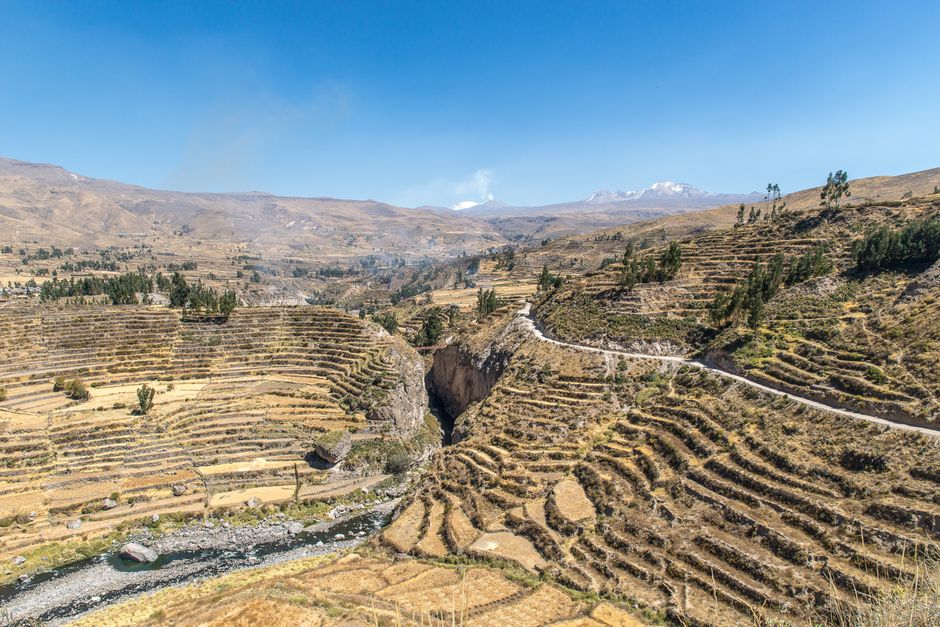
4. The Deepest Canyon's Ancient Terraces
Arequipa Region, Peru
One of the world's deepest canyons, Colca is also home to ancient agricultural terraces that predate the Inca.
Twice as deep as the Grand Canyon, Colca Canyon offers dramatic landscapes and the chance to see Andean condors soaring overhead. What truly sets it apart are the pre-Inca agricultural terraces, meticulously carved into the canyon walls by the Collagua and Cabana cultures thousands of years ago. These intricate systems are still in use today, demonstrating remarkable engineering and sustainable farming practices that have endured for millennia in a challenging environment.
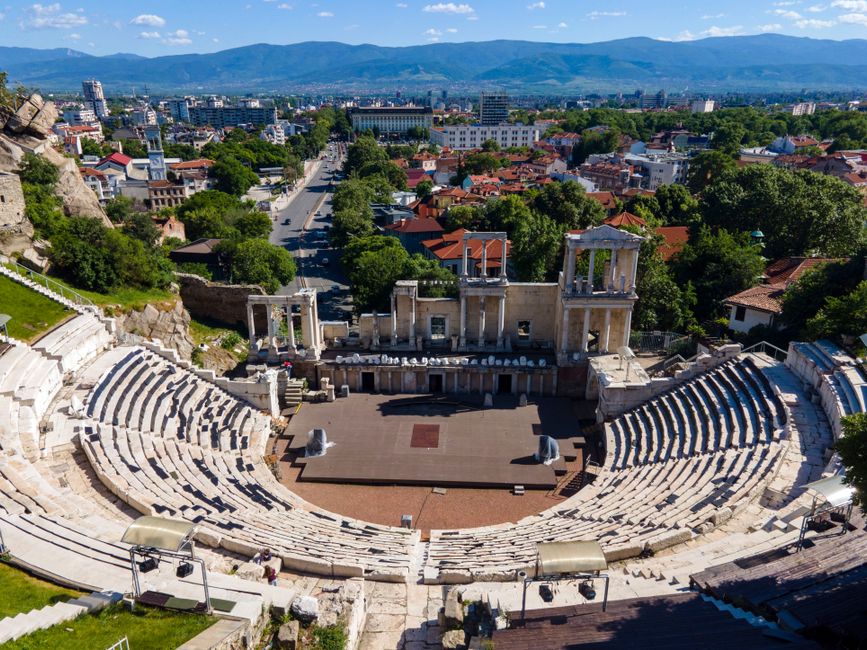
5. Europe's Continuously Inhabited Ancient Heart
Plovdiv, Bulgaria
Plovdiv is one of the oldest continuously inhabited cities in Europe, boasting a history spanning over 8,000 years.
Beneath the vibrant streets of modern Plovdiv lies a rich tapestry of history, with layers of Thracian, Roman, Byzantine, and Ottoman civilizations visible at every turn. Its most striking feature is the remarkably preserved Roman Amphitheatre, still used for concerts today, alongside ancient Roman forums and stadium ruins. This Bulgarian gem offers a walk through millennia, revealing a past that rivals many better-known European capitals, but with a unique Balkan charm and fewer crowds.
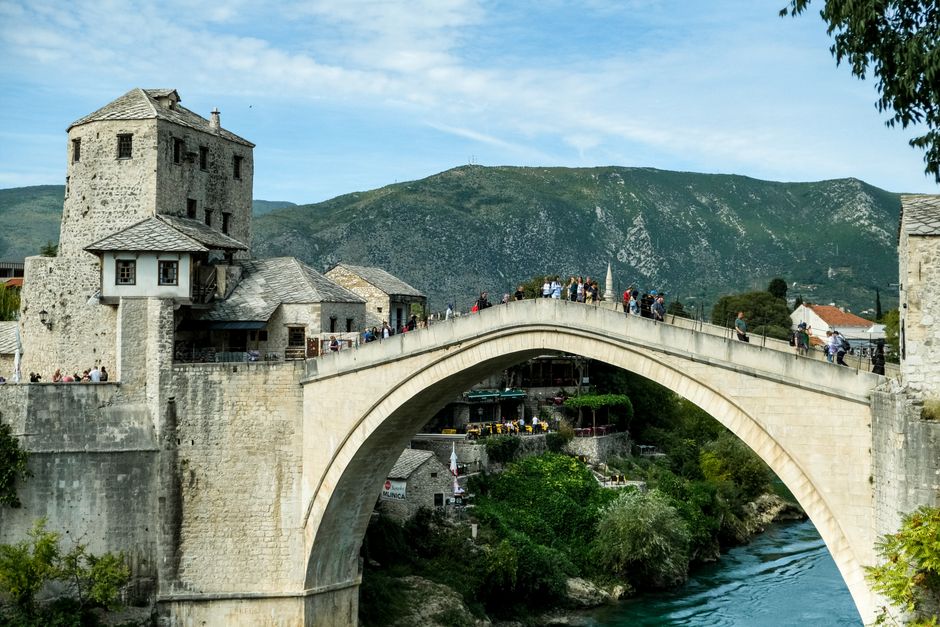
6. A Bridge Reborn, A City's Spirit
Mostar, Bosnia and Herzegovina
Mostar's iconic Stari Most bridge was rebuilt precisely to its 16th-century design after its destruction, symbolizing resilience and reconciliation.
The "Old Bridge" of Mostar is more than just a crossing; it's a UNESCO World Heritage site and a powerful symbol of cultural heritage. Built by the Ottomans in the 16th century, its elegant arch spanned the Neretva River for 427 years before being destroyed in 1993 during the Bosnian War. Its painstaking reconstruction using original techniques and local materials, completed in 2004, brought back not just a bridge, but a piece of the city's soul, bridging communities and history.
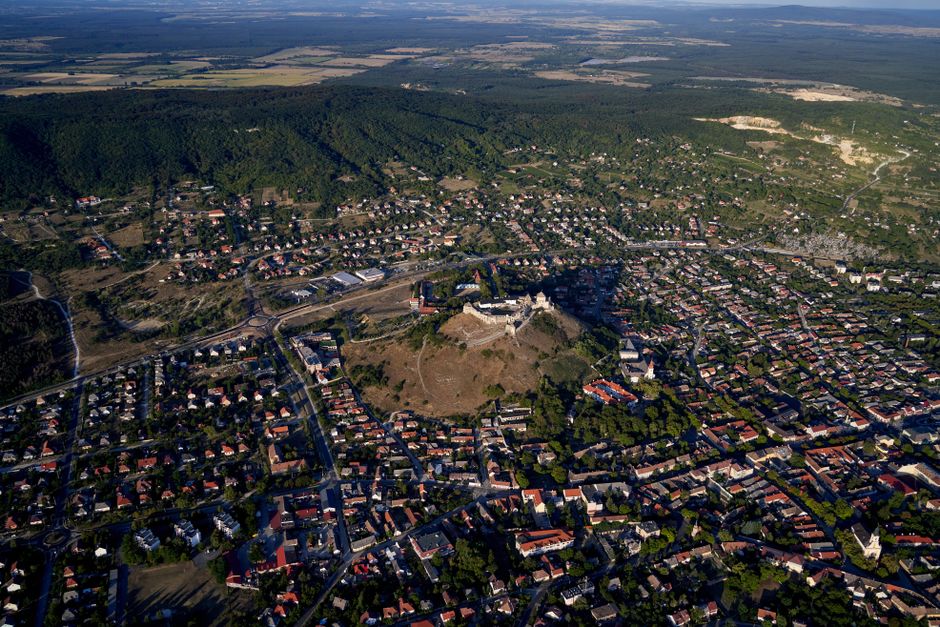
7. Dracula's Medieval Birthplace
Sighișoara, Romania
The only continuously inhabited medieval citadel in Europe, Sighișoara is also famously the birthplace of Vlad the Impaler, the inspiration for Dracula.
This vibrantly colored, UNESCO-listed fortified town in Transylvania feels like stepping into a living fairy tale. Its well-preserved walls, cobblestone streets, and nine towers guard centuries of history, including the house where Vlad III, Prince of Wallachia, was born in 1431. Beyond the Dracula legend, Sighișoara offers a genuine glimpse into medieval Transylvanian life, with its Clock Tower, Church on the Hill, and artisan workshops maintaining traditions that echo through time.
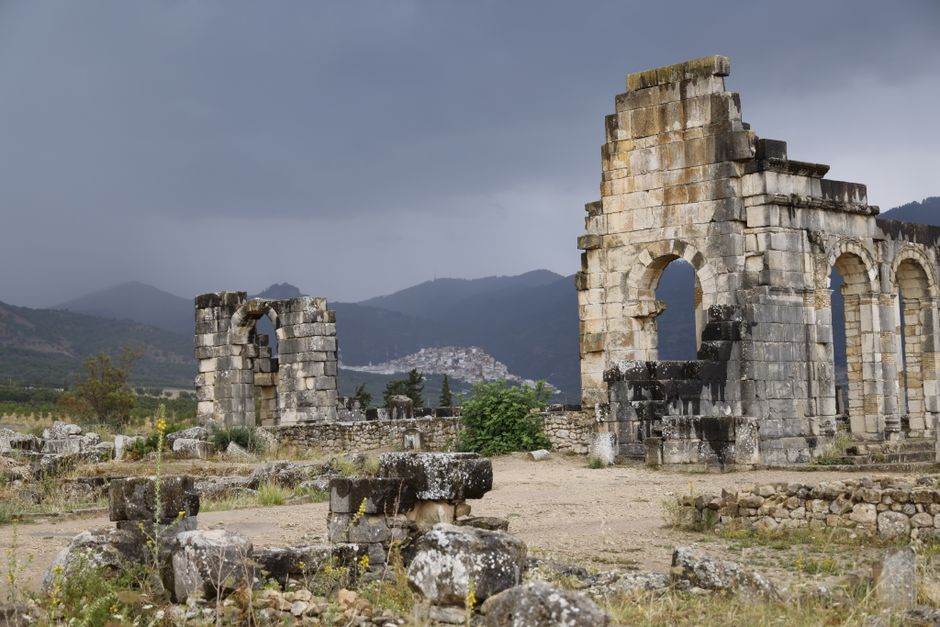
8. Roman Grandeur in North Africa
Meknes, Morocco
Far from Italy, Volubilis holds some of the best-preserved Roman ruins in North Africa, complete with stunning mosaics still in situ.
This sprawling archaeological site was once the southwesternmost outpost of the Roman Empire, a thriving agricultural center producing olives. Its ruins reveal a sophisticated Roman city with magnificent triumphal arches, basilicas, and well-preserved private homes adorned with intricate mosaic floors that depict mythological scenes and daily life. Walking through Volubilis offers a unique perspective on the Roman Empire's reach and its cultural impact, blending seamlessly with the Moroccan landscape.
Frequently asked questions
How flexible do I need to be to find last-minute all-inclusive deals?
Flexibility is key. Being open to various destinations, travel dates, and even departure airports significantly increases your chances of snagging a great deal. Often, the best bargains appear for travel within the next few weeks or even days.
Are last-minute all-inclusive deals always cheaper?
Not always, but often. Travel providers frequently discount packages close to the departure date to fill empty spots. However, demand can also drive prices up, so it's a balance. Using price comparison sites and setting up alerts can help you identify genuine deals.
What should I look for in an "underrated" all-inclusive destination?
Seek out locations known for unique history, geology, or culture that aren't typically mass-marketed. Research places with UNESCO World Heritage status that are less frequented, or regions celebrated for specific local traditions, cuisine, or natural wonders beyond the usual hotspots.
How can AllTours.ai enhance my exploration of these unique places?
The AllTours.ai app transforms your phone into a personal AI audio guide. Simply point your camera at any landmark, landscape, or even an interesting rock formation, and it instantly narrates its history, geology, and cultural significance in your preferred language, making every last-minute discovery even richer.
Related guides
Photography via Pexels. AllTours.ai is an AI audio tour guide — point your camera at any landscape and hear its story.