September 20, 2026 · 4 min read
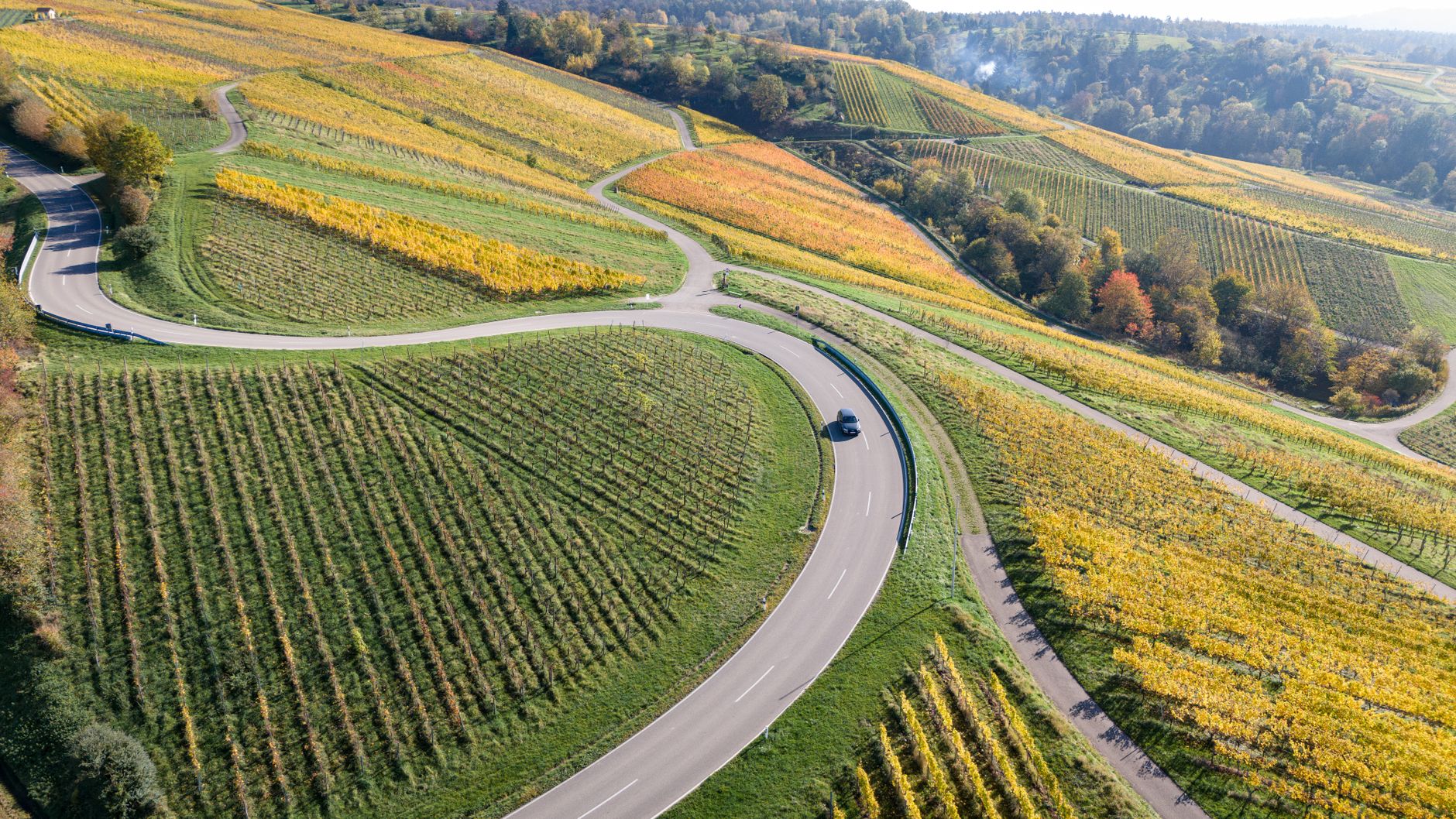
Embarking on a European motorhome adventure promises unparalleled freedom, but the continent's diverse landscapes and ancient infrastructure present unique navigation challenges. From narrow, cobbled streets in medieval towns to steep, winding mountain passes designed for horse-drawn carriages, every turn can hold a surprise for the modern RV. Understanding these hurdles beforehand can transform potential frustrations into memorable discoveries.
Beyond the well-trodden paths, Europe hides a wealth of lesser-known spots, each with its own captivating story waiting to be told. These are the places where history whispers from every stone and nature reveals its most dramatic artistry. For the intrepid motorhome traveler, the reward for navigating these roads is an intimate encounter with Europe's true character, far from the crowds.
1. The Village of Giant Boulders
Monsanto, Portugal
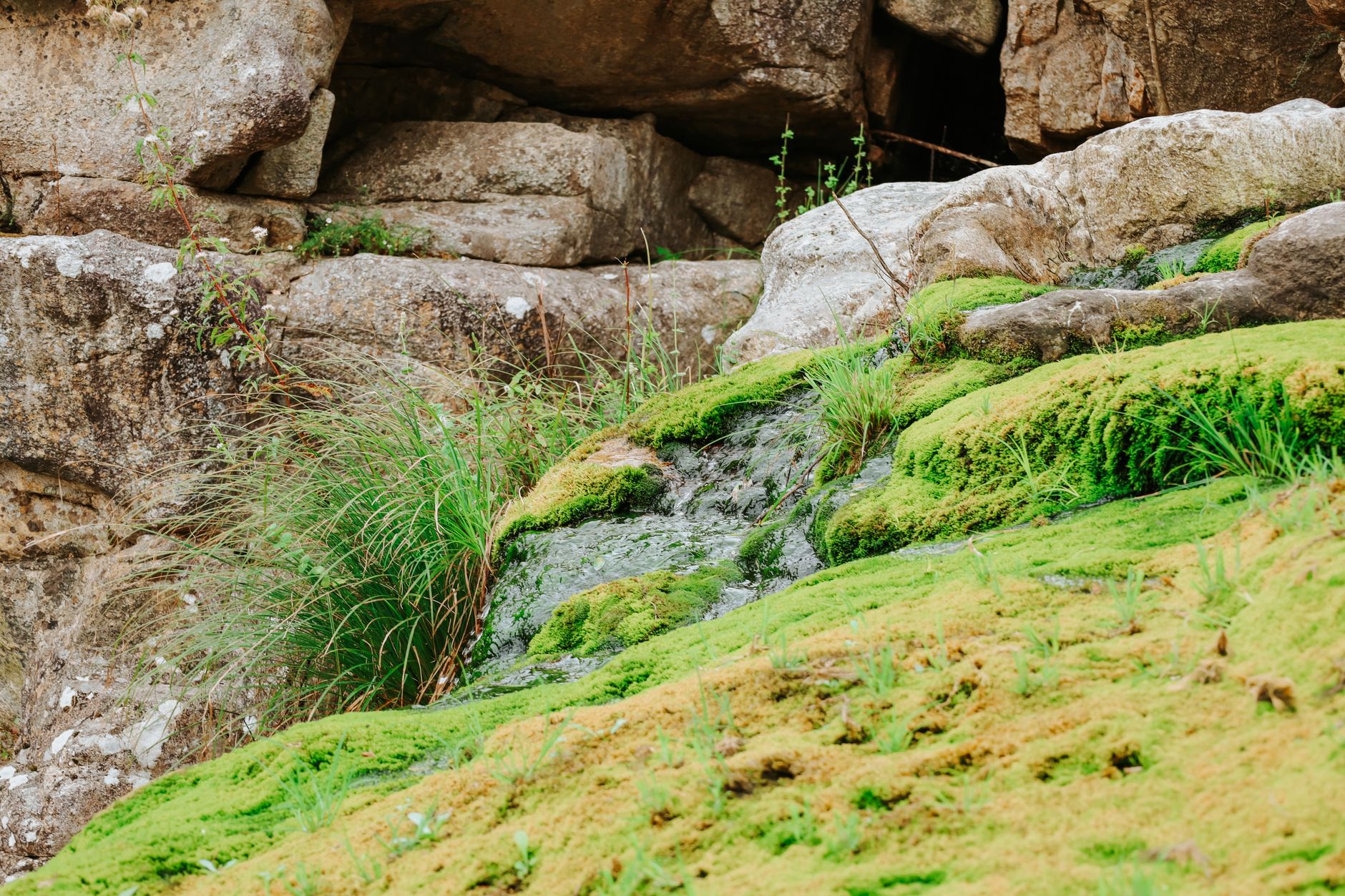
This Portuguese village seamlessly integrates its homes into and beneath massive granite boulders, creating a landscape unlike any other.
Perched atop a hill, Monsanto was once voted "the most Portuguese village of Portugal." Its medieval houses are not just built *around* enormous rocks but often use them as walls, floors, or even roofs, a testament to ingenious ancient construction. Navigating the steep, narrow paths here feels like driving through a geological puzzle, where nature and architecture are indistinguishably intertwined.
2. Roman Gold Mines' Martian Landscape
Las Médulas, Spain
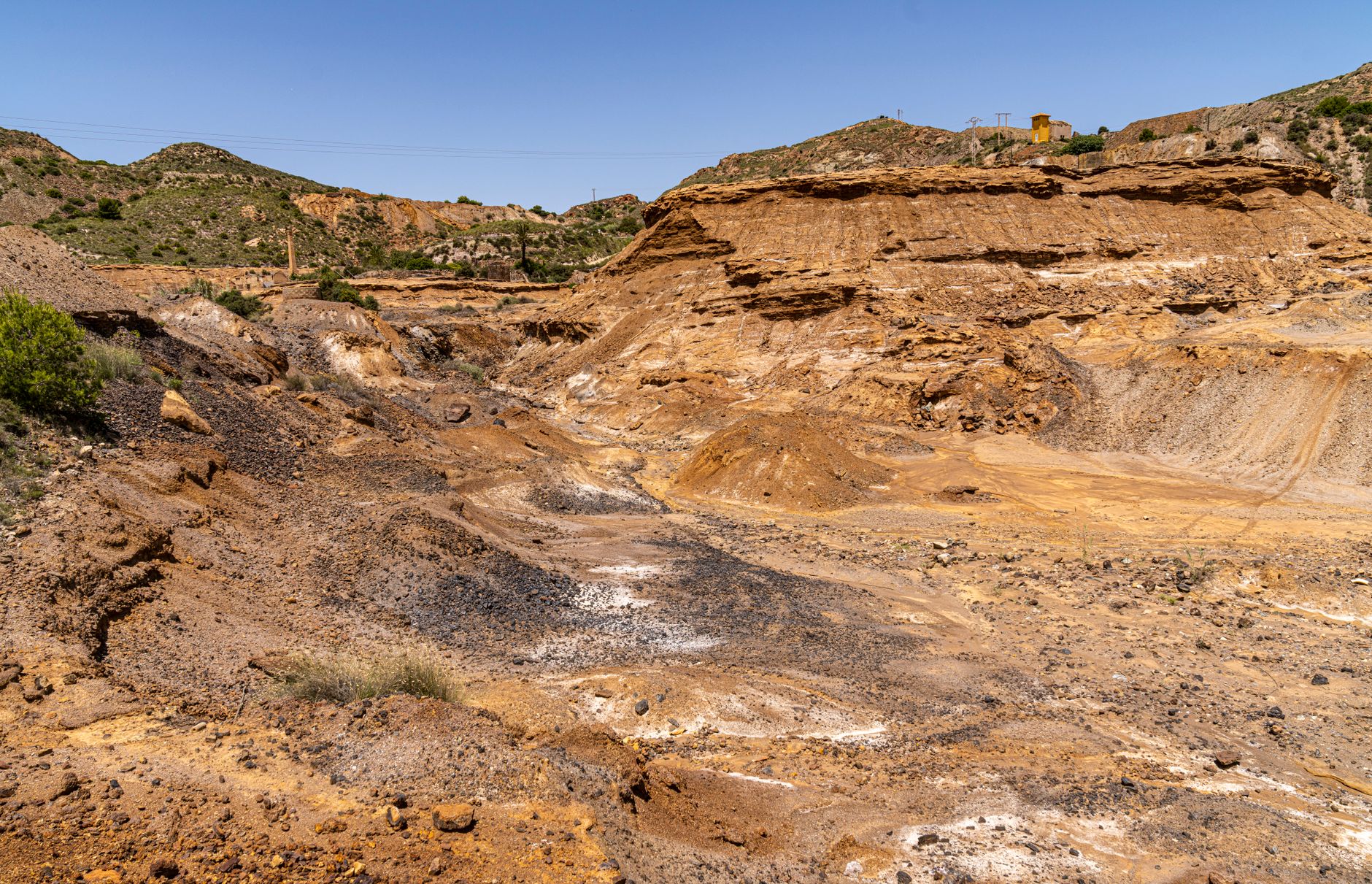
What looks like a Martian landscape in northern Spain is actually the result of ancient Roman hydraulic engineering on a massive scale.
Las Médulas was once the most important gold mine in the Roman Empire. The Romans devised a system called *ruina montium*, using vast quantities of water to collapse mountainsides and extract gold. Today, the vibrant red earth and towering peaks carved by this method create an astonishing, almost alien topography, crisscrossed by ancient channels and caves.
3. Brittany's Megalithic Mystery
Carnac Stones, France
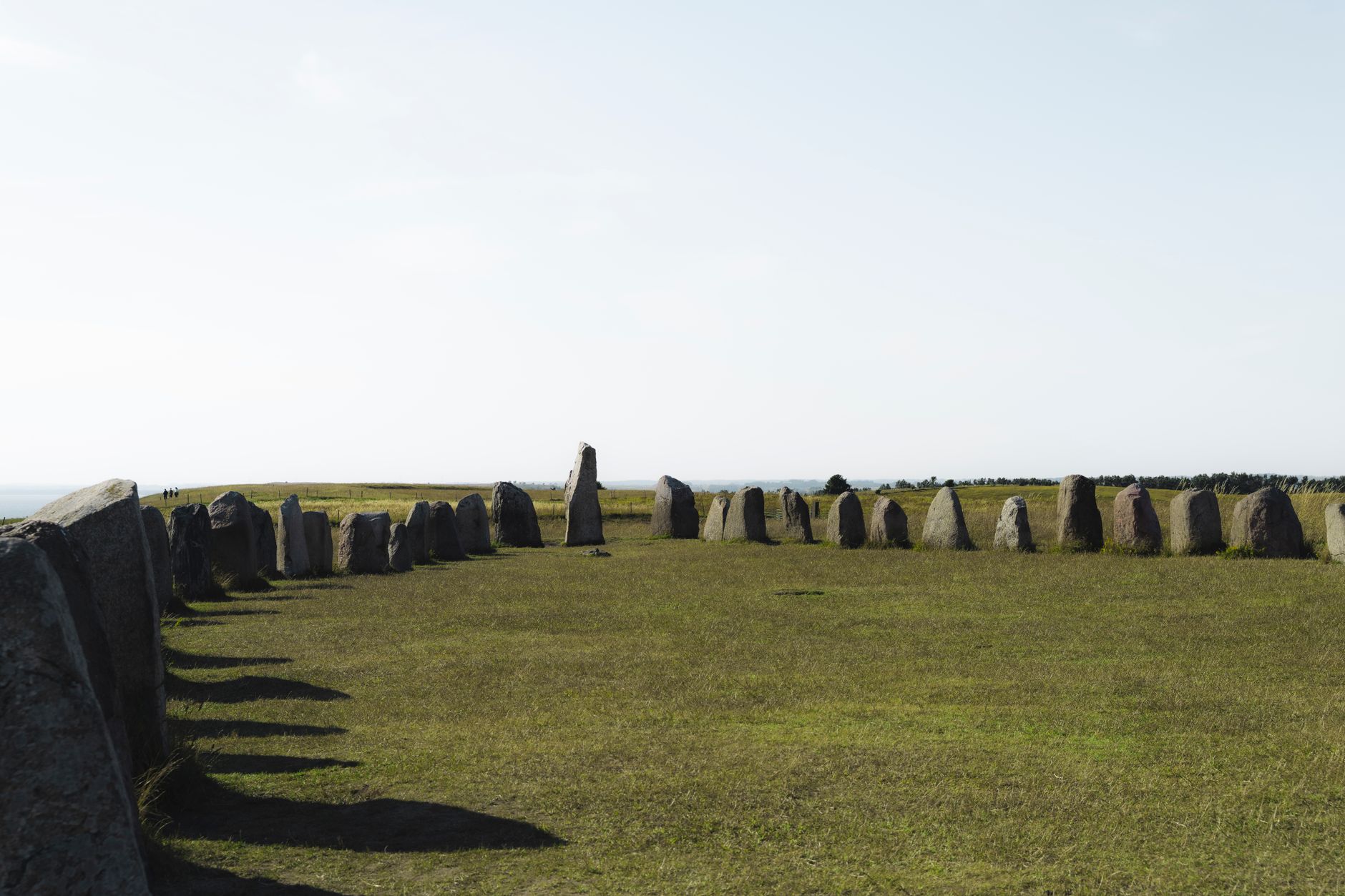
Thousands of standing stones align in precise rows across the fields of Brittany, predating Stonehenge and still baffling archaeologists.
The Carnac Stones comprise the largest collection of megalithic alignments in the world, with over 3,000 prehistoric standing stones erected between 4500 BCE and 3300 BCE. Local legend claims they are Roman soldiers turned to stone by Saint Cornelius, while scientific theories range from astronomical observatories to religious sites. Navigating the rural roads here, you pass through a landscape frozen in deep time.
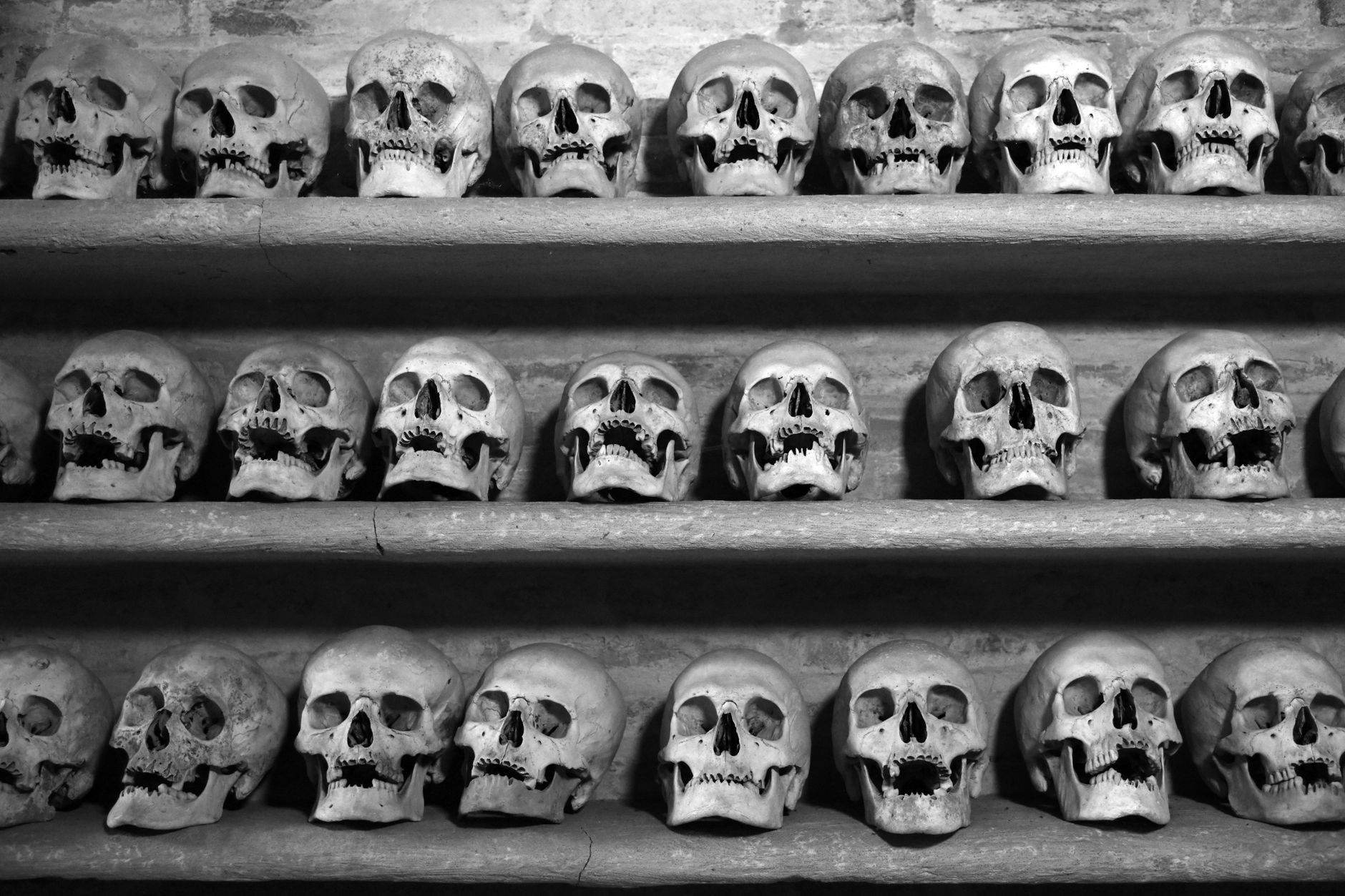
4. The City of Martyrs and Eastern Gates
Otranto, Italy
This coastal city in Puglia holds a chilling chapel filled with the skulls of 800 martyrs who refused to convert during an Ottoman invasion.
As Italy's easternmost city, Otranto has historically been a strategic gateway and a site of conflict. In 1480, it suffered a brutal siege by Ottoman forces, culminating in the massacre of its male inhabitants. Their skulls are now solemnly displayed in the city's cathedral, a stark reminder of its tumultuous past. Driving its narrow, ancient streets, you feel the weight of centuries of history and resilience.
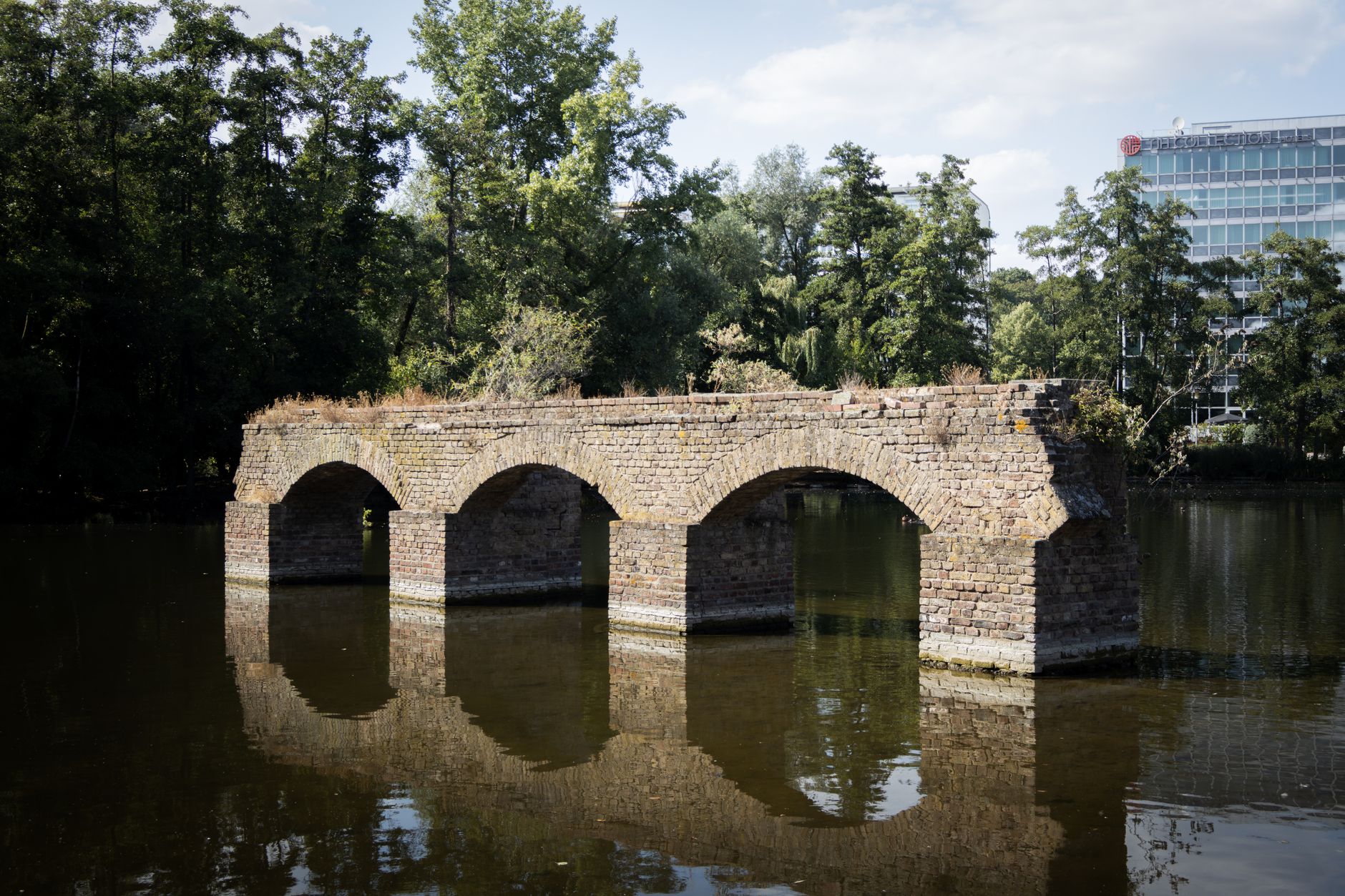
5. The Devil's Bridge of Perfect Reflection
Rakotzbrücke, Germany
This basalt arch bridge in Kromlau is engineered to form a perfect circle with its reflection, leading to folklore about its supernatural origins.
Nestled in Kromlau Park, the Rakotzbrücke (also known as the Devil's Bridge) is a marvel of 19th-century landscape architecture. Its precise parabolic arch, built from rough basalt stones, creates an optical illusion of a full circle when reflected in the calm waters below. Local legends say it was built with the help of the devil, who demanded the soul of the first to cross it.
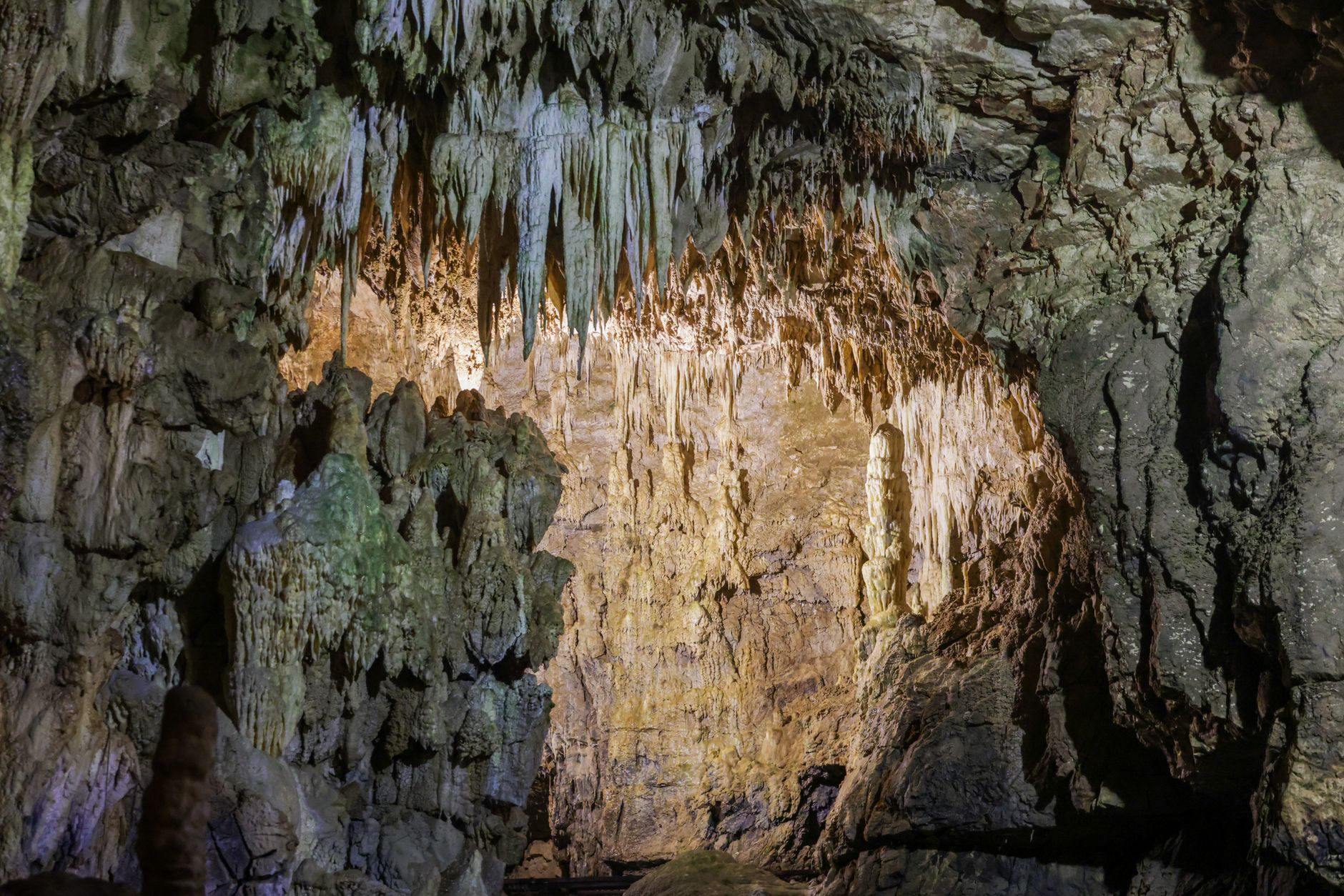
6. The Underground Grand Canyon
Škocjan Caves, Slovenia
Below the Slovenian karst lies one of the world's largest known underground canyons, a UNESCO site carved by a disappearing river.
The Škocjan Caves system is an extraordinary natural phenomenon, featuring massive underground chambers, waterfalls, and the Reka River, which vanishes into the earth and reappears 34 km away. A path, sometimes narrow and high above the rushing water, allows visitors to traverse this subterranean world. Navigating the winding roads to its entrance, you're heading towards a truly awe-inspiring geological wonder.
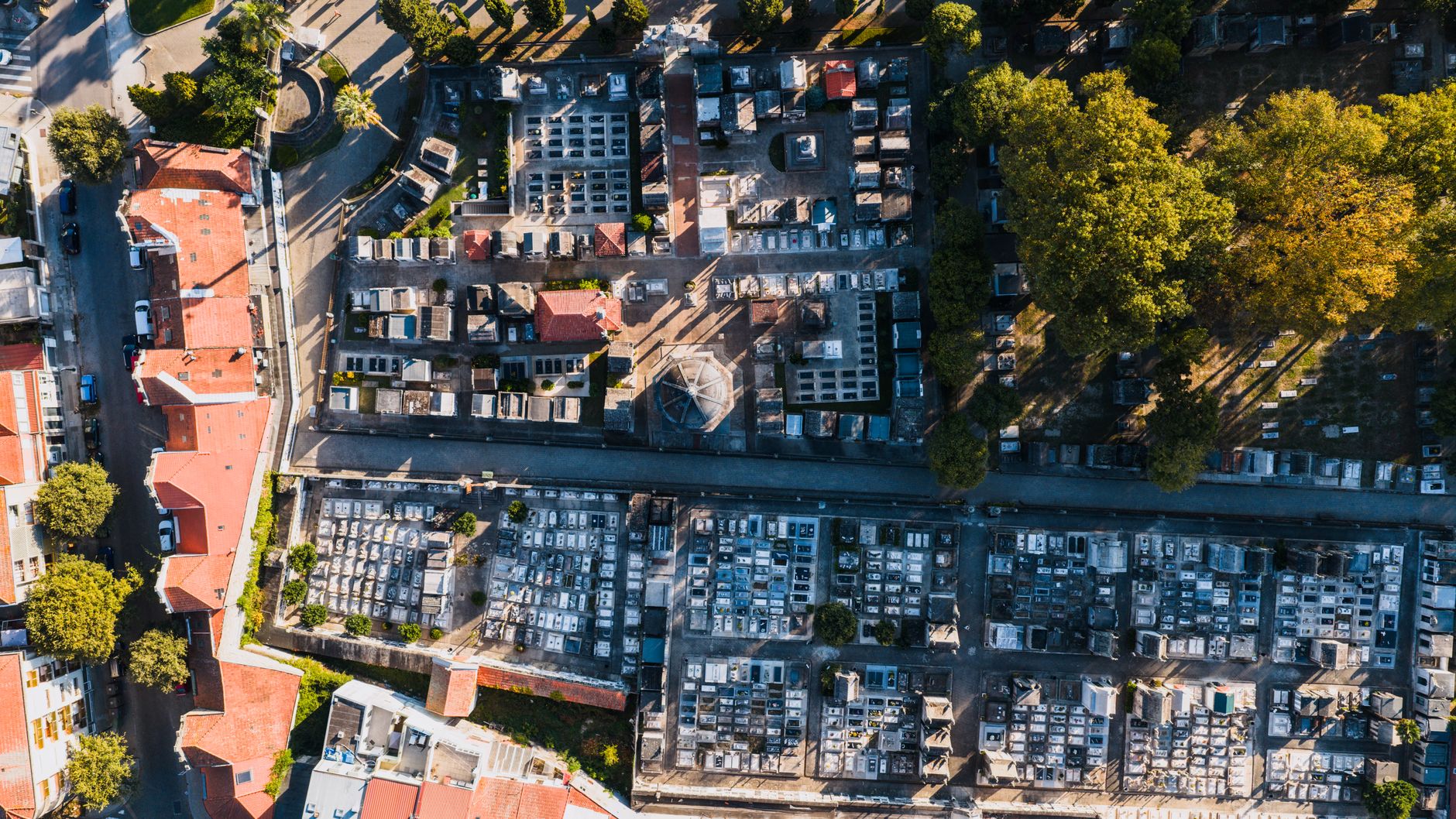
7. Where Death Tells Jokes
Merry Cemetery, Romania
In a small Romanian village, gravestones are painted in vivid colors and adorned with humorous poems detailing the lives of the deceased.
The Cimitirul Vesel, or Merry Cemetery, in Săpânța, Maramureș, offers a unique perspective on death. Initiated by local artist Ioan Pătraș in 1935, each wooden cross is hand-carved, painted in a distinctive blue, and features a naive painting depicting a moment from the deceased's life, accompanied by an epitaph in verse – often witty, sometimes critical, and always personal.
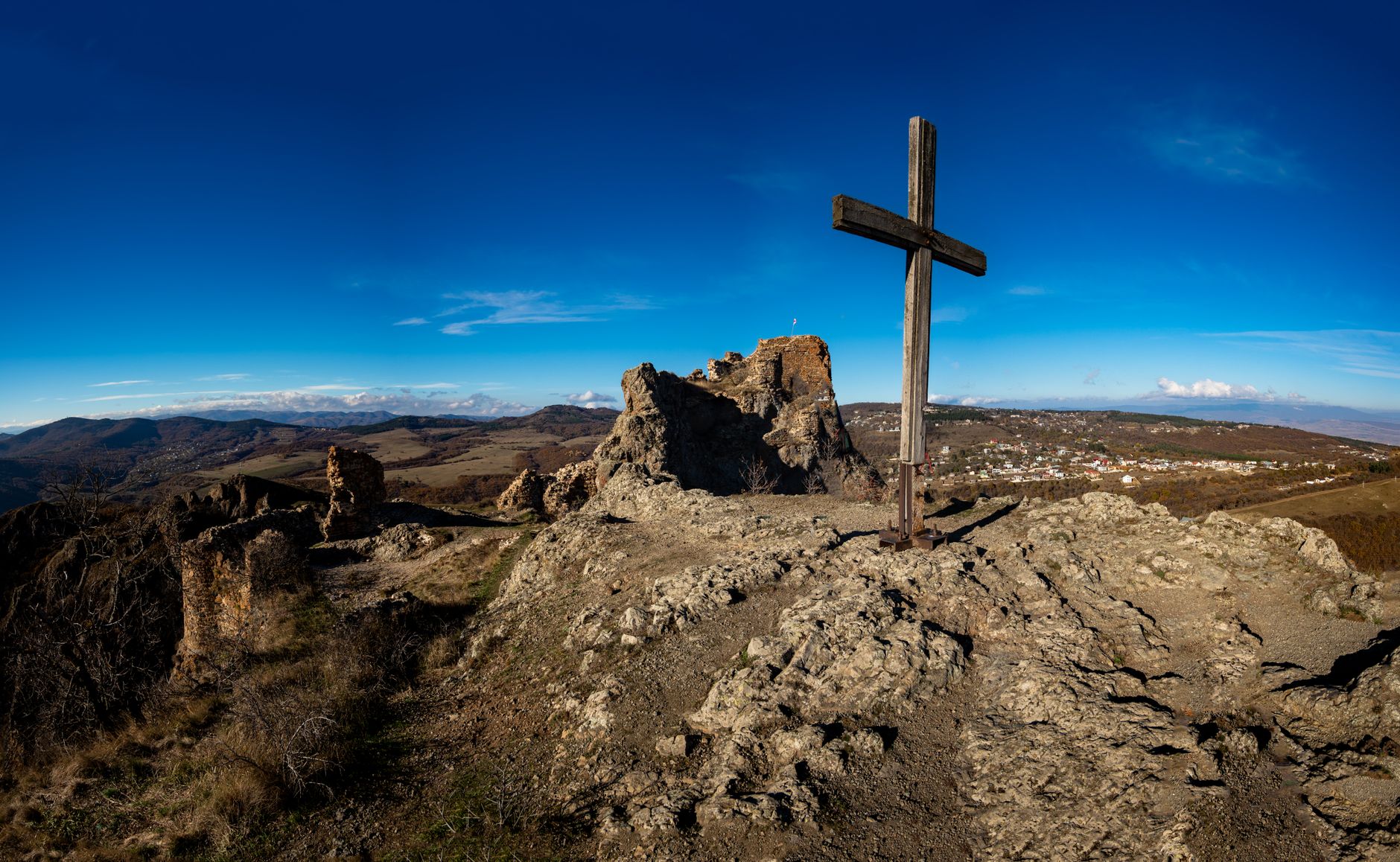
8. Nature's Stone Fortress
Belogradchik Rocks, Bulgaria
Towering sandstone and limestone rock formations, some reaching 200 meters high, form a natural fortress around a historical stronghold in Bulgaria.
The Belogradchik Rocks stretch for over 30 km, creating a fantastical landscape that has inspired countless legends. These natural sculptures, sculpted by erosion over millions of years, surround and integrate with the Belogradchik Fortress, a Roman-era fortification expanded over centuries. Driving through this area, the scale of the rock formations feels immense and ancient, demanding careful navigation.
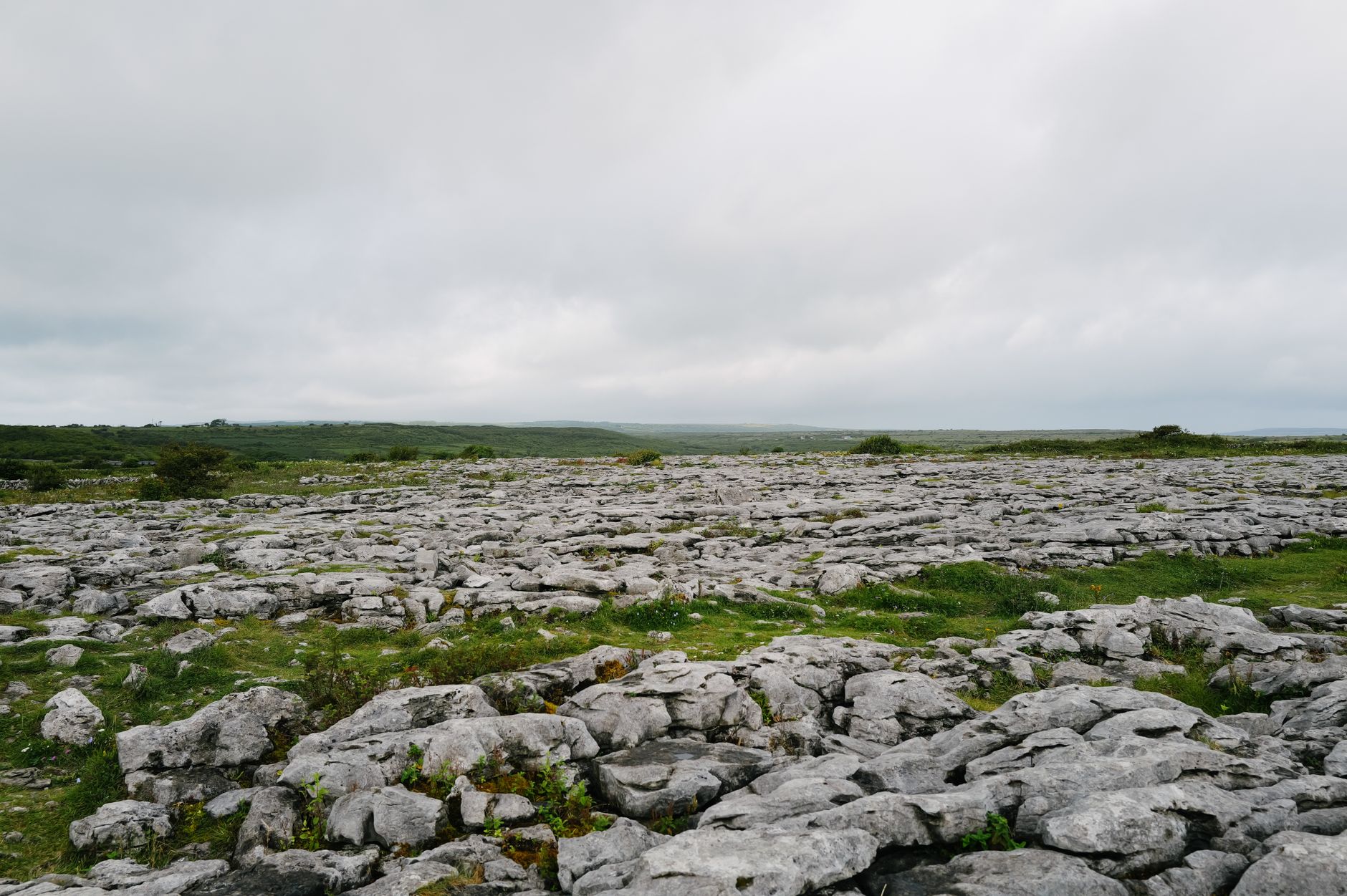
9. Ireland's Lunar Landscape
The Burren, Ireland
This unique karst landscape on Ireland's west coast supports an extraordinary mix of Arctic, Alpine, and Mediterranean plants growing side-by-side.
The Burren's vast limestone pavements, crisscrossed by grikes (fissures), resemble a lunar surface. Despite its stark appearance, it's a botanical marvel, with wildflowers usually found in vastly different climates thriving together. Ancient dolmens and ring forts dot the landscape, hinting at millennia of human habitation. Navigating the narrow, often unmarked roads here reveals a truly wild and ancient corner of Ireland.
Frequently asked questions
What are common road signs for motorhomes in Europe?
European road signs for motorhomes often include specific height, width, and weight restrictions, especially in tunnels, under bridges, or on narrow village roads. Look out for signs indicating "no motorhomes" or "camping prohibited" in certain areas. It's crucial to understand the metric system for these measurements.
Is it difficult to find parking for a large motorhome in European towns?
Yes, finding suitable parking can be challenging, particularly in historic city centers with narrow streets and limited spaces. Many towns have designated motorhome parking (often called "aires" in France or "Stellplätze" in Germany) on the outskirts, sometimes with services. Planning ahead and using specific motorhome navigation apps can help immensely.
Are there special driving rules for motorhomes in Europe?
While general road rules apply, some countries have specific regulations. For instance, speed limits can be lower for vehicles over a certain weight. Some urban areas have low emission zones requiring specific vehicle permits. Always check the local regulations for each country you plan to visit, as rules can vary significantly.
How can AllTours.ai help me explore these unique European spots?
AllTours.ai enhances your journey by providing detailed audio narratives for the landscapes and landmarks you encounter. As you point your phone camera at a historic ruin or a geological marvel, the app identifies it and narrates its history, culture, or geology in your preferred language, turning every view into a rich, informative experience.
Related guides
Self-guided audio tours
Walk these places stop by stop — free five-stop story tours you can take at your own pace:
Photography via Pexels. AllTours.ai is an AI audio tour guide — point your camera at any landscape and hear its story.