September 21, 2026 · 4 min read
Every traveler collects stories, but some places hold secrets so profound, so unexpected, that they redefine what we thought was possible. Beyond the well-trodden paths and iconic landmarks lie destinations where history whispers from ancient stones, geology paints surreal landscapes, and cultures thrive with extraordinary tales.
Forget the usual postcards. This isn't about ticking off famous sights; it's about uncovering the truly strange, beautiful, and deeply interesting events that shape our world. We've gathered some of the planet's most captivating, yet often overlooked, spots—each with a story that will make you rethink your next adventure.
1. The Desert Colossus
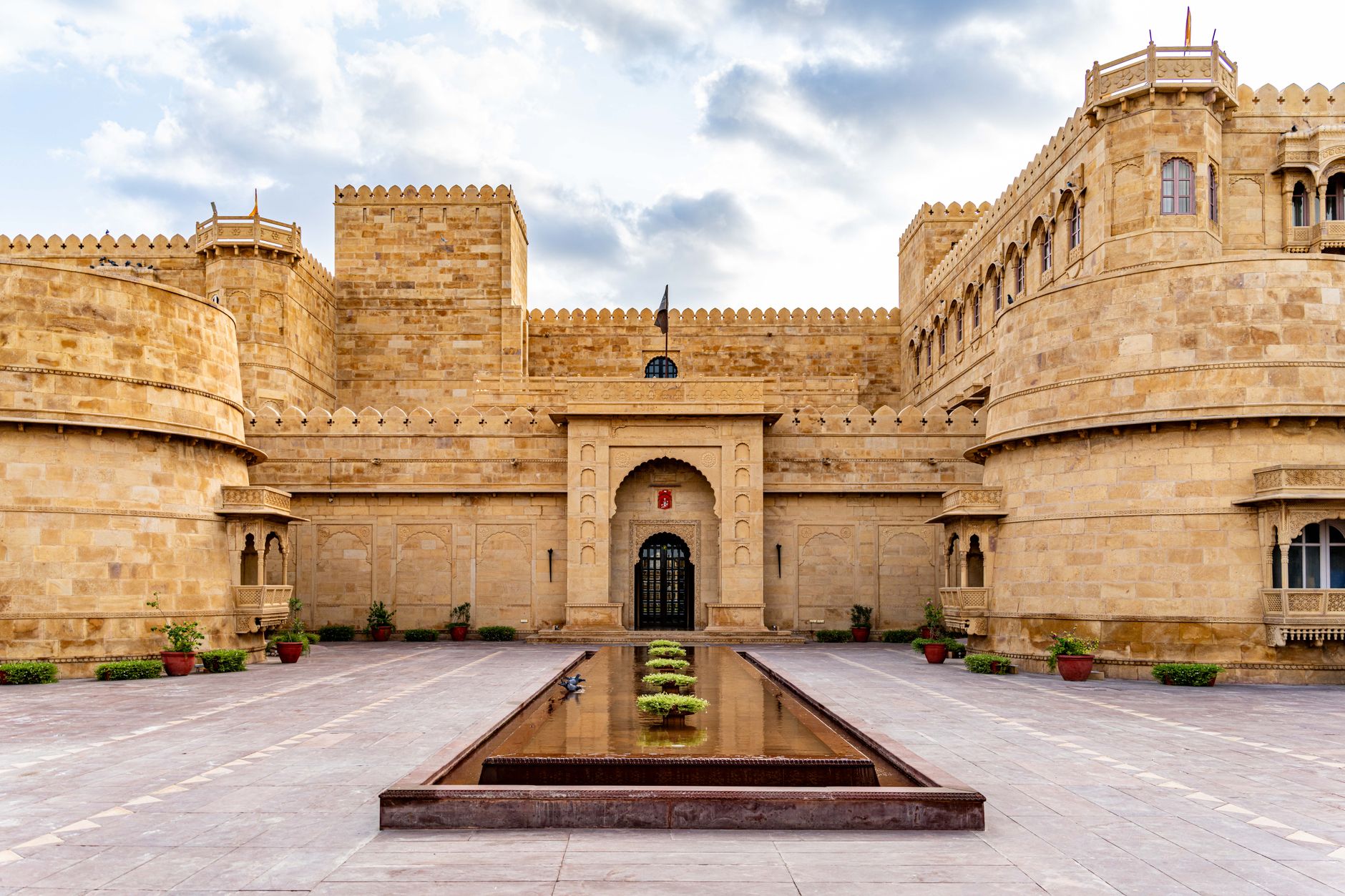
Derawar Fort, Pakistan
A massive, perfectly symmetrical desert fort with 40 bastions rises like a mirage, yet remains largely unseen by the outside world.
Deep in Pakistan's Cholistan Desert stands Derawar Fort, an imposing structure whose colossal mud-brick walls and forty circular bastions dominate the flat landscape. Originally built in the 9th century, then rebuilt by the Abbasi nawabs of Bahawalpur, it's a testament to ancient desert engineering and power. Its sheer scale and geometric precision are breathtaking, a fortress that once guarded trade routes and now stands as a magnificent, silent sentinel.
2. Giants in the Farmland
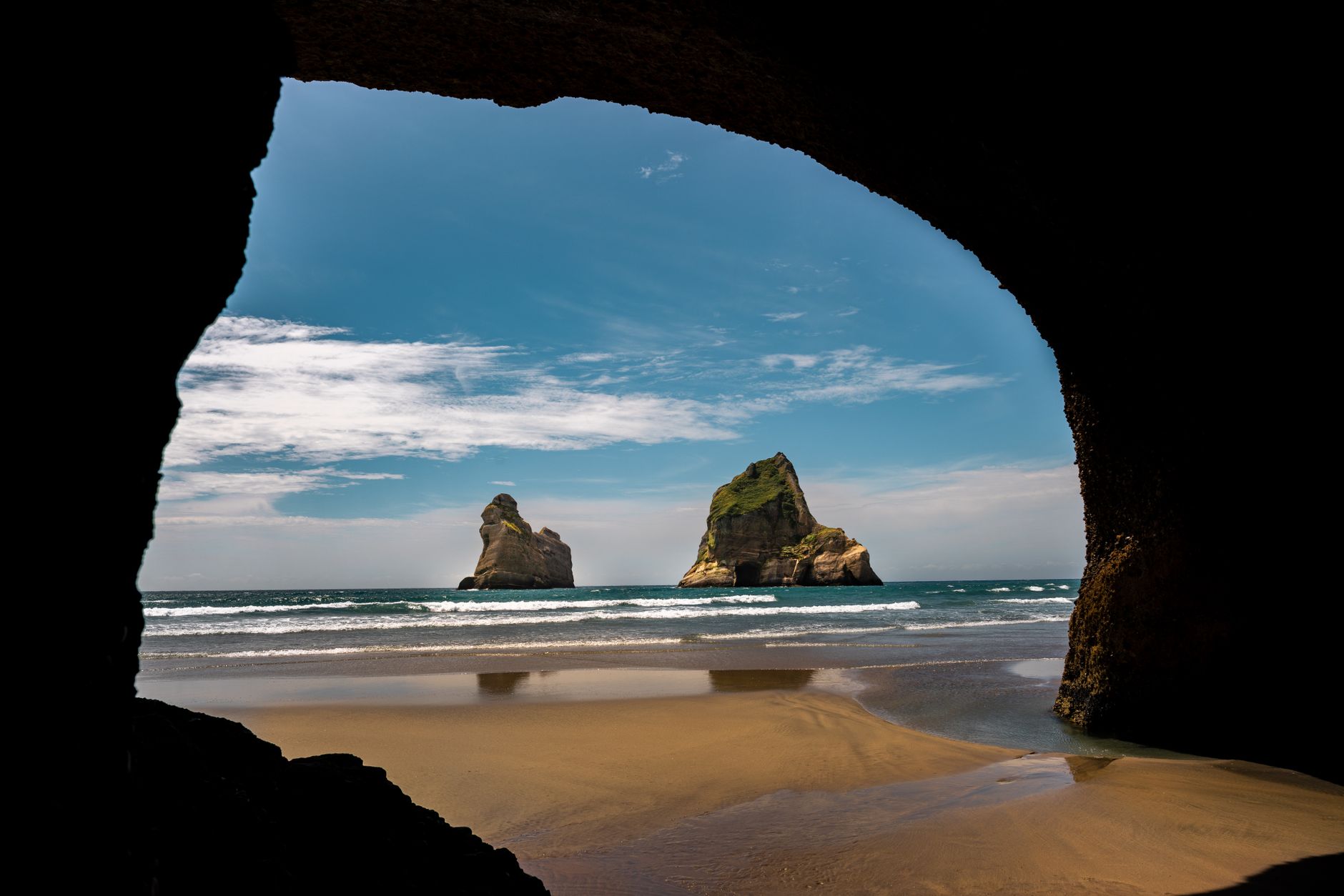
Elephant Rocks, Waitaki Valley, New Zealand
Gigantic, worn limestone boulders resembling elephants emerge from rolling farmland, formed by an ancient seabed and full of prehistoric secrets.
In the serene Waitaki Valley, a surreal landscape unfolds where massive limestone formations, sculpted by millennia of wind and rain, truly resemble a herd of sleeping elephants. These 'Elephant Rocks' are remnants of limestone formed from marine organisms when this area was submerged under the sea millions of years ago. The region is also rich in fossils, offering a glimpse into New Zealand's dynamic geological past, where ancient whales and penguins once roamed.
3. The Crystal Cathedral
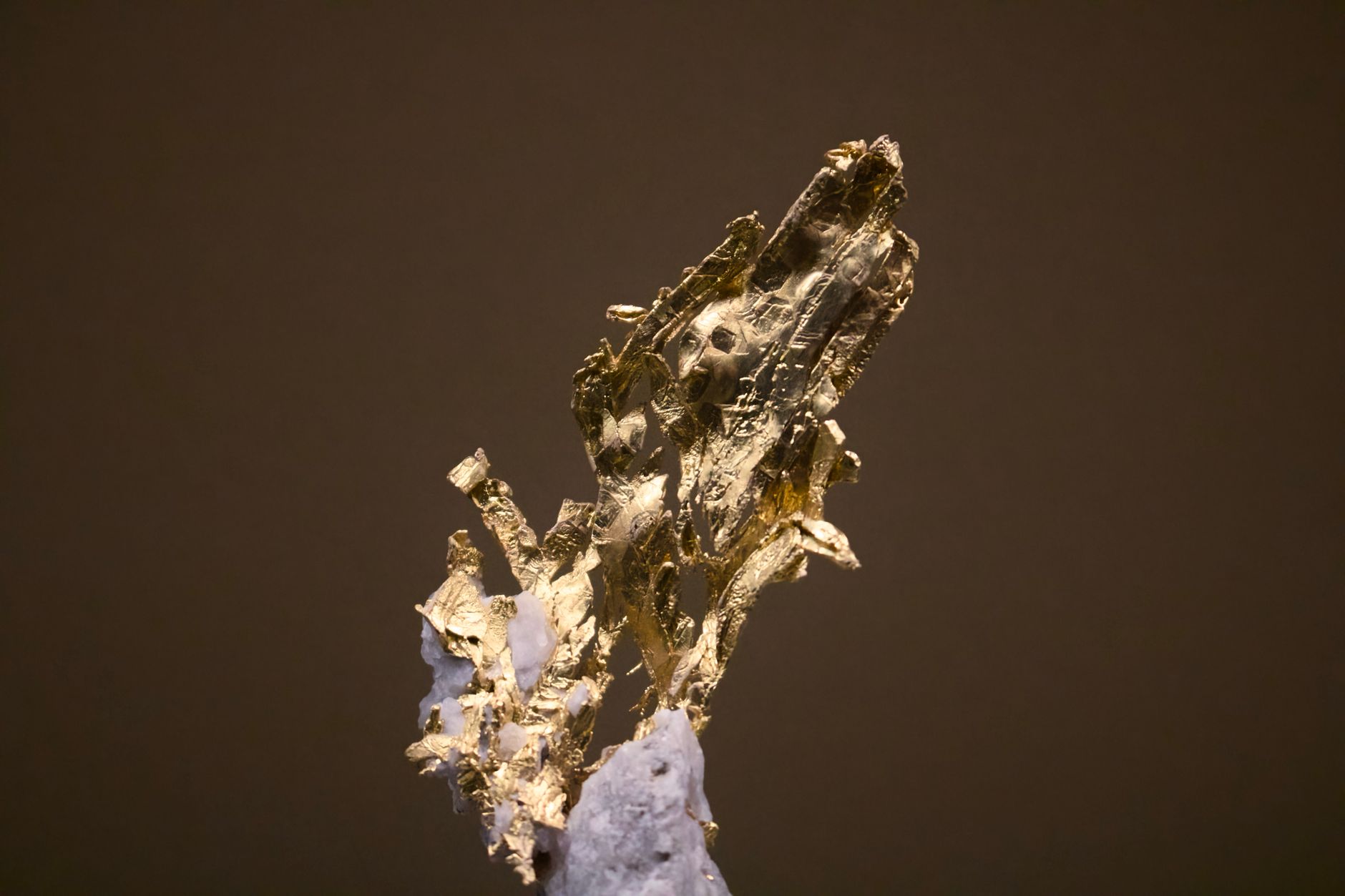
Naica Mine, Mexico
Deep beneath the Earth, a scorching hot cave holds some of the largest natural crystals ever discovered, resembling an otherworldly fortress.
Discovered by miners in 2000, the Cave of Crystals in Naica Mine contains selenite crystals up to 12 meters long, growing from the cave floor and ceiling. These colossal formations were nurtured over hundreds of thousands of years in superheated, mineral-rich water. The cave's extreme heat and humidity (around 50°C and nearly 100% humidity) make it largely inaccessible, preserving its pristine, ethereal beauty, a place few humans have ever truly witnessed.
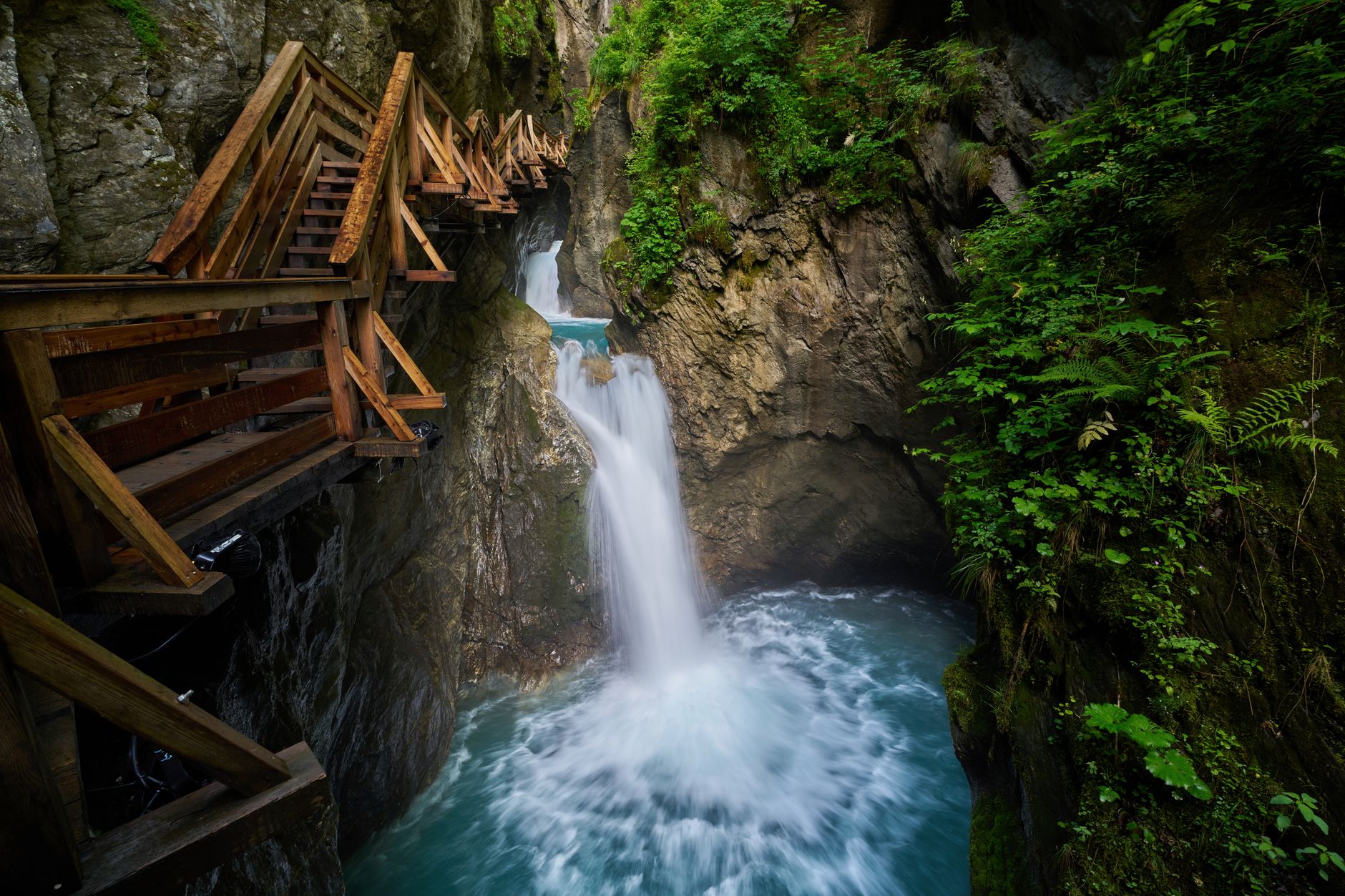
4. The Vanishing River's Art
Rakov Škocjan, Slovenia
A river disappears and reappears through a series of natural bridges and caves, carving an extraordinary geological spectacle in a hidden valley.
Rakov Škocjan is a breathtaking karst valley where the Rak River performs a geological disappearing act. It flows through a series of natural limestone bridges, gorges, and caves, frequently vanishing into the porous rock only to re-emerge further downstream. This dramatic landscape, sculpted by the relentless power of water over millions of years, is a testament to the Earth's continuous transformation and offers a unique insight into karst topography.
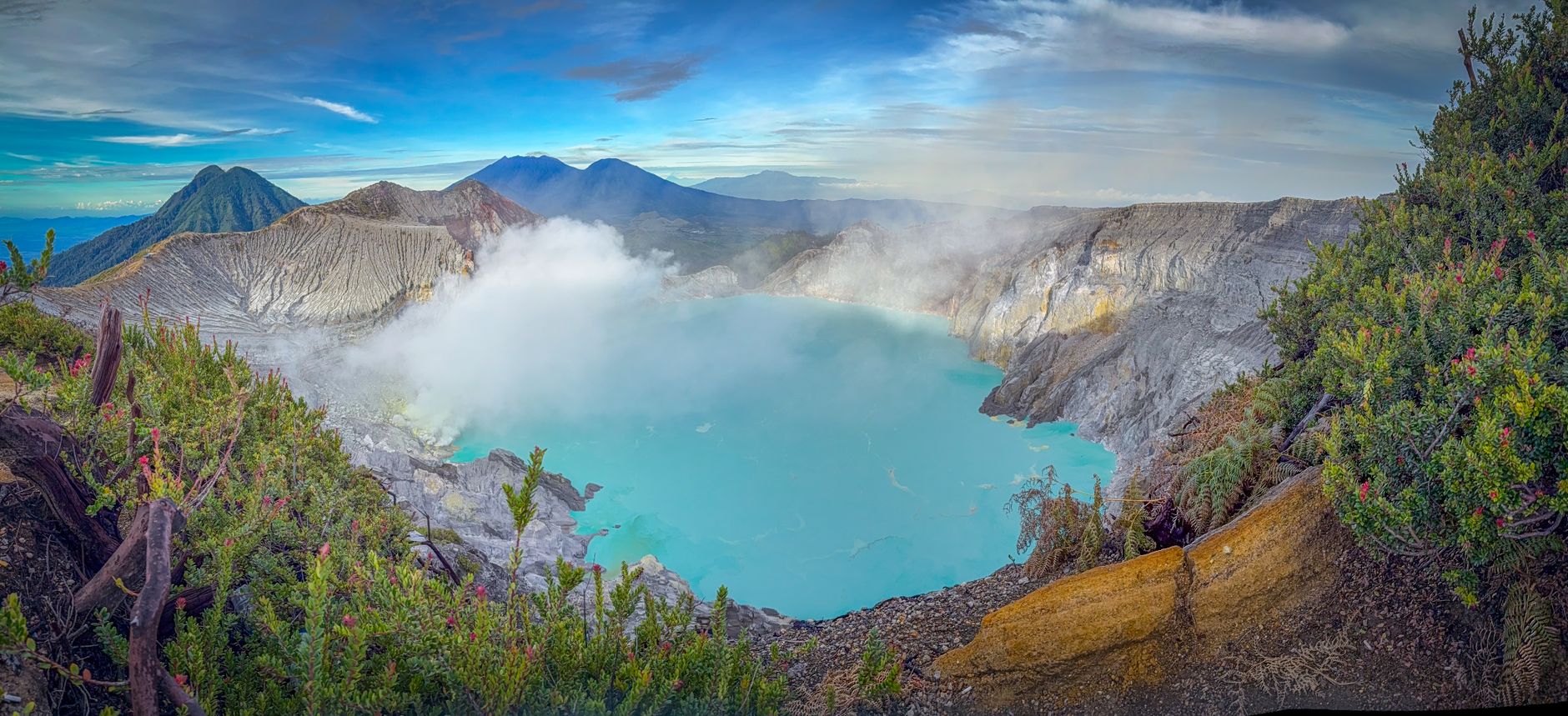
5. The Blue Flames of Hell
Kawah Ijen, Indonesia
A volcano where sulfuric gases ignite into electric blue flames at night, an ethereal and dangerous spectacle against a backdrop of manual sulfur mining.
Kawah Ijen is renowned for its mesmerizing 'blue fire,' a phenomenon where ignited sulfuric gases burn upon contact with air, creating electric blue flames visible only in the dark. This active volcano also features a highly acidic turquoise crater lake. The site is a poignant place of arduous manual sulfur mining, where laborers carry heavy loads of sulfur out of the crater, offering a stark glimpse into extreme human endeavor amidst a stunning natural wonder.
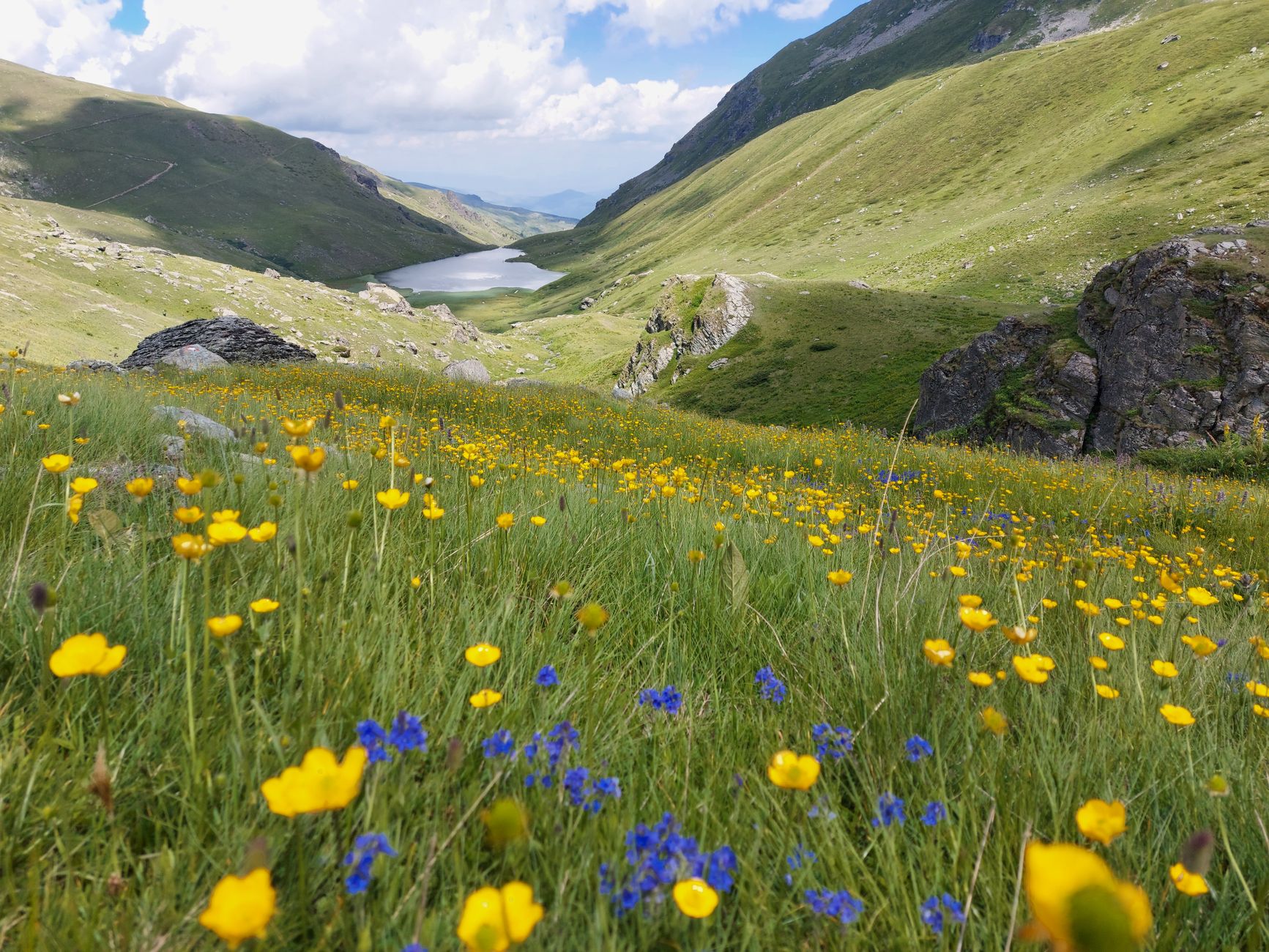
6. The Rainbow Bloom
Castelluccio di Norcia, Italy
An ancient village perched above a vast plain that, for a few weeks each summer, transforms into a kaleidoscopic tapestry of blooming wildflowers.
High in the Apennine Mountains, the remote village of Castelluccio di Norcia is famous not only for its lentils but for 'La Fioritura' – the flowering. From late May to July, the plains below the village erupt into a vibrant display of color as thousands of wildflowers, including poppies, cornflowers, and daisies, bloom simultaneously. This natural spectacle is a breathtaking testament to nature's artistry, transforming the landscape into a living canvas.
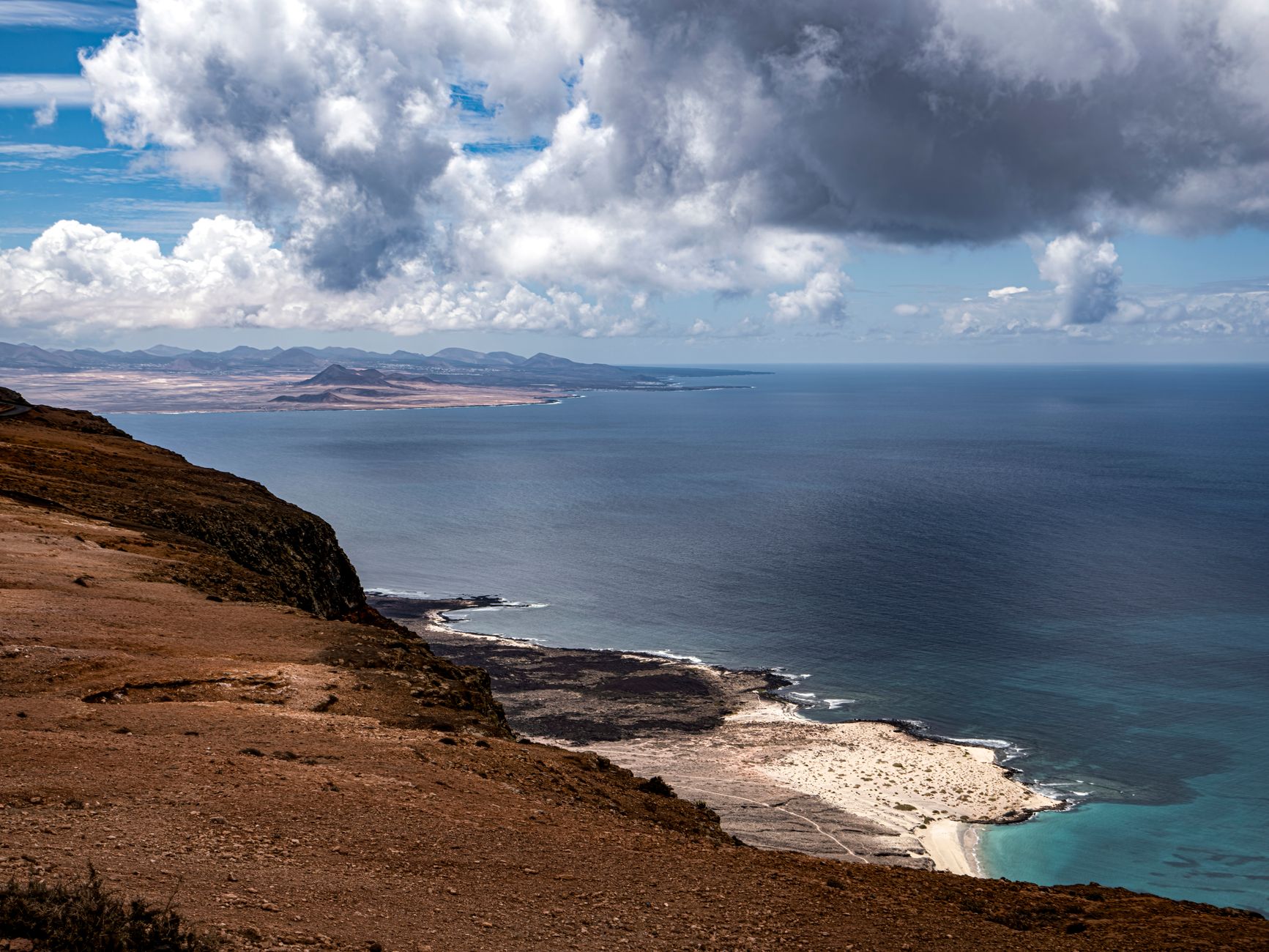
7. The Popcorn Beach
Playa del Bajo de la Burra, Fuerteventura, Canary Islands, Spain
A beach where the 'sand' is not sand at all, but countless calcified algae formations resembling popcorn, washed ashore from the ocean floor.
On the shores of Fuerteventura, near Corralejo, lies a truly unique beach known affectionately as 'Popcorn Beach.' Here, the ground is covered not by typical grains of sand, but by rhodoliths—a type of red algae that grows in spherical, branched forms on the seabed. When they die, these calcified algae wash ashore, creating a surreal landscape that looks remarkably like popcorn kernels, a delightful geological curiosity.
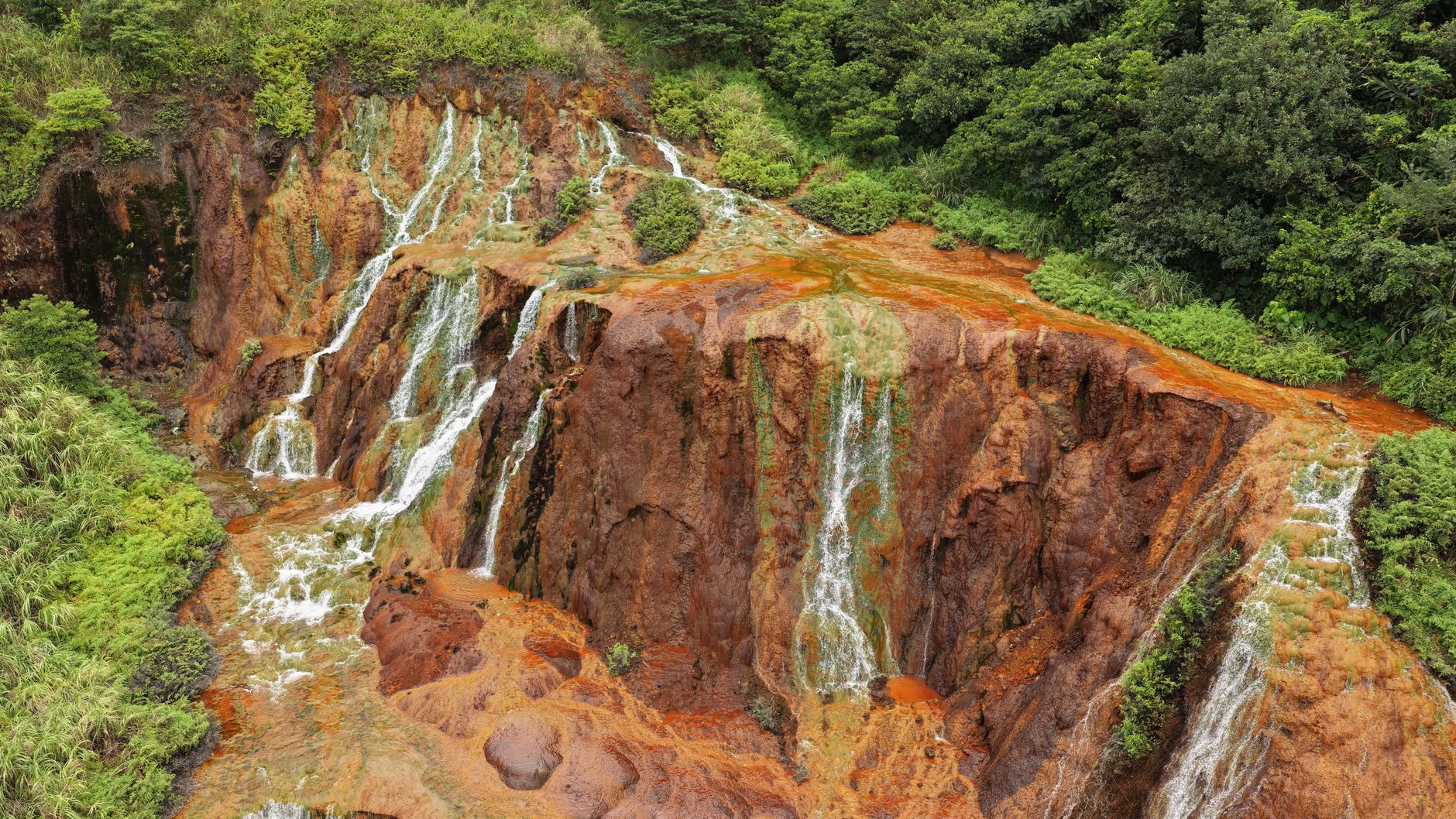
8. The Unmixing Earth
Seven Colored Earths of Chamarel, Mauritius
A small, strikingly beautiful geological formation where sand dunes exhibit seven distinct colors, refusing to mix even when swirled together.
In the southwestern part of Mauritius, a curious geological wonder unfolds: the Seven Colored Earths of Chamarel. This small area features sand dunes composed of volcanic rock that cooled at different temperatures, leaving behind varying mineral compositions. These minerals oxidize at different rates, resulting in distinct layers of red, brown, violet, green, blue, purple, and yellow earth. Remarkably, if you mix handfuls of these different colored sands, they will eventually settle back into their original distinct layers.
Frequently asked questions
How do I find truly unique travel experiences?
Researching local blogs, historical societies, and non-mainstream travel forums can reveal hidden gems. Look for destinations known for specific geological features, obscure historical events, or unique cultural practices that aren't widely publicized.
What makes a travel experience 'interesting' beyond typical sights?
An 'interesting' experience often involves an unexpected discovery, a unique interaction with locals, or a deep dive into a place's lesser-known history or natural phenomena. It's about connecting with the unexpected layers of a destination that spark genuine curiosity.
Is it safe to travel to lesser-known places?
While off-the-beaten-path travel can offer incredible rewards, it's crucial to research safety conditions, local customs, and infrastructure beforehand. Always prioritize personal safety, be aware of your surroundings, and consider consulting local guidance or experienced travelers.
How can AllTours.ai enhance my exploration of these unique places?
AllTours.ai uses AI to narrate the history, geology, and culture of any landscape or landmark you point your phone camera at. It's like having an expert guide in your pocket, instantly revealing the hidden stories and fascinating facts of even the most obscure locations in your preferred language.
Related guides
Photography via Pexels. AllTours.ai is an AI audio tour guide — point your camera at any landscape and hear its story.