July 22, 2026 · 5 min read
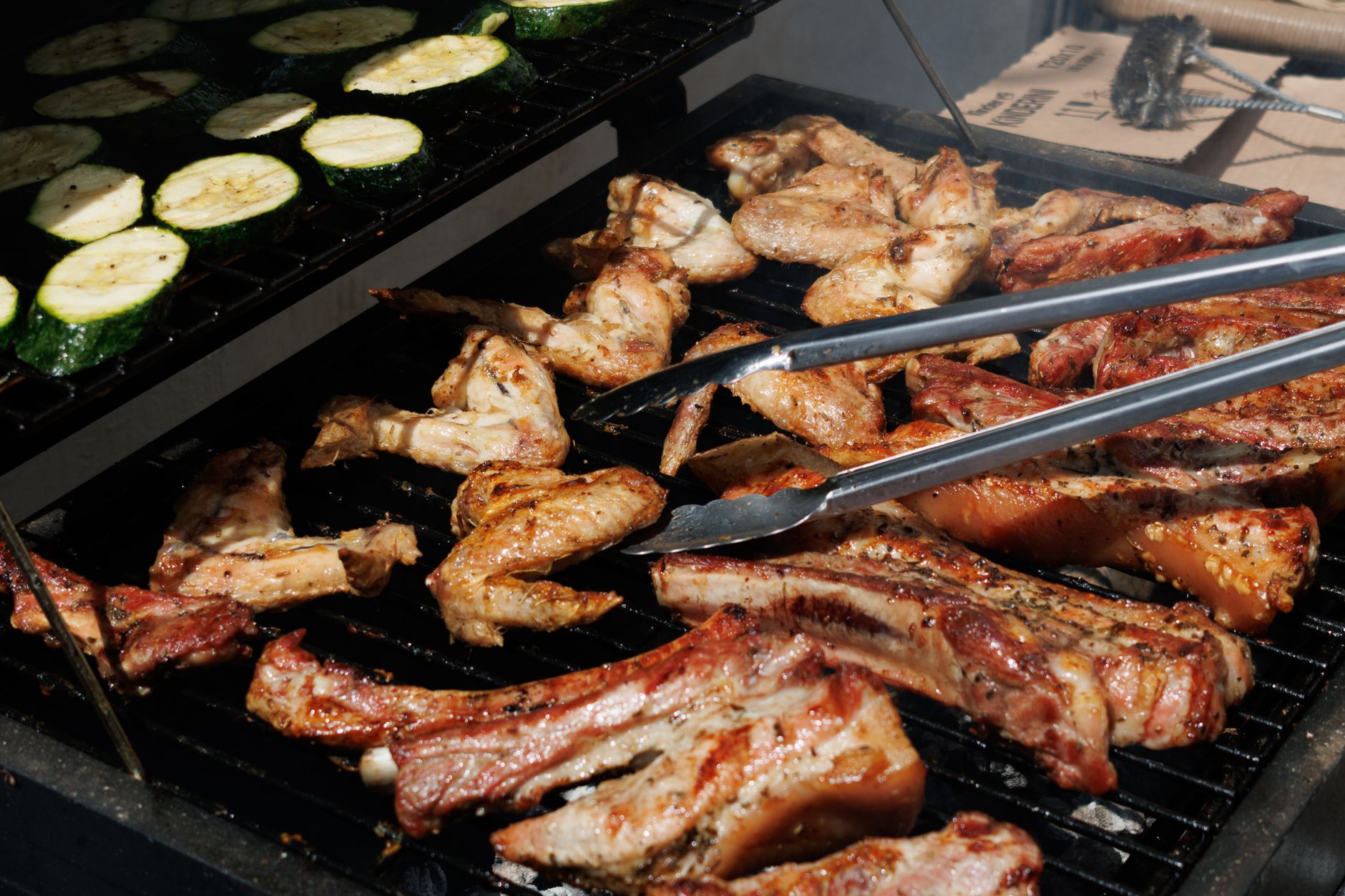
What country has the best barbecue? It's a question that sparks fierce debate, conjuring images of smoky pits, sizzling meats, and time-honored traditions. But beyond the well-trodden paths of Texas brisket or Brazilian churrasco, a world of incredible, often overlooked, barbecue artistry awaits.
True culinary adventure lies in discovering these hidden gems – places where grilling isn't just a cooking method, but a profound expression of history, geology, and local culture. Forget the tourist traps; these are the spots where the smoke tells a deeper story.
1. Earth's Embrace: The Andean Feast
Cusco Region, Peru
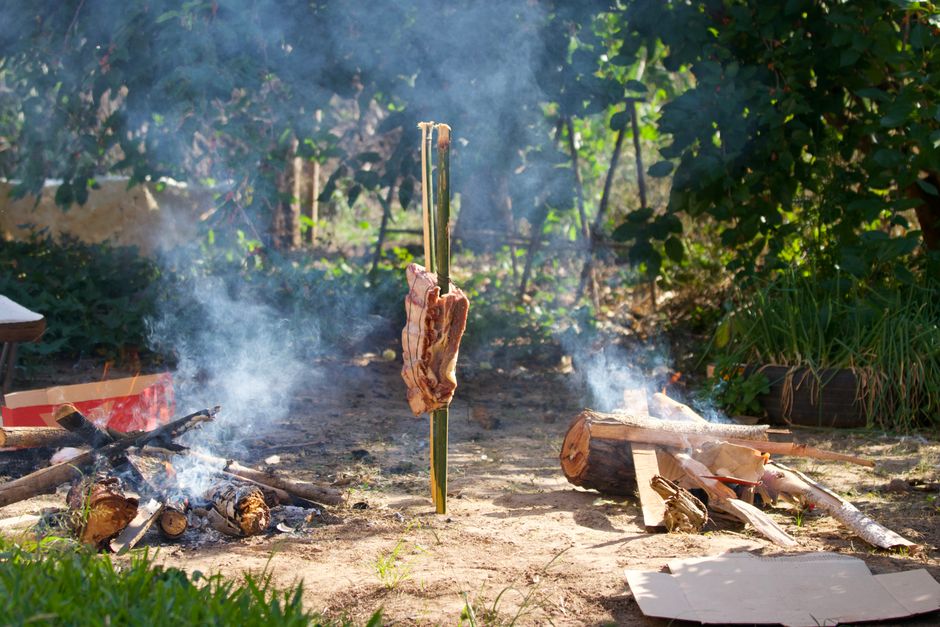
Imagine a barbecue where the oven is literally the earth beneath your feet, and hot stones do the cooking.
In the high Andes of Peru, the ancient Incan tradition of Pachamanca endures. This isn't grilling over an open flame; it's a deep pit lined with superheated river stones, where marinated meats (often lamb, pork, or alpaca), potatoes, corn, and fava beans are carefully layered. The pit is then covered with leaves and earth, allowing the food to slow-cook for hours, infusing it with an earthy steam and unique flavor born of the volcanic stones.
2. Nomadic Stones, Tender Meats
Gobi Desert, Mongolia
Picture a whole goat or marmot, cooked from the inside out using scorching hot river stones.
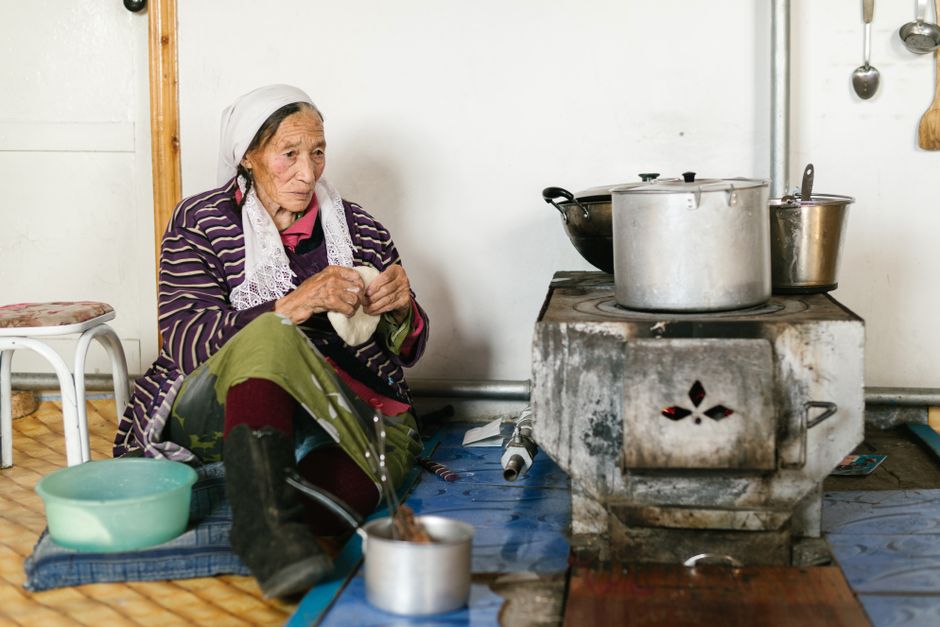
Deep in the heart of Mongolia, nomadic herders prepare Khorkhog, a primal barbecue method born of necessity and ingenuity. Meats like goat or marmot (seasonal and hunted) are chopped and placed into a large metal container along with vegetables. Crucially, pre-heated river stones, pulled directly from a roaring fire, are added directly into the pot, cooking the contents from within, sealing in juices and creating an incredibly tender dish. The stones are even passed around afterwards for their therapeutic warmth.
3. Ancient Fires of Crete
Anogia, Crete, Greece
Discover a lamb barbecue method so ancient, it's rumored to predate organized religion, cooked entirely around a central fire.
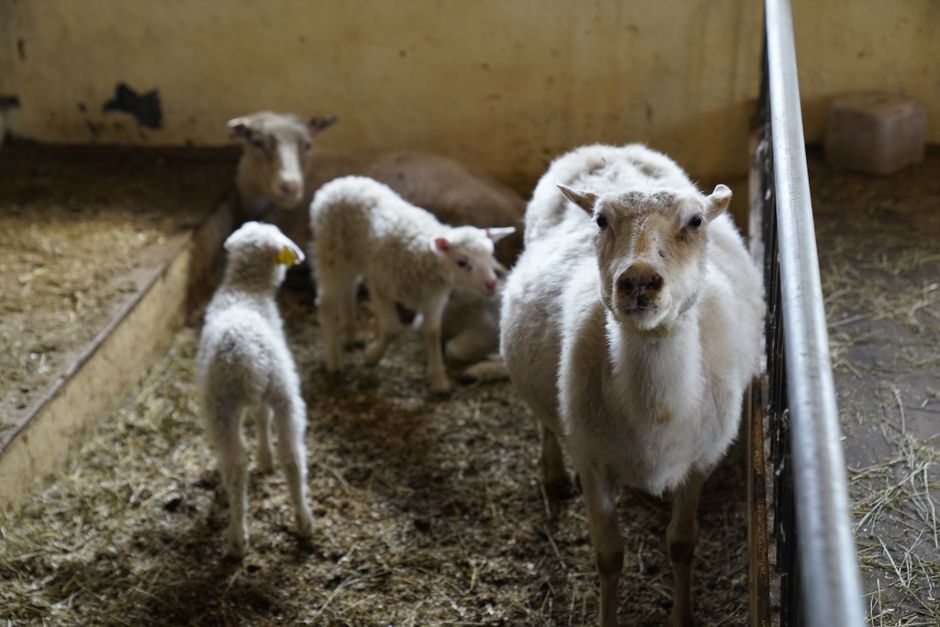
On the rugged mountains of Crete, particularly in villages like Anogia, shepherds continue the tradition of Antikristo. Whole lambs or goats are splayed open and attached to large wooden skewers, which are then arranged in a circle around a central fire. The meat cooks slowly for hours, absorbing the smoky aroma from the olive or oak wood. This method, meaning "across the fire," is a testament to centuries of pastoral life, yielding extraordinarily flavorful, tender meat with a crispy exterior.

4. Karoo's Woody Aroma
Karoo Region, South Africa
Taste lamb imbued with the unique, aromatic smoke of specific acacia wood, from a semi-desert landscape.
The vast, arid Karoo region of South Africa is synonymous with exceptional lamb, and its preparation, the "Karoo Braai," is equally distinctive. Unlike typical backyard grilling, Karoo lamb is often cooked over the embers of local acacia wood, particularly *sekeldoring* (sickle bush). This wood imparts a sweet, smoky fragrance that complements the naturally lean and flavorful Karoo lamb, often seasoned simply with salt and pepper, creating a truly regional taste experience.
5. Laurel-Skewered Flavors
Funchal, Madeira, Portugal
Experience a unique barbecue where meat isn't just skewered, but impaled on fragrant laurel branches.
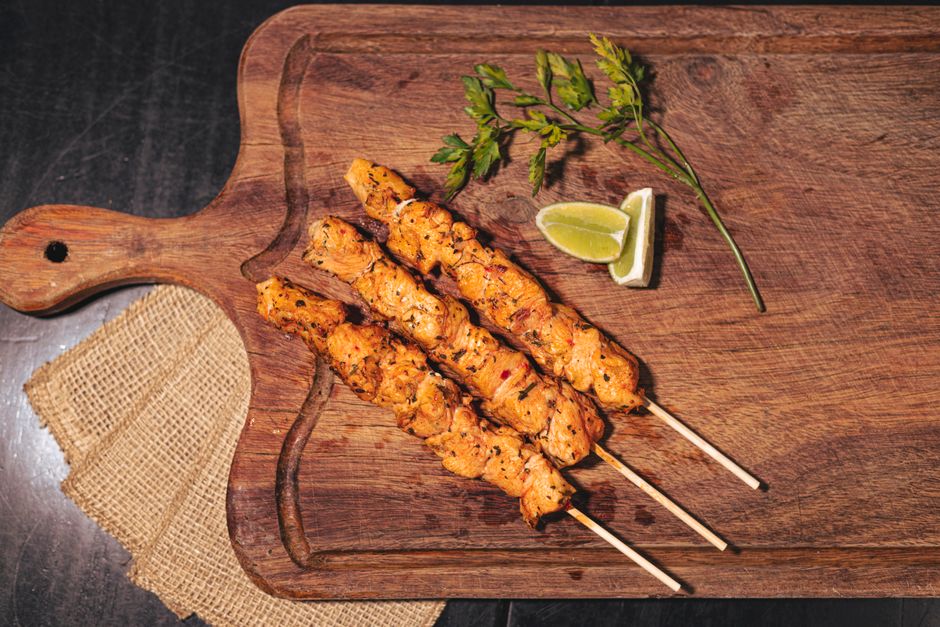
On the volcanic island of Madeira, the traditional Espetada offers a sensory journey. Chunks of beef, often rubbed with garlic and bay leaves, are impaled not on metal rods, but on fresh laurel (bay leaf) branches. These fragrant skewers are then grilled over hot coals, allowing the woody aroma of the laurel to infuse the meat as it cooks. The result is a subtly herbaceous, incredibly tender barbecue that's a cornerstone of Madeiran festive dining.

6. Hearthside History in Japan
Shirakawa-go, Gifu Prefecture, Japan
Step into a UNESCO World Heritage village where families still cook over a sunken hearth, a tradition spanning centuries.
In the remote, snow-capped villages of Shirakawa-go, famous for their unique *gassho-zukuri* (praying hands) farmhouses, traditional *irori* hearth grilling remains a living practice. These sunken hearths, central to family life for generations, are used to slowly grill local river fish like *ayu* (sweetfish) on skewers, or warm regional vegetables and stews. The continuous smoke from the *irori* also helps preserve the thatched roofs, a fascinating interplay of utility and culinary tradition.
7. Patagonian Fire Cross
Tierra del Fuego, Argentina
Witness an entire lamb splayed crucifixion-style on a metal cross, slow-roasted by an open fire for half a day.
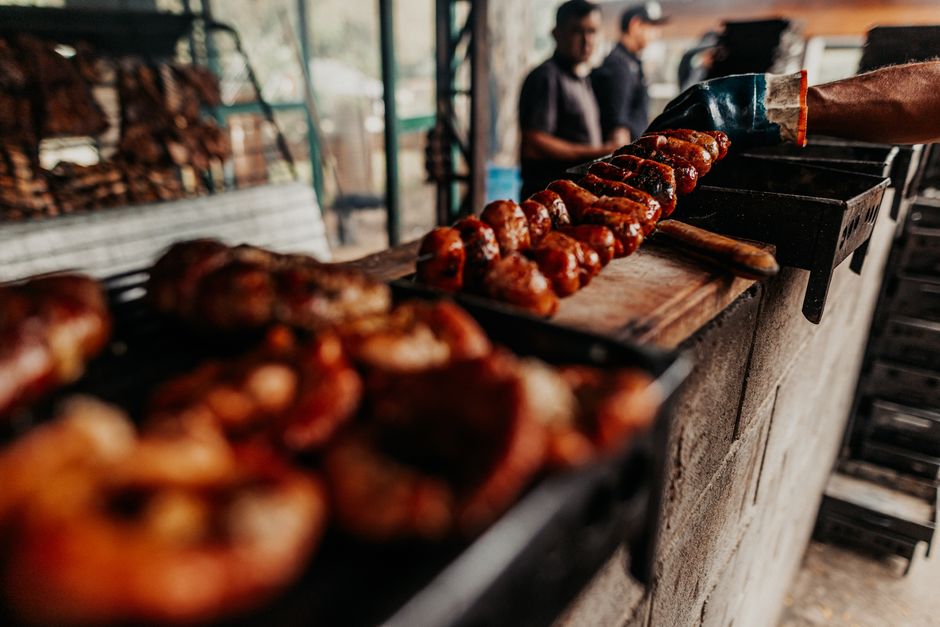
In the vast, windswept landscapes of Argentine Patagonia, *Cordero al Asador* (lamb on the cross) is an iconic spectacle. A whole lamb, or often a pig, is butterflied and meticulously secured to a large metal cross (*asador*). This cross is then staked upright around a slow-burning wood fire, allowing the meat to roast for many hours, sometimes up to six or more. The result is incredibly tender, smoky meat with a crispy exterior, a true testament to patience and the Patagonian spirit.
8. Northeast India's Smoky Depths
Kohima, Nagaland, India
Explore a unique culinary landscape where pork is traditionally smoked for days over open wood fires, then cooked with indigenous herbs.
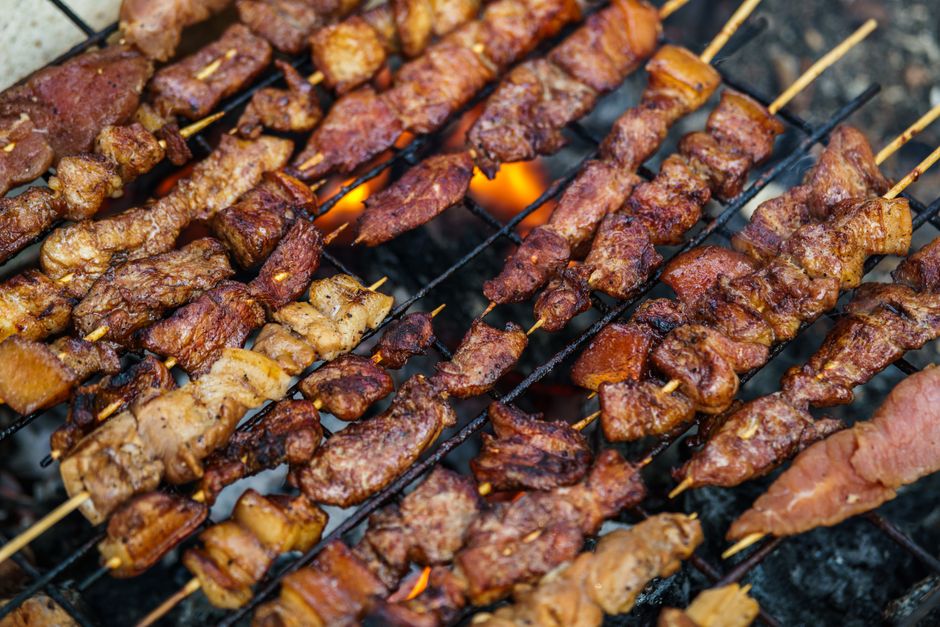
In the hilly terrain of Nagaland, Northeast India, pork holds a revered place, often prepared through a distinctive smoking process. Large cuts of pork are suspended over open wood fires, sometimes for days, imparting a deep, intense smokiness. This smoked pork is then stewed or stir-fried with a vibrant array of local ingredients like bamboo shoots, fermented soybean, and fiery Naga chilies, creating a complex flavor profile that is utterly unique to the region's tribal communities.
9. Davao's Tuna Jaw Delight
Davao City, Philippines
Discover a celebrated seafood barbecue where the often-discarded tuna jaw becomes the star, grilled to smoky perfection.
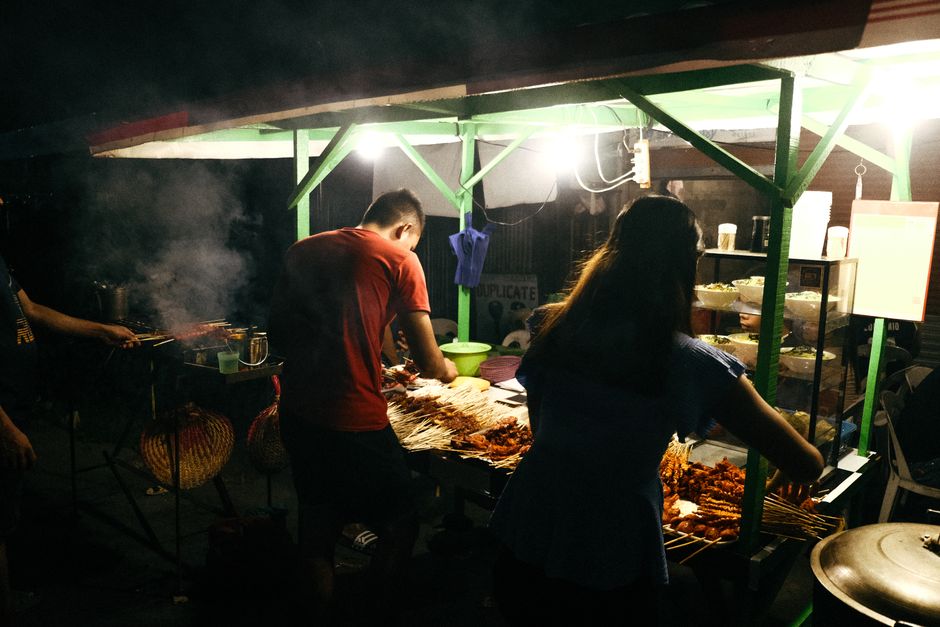
While lechon is famous in the Philippines, head to Davao City in Mindanao for a truly local barbecue experience: *Inihaw na Panga*. This dish features the large, meaty jaw of the yellowfin tuna, marinated in a blend of soy sauce, calamansi, garlic, and pepper, then grilled over hot coals until the skin is crispy and the meat is succulent. It's a beloved street food and restaurant staple, showcasing how a seemingly humble cut can become a flavorful, smoky delicacy.
Frequently asked questions
What's the difference between grilling and barbecue?
Generally, grilling refers to cooking food quickly over direct, high heat. Barbecue, however, typically involves cooking larger cuts of meat slowly over indirect, lower heat, often with smoke, for a longer period, resulting in tender, flavorful results. The terms can be used interchangeably in casual conversation, but the methods differ.
What makes barbecue traditions so different around the world?
Global barbecue traditions are shaped by local ingredients, climate, available fuel (wood types), historical cooking methods, and cultural preferences. A region's unique flora, fauna, and even geology can dictate everything from the type of meat used to the specific flavor profiles and cooking apparatus.
Is it safe to eat street food barbecue in other countries?
Many countries boast incredible street food barbecue, which can be a delicious and authentic experience. To stay safe, look for stalls with high customer turnover, fresh ingredients, and visible cooking processes. Ensure food is cooked thoroughly and served hot, and trust your gut instinct about cleanliness.
How can AllTours.ai enhance my culinary travels?
AllTours.ai is your personal AI audio tour guide. Simply point your phone camera at a landmark or landscape, and the app will narrate its history, geology, and culture in your language. Imagine discovering the story behind an ancient cooking method or the local significance of a specific ingredient as you experience it firsthand.
Related guides
Photography via Pexels. AllTours.ai is an AI audio tour guide — point your camera at any landscape and hear its story.