
July 25, 2026 · 4 min read
When you ponder what country makes the biggest amount from social media, your mind likely jumps to Silicon Valley giants or tech-savvy nations. But what if we looked at 'social media' not as algorithms and ad revenue, but as the age-old human endeavor of sharing incredible stories, captivating landscapes, and unique cultures with the world? Long before viral videos, certain places were masters of drawing attention, creating buzz, and inspiring journeys.
These are the hidden gems, the places that don't just exist but *narrate* themselves through their very fabric—their ancient stones, disappearing lakes, or vibrant traditions. They are countries that, through their sheer uniqueness and compelling tales, have always 'made money' in the currency of curiosity, drawing travelers seeking something truly different. Forget follower counts; these destinations offer unparalleled original content.

1. Where Death Smiles
Săpânța, Romania
In a small Romanian village, death is not mourned in silence but celebrated with vibrant, often humorous, painted epitaphs.
The Merry Cemetery of Săpânța defies conventional views of mortality. Each wooden cross is hand-carved and painted in vivid blue, adorned with a naive painting depicting a scene from the deceased's life or the manner of their passing. Below the image, a witty, often rhyming epitaph recounts their story, their flaws, or their favorite joke, turning grief into a colorful, public celebration of life.
2. The First Free Town
San Basilio de Palenque, Colombia
This isolated village in Colombia was the first free slave town in the Americas, preserving a unique language and vibrant African heritage.
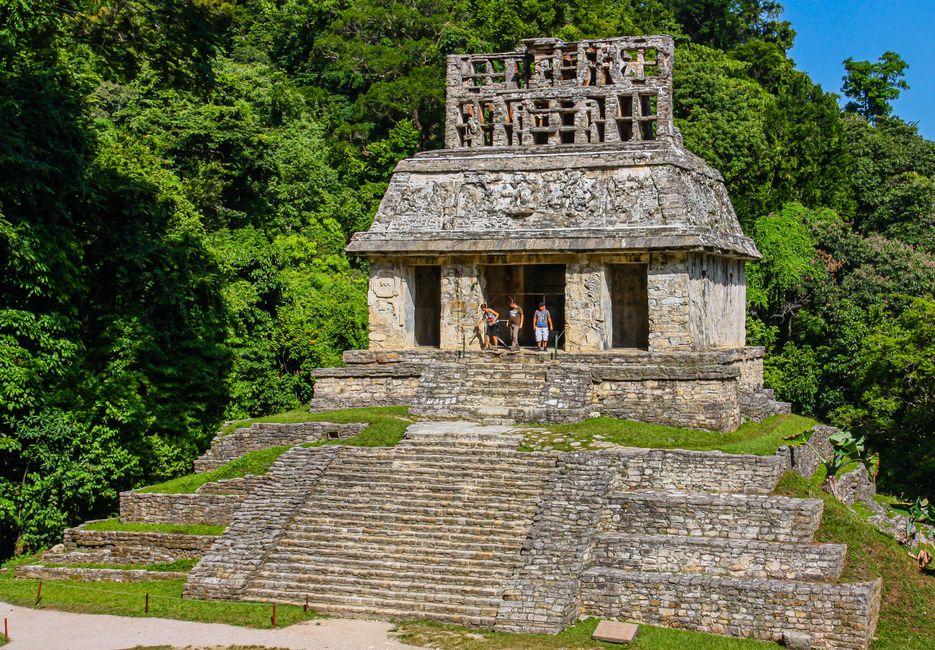
Founded in the 17th century by escaped slaves (cimarrones), San Basilio de Palenque became a sanctuary where African traditions, music, and language flourished independently. Its inhabitants developed Palenquero, the only Spanish-based creole language in Latin America, and maintained rich cultural practices like the Lumbalú funeral rites. Visiting Palenque offers a rare glimpse into a living legacy of resistance and resilience, far from mainstream Colombian tourism.
3. Japan's Hidden Vine Bridges
Iya Valley, Shikoku, Japan
Deep in Japan's mountains, ancient vine bridges sway over gorges, once the only access to remote villages of samurai refugees.
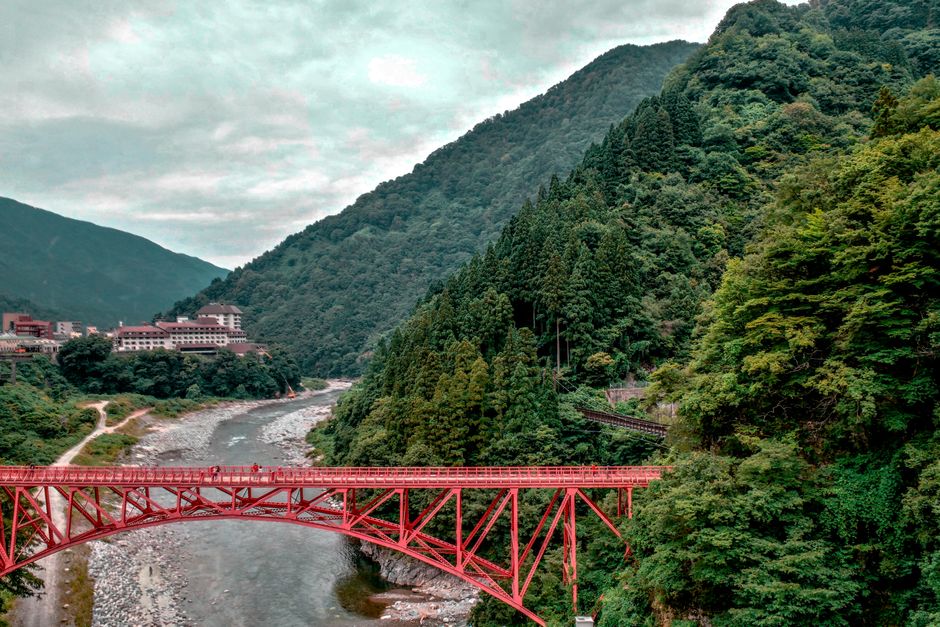
The secluded Iya Valley in Tokushima Prefecture, Shikoku, is famed for its three remaining *Kazurabashi* (vine bridges), woven from actinidia vines and planks. Legend says these bridges were first built by the defeated Heike clan warriors seeking refuge in the valley, designed to be easily cut down to thwart pursuers. Today, traversing these creaking, primitive crossings offers a breathtaking, slightly terrifying, connection to Japan's ancient, hidden past.
4. The Hyena Men of Harar
Harar Jugol, Ethiopia
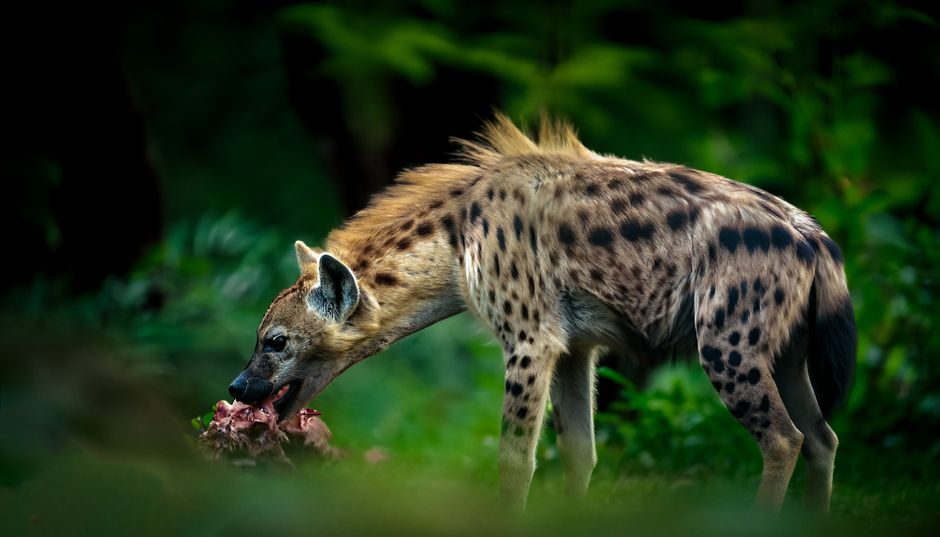
Within this ancient walled city, a nightly tradition sees local men hand-feeding wild hyenas at its gates.
Harar Jugol, a UNESCO World Heritage site and one of Islam's holiest cities, is a labyrinth of narrow alleys and vibrant markets. But its most astonishing spectacle unfolds after dark: the "Hyena Men" of Harar. For generations, these men have maintained a unique bond with the wild spotted hyenas that roam outside the city walls, luring them with meat scraps and hand-feeding them, a practice believed to protect the city from the predators.
5. Portugal's Stone Heart
Aldeias do Xisto, Central Portugal
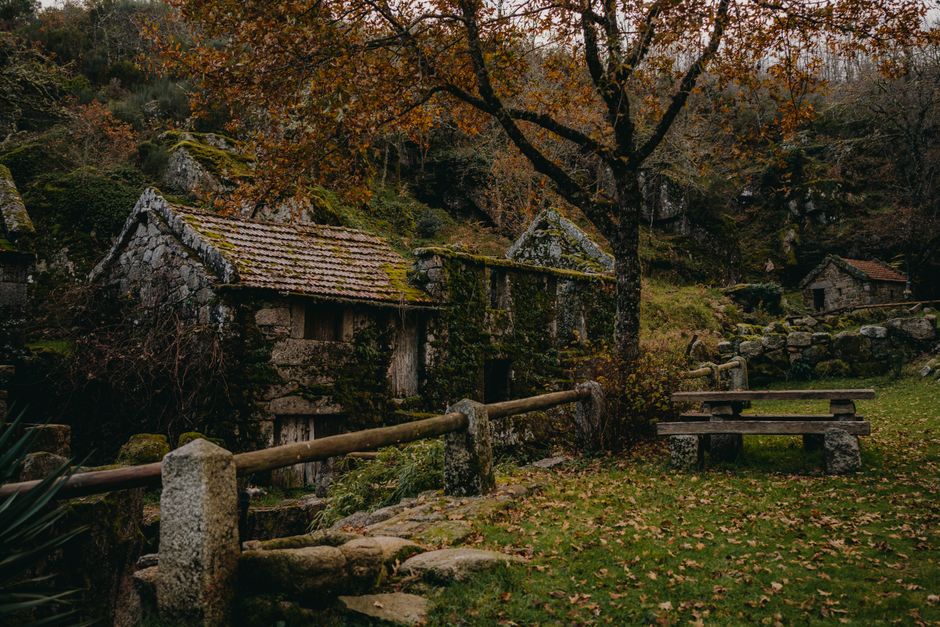
Scattered across central Portugal, these remote villages are entirely built from dark schist rock, preserving a timeless way of life.
The Aldeias do Xisto (Schist Villages) are a network of over two dozen rural communities nestled in the Serra da Lousã and other central Portuguese mountain ranges. These villages are architectural marvels, with every house, wall, and street constructed from the region's characteristic dark schist stone. They offer a window into a bygone era, where traditional crafts, cuisine, and a deep connection to nature still define daily existence, far from the bustling coast.
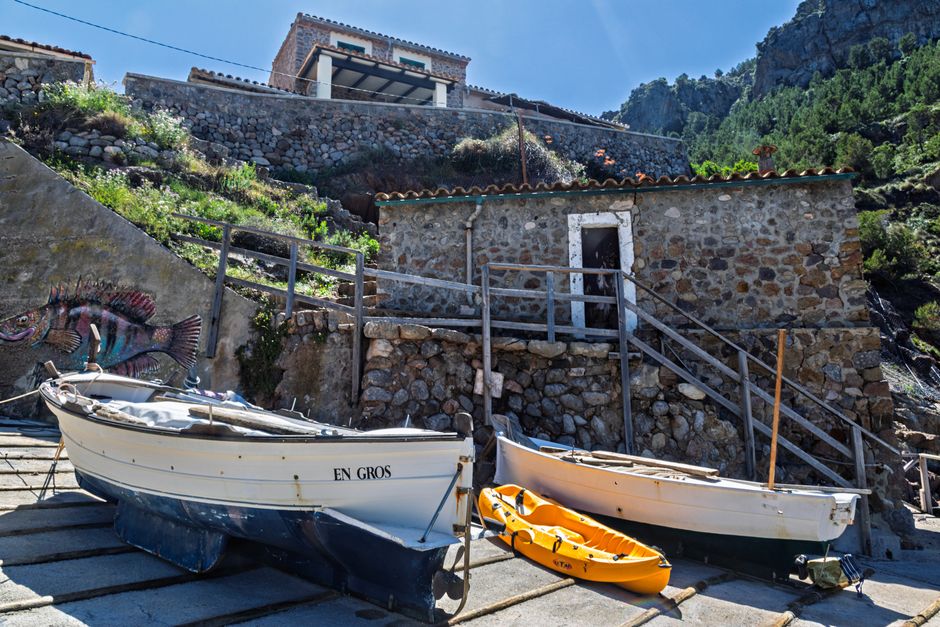
6. Island of Stilted Churches
Chiloé Island, Chile
This misty Chilean island is famous for its colorful wooden stilt houses and unique churches, built entirely without nails.
Chiloé Island, off Chile's Pacific coast, is a realm of distinct culture and folklore, separate from the mainland. Its most striking features are the *palafitos* – brightly painted wooden houses built on stilts over the water – and its collection of over 70 UNESCO-listed wooden churches. These magnificent churches, constructed by Jesuit missionaries using intricate joinery techniques without a single nail, reflect a unique blend of indigenous Huilliche and European architectural styles.
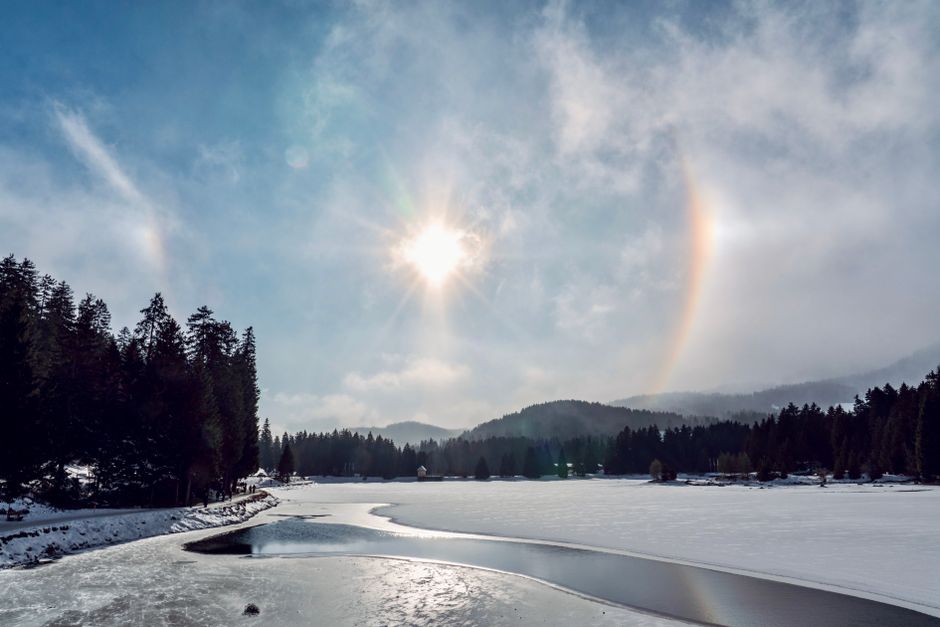
7. Europe's Disappearing Lake
Lake Cerknica, Slovenia
In Slovenia, a vast lake vanishes completely for months, then reappears, a natural phenomenon central to ancient local legends.
Lake Cerknica is an intermittent lake, one of Europe's largest, renowned for its dramatic seasonal changes. During dry periods, the lakebed transforms into a lush field or marshland, used for farming and grazing. Then, with heavy rainfall, underground springs and sinkholes replenish it, bringing back a sprawling lake. This incredible hydrological cycle has inspired countless local myths about water spirits and hidden passages, making it a truly unique natural wonder.
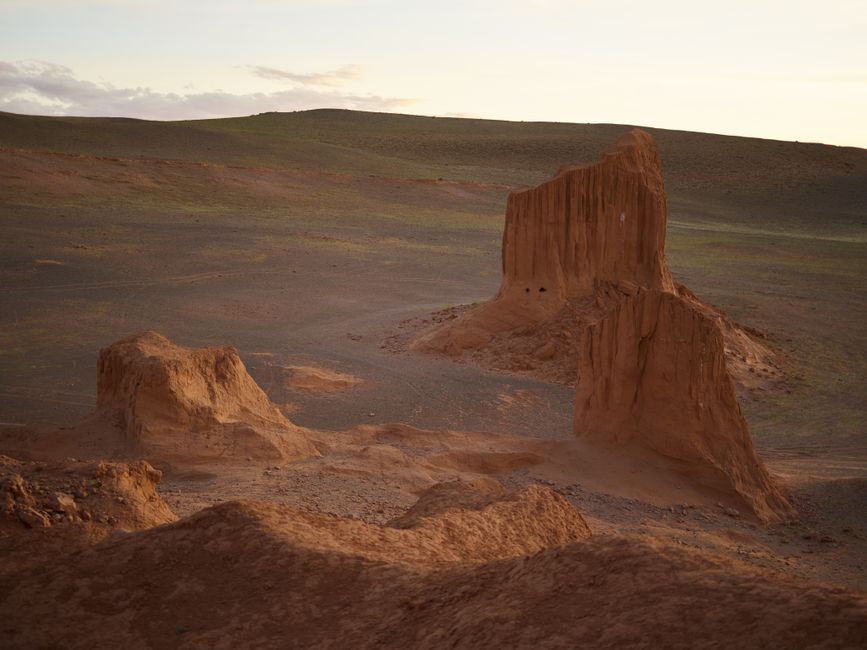
8. The Desert's Sand Castles
Shahdad Desert, Kerman Province, Iran
In one of the world's hottest deserts, colossal wind-carved 'sand castles' rise from the landscape, forming a fantastical city of natural architecture.
The Kaluts are massive natural rock formations in the Shahdad Desert, part of Iran's Lut Desert, one of the hottest places on Earth. Formed over millennia by extreme wind erosion, these towering, often mushroom-shaped structures create an otherworldly landscape resembling a colossal, uninhabited city. Exploring the Kaluts feels like stepping onto another planet, a testament to the raw, sculptural power of natural forces in an environment few ever experience.
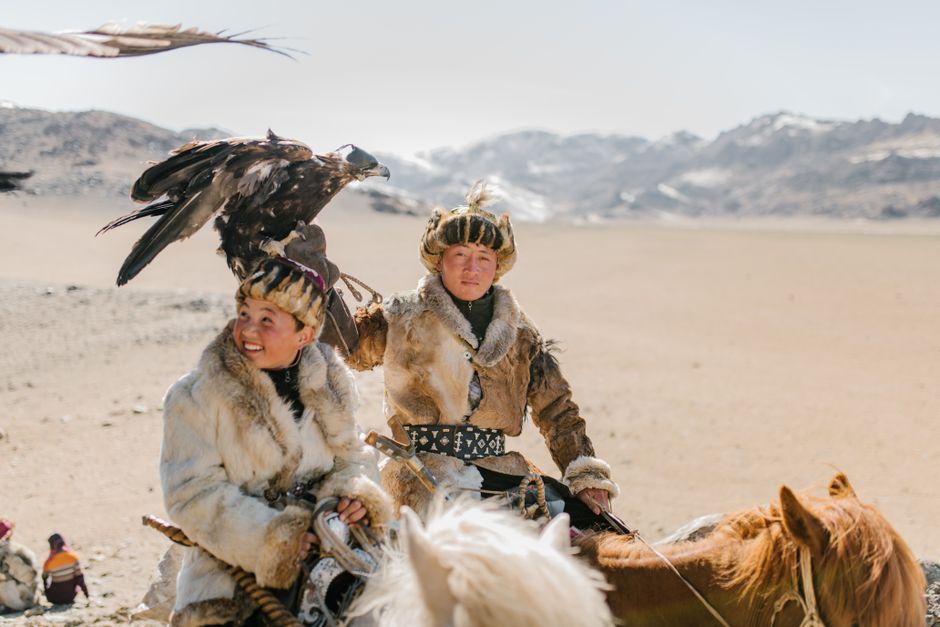
9. Nomads of the Golden Eagle
Altai Mountains, Bayan-Ölgii Province, Mongolia
In remote western Mongolia, Kazakh nomads continue an ancient tradition of hunting with trained golden eagles.
High in the Altai Mountains of Bayan-Ölgii, the Kazakh eagle hunters maintain a breathtaking ancestral practice passed down through generations. These skilled horsemen forge a profound bond with their golden eagles, training them from a young age to hunt foxes and marmots across the vast, frozen steppes. Witnessing this tradition is a rare insight into a resilient nomadic culture, deeply connected to its land and its magnificent predatory partners.
Frequently asked questions
How can I discover truly unique places off the beaten path?
Researching local blogs, historical societies, and niche travel forums can reveal hidden gems. Look for places known for specific geological features, obscure historical events, or unique cultural practices rather than general attractions. Engaging with local guides upon arrival often uncovers the most authentic experiences.
What should I consider when planning a trip to a remote destination?
Prioritize logistics like transportation, accommodation, and communication. Many remote areas have limited infrastructure, so booking ahead and understanding local customs is crucial. Pack essentials like first-aid, appropriate clothing for varying conditions, and be prepared for potential language barriers.
Are lesser-known travel destinations generally safe for tourists?
Safety in lesser-known destinations varies greatly by region, just like popular ones. While they might lack the visible tourist police or infrastructure of major hubs, many are incredibly welcoming and safe. Always check current travel advisories, respect local customs, and exercise common sense, just as you would anywhere else.
How does AllTours.ai help me explore the stories of these places?
AllTours.ai transforms your smartphone into an AI audio tour guide. Simply point your camera at any landmark or landscape, and the app instantly narrates its history, geology, and cultural significance in your preferred language. It's like having a local expert by your side, unveiling the specific, vivid stories of even the most obscure locations.
Related guides
Photography via Pexels. AllTours.ai is an AI audio tour guide — point your camera at any landscape and hear its story.