
September 5, 2026 · 4 min read
Lake Ontario is a familiar name on any map, a vast freshwater sea bordering two nations. For many, it's a blue expanse, a backdrop to major cities and well-trodden tourist paths. But what do Canada and other countries truly see when they zoom in on its shores? What untold stories, forgotten histories, and surprising natural wonders lie just beyond the surface?
Beyond the obvious landmarks, Lake Ontario's perimeter is a tapestry woven with fascinating, often overlooked details. From ancient geological formations to pivotal historical battlegrounds and charming local secrets, the lake holds a wealth of experiences for those willing to look a little closer. Join us as we uncover some of its most compelling, lesser-known gems.

1. The Nickel Carousel
Port Dalhousie, St. Catharines, Ontario, Canada
Step back in time on Canada's oldest operating carousel, where a ride still costs just five cents.
This hand-carved, antique carousel has been delighting riders since 1905. Built by the Charles I. D. Looff company, it features 68 intricate animals and two chariots, each a work of art. Maintained with meticulous care, the carousel offers a rare, tangible link to early 20th-century amusement. Its enduring five-cent fare is a beloved local tradition, making it an accessible piece of living history.
2. Glacial Footprints
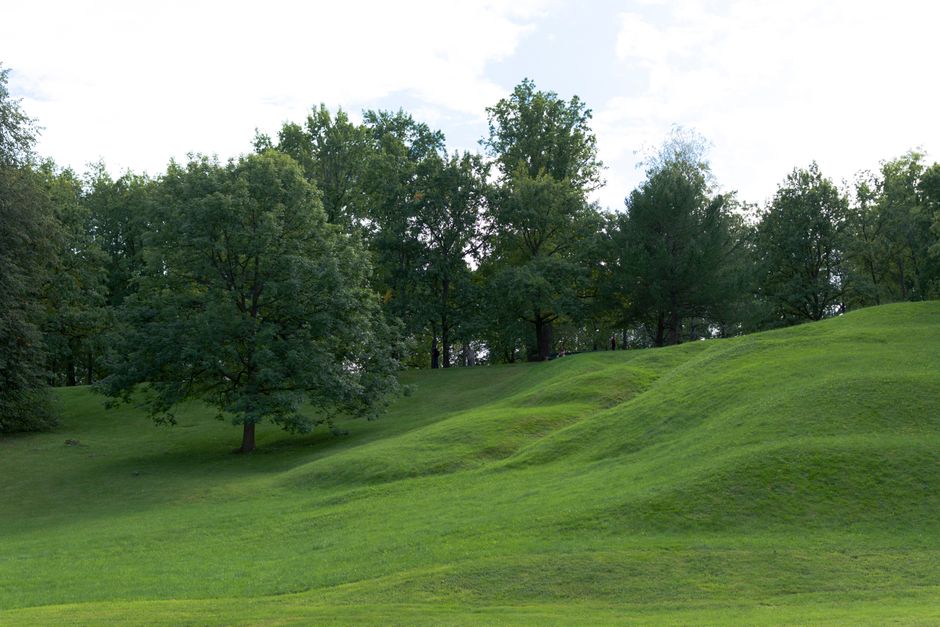
Webster Park, Rochester, NY, USA
Discover hills here that are not natural rises, but ancient fingerprints left by colossal glaciers.
Webster Park, along Lake Ontario's southern shore, is a prime location to witness drumlins, elliptical hills sculpted by the immense weight and movement of continental glaciers thousands of years ago. These streamlined formations, composed of glacial till, clearly indicate the direction of the ice flow. They offer a tangible connection to the powerful, ancient forces that profoundly shaped the landscape of the Great Lakes region.
3. War of 1812's Lake Ontario Stronghold
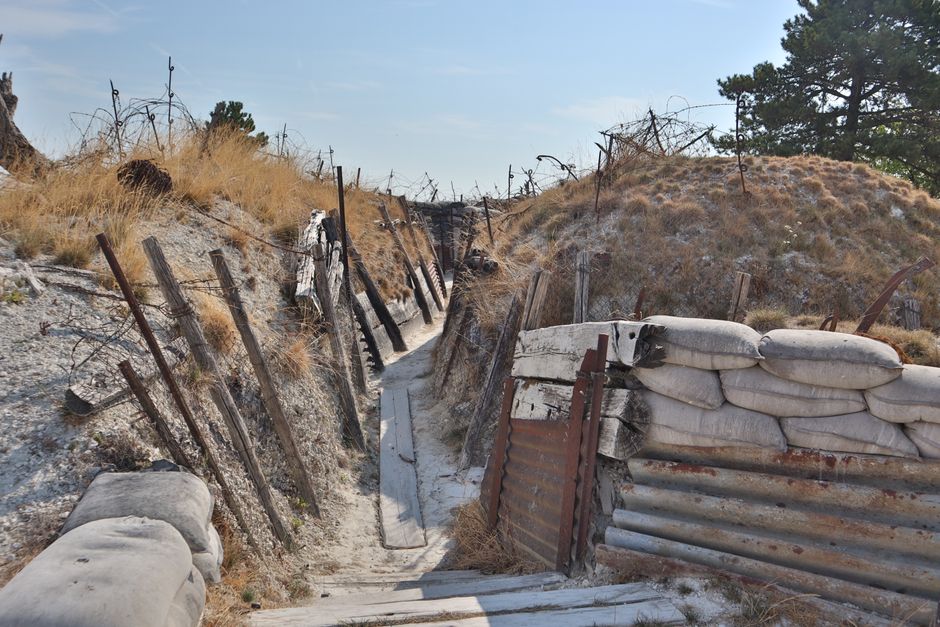
Sackets Harbor, NY, USA
This tranquil village was the pivotal naval battleground for control of Lake Ontario during the War of 1812.
Sackets Harbor served as the strategic primary naval station for the United States on Lake Ontario during the War of 1812. It was the site of two significant engagements: in 1813, American forces successfully repelled a British attack, and a smaller skirmish occurred in 1814. The meticulously preserved battlefield and historic village buildings offer a stark, vivid reminder of the fierce struggle for naval dominance over the Great Lakes.
4. The Great Lakes' Migratory Funnel
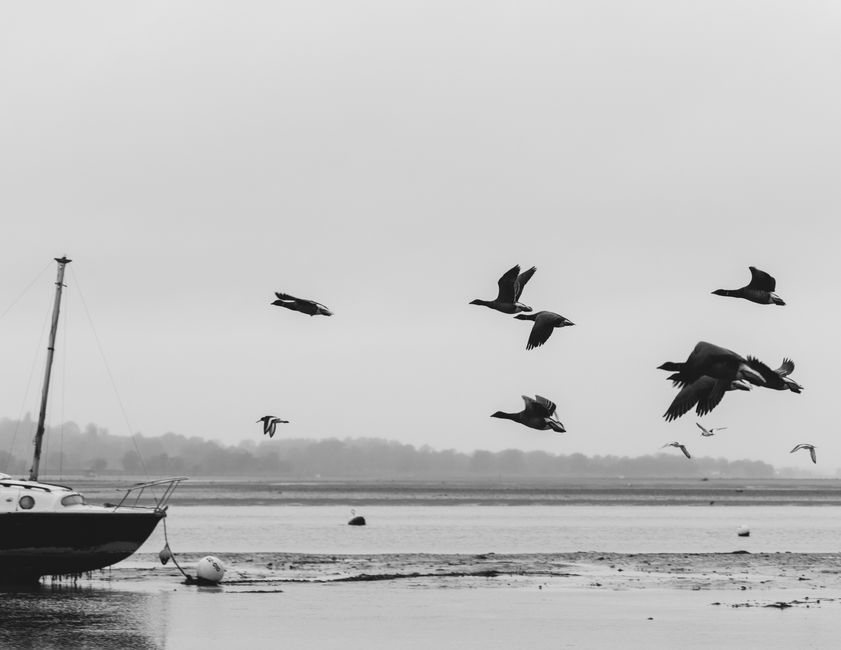
Braddock Bay Wildlife Management Area, Hilton, NY, USA
Millions of migratory birds, including rare raptors, funnel through this one spot on their annual journey across Lake Ontario.
Braddock Bay, a drowned river mouth on Lake Ontario's southern shore, creates diverse and critical wetland habitats. Its unique geographical position acts as a natural funnel for birds migrating across the lake, concentrating vast numbers of waterfowl, shorebirds, and especially raptors like hawks and eagles. This annual spectacle makes it an internationally recognized birding hotspot, drawing observers from around the globe.
5. The Crescent Beach and Bird Colonies
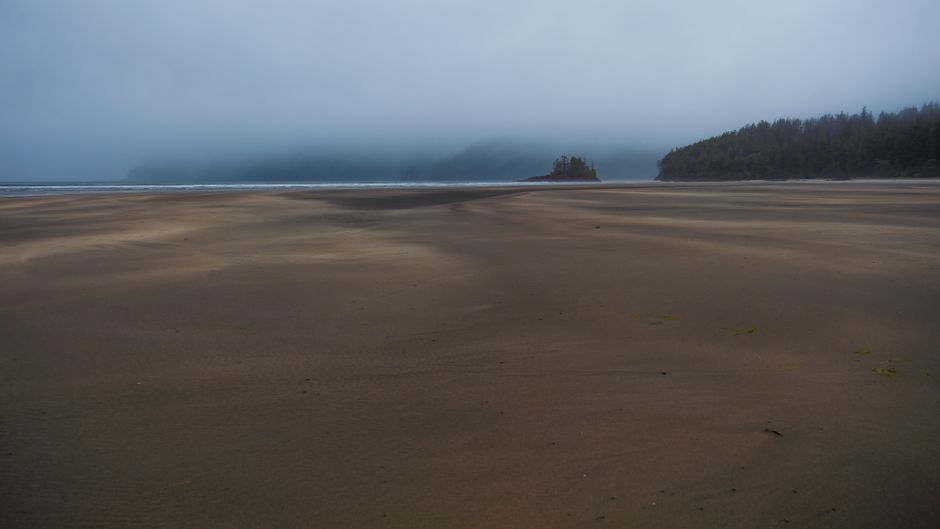
Presqu'ile Provincial Park, Brighton, Ontario, Canada
This peninsula boasts a rare crescent-shaped beach and hosts one of the largest colonial waterbird nesting sites on the Great Lakes.
Presqu'ile, meaning "almost an island" in French, is a distinctive peninsula extending into Lake Ontario. Its iconic crescent-shaped beach is a fascinating geological feature, meticulously shaped by prevailing lake currents and winds. Beyond its unique shoreline, the park is renowned for hosting vast colonies of cormorants, gulls, and terns, making it a critical biodiversity hotspot and a significant nesting ground for waterbirds on the Great Lakes.
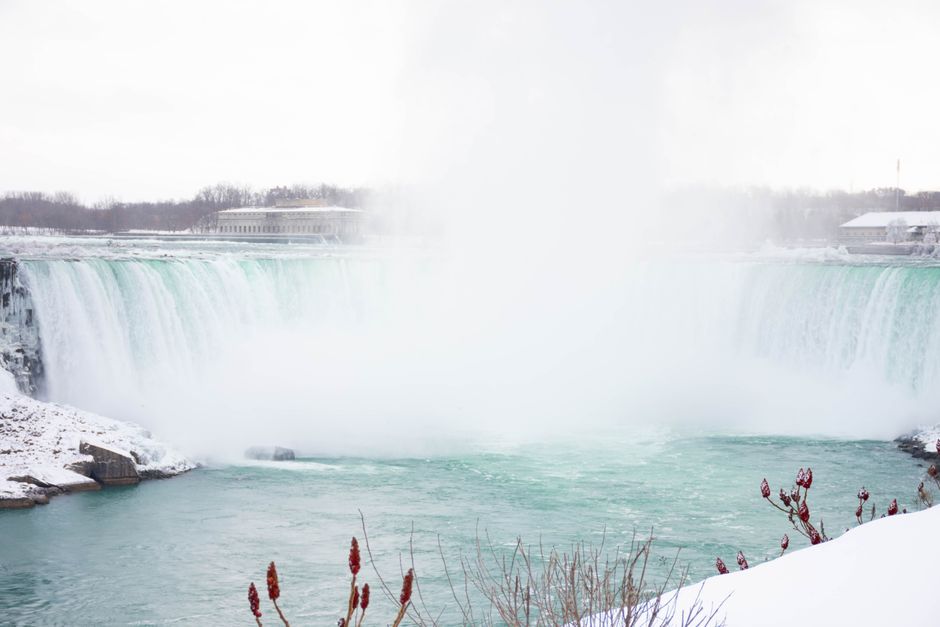
6. A Fort of Three Flags
Fort Niagara State Park, Youngstown, NY, USA
This commanding fort has been under French, British, and American rule, making it one of North America's longest continuously occupied military sites.
Old Fort Niagara, strategically positioned at the mouth of the Niagara River on Lake Ontario, possesses a history spanning over 300 years. Originally constructed by the French in the 1720s, it was later captured by the British during the French and Indian War, and eventually became an American possession. The fort's multiple flags symbolize the shifting colonial powers and its enduring, critical role in controlling access to the Great Lakes and inland territories.
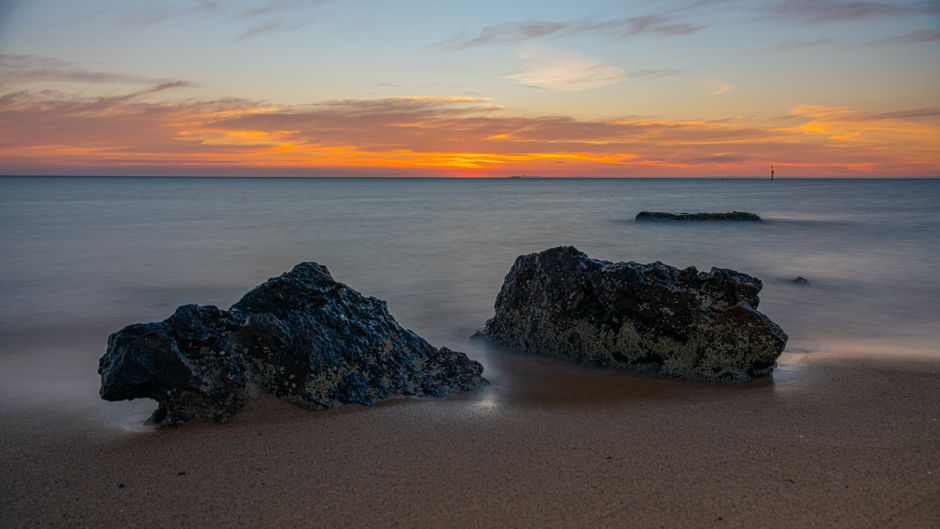
7. The Hamptons of Ontario
Cobourg, Ontario, Canada
This picturesque town boasts a pristine beach with sand imported from Lake Huron, earning it the nickname "The Hamptons of Ontario."
Cobourg, a charming town nestled on Lake Ontario's northern shore, is celebrated for its beautiful waterfront and elegant Victorian architecture. Its popular Victoria Park Beach features soft, golden sand, which was actually brought in from Lake Huron to enhance the shoreline, a testament to local pride and vision. The town's iconic heritage pier, complete with a historic lighthouse, extends into the lake, offering stunning panoramic views and a tangible link to its maritime past.
Frequently asked questions
What makes Lake Ontario unique among the Great Lakes?
Lake Ontario is the smallest in surface area among the Great Lakes, yet it has the second-deepest average depth. It's also the only one that doesn't border Michigan, and its outflow forms the initial stretch of the St. Lawrence River, connecting the Great Lakes to the Atlantic Ocean.
Are there any unusual geological features around Lake Ontario?
Yes, the region is rich with glacial remnants from the last Ice Age. Areas like Webster Park near Rochester feature numerous drumlins, elongated hills sculpted by ancient glaciers. The Niagara Escarpment, a UNESCO Biosphere Reserve, also runs along its western edge, showcasing dramatic geological formations.
What historical events shaped the Lake Ontario region?
The lake was a crucial transportation route for Indigenous peoples for millennia, then became a significant battleground during the War of 1812, with sites like Sackets Harbor and Fort Niagara playing pivotal roles. Its shores also saw considerable industrial development, shipbuilding, and the rise of major port cities, connecting trade routes across the continent.
How can AllTours.ai help me explore Lake Ontario's hidden stories?
AllTours.ai brings the lake's rich history, geology, and culture to life in an engaging way. Simply point your phone camera at a landmark, a natural feature, or a specific landscape along Lake Ontario's shores, and the app will instantly narrate its fascinating story in your preferred language, revealing details and insights you might otherwise miss.
Related guides
Photography via Pexels. AllTours.ai is an AI audio tour guide — point your camera at any landscape and hear its story.