July 22, 2026 · 4 min read
Beyond the clichés of fish and chips, croissants, and sausages, lies a rich tapestry of flavors and stories across Britain, France, and Germany. Each country boasts a culinary heritage deeply intertwined with its landscape, history, and people, offering far more than what typically graces tourist menus.
Join us on a journey to uncover the hidden gems and surprising tales behind some of Europe's most intriguing dishes. We're venturing past the well-trodden paths to explore specific, real places where food tells a unique story, sparking curiosity about the local culture and the land itself.
1. Stargazy Pie: A Cornish Hero's Feast
Mousehole, Cornwall, United Kingdom
Discover the pie where pilchard heads stare skyward, a culinary tribute to a storm-braving fisherman.
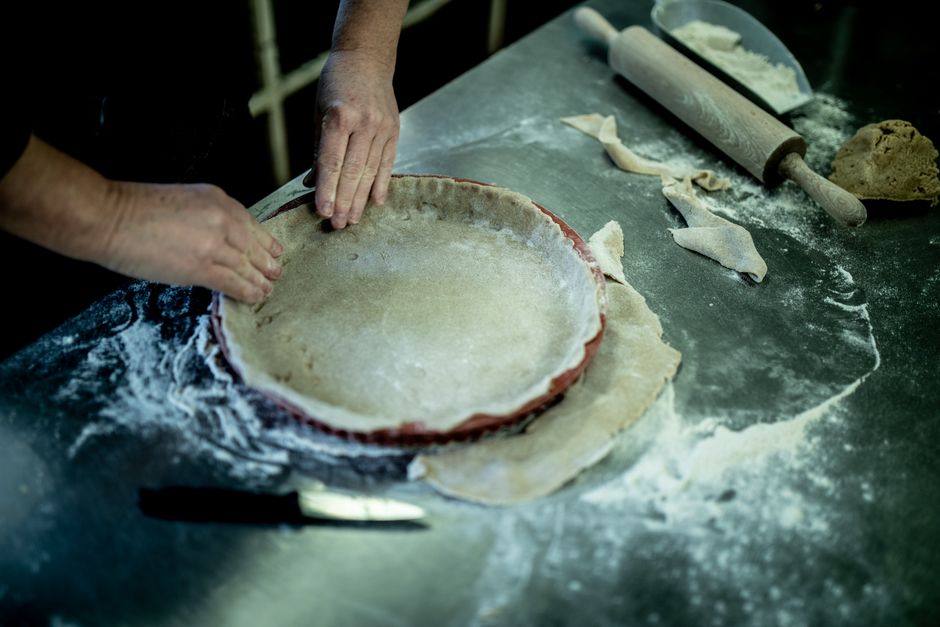
Legend tells of Tom Bawcock, a 16th-century Mousehole fisherman who, during a harsh winter storm, risked his life to bring home a catch. To feed his starving village, he baked all seven types of fish he caught into a single pie, famously arranging their heads to peek through the crust. This Stargazy Pie, with its distinctive pilchard 'gaze', is now celebrated every Tom Bawcock's Eve on December 23rd, keeping a brave local story alive.
2. Bakewell Pudding: The Happy Accident
Bakewell, Derbyshire, United Kingdom
Uncover the sweet tale of a kitchen mishap that created a celebrated dessert distinct from its famous tart cousin.
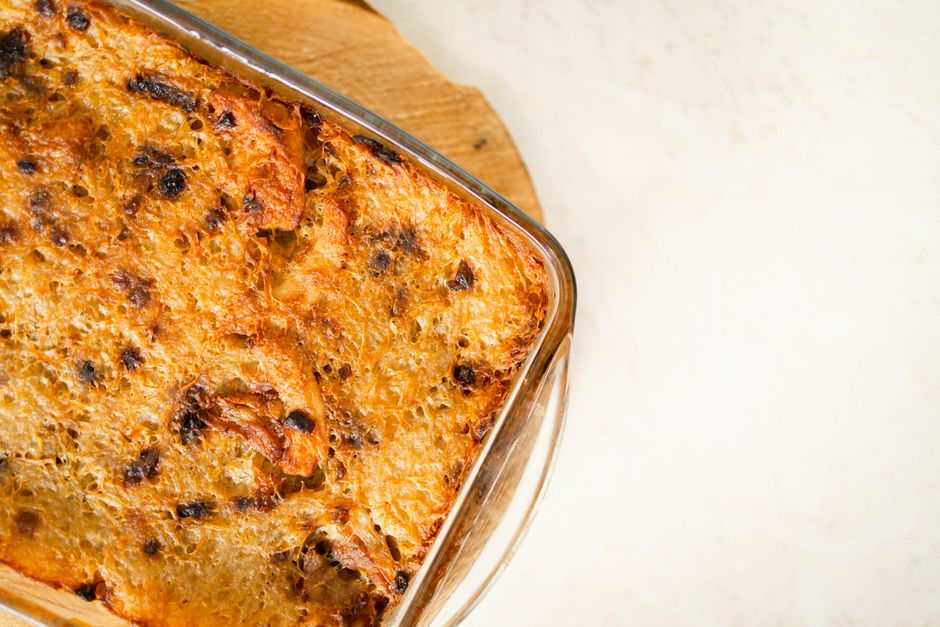
Forget the Bakewell Tart; the original Bakewell Pudding was born from a fortunate kitchen accident in the 1860s at the Rutland Arms Inn. A cook, misunderstanding instructions for a jam tart, spread the egg and almond paste over the jam instead of mixing it into the pastry. The result was a unique, fluffy, and rich pudding that instantly became a local sensation, celebrated for its unique texture and origin story.
3. Bury Black Pudding: An Ancient Bloodline
Bury, Lancashire, United Kingdom
Explore the surprising Roman roots and protected status of a robust sausage that fueled industrial Lancashire.
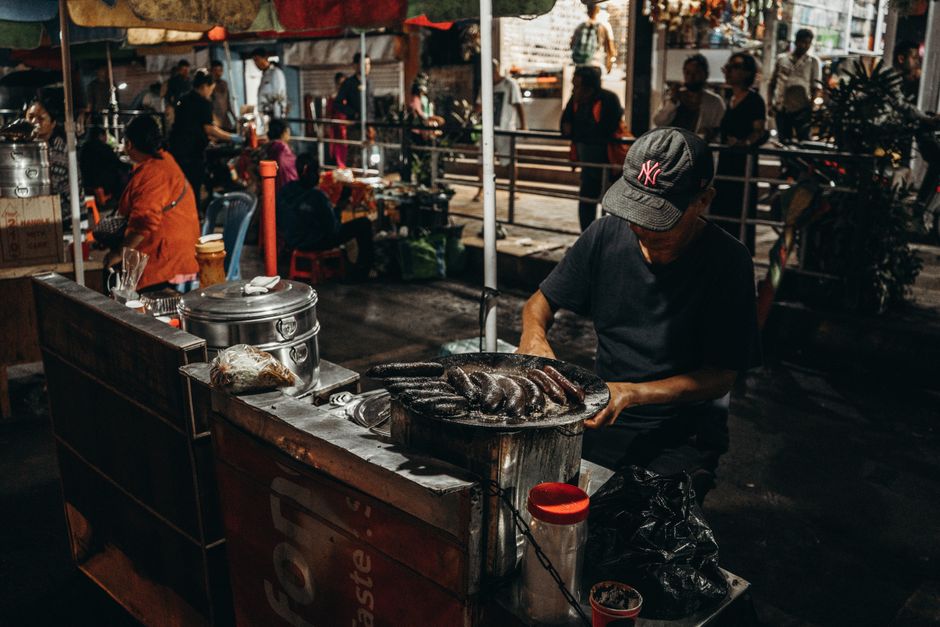
Bury's Black Pudding is more than just a breakfast item; it's a culinary artifact with a history possibly stretching back to Roman times. This dense, savory blood sausage, made with oatmeal or barley, became a staple for the hard-working mill workers of Lancashire. Today, it holds Protected Geographical Indication status, ensuring that only black puddings made in Bury to traditional methods can bear the name, a testament to its enduring local heritage.
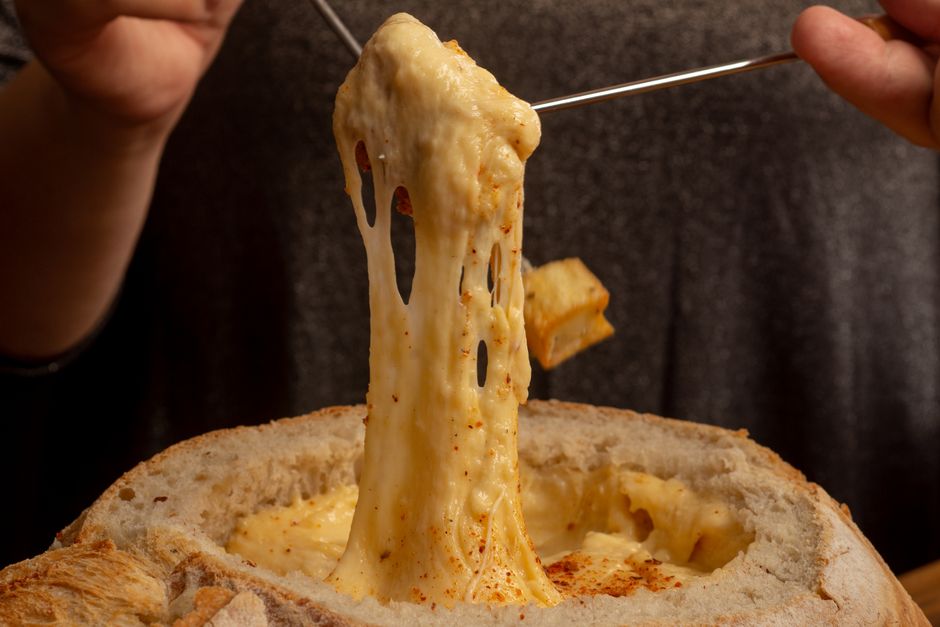
4. Aligot: The Pilgrim's Cheesy Stretch
Aubrac, Massif Central, France
Trace the origins of a mesmerizingly stretchy potato and cheese dish from medieval pilgrimage routes.
In the remote Aubrac region, high in the Massif Central, lies the heart of Aligot. This incredibly stretchy blend of mashed potatoes, garlic, and Tomme de Laguiole cheese was originally a sustenance dish prepared by monks for pilgrims traversing the Way of St. James. The vigorous stirring required to achieve its characteristic elasticity makes it a spectacle, a warm, comforting reminder of ancient hospitality and the rugged landscape.
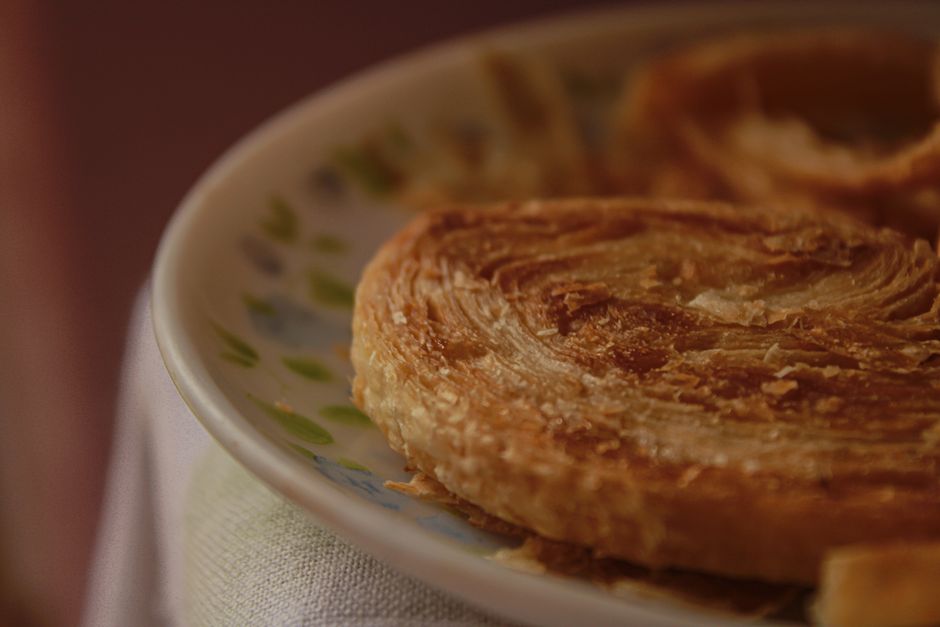
5. Kouign-amann: Brittany's Butter King
Douarnenez, Brittany, France
Discover the "butter cake" born from a 19th-century baker's ingenious solution to a flour shortage.
The Kouign-amann, or "butter cake," is a masterpiece of flaky, caramelized deliciousness from Douarnenez in Brittany. Legend has it that in the 1860s, a local baker faced a flour shortage but had an abundance of butter and sugar. He improvised, creating a layered dough with a high butter-to-flour ratio, folding and baking it to create a dense, sweet pastry with a crisp, sugary crust. It's a testament to Breton resourcefulness and love for butter.
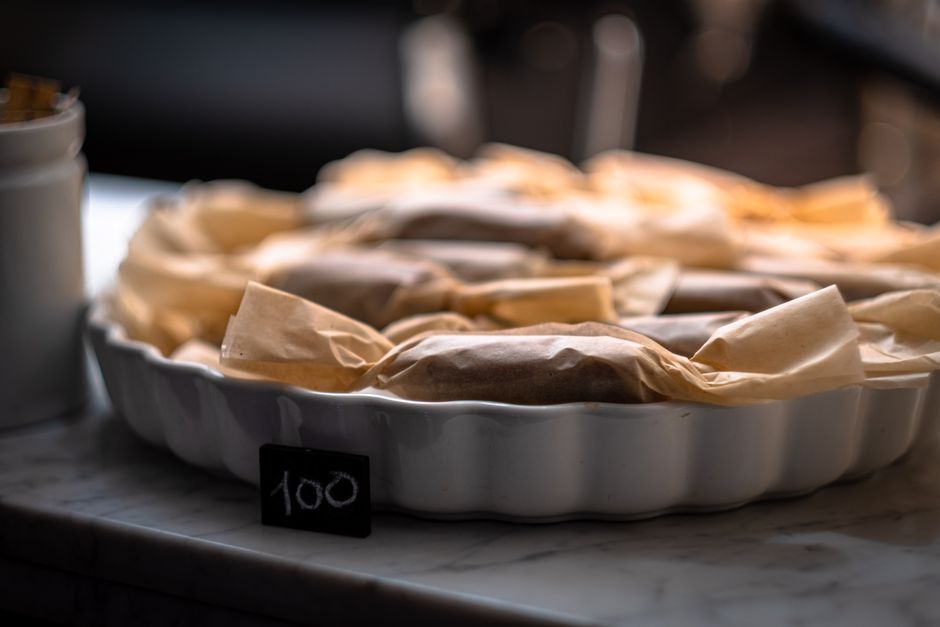
6. Calissons d'Aix: A Royal Wedding Sweet
Aix-en-Provence, France
Taste the almond and candied melon confection said to have brought a smile to a 15th-century queen's face.
These delicate, diamond-shaped sweets from Aix-en-Provence are steeped in royal romance. Legend claims they were first made in 1473 for the wedding of King René of Anjou to Jeanne de Laval, to lift the spirits of his melancholic bride. Made from a paste of finely ground almonds, candied melon, and orange peel, set on a thin wafer and topped with royal icing, Calissons are a sweet symbol of Provençal tradition and joy.
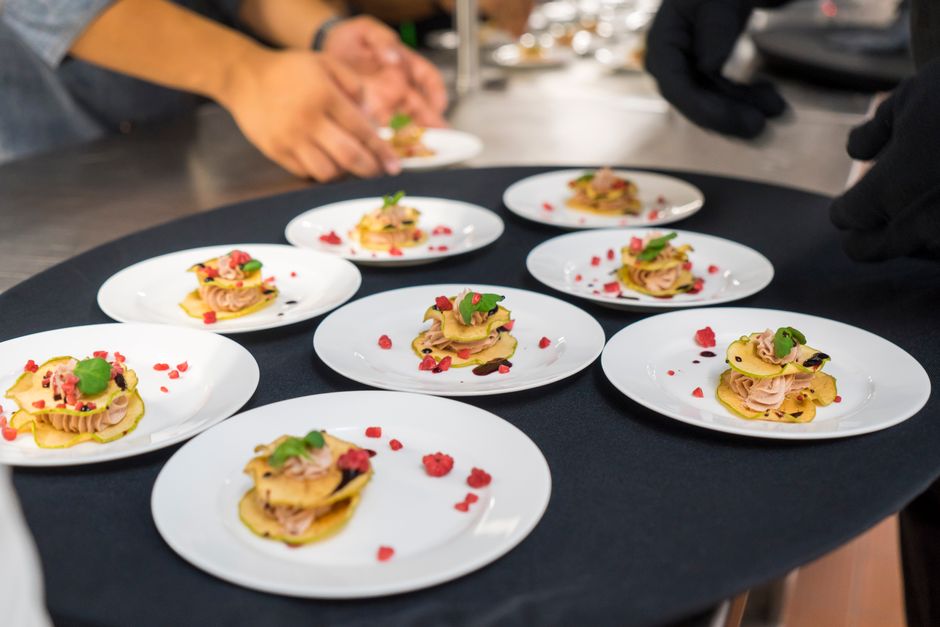
7. Handkäse mit Musik: Frankfurt's Singing Cheese
Frankfurt, Hesse, Germany
Explore a pungent sour milk cheese from Hesse, whose "music" comes from a surprising, aromatic accompaniment.
Handkäse mit Musik, a staple of Frankfurt's traditional taverns, is a small, translucent sour milk cheese served with a marinade of onions, vinegar, and oil. The "music" refers to the audible effects (flatulence) that the onions are said to produce later. This simple, protein-rich dish is enjoyed with a glass of Apfelwein (cider) and dark bread, representing a no-nonsense, authentic taste of Hessian working-class culinary heritage.
8. Beelitz Spargel: The White Gold Obsession
Beelitz, Brandenburg, Germany
Delve into Germany's springtime obsession with "white gold" and the town that became its celebrated capital.
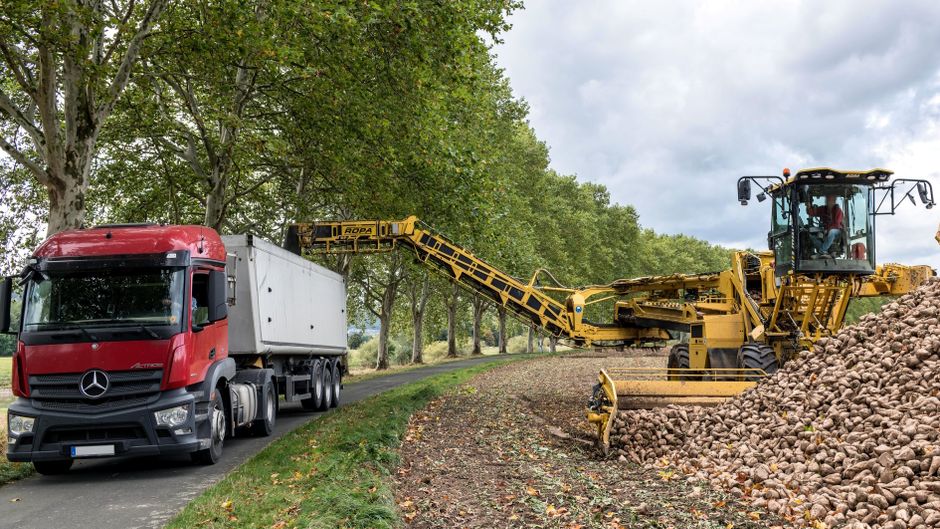
For Germans, spring means Spargelzeit – asparagus season – and Beelitz in Brandenburg is its undisputed capital. Since the 18th century, the sandy soils around Beelitz have yielded tender, delicate white asparagus, considered a gourmet delicacy. During Spargelzeit, the entire town celebrates, with festivals and restaurants serving it in myriad ways, often simply steamed with butter or hollandaise, a true seasonal ritual deeply embedded in regional culture.
9. Rhineland Sauerbraten: Charlemagne's Marinated Roast
Rhineland region, Germany
Discover a centuries-old pot roast, preserved in wine and spices, with origins possibly tied to Charlemagne himself.
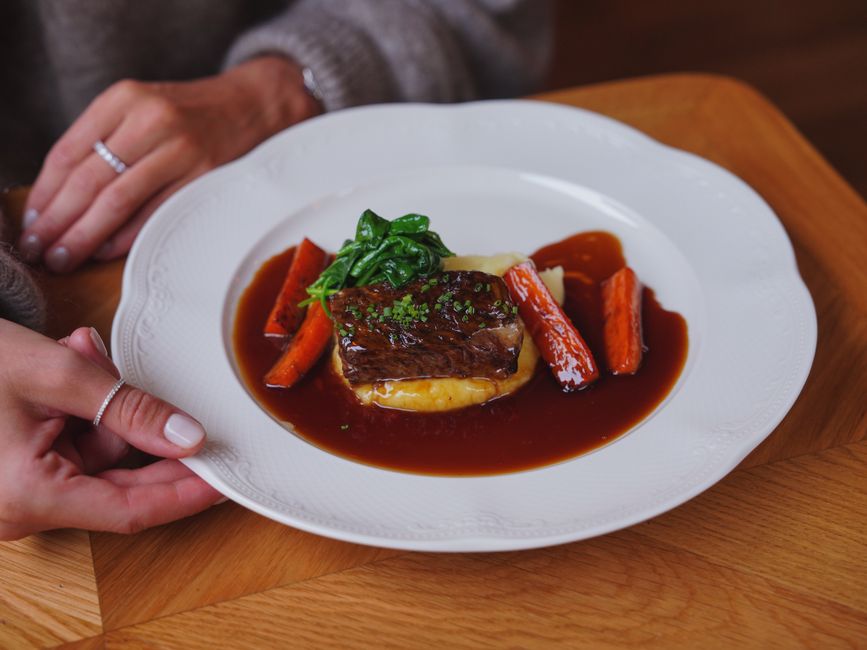
Sauerbraten, a classic German pot roast, boasts a history as rich as its flavor. The Rhineland variation, often made with beef (though historically, horse meat was also used), is marinated for days in vinegar, wine, and spices, then slowly braised until fork-tender. Legend suggests Charlemagne himself, in the 9th century, ordered barrels of marinated meat for his travels. This slow-cooked, tangy-sweet dish reflects ancient preservation methods and the region's culinary depth.
Frequently asked questions
What are some traditional British desserts beyond crumbles and trifles?
Beyond the well-known, consider the Spotted Dick, a suet pudding steamed with dried fruit, or the Syllabub, a light, frothy dessert made with wine or cider, cream, and sugar. Many regional puddings like the Bakewell Pudding also offer unique sweet experiences.
How do French regional cuisines differ from Parisian food?
Parisian cuisine tends to be refined and classic, often drawing from various regions. Regional French cuisines, however, are deeply rooted in local produce and history. Brittany favors butter, crêpes, and seafood, while the Southwest focuses on duck, foie gras, and rich stews. The Alps specialize in cheese-based dishes like tartiflette.
What is a typical German breakfast like in different regions?
A typical German breakfast often features fresh bread rolls (Brötchen), various cold cuts (Wurst), cheeses, jams, and coffee. In Bavaria, you might find Weißwurst (white sausage) with sweet mustard and pretzels. Northern regions might include more smoked fish.
How can AllTours.ai help me discover these specific food stories and places?
AllTours.ai transforms your phone into a personal guide. Simply point your camera at a landmark, a landscape, or even a local market stall, and the app uses AI to narrate its unique history, geology, and cultural significance, including the fascinating stories behind local foods and traditions, in your language.
Related guides
Photography via Pexels. AllTours.ai is an AI audio tour guide — point your camera at any landscape and hear its story.