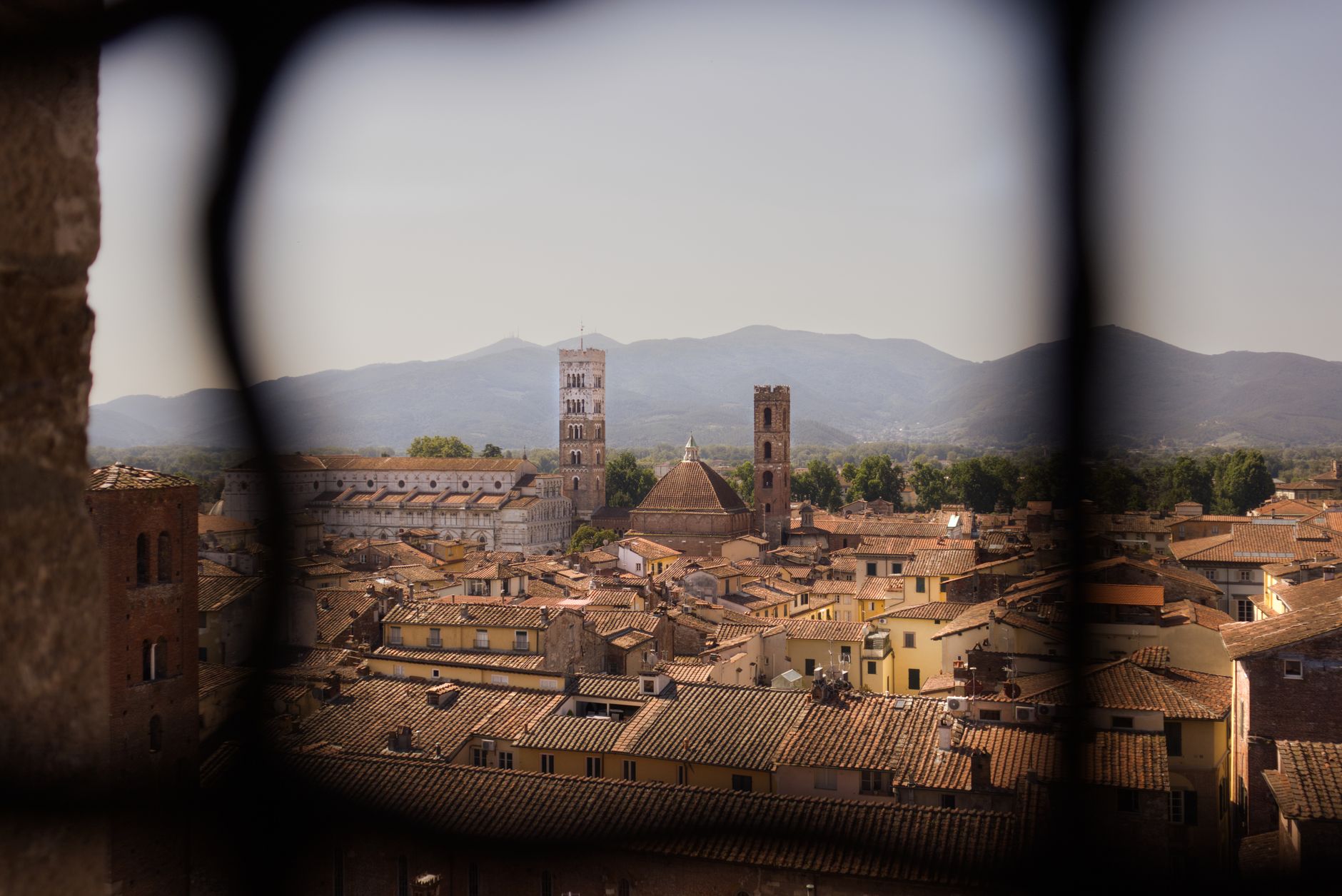
September 5, 2026 · 4 min read
Booking a hotel should be simple, but often, the price you see isn't the price you pay. Hidden fees lurk beneath the surface, transforming a budget-friendly stay into an unexpected splurge. These charges, from mandatory resort fees to baffling 'service' costs, can leave travelers feeling frustrated and out of pocket.
But just as some costs are hidden, so too are many of the world's most incredible places. Beyond the usual tourist circuits lie destinations brimming with untold stories, geological marvels, and cultural quirks that remain largely undiscovered. Before you book your next room, let's explore some of these less-traveled wonders, each with a surprising tale, while keeping an eye on those sneaky surcharges.
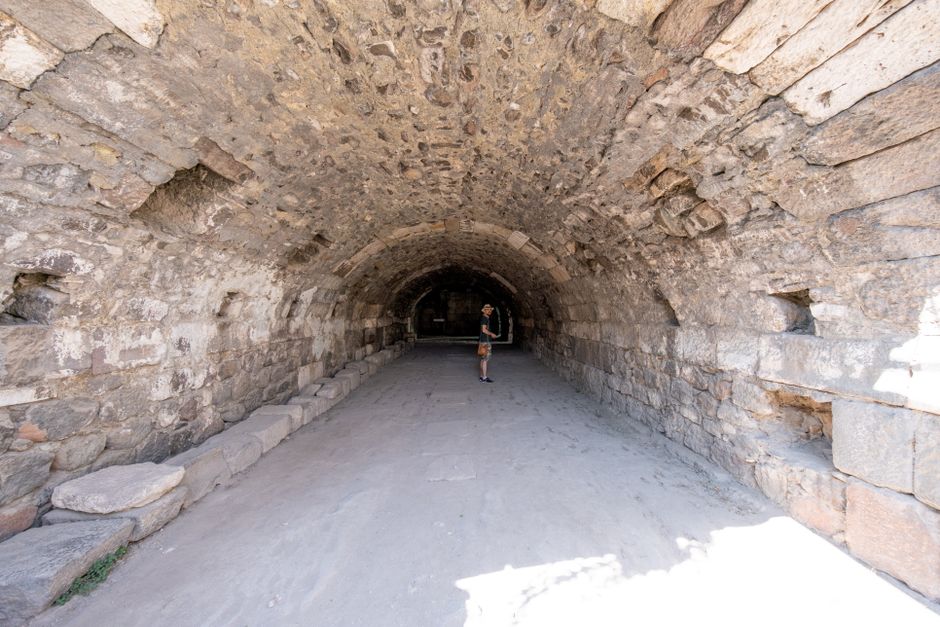
1. The Subterranean City's Secret Chambers
Derinkuyu Underground City, Turkey
Beneath a seemingly ordinary town lies an ancient, multi-level city carved into soft volcanic rock, once home to thousands seeking refuge.
Derinkuyu is not merely a cave; it's an entire city, complete with churches, stables, and even wine presses, extending eight levels deep. Built by the Phrygians and expanded by early Christians, it was designed to protect inhabitants from invaders, featuring massive stone doors that could seal off tunnels from within. Its sophisticated ventilation system, stretching over 18,000 feet, kept air flowing to every level, a marvel of ancient engineering.
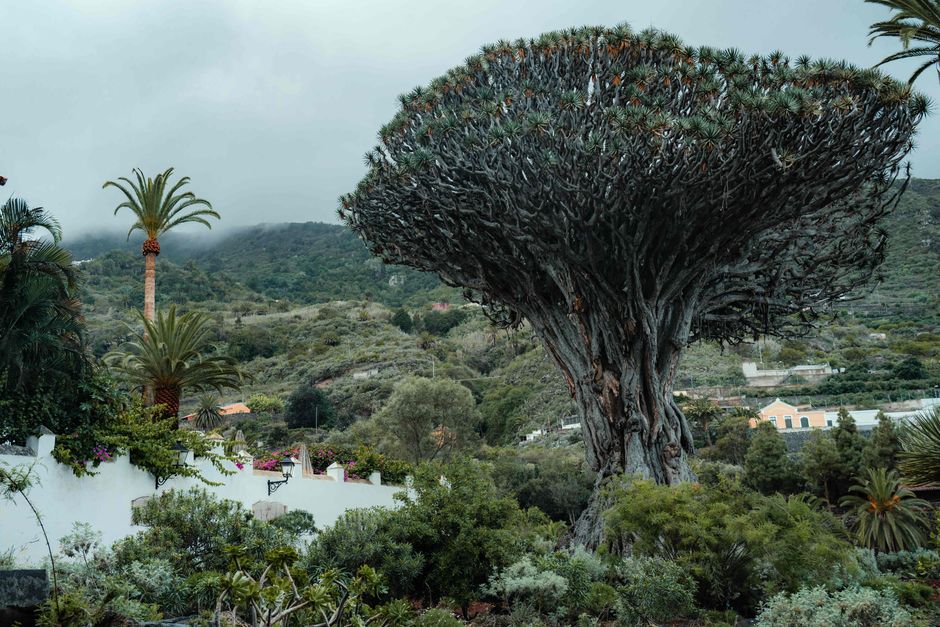
2. Island of Alien Flora
Socotra Island, Yemen
This remote island boasts a landscape so unique it resembles an alien planet, dominated by trees that bleed red sap.
Socotra is a biodiversity hotspot, home to species found nowhere else on Earth, earning it the nickname 'the most alien-looking place on Earth.' The most iconic is the Dragon's Blood Tree (Dracaena cinnabari), recognizable by its umbrella-shaped canopy and red resin, historically used as a medicine, dye, and varnish. Its isolation in the Arabian Sea has allowed its flora and fauna to evolve in extraordinary ways.
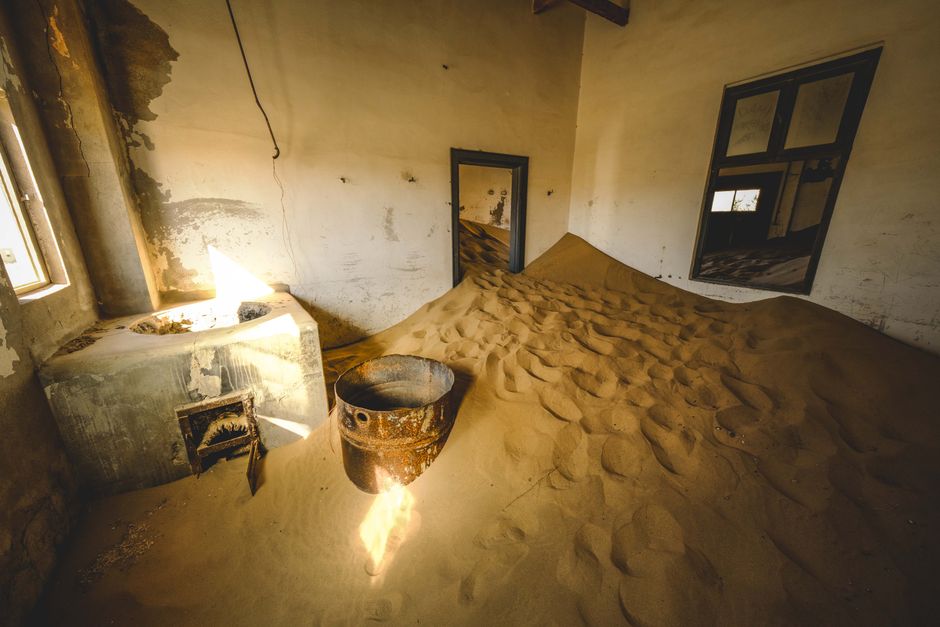
3. The Desert's Ghostly Embrace
Kolmanskop, Namibia
A once-thriving diamond mining town now stands abandoned, its buildings slowly being reclaimed by the encroaching desert sands.
Kolmanskop boomed in the early 20th century after diamonds were discovered in the Namib Desert. German miners built a lavish town here, complete with a hospital, ballroom, and ice factory. However, after richer diamond deposits were found further south, Kolmanskop was gradually deserted. Today, its houses are eerily preserved, with sand dunes flowing through doorways and filling entire rooms, a poignant reminder of human ambition against nature's relentless power.
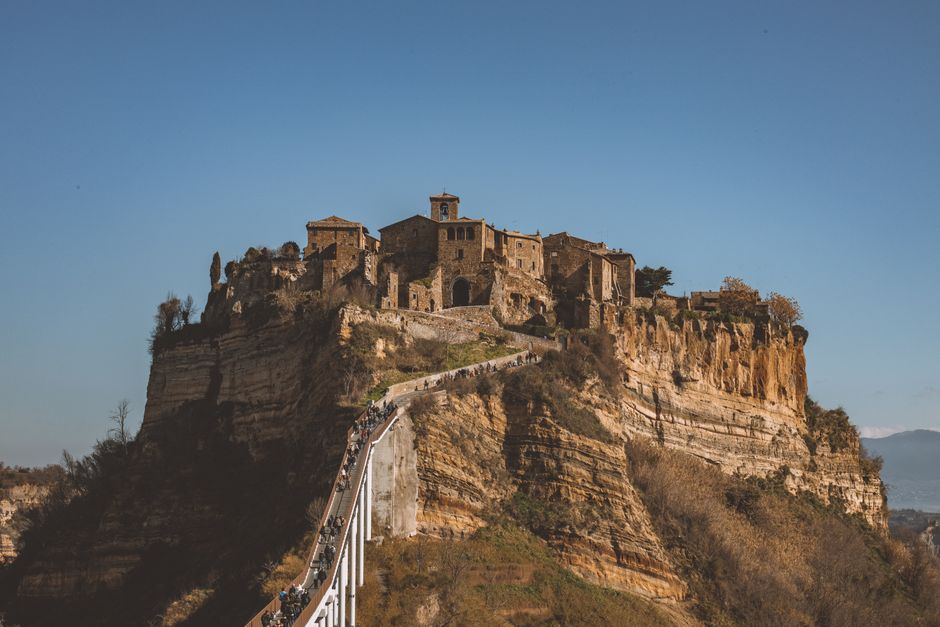
4. The Dying Hilltop Town
Civita di Bagnoregio, Italy
Perched precariously on a crumbling volcanic plateau, this medieval village is accessible only by a long footbridge, slowly eroding into history.
Known as 'the dying city,' Civita di Bagnoregio stands as a testament to resilience against geological forces. Built atop a 'tuff' cliff, its base is constantly eroded by rain and wind, causing chunks of the plateau to fall away. With only a handful of permanent residents, the town's survival is a continuous battle, making every visit a step into a living, fragile piece of history.
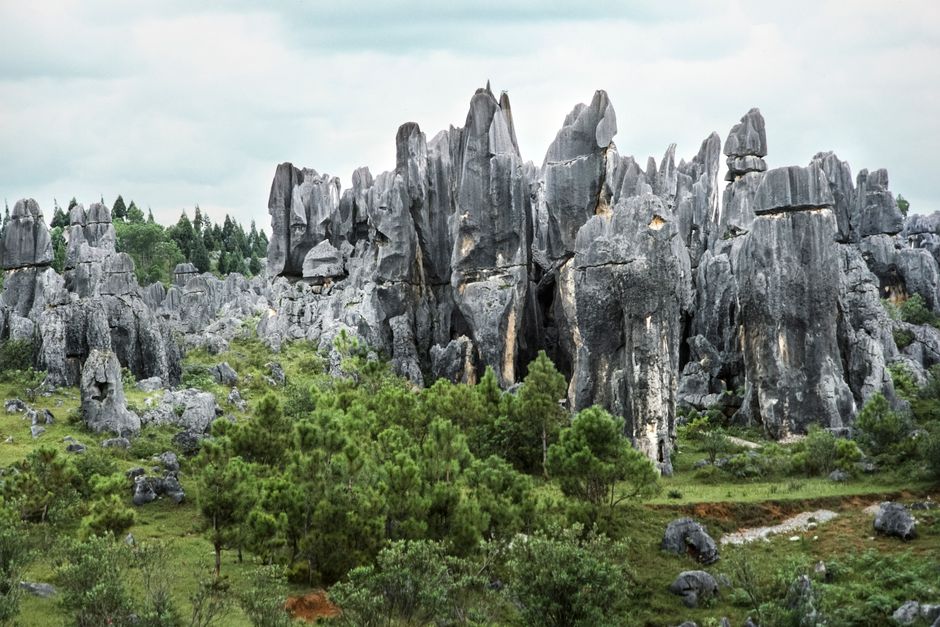
5. Madagascar's Stone Forest
Tsingy de Bemaraha National Park, Madagascar
This UNESCO site features an otherworldly 'forest' of razor-sharp limestone pinnacles, sculpted by millennia of erosion.
The 'Tsingy,' meaning 'where one cannot walk barefoot,' perfectly describes these dramatic formations. The karstic plateaus have been eroded by groundwater into a labyrinth of sharp, needle-like spires, some reaching 150 feet high. This unique landscape provides a secluded habitat for various endemic species, including lemurs and birds, making exploration a challenging but rewarding journey across suspended bridges and through deep canyons.
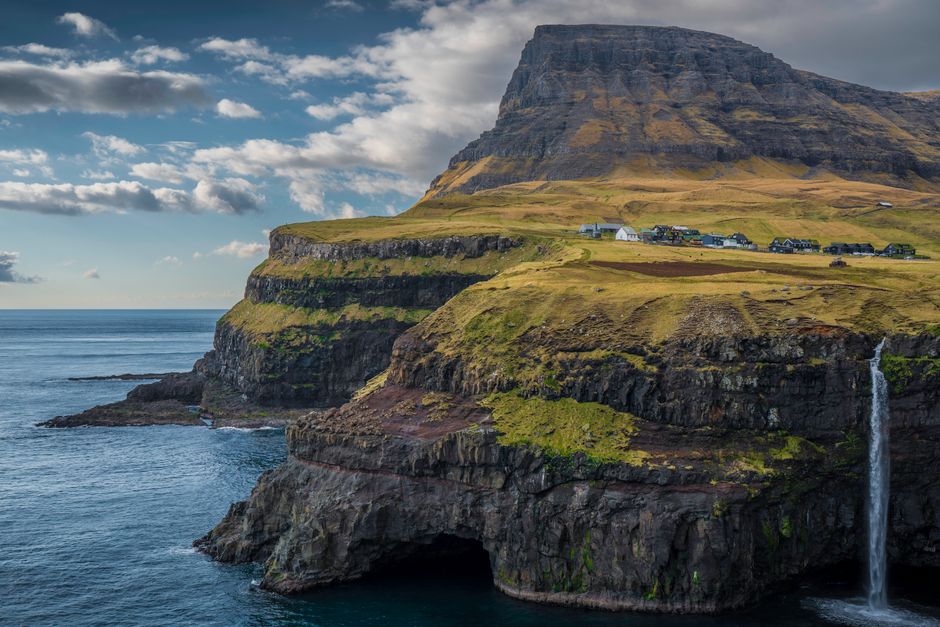
6. The Village Above the Waterfall
Gásadalur, Faroe Islands
Until recently, this isolated village could only be reached by climbing over a mountain, famed for its waterfall plunging directly into the ocean.
Gásadalur, nestled on the edge of a cliff on the island of Vágar, offers one of the most iconic views in the Faroe Islands: the Múlafossur waterfall. Before a tunnel was built in 2004, its few inhabitants endured a strenuous hike over a 1,500-foot mountain to access the rest of the islands. This remote existence has preserved its tranquil charm, making it a powerful symbol of nature's majesty and human resilience.
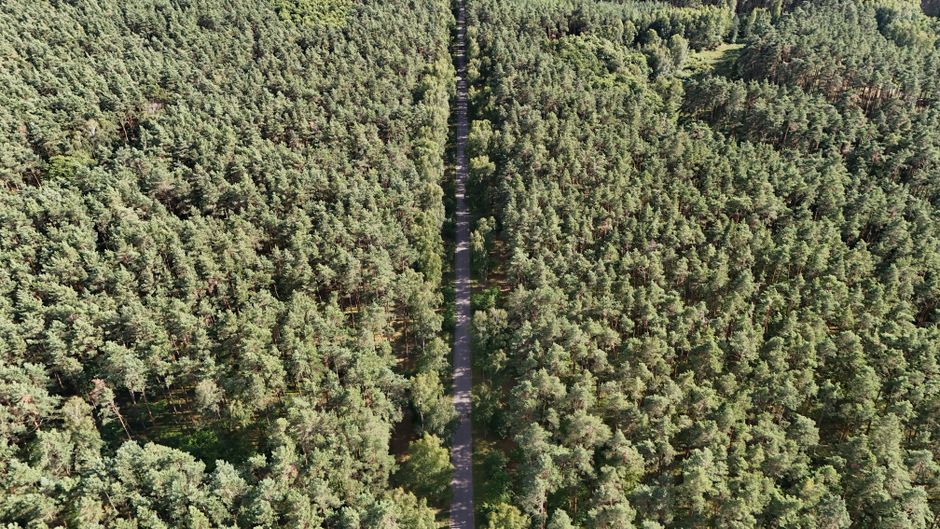
7. Poland's Mysterious Bent Trees
The Crooked Forest, Poland
A grove of pine trees exhibits an inexplicable 90-degree bend at their base, growing sideways before curving upwards.
Located near Gryfino, this small forest of approximately 400 pine trees stands as an enduring mystery. Planted around 1930, each tree bends sharply just above the ground, forming a 'C' shape before growing straight again. Theories range from specific snow loads to a unique cultivation technique used by farmers to create curved timber for furniture or shipbuilding, though no definitive explanation has ever been confirmed.
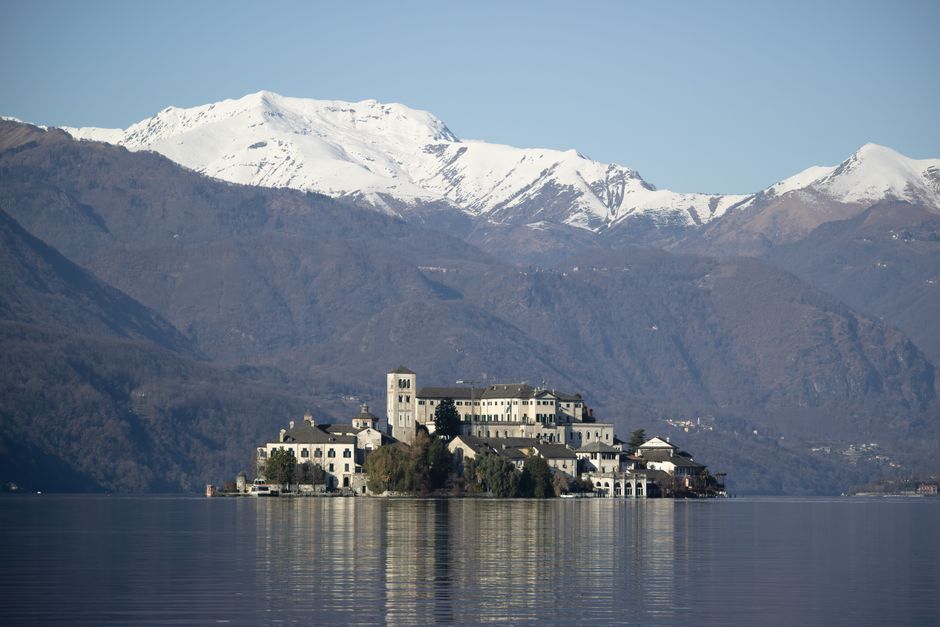
8. Island of Silence
Isola di San Giulio, Italy
A tiny island in a serene lake, home to a Benedictine monastery and a 'path of silence and meditation' that encourages quiet introspection.
Isola di San Giulio, the only island on Lake Orta, is dominated by the Basilica di San Giulio, a Romanesque church housing the relics of Saint Julius. The island's narrow circular path, known as the 'Way of Silence,' features thought-provoking phrases written in multiple languages, inviting visitors to reflect and find inner peace. It's a sanctuary of tranquility, offering a stark contrast to the bustling tourist hubs often found in Italy.
Frequently asked questions
What are the most common hidden hotel fees?
The most common hidden hotel fees include resort fees (often mandatory, covering amenities like Wi-Fi or gym access), parking fees, early check-in/late check-out fees, and energy surcharges. Some hotels also charge for services like baggage handling or even just receiving a package.
How can I avoid or minimize hidden hotel fees?
Always read the fine print before booking, check the 'taxes and fees' section, and don't hesitate to call the hotel directly to ask for a full breakdown of all potential charges. Booking directly with the hotel sometimes offers more transparency or the ability to negotiate certain fees compared to third-party sites.
Are resort fees legal, and can I refuse to pay them?
Resort fees are generally legal if disclosed, even if only in the fine print, as they are considered part of the hotel's terms and conditions. While you can try to dispute them upon check-out, especially if you didn't use the 'included' amenities, hotels typically enforce them as mandatory charges for all guests.
How can AllTours.ai help me discover more about these unique places?
AllTours.ai transforms your phone into an AI-powered audio tour guide. Simply point your camera at any landmark, landscape, or interesting spot, and the app will instantly narrate its history, geology, and cultural significance in your language, providing a deeper understanding of the world around you as you explore.
Related guides
Self-guided audio tours
Walk these places stop by stop — free five-stop story tours you can take at your own pace:
Photography via Pexels. AllTours.ai is an AI audio tour guide — point your camera at any landscape and hear its story.