July 13, 2026 · 4 min read
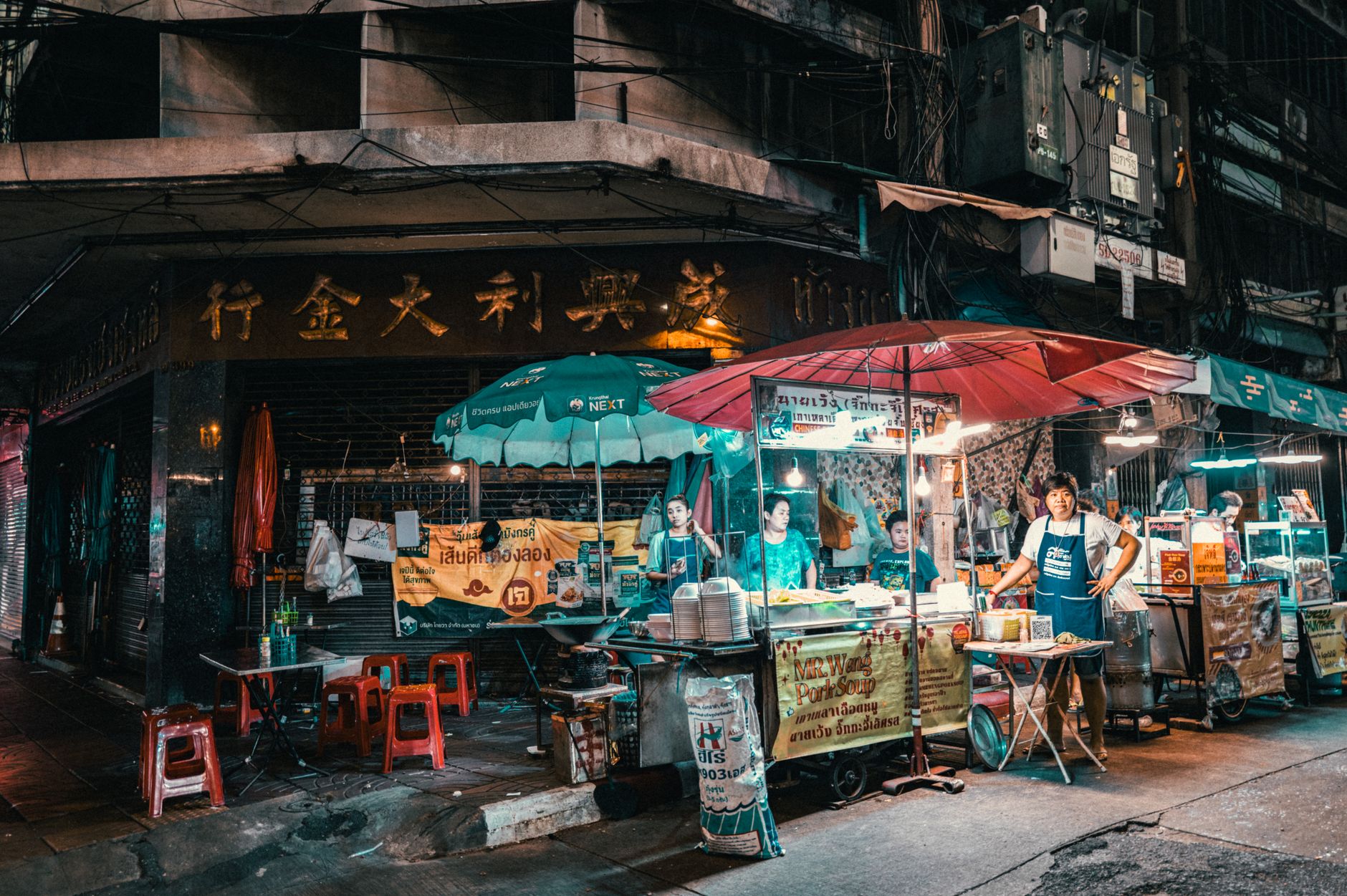
There's a magic to street food. It's the immediate connection to a place, the sizzle and aroma, the hands-on experience of a culture's heart. Forget the white tablecloths; the real stories of a city often unfold around a bustling food stall, where traditions are preserved and flavors perfected over generations. It’s where you taste the authentic pulse of a destination.
But beyond the usual suspects like tacos, pizza, or pho, what truly stands out? We've scoured the globe for those underrated, lesser-known street food gems – dishes with surprising histories, unique cultural significance, or a geological twist that makes them truly unforgettable. Prepare your palate for a journey far off the well-trodden tourist path.
1. The 'Husband and Wife' Pancakes of Myanmar
Yangon, Myanmar
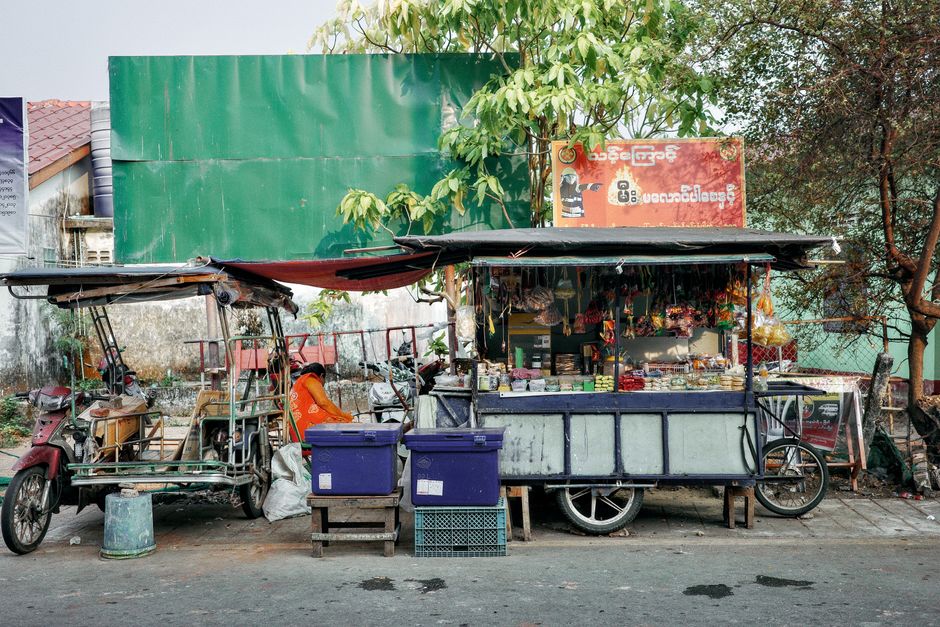
The name 'Husband and Wife Snack' comes from how these crispy, savory pancakes are traditionally made and served – two halves joined together, symbolizing unity.
Mont Lin Ma Yar are small, spherical delights cooked in cast-iron molds over charcoal, often by two vendors working in tandem, one pouring batter, the other adding fillings like quail egg or chickpeas. Once cooked, two halves are pressed together, creating a satisfying, crispy bite. It’s a quintessential Yangon snack, best enjoyed fresh off the griddle from a bustling street stall, reflecting a simple, communal joy found in everyday Myanmar life.
2. Sicily's Ancient Chickpea Fritters
Palermo, Italy
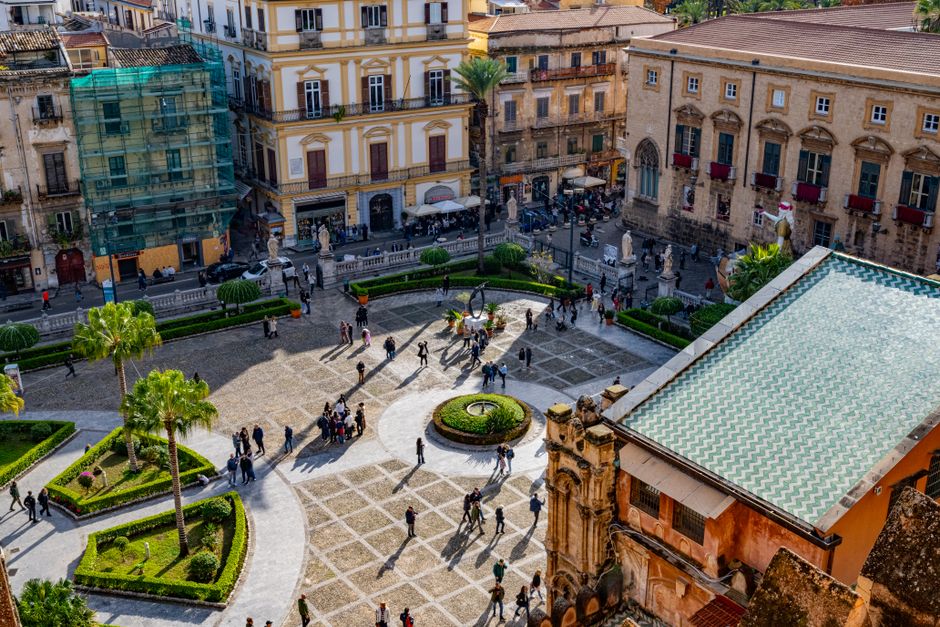
These simple chickpea fritters, a staple of Palermo street food, trace their origins back to the Arab rule of Sicily, showcasing the island's deep historical layers.
Panelle are thin, golden-fried fritters made from chickpea flour, water, and parsley, often served in a soft sesame seed bun or simply in a paper cone with a squeeze of lemon. Their presence in Sicilian cuisine is a direct legacy of the Arab conquest, when chickpeas were a widely cultivated crop across the island. Walking through Palermo's historic markets like Ballarò, the aroma of freshly fried panelle is an irresistible call to a taste of ancient history.
3. The Flaky Soul of Malta
Valletta, Malta
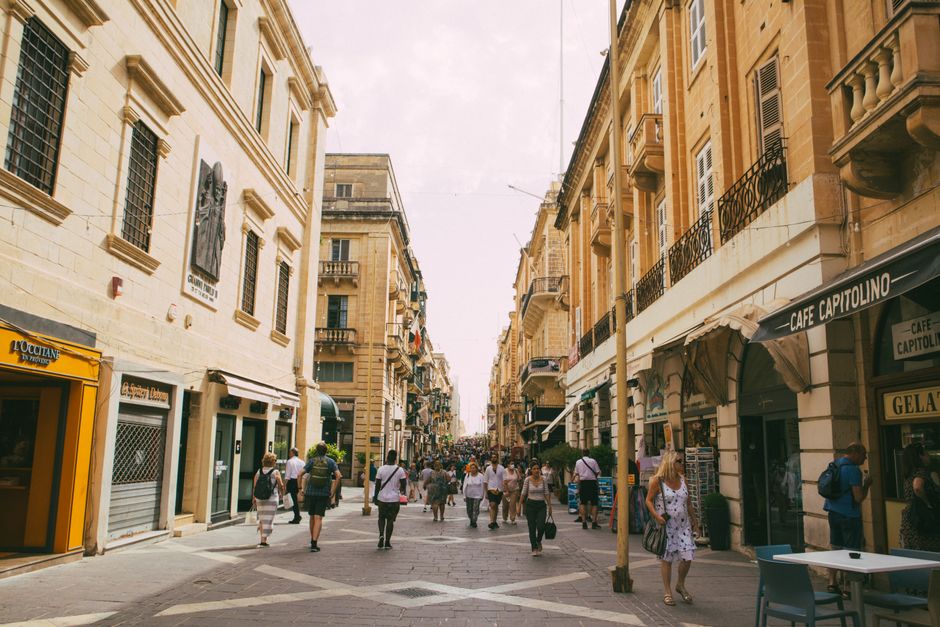
More than just a snack, Pastizzi are a deep-rooted Maltese institution, historically a cheap and filling meal for laborers, and still a central part of daily life.
These diamond-shaped pastries feature impossibly flaky, buttery dough wrapped around savory fillings, most commonly ricotta cheese or mushy peas. Every Maltese village has its pastizzeria, a local hub where people grab a quick bite and coffee and catch up on the day's news. The specific technique for achieving their signature crisp, layered crust is a closely guarded secret, making them a unique culinary emblem of the island.
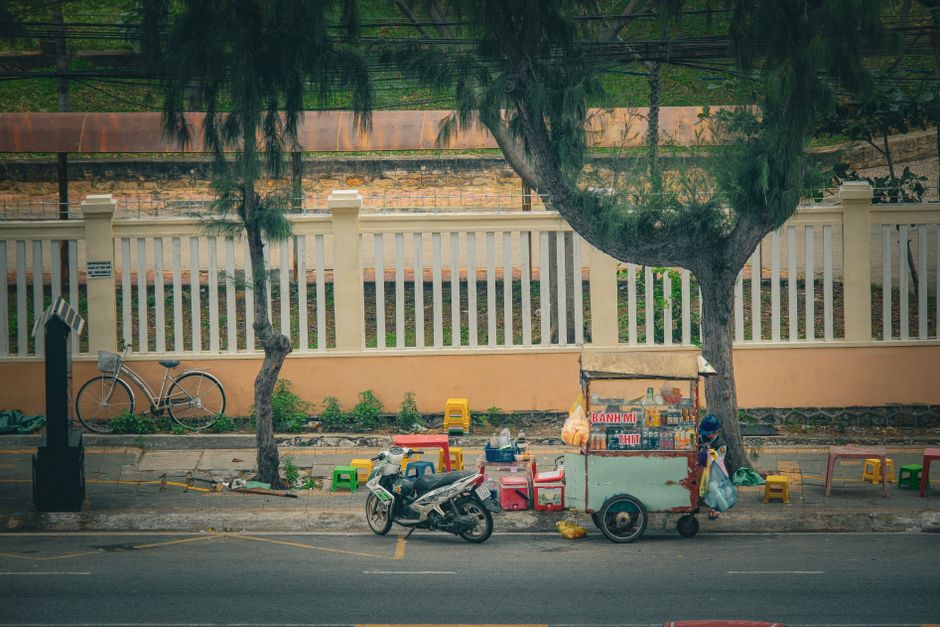
4. Vung Tau's Crispy Seafood Pancakes
Vung Tau, Vietnam
These miniature, crispy savory pancakes, cooked in special cast-iron molds, are a specialty of Vung Tau, a coastal city with a storied past as a French colonial resort.
Bánh Khọt are golden-fried wonders made from a rice flour and coconut milk batter, often topped with fresh shrimp or squid, green onions, and a sprinkle of dried shrimp floss. Each pancake is perfectly crispy on the outside and tender within, served with fresh herbs, lettuce, and a sweet-savory fish sauce for dipping. They embody the fresh, vibrant flavors of Vietnam's southern coast, a region shaped by both ancient fishing traditions and colonial influences, best enjoyed with a sea breeze.
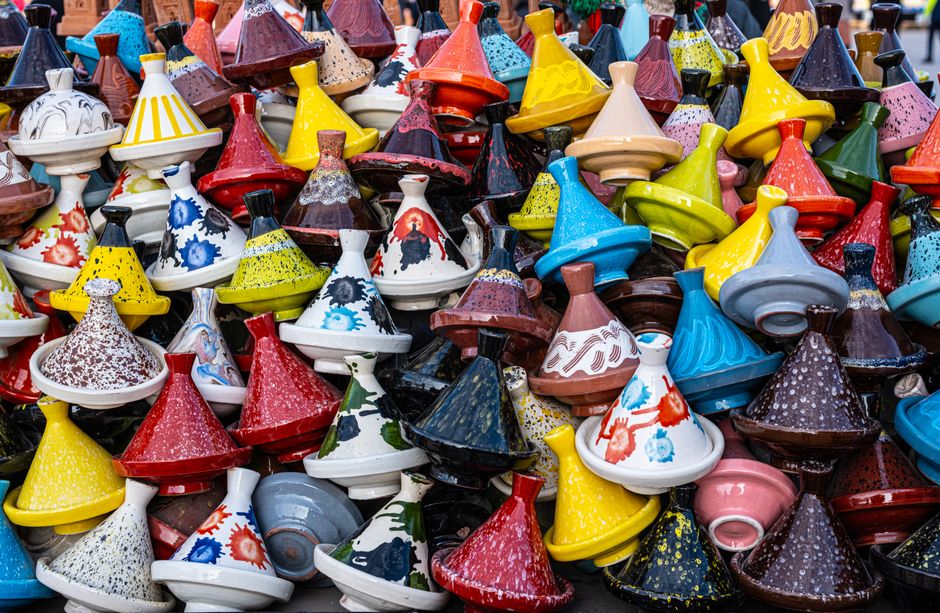
5. Marrakech's 'Bachelor's Stew'
Marrakech, Morocco
Tanjia, a succulent slow-cooked meat dish, is traditionally prepared by men in clay urns and left to cook for hours in the dying embers of public hammam furnaces.
This Marrakechi specialty involves lamb or beef, preserved lemons, garlic, and spices, all sealed within an amphora-like clay pot called a tanjia. The urns are then taken to the local hammam, where they are buried in the hot ashes of the wood-fired ovens, cooking slowly overnight to tender perfection. It’s often called 'bachelor's stew' because its simple preparation and communal cooking method appealed to men without home kitchens, making it a unique culinary tradition tied to the city's social fabric.
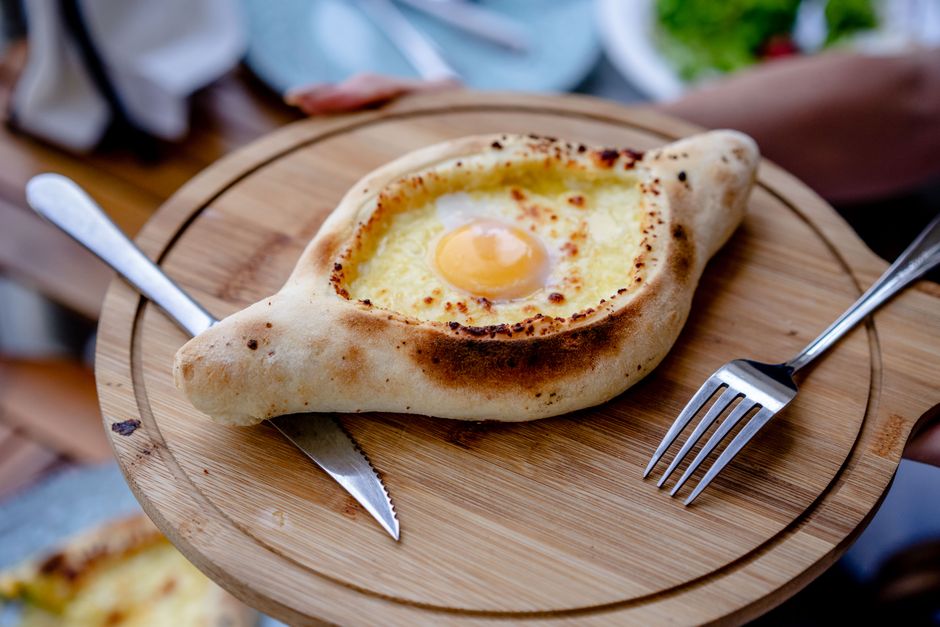
6. The Black Sea 'Boat Bread'
Batumi, Georgia
The distinctive boat shape of Adjaruli Khachapuri is said to represent the ships of Georgia's Black Sea region, a delicious nod to the country's maritime history.
This iconic Georgian dish is a canoe-shaped bread bowl filled with molten cheese, topped with a raw egg and a generous knob of butter, all stirred together at the table. Originating from the Adjara region on the Black Sea coast, it's a hearty and rich meal, reflecting the region's historical ties to seafaring and trade. Every bite is a warm, comforting embrace of Georgian culinary tradition, best savored in a bustling Batumi cafe overlooking the sea.
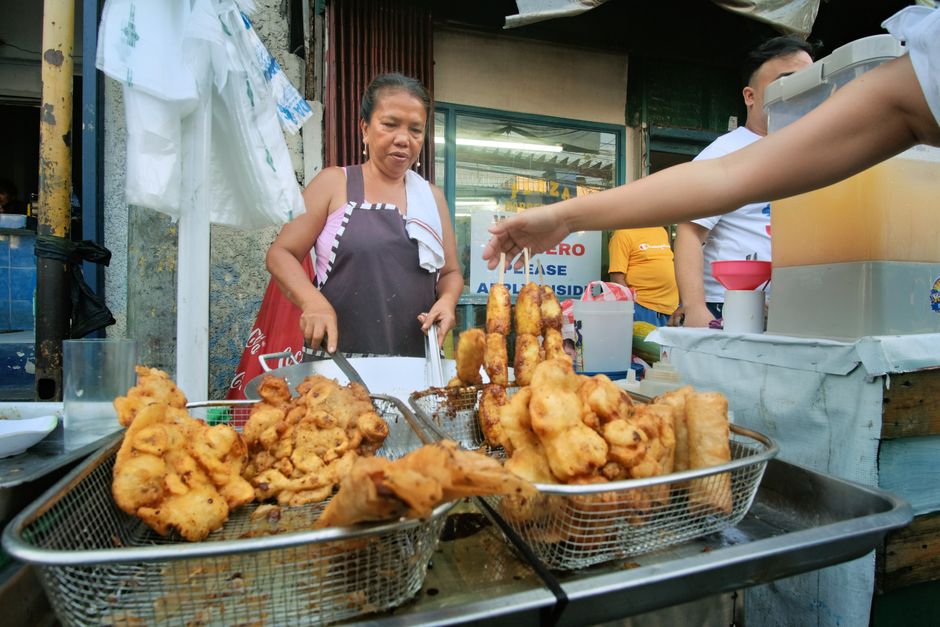
7. The Orange Quail Eggs of Manila
Manila, Philippines
Kwek-kwek, with its distinctive vibrant orange coating, gets its color from annatto seeds, a spice introduced to the Philippines by Spanish traders centuries ago.
These popular Filipino street food snacks consist of hard-boiled quail eggs dipped in a bright orange batter, then deep-fried until crispy. The slightly sweet, slightly savory batter provides a delightful contrast to the tender egg inside. Often sold on skewers from street carts, kwek-kwek is typically served with a tangy vinegar-based dipping sauce, making it a quick, flavorful, and visually striking bite that tells a quiet story of colonial trade routes still influencing Filipino cuisine.
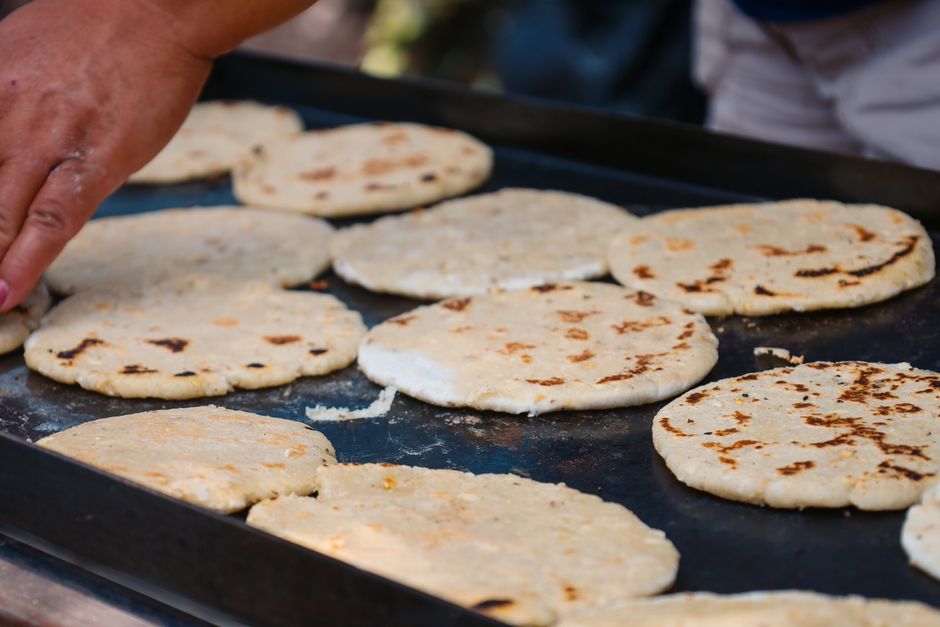
8. Colombia's Coastal Breakfast Surprise
Cartagena, Colombia
This unique coastal Colombian specialty, an arepa with a whole egg fried inside, reflects a delicious fusion of indigenous corn traditions and Spanish colonial influences.
Arepas de Huevo are golden, crispy corn cakes, first partially fried, then slit open, filled with a raw egg, and fried again until the egg is cooked and the arepa is puffed and golden. A staple of the Caribbean coast, they are a beloved breakfast or snack, often found at bustling street stalls in cities like Cartagena. The dish beautifully combines the pre-Columbian staple of corn with the European addition of eggs, creating a rich, satisfying bite unique to Colombia's vibrant culinary heritage.
Frequently asked questions
What makes street food so special for travelers?
Street food offers a direct, authentic window into a local culture, its history, and daily life. It's often prepared with traditional methods, using fresh, local ingredients, providing a genuine taste experience that you won't find in formal restaurants. It also connects you directly with local people and their stories.
How do I find the best street food in an unfamiliar city?
Look for places with long lines of locals, especially during peak meal times. Ask hotel staff or taxi drivers for their personal favorites, avoiding overly touristy recommendations. Explore local markets and less-traveled neighborhoods, and don't be afraid to try small, unassuming stalls that focus on one or two dishes.
Is street food safe to eat?
Most street food is prepared fresh and cooked to order, which can often be safer than food sitting out. Look for vendors with high turnover, clean preparation areas, and who handle food hygienically. Opt for freshly cooked items over those that have been sitting for a long time, and always trust your instincts for cleanliness and freshness.
How can AllTours.ai enhance my street food adventure?
AllTours.ai adds depth to your culinary explorations by revealing the rich history, geology, and culture behind the places you visit, including where your street food comes from. Point your phone camera at a historic market, a specific landmark, or a unique geological feature, and the app narrates its story in your language, making your food discovery an even richer, more informed experience.
Related guides
Photography via Pexels. AllTours.ai is an AI audio tour guide — point your camera at any landscape and hear its story.