September 11, 2026 · 4 min read
Many travelers wonder, "What is the equivalent to American Cheese in Canada?" – often seeking a familiar comfort in a new land. But Canada's true essence isn't found in direct parallels; it's in the unique, often overlooked corners that tell a distinctly Canadian story.
Forget the well-trodden paths. This guide ventures deep into the country's lesser-known wonders, revealing places where history is etched into rock, science unfolds in strange ways, and local culture thrives away from the crowds. Each offers a surprising glimpse into the vast, complex tapestry of Canada.
1. The Enigma of the Twisted Aspens
Hafford, Saskatchewan, Canada
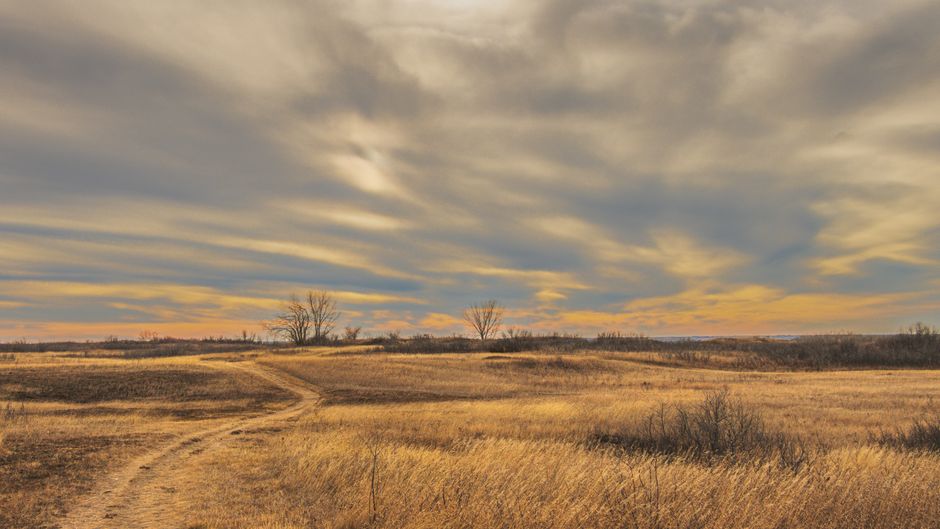
A small grove of aspen trees here grow with bizarre, sharp bends and twists, defying normal tree growth.
Just outside Hafford, a small stand of trembling aspen trees presents a baffling natural phenomenon. Instead of growing straight, their trunks and branches contort into sharp angles and corkscrew shapes, a genetic mutation that remains localized to this single grove. Scientists have studied the anomaly for decades, proposing theories from a rare genetic mutation to a localized soil condition, making it a living puzzle in the prairie landscape.
2. A High-Altitude Relic of Space Exploration
Banff National Park, Alberta, Canada
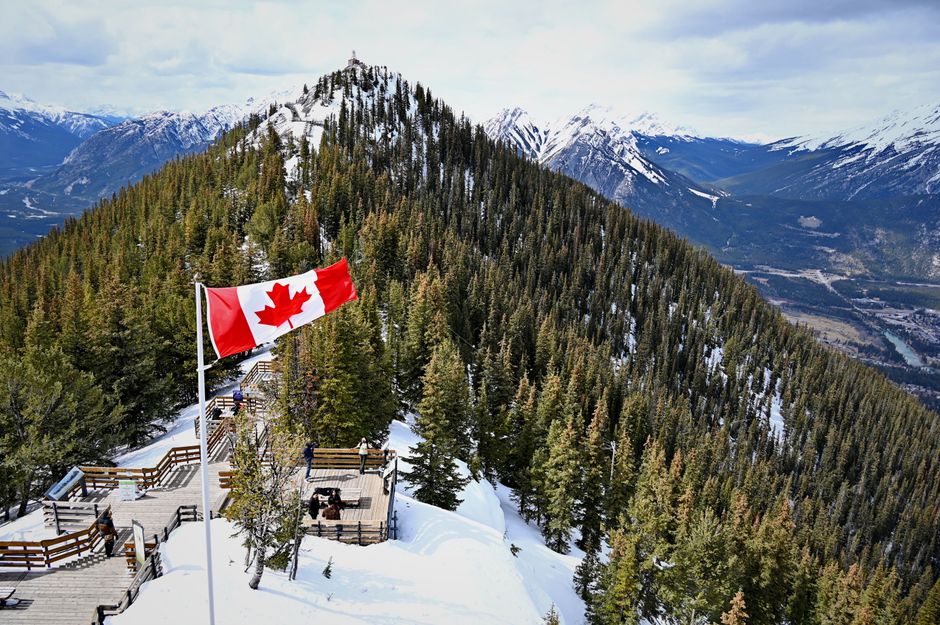
Perched atop Sulphur Mountain, a small, abandoned laboratory once played a crucial role in early space research.
While most visitors to Banff's Sulphur Mountain are drawn to the views, a forgotten secret lies near the summit: the Cosmic Ray Station. Built in 1956 for the International Geophysical Year, this tiny structure housed equipment to study cosmic rays, contributing vital data before the satellite era. It’s a silent testament to Canada’s early scientific contributions to understanding the universe, now slowly reclaimed by the elements.
3. Canada's Hidden Inland Desert
Northern Saskatchewan, Canada
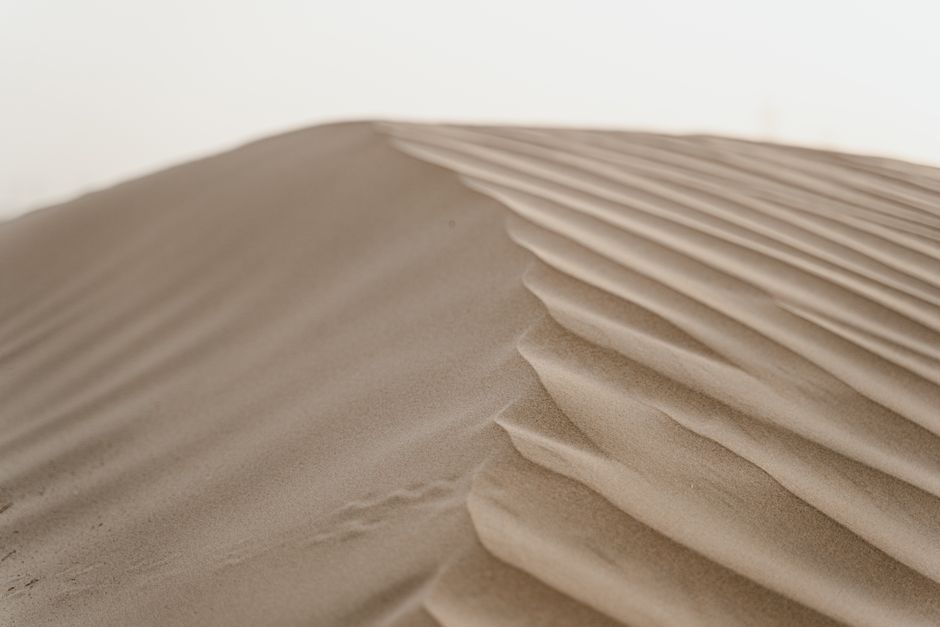
Deep within Canada's boreal forest lies a vast, active desert—the world's most northerly sand dunes, far from any ocean.
Accessible only by float plane, the Athabasca Sand Dunes are a geological marvel, stretching over 100 kilometers along the south shore of Lake Athabasca. These towering dunes, some reaching 30 meters high, are a relic of glacial activity, formed by sand deposited by ancient rivers and sculpted by wind over millennia. This isolated wilderness provides a stark, surprising contrast to the surrounding dense forests and countless lakes of northern Saskatchewan.
4. The WWII Battleground in a Quiet Bay
Conception Bay, Newfoundland and Labrador, Canada
During World War II, this small island in a serene bay became the site of two devastating German U-boat attacks.
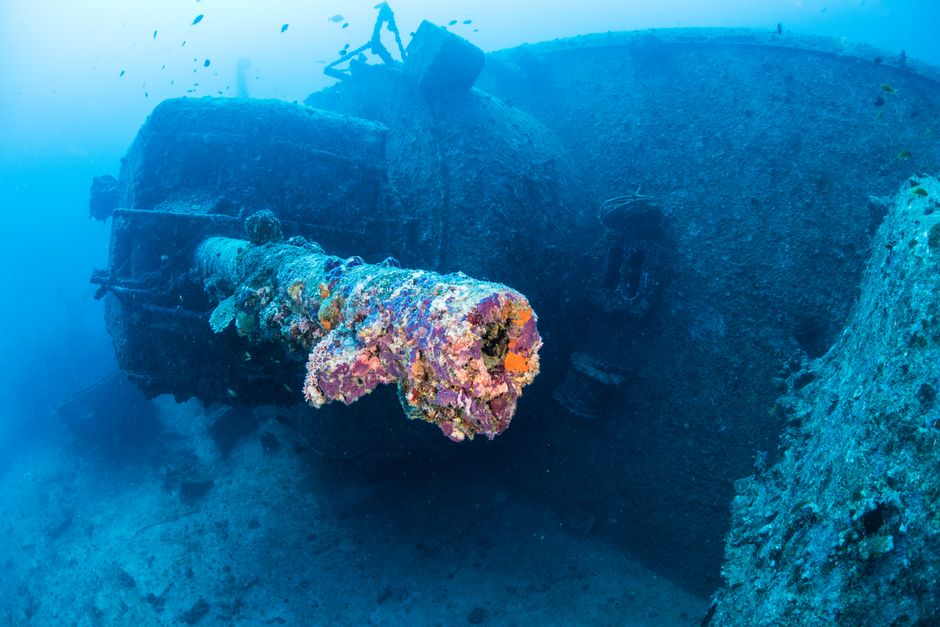
Bell Island holds a unique and somber place in North American history as the only land-based site in North America to suffer direct enemy attacks during WWII. In 1942, German U-boats torpedoed four ore carriers right within Conception Bay, sinking two of them directly at the docks and even hitting the loading pier. Today, divers can explore the wrecks, a haunting reminder of the global conflict reaching even this remote corner.
5. The Eroding Giant of Gaspésie
Percé, Quebec, Canada
This massive limestone monolith was once connected to the mainland and bore four distinct arches, now only one remains.
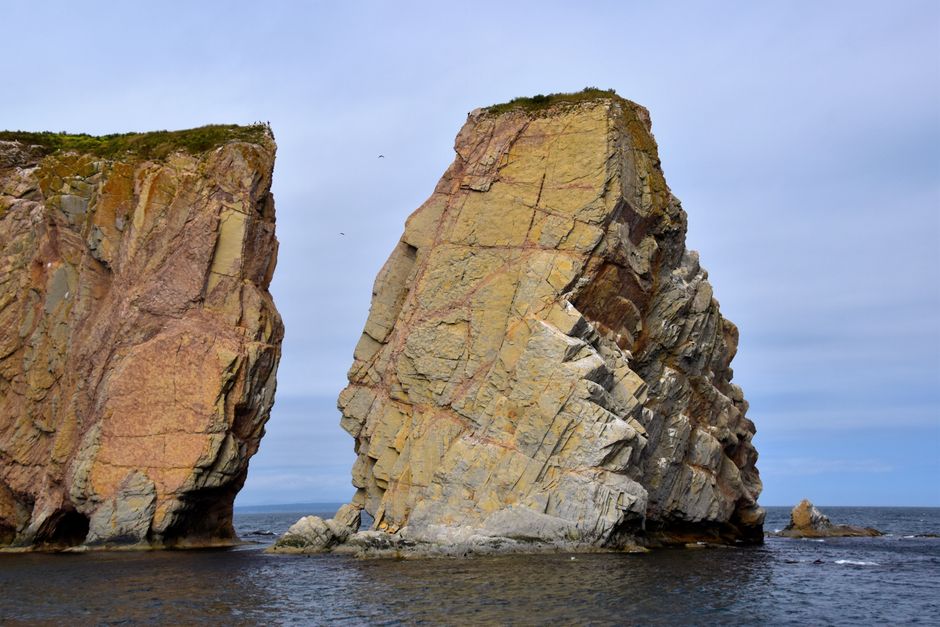
Percé Rock, a majestic natural arch formation off the Gaspé Peninsula, is a geological testament to constant erosion. While it appears as a solitary arch today, historical records and local lore suggest that as recently as the 18th century, it had four separate arches, with one collapsing dramatically in 1845. This iconic landmark, rich in fossil remains, continues its slow transformation, a reminder of the dynamic forces shaping our planet.
6. Walking on the Earth's Exposed Mantle
Gros Morne National Park, Newfoundland and Labrador, Canada
This barren, rust-colored landscape is one of the few places on Earth where the planet's mantle is exposed above ground.
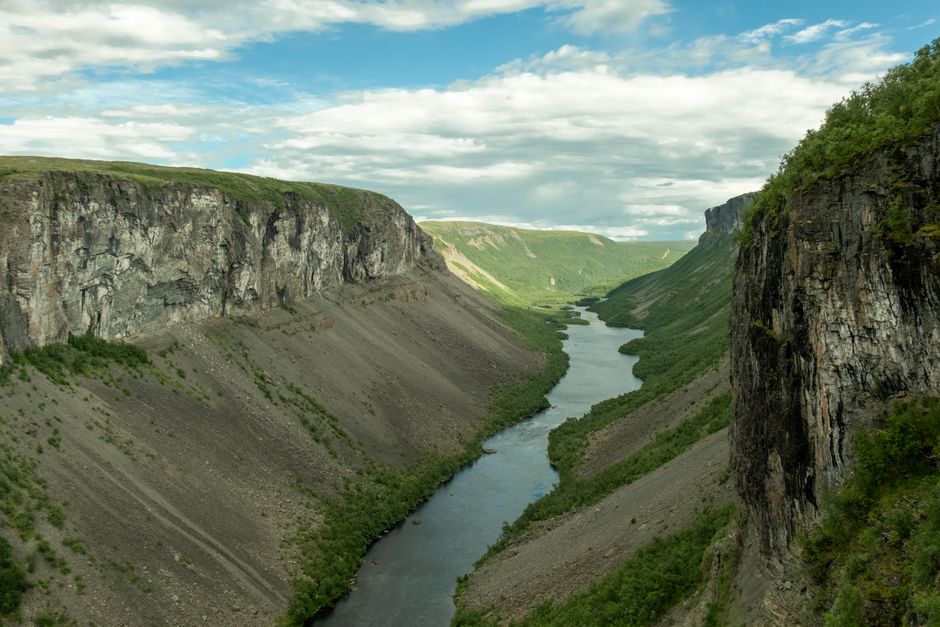
Gros Morne National Park is renowned for its dramatic landscapes, but the Tablelands offer a truly unique experience: walking on the Earth's exposed mantle. The rust-colored, barren rock is peridotite, usually found deep within the planet, thrust to the surface by plate tectonics millions of years ago. This geological anomaly is a UNESCO World Heritage site, providing a direct, tangible lesson in continental drift and the raw forces that shaped our world.
7. A Town Born from a Science Fiction Novel
Flin Flon, Manitoba, Canada
This mining town is named after Josiah Flintabbatey Flonatin, a character from a 1902 science fiction novel.
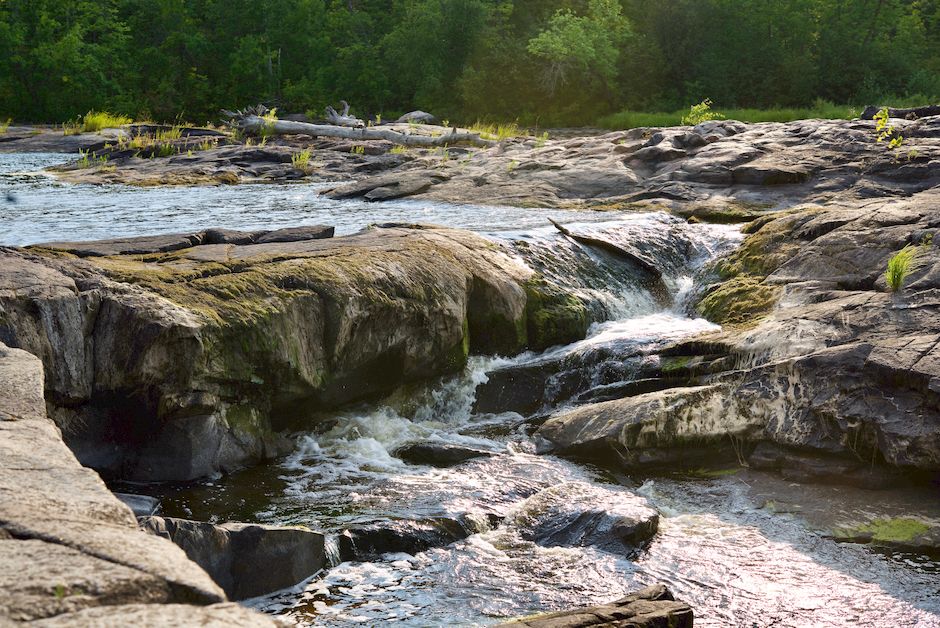
Flin Flon's name isn't derived from a local Indigenous word or a colonial explorer; it comes directly from a character in J.E.P. Muddock's novel "The Sunless City." In 1915, a prospector found ore and a copy of the book, leading him to name his discovery after the subterranean explorer. Today, a statue of "Flon Flon" (as he's affectionately known) greets visitors, making the town a charmingly quirky outpost of literary history in the Canadian Shield.
Frequently asked questions
What are some unique natural wonders in Canada that aren't widely known?
Canada is full of hidden natural gems. Consider the bizarrely twisted trees of the Crooked Bush in Saskatchewan, the ancient exposed mantle of the Earth at Gros Morne's Tablelands in Newfoundland, or the vast, active Athabasca Sand Dunes in northern Saskatchewan. These sites offer unique geological and botanical insights far from typical tourist routes.
Are there any historical sites in Canada related to World War II that are off the beaten path?
Yes, Bell Island in Newfoundland offers a surprising WWII history. It was the only location in North America to suffer direct enemy attacks during the war, with German U-boats sinking several ore carriers in its bay. It's a somber, lesser-known piece of wartime history.
How can I find out more about these unusual Canadian places when I travel?
Exploring these unique locations often involves delving into local history and geological details. Many small towns and natural parks have interpretive centers, but for on-the-go information, local guides or specific online resources are invaluable.
How does the AllTours.ai app help me discover these kinds of stories?
AllTours.ai is designed specifically for this kind of discovery. When you're at one of these unique locations, simply point your phone camera at a landmark or landscape. The app uses AI to recognize what you're seeing and instantly narrates its history, geology, and cultural significance in your preferred language, turning every view into a guided tour.
Related guides
Photography via Pexels. AllTours.ai is an AI audio tour guide — point your camera at any landscape and hear its story.