September 11, 2026 · 4 min read
When we ask "What is the most difficult situation Americans are dealing with right now?" our minds often jump to the daily headlines. But beyond the news cycle, America's true challenges and triumphs are etched into its landscapes, preserved in forgotten towns, and whispered by the wind through historical sites. These are the deep, often unseen, struggles that have shaped communities and defined the spirit of resilience.
Join us on a journey to uncover these lesser-known places, each holding a vivid story of hardship, innovation, and perseverance. These are not just destinations; they are windows into the enduring American experience, revealing the unique ways people have faced—and often overcome—immense difficulties, from natural disasters to societal pressures and environmental changes.
1. The Town That Burned
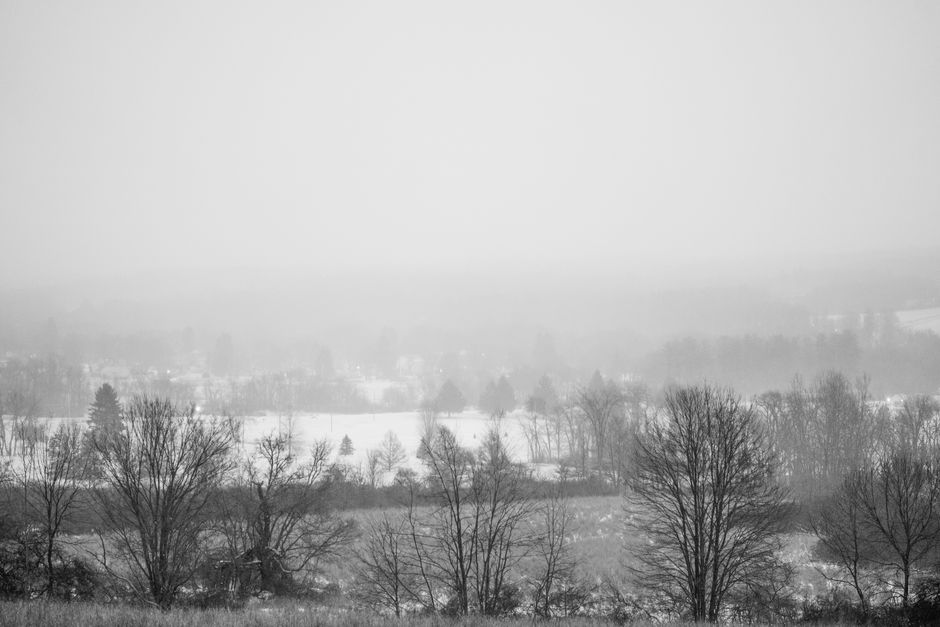
Centralia, Pennsylvania
An underground coal mine fire has been burning beneath this town for over 60 years, forcing nearly all residents to abandon their homes.
Centralia is a modern ghost town, slowly being reclaimed by nature as smoke plumes rise from cracks in the ground. The fire started in 1962, likely from an attempt to burn trash in an abandoned strip mine pit, and spread to a vast network of coal seams. Despite numerous attempts to extinguish it, the fire persists, creating sinkholes and releasing toxic gases, making the land uninhabitable and a stark symbol of a community lost to environmental catastrophe.
2. The Drowned Town of Thistle
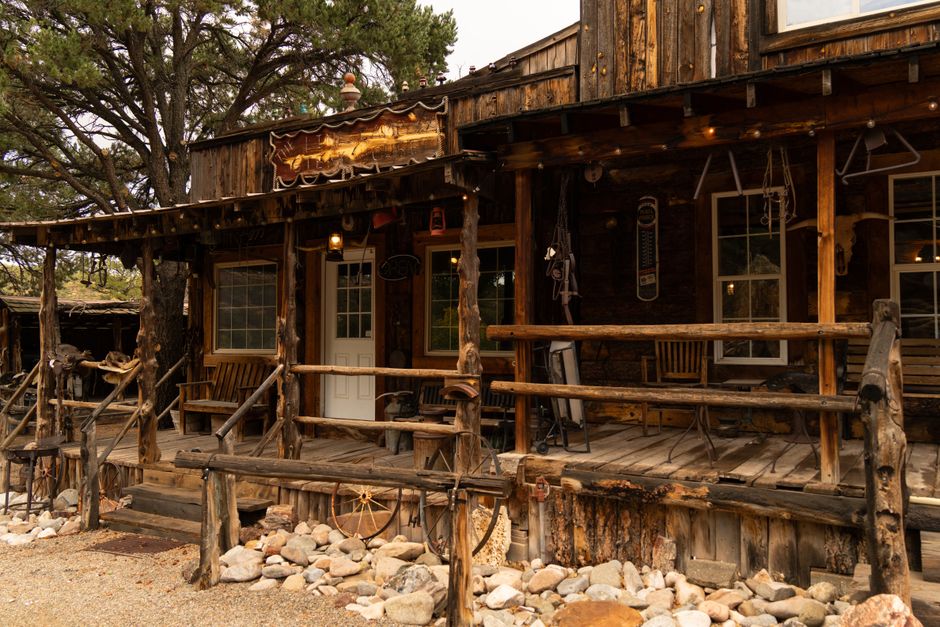
Thistle, Utah
This entire Utah town was intentionally flooded and submerged in 1983 after a massive landslide blocked the Spanish Fork River.
Thistle was a small railroad town nestled in a canyon until a massive, slow-moving landslide dammed the Spanish Fork River, creating a lake that threatened to breach and flood downstream communities. Unable to move the landslide or drain the lake safely, authorities made the unprecedented decision to buy out the entire town and let it be submerged. Today, remnants of buildings can still be seen beneath the water when levels are low, a haunting monument to nature's power and a community's sacrifice.
3. The Prairie Home of Freedom
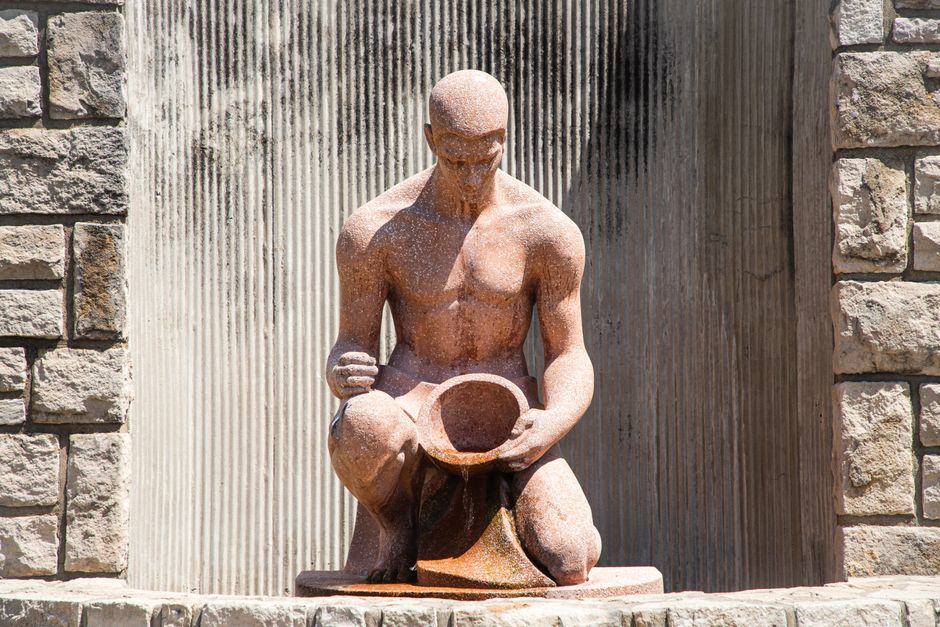
Nicodemus, Kansas
Founded in 1877, this remote Kansas town is the only remaining all-Black settlement west of the Mississippi River established during the Reconstruction era.
Nicodemus was established by African Americans, primarily former slaves, seeking to build new lives free from oppression in the post-Civil War South. These "Exodusters" faced immense hardships on the unforgiving Kansas prairie, from drought to isolation, yet they persevered. The town grew, establishing schools, churches, and businesses, becoming a beacon of self-determination. Today, it stands as a testament to their enduring spirit and a crucial chapter in American history, designated a National Historic Site.
4. The Last Free Place
Slab City, California
An off-grid, unregulated community in the Sonoran Desert, Slab City is a haven for those seeking extreme freedom and escaping conventional society.
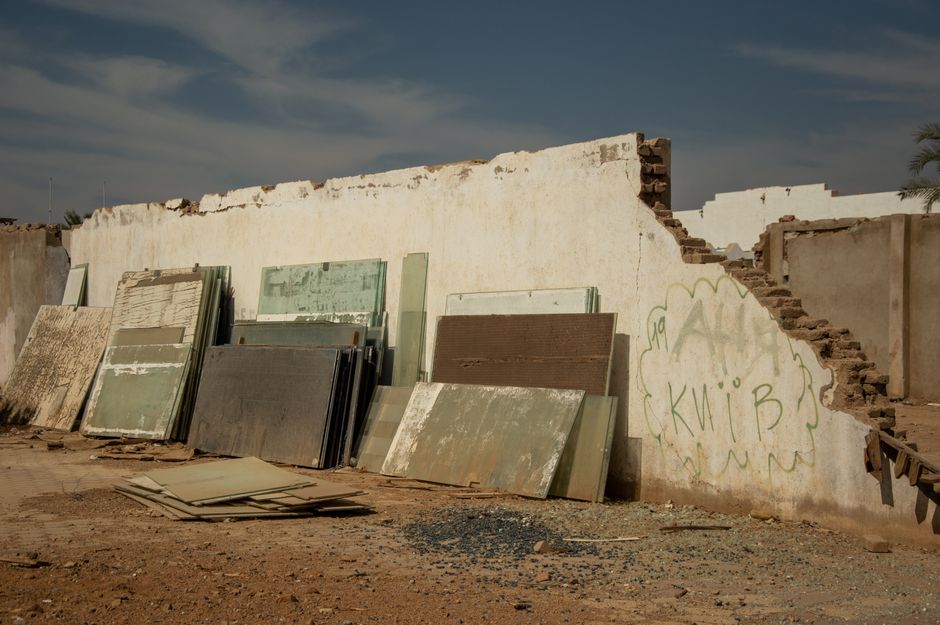
Built on an abandoned World War II marine base, Slab City operates without electricity, running water, or conventional governance, attracting artists, snowbirds, and those living on the fringes. Residents embrace a DIY ethos, creating unique art installations like Salvation Mountain and constructing homes from salvaged materials in the harsh desert environment. Life here is a constant negotiation with extreme temperatures and resource scarcity, embodying a difficult, yet chosen, path of radical self-reliance.
5. Copper Kingdom in the Wilderness
Kennecott, Alaska
This remote, abandoned copper mining town deep in Wrangell-St. Elias National Park was once the richest concentration of copper in the world, yet it was completely deserted in 1938.
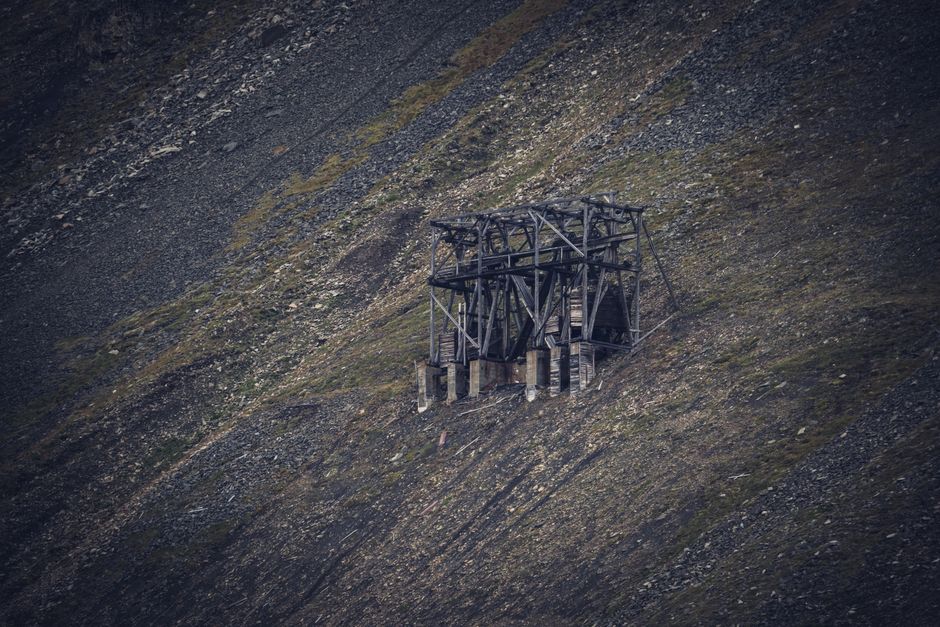
Kennecott was a bustling company town at the peak of the copper boom, accessible only by a difficult railroad journey through treacherous terrain. Miners and their families lived in isolation, enduring harsh Alaskan winters and the dangers of industrial work. When the ore ran out, the entire operation was abruptly shut down, leaving behind colossal wooden buildings, a sprawling mill, and remnants of a once-vibrant community frozen in time. It's a stark reminder of the boom-and-bust cycles that shaped much of America's resource economy.
6. Sanctuary in the Shallows
Great Dismal Swamp, Virginia/North Carolina
This vast, treacherous wetland was a historical refuge for thousands of runaway slaves and Native Americans, who formed independent maroon communities within its dense, mosquito-ridden interior.
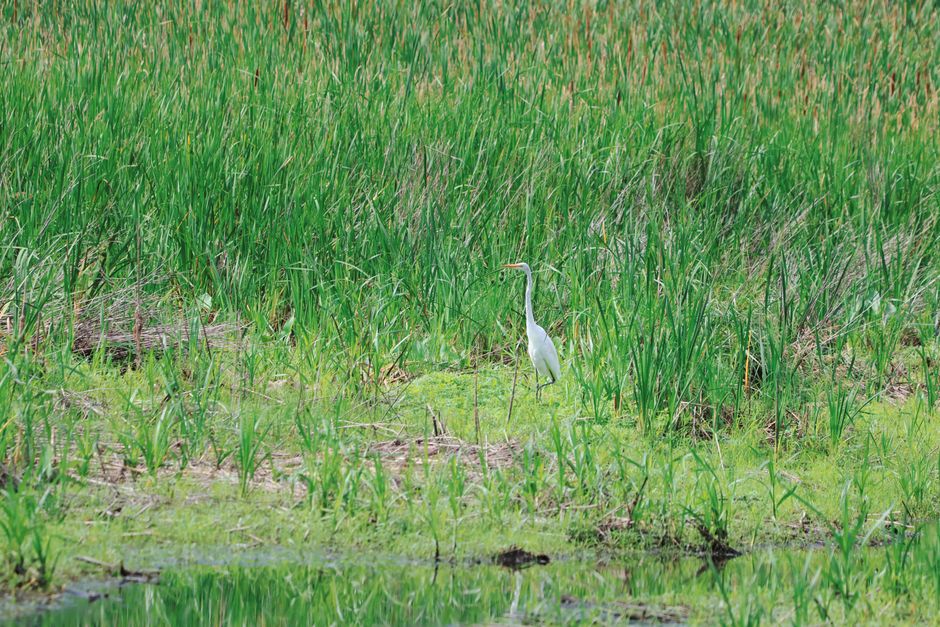
The Great Dismal Swamp's impenetrable cypress forests, deep bogs, and abundant wildlife offered both a formidable barrier and a source of sustenance for those seeking freedom. For centuries, individuals and families escaped into the swamp, building hidden settlements and developing unique survival strategies. These maroon communities, often referred to as "outliers," represented a profound act of resistance against slavery and colonization, living a difficult but self-determined existence in one of America's most challenging landscapes.
7. America's Accidental Apocalypse
Salton Sea, California
California's largest lake is shrinking rapidly and becoming increasingly toxic, a man-made ecological disaster with far-reaching consequences.
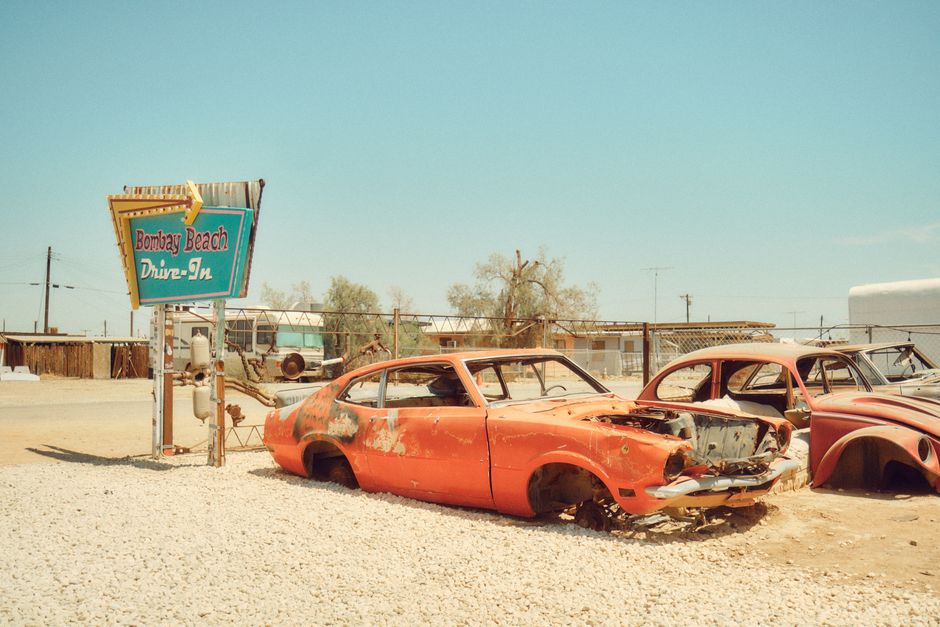
The Salton Sea was accidentally formed in 1905 when the Colorado River breached an irrigation canal. For decades, it thrived as a resort destination, but without an outlet, agricultural runoff concentrated salts and pollutants. Today, the shrinking shoreline exposes vast tracts of playa dust laden with pesticides and heavy metals, creating severe air quality issues for surrounding communities. The Salton Sea is a stark illustration of human impact on the environment and the difficult choices communities face when ecological systems collapse.
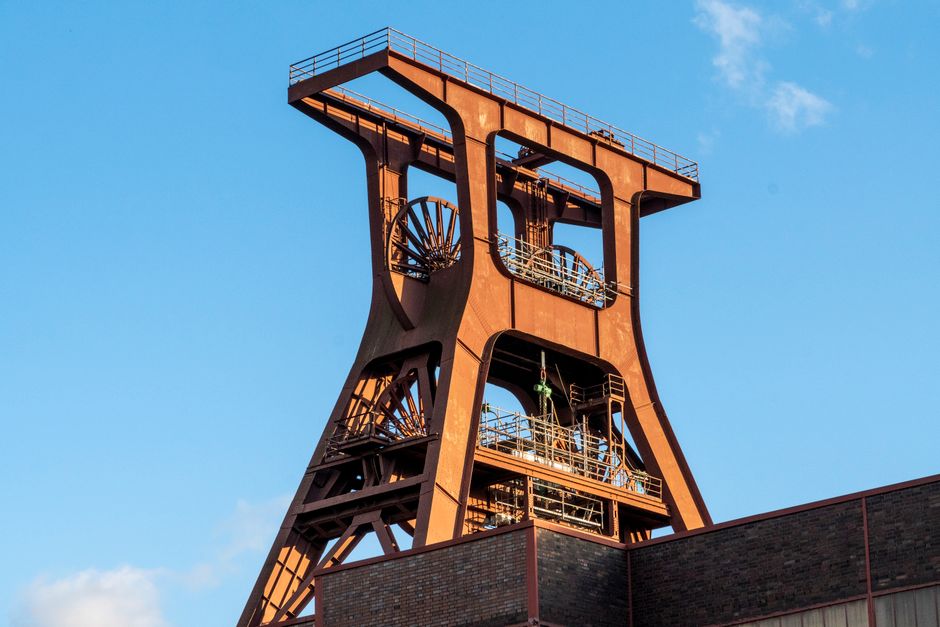
8. The Iron Heart's Enduring Scars
Mesabi Iron Range, Minnesota
This region, once the world's largest source of iron ore, tells a story of boom-and-bust cycles, environmental transformation, and the challenging evolution of American industry.
For over a century, the Mesabi Range fueled America's industrial might, with massive open-pit mines carving deep scars into the landscape. Generations of immigrant workers toiled in harsh conditions, building communities around the promise of iron. As high-grade ore depleted and global economics shifted, the region faced immense economic hardship and environmental cleanup challenges. Today, it navigates the difficult transition from a raw materials economy, with immense pits now filling with water, creating an unexpected new landscape.
Frequently asked questions
What are some of the most challenging historical sites in the US?
The US is dotted with sites that tell stories of immense historical difficulty, from places of forced migration like the Trail of Tears National Historic Trail to the stark remnants of industrial boom-and-bust towns. These locations often reveal forgotten struggles and remarkable resilience, inviting deeper understanding of America's past.
Where can I find examples of communities overcoming hardship in America?
Many places across America stand as testaments to communities overcoming hardship. Nicodemus, Kansas, an all-Black settlement founded by freed slaves, is a powerful example of building new lives against immense odds. Other sites, like those in regions impacted by natural disasters, also tell tales of resilience and community rebuilding.
Are there places in the US that show ongoing environmental challenges?
Absolutely. The Salton Sea in California, an accidental lake now facing severe ecological decline, is a prime example of an ongoing environmental challenge with broad implications. Centralia, Pennsylvania, with its decades-long underground mine fire, also illustrates a persistent and unique environmental "difficult situation" that transformed a community.
How can AllTours.ai help me explore these difficult situations?
AllTours.ai brings the complex stories of these places to life. Simply point your phone camera at a landmark or landscape mentioned in this post, and our AI will narrate its history, geology, and cultural significance in your language, revealing the hidden layers of America's past and present challenges as you explore.
Related guides
Photography via Pexels. AllTours.ai is an AI audio tour guide — point your camera at any landscape and hear its story.