September 17, 2026 · 4 min read
The seasoned traveler knows it’s not just about the destination, but the stories held within it. Beyond the passport and the reliable backpack, what items should people who travel often all own to truly unlock the hidden narratives of the world?
It's about cultivating a mindset of curiosity and equipping yourself for discovery. Forget the usual tourist traps; the world's most captivating tales often unfold in unexpected corners, waiting for someone to look a little closer. We've curated a list of places that prove just how much history, geology, and culture are waiting to be uncovered.
1. The Ghost Town Consumed by Sand
Kolmanskop, Namibia
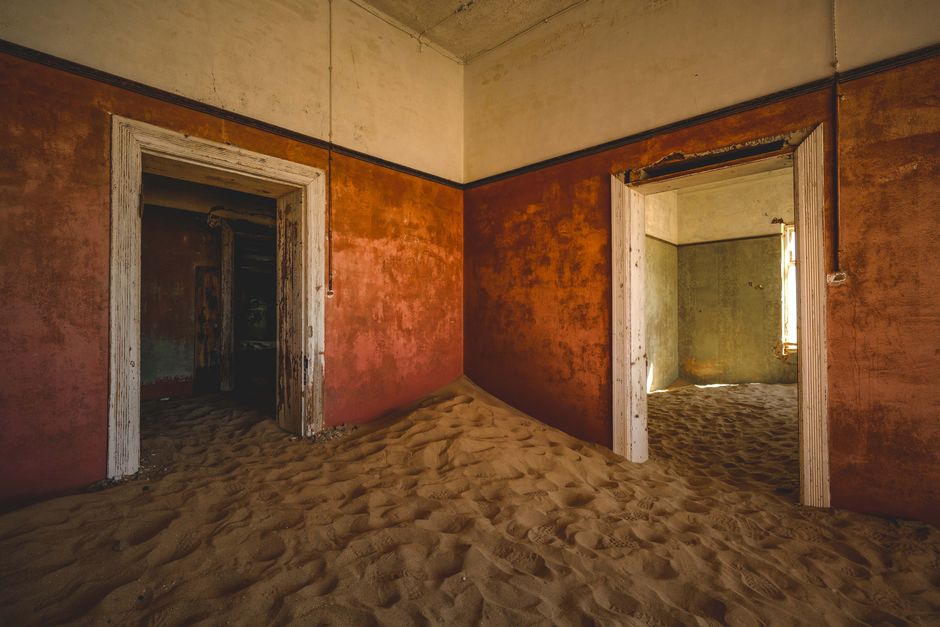
This once-thriving diamond mining town in the Namib Desert was abruptly abandoned and is now being slowly swallowed by the dunes.
In the early 20th century, a German prospector found a diamond near Lüderitz, sparking a frantic diamond rush. Kolmanskop rapidly transformed into a wealthy, bustling settlement complete with a casino, bowling alley, and ice factory. Its prosperity lasted only a few decades before larger, richer diamond fields were discovered further south. By 1956, the town was completely deserted, leaving its elegant homes to be slowly filled and reclaimed by the relentless desert sands.
2. The Mystery of the Bent Pines
Crooked Forest, Poland
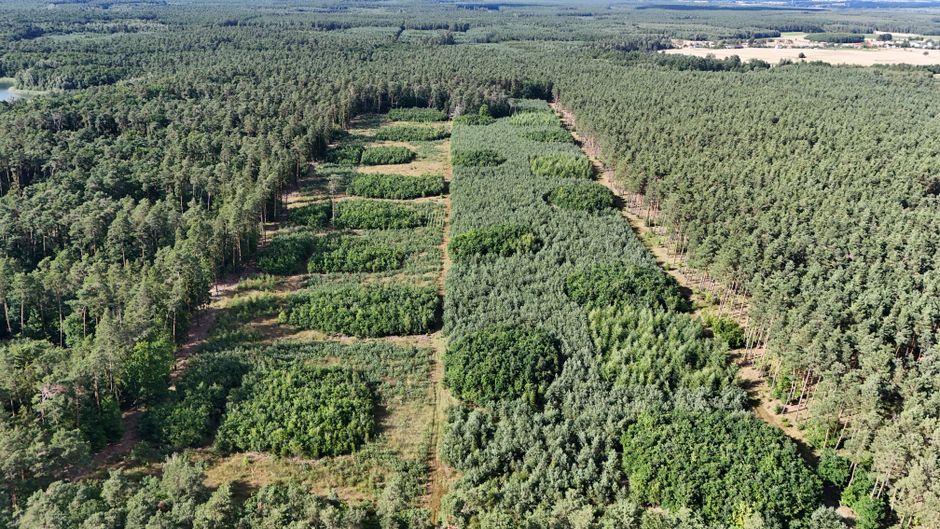
Within this quiet grove, hundreds of pine trees grow with a distinctive 90-degree bend at their base, twisting northwards before growing straight again.
Planted around 1930, the trees in Gryfino's 'Krzywy Las' (Crooked Forest) exhibit a baffling natural anomaly. All 400 trees bend sharply sideways near their roots before curving upwards. Theories range from heavy snow damaging young saplings, to a unique gravitational pull, or even a specialized cultivation technique used by local farmers to produce naturally curved timber for furniture or boat building. The true cause remains an enduring local mystery, adding to the forest's surreal atmosphere.
3. Europe's Widest Waterfall and its Fish-Catching History
Ventas Rumba, Kuldīga, Latvia
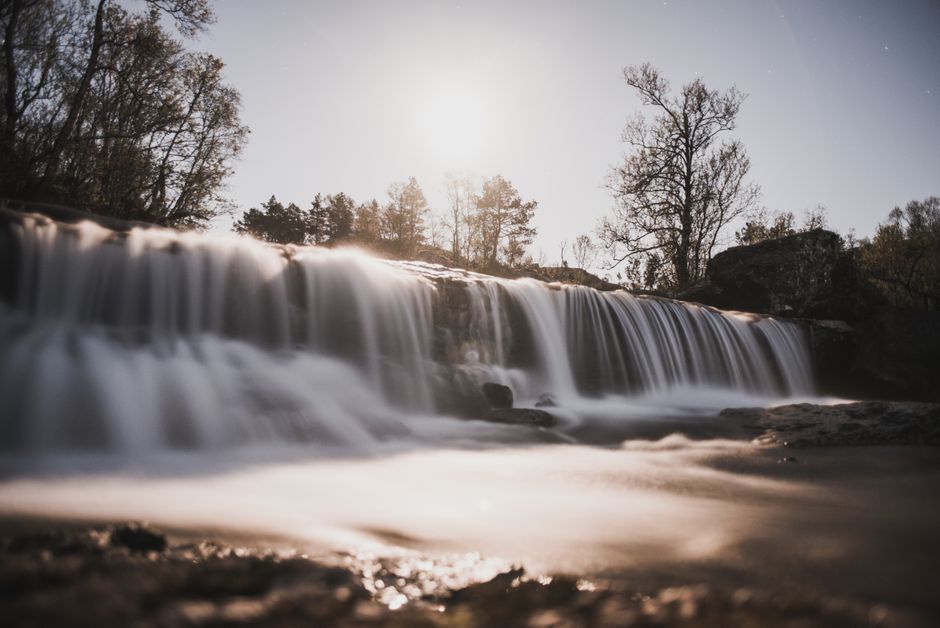
This natural wonder is not only Europe's widest waterfall, spanning 249 meters, but it was once ingeniously used by local dukes to catch salmon mid-air.
The Venta Rapid, a natural wonder formed by a dolomite bedrock shelf, blocks fish migration upstream. To exploit this, the Dukes of Courland devised a clever system in the 17th century: they built wooden traps that would catch salmon and vimba as they attempted to leap over the falls during spawning season. This unique fishing method earned Kuldīga the nickname 'the town where salmon fly,' a testament to its long history intertwined with the river's powerful flow.
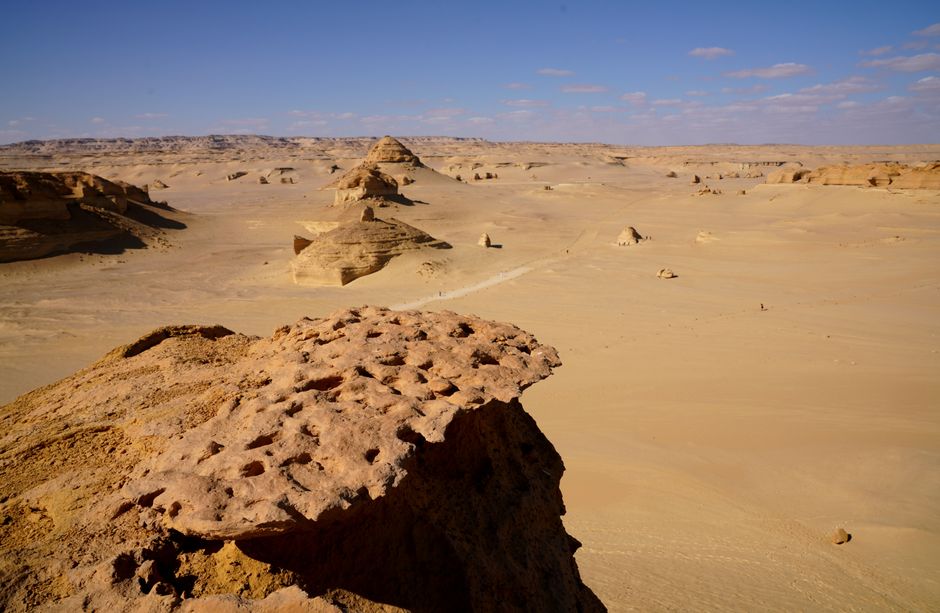
4. The Surreal Sculptures of the White Desert
Farafra Oasis, Egypt
Wind and sand have sculpted the chalk formations of Egypt's White Desert into bizarre, mushroom-like pillars and towering 'icebergs' that seem to float on the sand.
Millions of years ago, this area was an ocean floor, and the white chalk formations are remnants of marine microorganisms. Over millennia, the relentless forces of erosion carved these soft chalk rocks into incredible, otherworldly shapes. Walking through the White Desert feels like stepping onto another planet, with formations resembling giant chickens, sphinxes, and abstract art, especially striking at sunrise or sunset when the light plays across their pale surfaces.
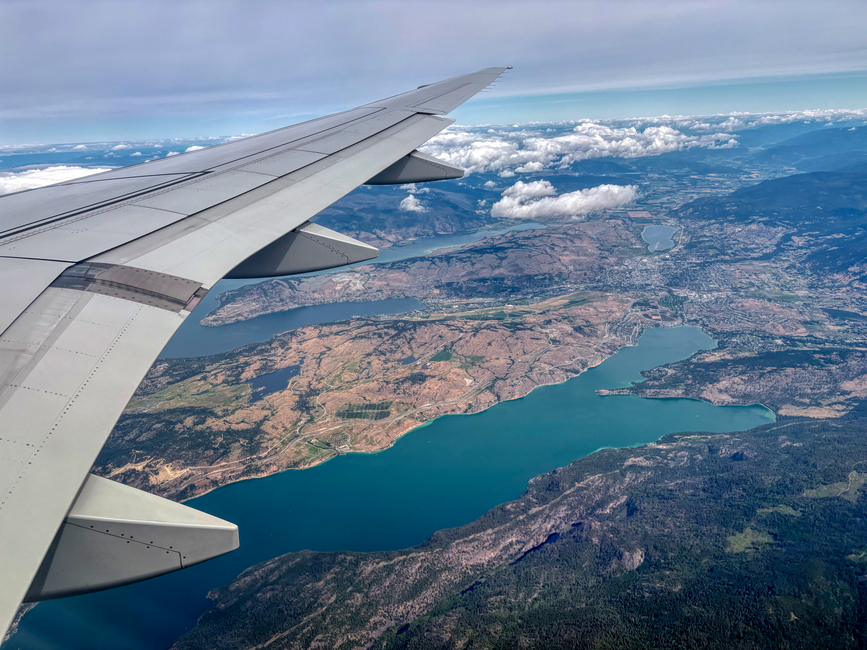
5. The Lake of Polka-Dot Ponds
Spotted Lake, British Columbia, Canada
As the summer heat causes water to evaporate, this unique lake transforms into a mosaic of colorful, mineral-rich pools, creating a giant polka-dotted surface.
Known as 'Kluksh' to the Okanagan First Nations people, Spotted Lake is revered as a sacred site for its healing properties. The lake contains high concentrations of various minerals, including magnesium sulfate, calcium, and sodium sulfates. When the majority of the water evaporates in warmer months, these minerals crystallize and form distinct, colorful rings around the remaining pools, each pond varying in hue from yellow to green to blue, depending on the mineral composition.
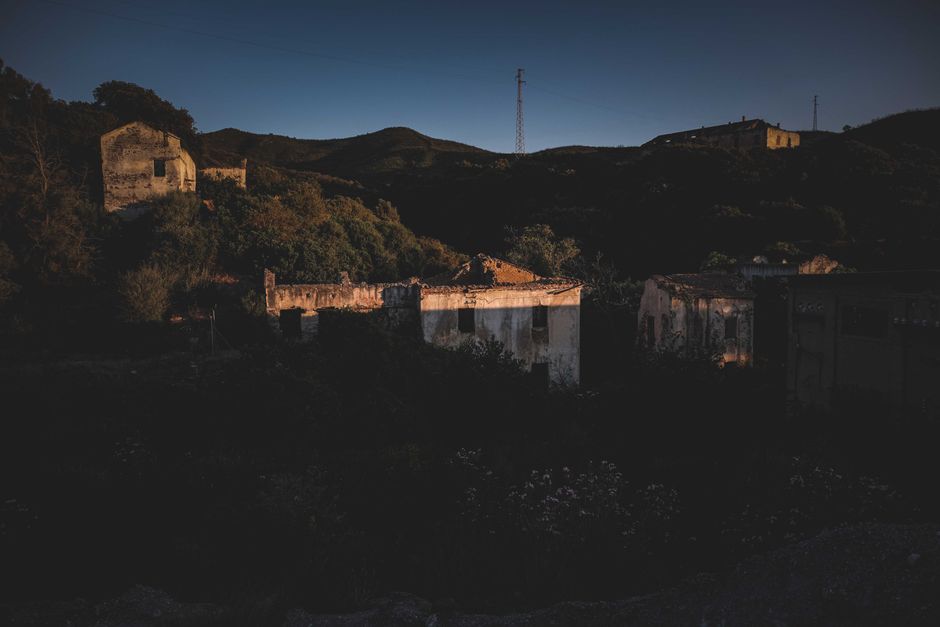
6. The Medieval Ghost Town on the Cliff
Craco, Italy
Perched dramatically atop a clay cliff, this ancient Italian village was abandoned due to landslides and now stands as a haunting, preserved relic of medieval life.
Craco dates back to the 8th century and grew into a thriving agricultural hub, its strategic position offering natural defense. However, the unstable clay soil proved to be its undoing. A series of devastating landslides and floods in the mid-20th century forced its inhabitants to evacuate. Today, its empty stone buildings and crumbling streets remain frozen in time, offering a poignant glimpse into a past abruptly interrupted by geological forces.
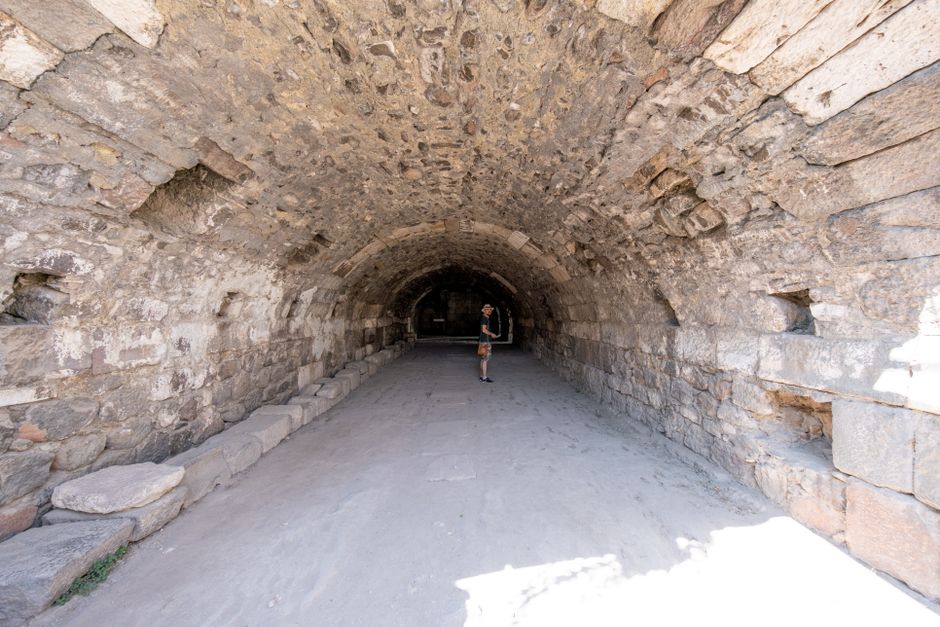
7. The Ancient City Beneath the Earth
Derinkuyu Underground City, Turkey
This massive, multi-level subterranean city in Cappadocia was carved thousands of years ago, capable of sheltering 20,000 people and their livestock from invaders.
Derinkuyu is the deepest of Cappadocia's underground cities, descending over 85 meters (280 feet) into the earth. Its intricate network includes stables, churches, schools, wineries, and living quarters, all protected by massive stone doors that could be rolled shut from the inside. The city was equipped with a sophisticated ventilation system, allowing air to circulate throughout its many levels. It served as a refuge for early Christians fleeing persecution, providing a secure, self-sufficient existence beneath the surface.
Frequently asked questions
What's the best way to find unique places off the beaten path?
Look beyond mainstream travel guides. Explore local tourism boards, niche travel blogs, or forums dedicated to adventure or historical travel. Often, the most rewarding discoveries come from talking to locals or following less-traveled routes.
How can I research the history of a specific landmark while traveling?
Before you go, do a quick online search for local history associations or university projects related to the area. While there, check for small local museums or information plaques. Many places have rich stories that aren't immediately obvious.
Are there apps that provide in-depth information about lesser-known sites?
Yes, several apps focus on historical or cultural insights, often leveraging user-generated content or expert contributions. For truly immersive experiences, look for those that can identify landmarks in real-time and provide detailed narratives.
How does the AllTours.ai app enhance travel to these unique locations?
AllTours.ai transforms your phone into a personal AI audio tour guide. Simply point your camera at any landscape or landmark, and the app will instantly narrate its history, geology, and culture in your preferred language, bringing even the most obscure spots to life.
Related guides
Photography via Pexels. AllTours.ai is an AI audio tour guide — point your camera at any landscape and hear its story.