
September 10, 2026 · 4 min read
Hank Aaron's 23-year Major League Baseball career is a statistical marvel, but numbers alone don't tell the full story. His enduring greatness wasn't just about power or consistency; it was forged in a crucible of perseverance, quiet dignity, and an unwavering commitment to excellence against the backdrop of significant social change.
Beyond the familiar headlines, specific places hold the keys to understanding the man behind the legendary 'Hammerin' Hank.' These aren't just stadiums, but forgotten fields, historic neighborhoods, and significant landmarks that shaped his journey from Mobile, Alabama, to becoming one of baseball's most revered figures.

1. The Sandy Start of a Legend
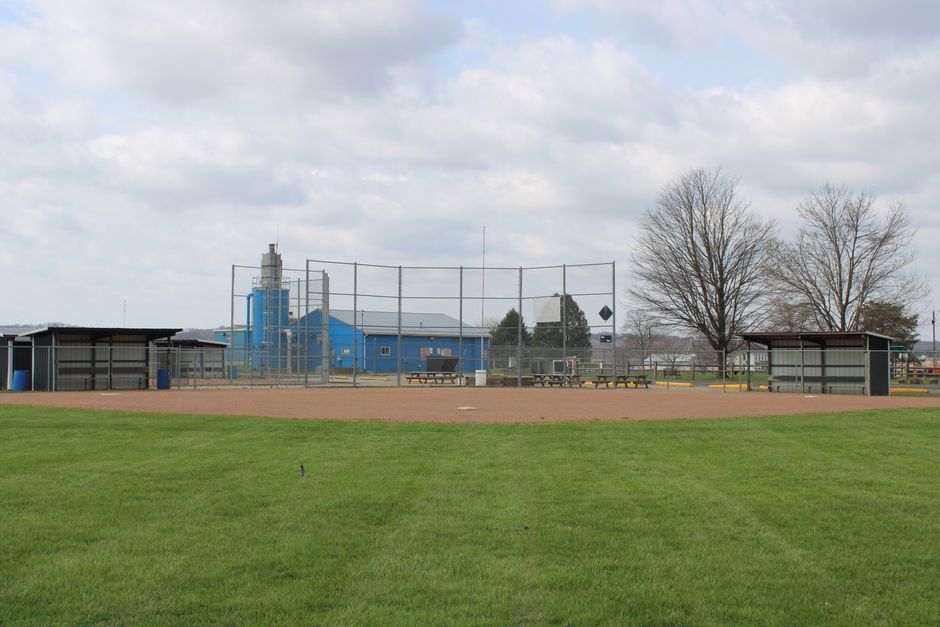
Carver Park, Mobile, Alabama, USA
Before he was Hammerin' Hank, Aaron honed his unique swing on Mobile's dusty sandlots, playing against men twice his age.
In the segregated neighborhoods of Mobile, a young Henry Aaron developed his raw talent on makeshift fields like those once found at Carver Park. Here, playing with older, stronger men, he learned to hit with both power and precision, forging a quiet resilience that would serve him throughout his unparalleled career. These early experiences ingrained the work ethic and mental toughness crucial for his sustained excellence.
2. Northern Racism, Southern Resilience
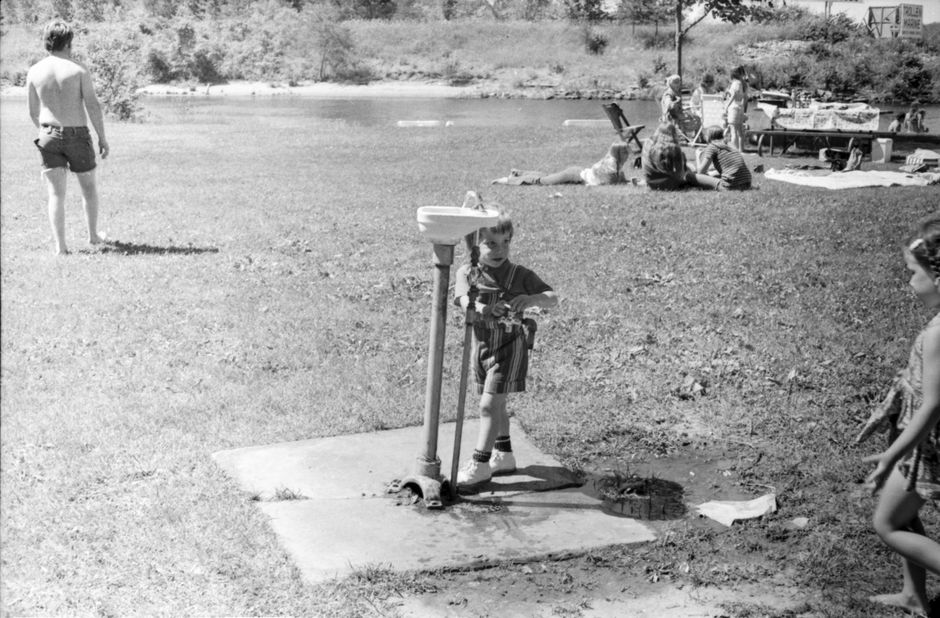
Carson Park, Eau Claire, Wisconsin, USA
Aaron's first professional home run was hit here, but the small-town charm of Eau Claire hid a surprising undercurrent of segregation.
As a promising rookie for the Eau Claire Bears in 1952, Aaron experienced his first taste of professional baseball and, unexpectedly, racial discrimination far from the Deep South. Despite the town's welcoming façade, he and his Black teammates often faced segregated housing and restaurants. It was here, amidst these challenges, that Aaron hit his first professional home run, showcasing his ability to transcend adversity with his bat.
3. Jim Crow on the Diamond
James P. Small Park (formerly Durkee Field), Jacksonville, Florida, USA
Before his MLB debut, Aaron played in the segregated South, where Jim Crow laws dictated even who could sit where at his games.
In 1953, playing for the Jacksonville Braves, Aaron was one of the first Black players to integrate the South Atlantic League. At Durkee Field, he witnessed and endured the harsh realities of Jim Crow firsthand. Separate facilities, segregated seating for fans, and constant indignities were part of daily life, yet Aaron led the league in multiple offensive categories, demonstrating an extraordinary focus and determination under immense pressure.

4. A Link to the Negro Leagues Legacy
Rickwood Field, Birmingham, Alabama, USA
This historic park, home to the Birmingham Black Barons, briefly hosted Aaron, connecting his journey to baseball's rich segregated past.
Before signing with the Milwaukee Braves, Hank Aaron played a handful of games for the Indianapolis Clowns of the Negro American League, including contests at Birmingham's venerable Rickwood Field. This iconic ballpark, a living testament to the Negro Leagues, provided Aaron a crucial early platform and linked him directly to the immense talent and vibrant culture of Black baseball that had been excluded from the major leagues for so long.
5. Quiet Dignity in Milwaukee
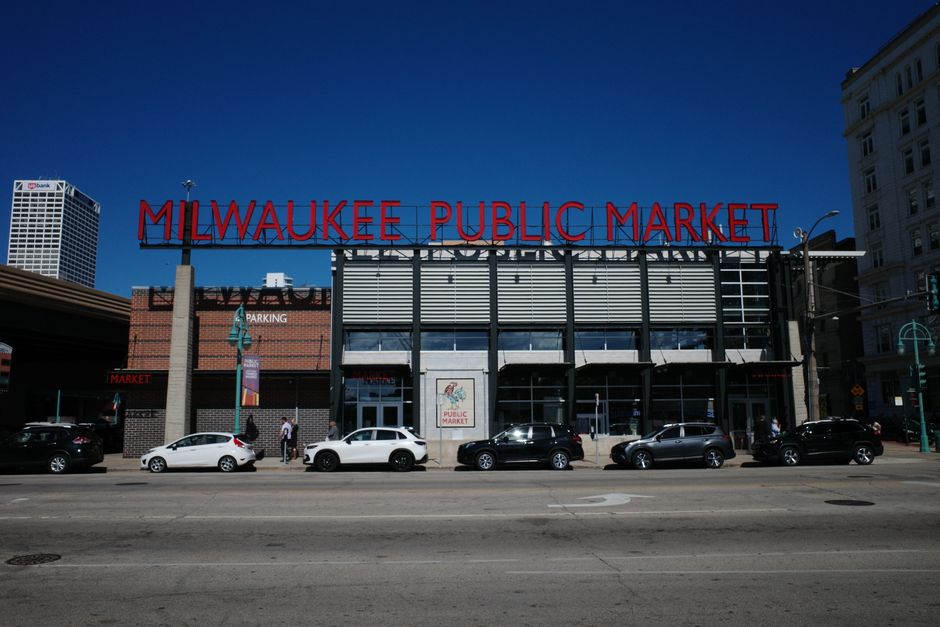
Old Milwaukee County Stadium site, Milwaukee, Wisconsin, USA
The grounds where Aaron began his legendary MLB career saw him quietly navigate subtle racial barriers while becoming a superstar.
From 1954 to 1965, Hank Aaron made his name with the Milwaukee Braves at County Stadium. While less overt than in the South, Aaron still faced racial slights and biases in his daily life. Yet, he consistently let his play speak for itself, establishing a remarkable streak of hitting over 20 home runs for 20 consecutive seasons, a testament to his mental strength and dedication in an era where Black athletes still fought for full acceptance.

6. The Weight of History in Atlanta
Atlanta-Fulton County Stadium site, Atlanta, Georgia, USA
During his historic home run chase, the site of this stadium became a crucible where Aaron endured hate mail and death threats.
As Aaron approached Babe Ruth's home run record in 1973-74, playing for the Atlanta Braves, the pressure at Atlanta-Fulton County Stadium was immense. The stadium became the focal point of a national spectacle, but also a dark period where Aaron received an unprecedented barrage of racist hate mail and death threats. His ability to maintain composure and focus, ultimately breaking the record, showcased not just his physical prowess but an almost superhuman mental fortitude.
7. A Champion of Justice
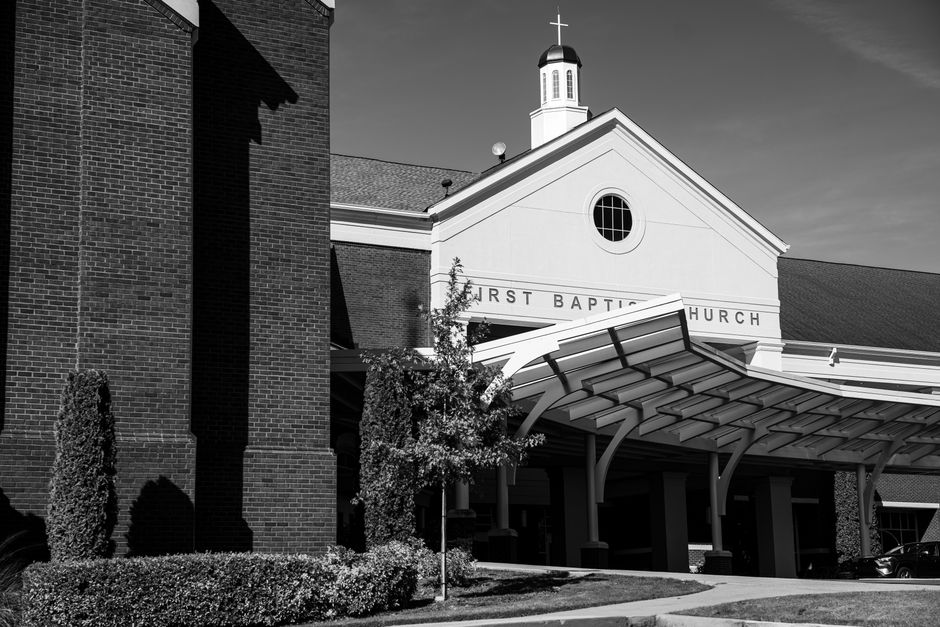
Dexter Avenue King Memorial Baptist Church, Montgomery, Alabama, USA
This landmark of the Civil Rights movement reflects the broader struggle that informed Aaron's quiet but firm commitment to justice.
Though not a place where Aaron played baseball, the Dexter Avenue King Memorial Baptist Church in Montgomery symbolizes the profound social changes and civil rights struggles that defined the era in which he played. Aaron, a lifelong advocate for racial equality, drew strength from and contributed to this movement. His sustained greatness, achieved while breaking barriers, stands as a powerful testament to dignity and progress, making this site a fitting reflection of his enduring legacy beyond the diamond.
Frequently asked questions
What record did Hank Aaron break?
Hank Aaron famously broke Babe Ruth's long-standing career home run record of 714 on April 8, 1974. He finished his career with 755 home runs, a record that stood for over 30 years.
Where did Hank Aaron grow up?
Hank Aaron grew up in Mobile, Alabama. His childhood was spent in the segregated neighborhoods of the city, where he developed his love for baseball on local sandlots and fields.
What challenges did Hank Aaron face during his career?
Aaron faced significant challenges, including widespread racism and segregation throughout his minor and early major league career. Later, during his pursuit of Babe Ruth's home run record, he endured an unprecedented volume of hate mail and death threats, which highlighted the deep-seated racial tensions of the era.
How can AllTours.ai enhance my visit to historical places?
AllTours.ai transforms your phone into a personal AI tour guide. Simply point your camera at any landmark, landscape, or historical marker, and the app will narrate its history, geology, and cultural significance in your preferred language, offering a deeper understanding of the world around you.
Related guides
Photography via Pexels. AllTours.ai is an AI audio tour guide — point your camera at any landscape and hear its story.