July 19, 2026 · 4 min read
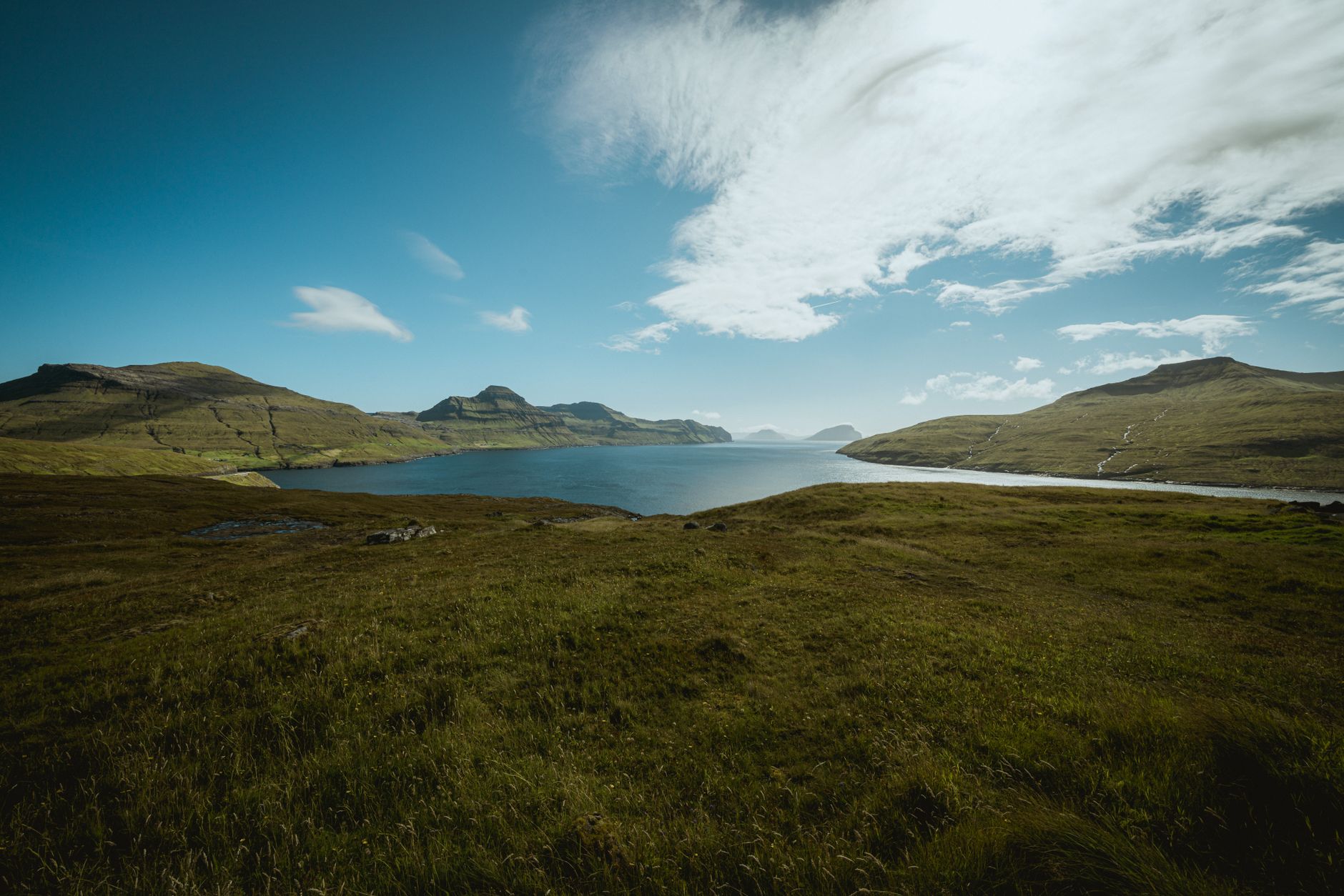
We all have our postcard-perfect island dreams: white sand, swaying palms, and endless turquoise. But what happens when you peel back the layers, venture beyond the well-trodden shores, and ask a different question: What's the most beautiful island you've ever visited, not just in scenery, but in the sheer depth of its story?
The world is dotted with islands that defy easy categorization, places where history, geology, and culture have conspired to create truly unique experiences. These aren't just pretty spots; they are living narratives, waiting to be discovered. Here, we venture to some of the planet's most underrated island gems, each with a surprising tale that will spark your curiosity.
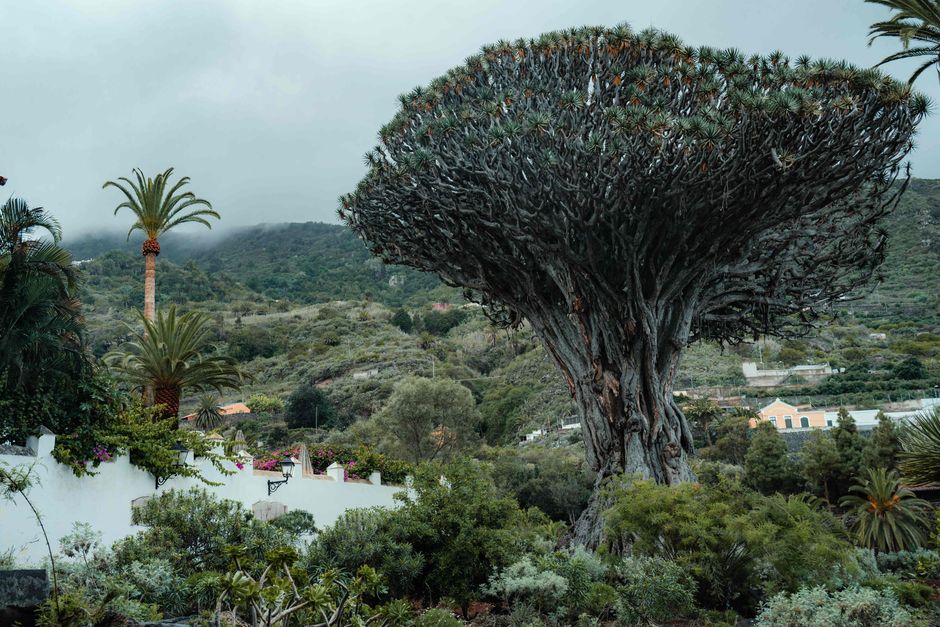
1. The Alien Garden of Socotra
Socotra, Yemen
This island hosts a surreal landscape dominated by the ancient, umbrella-shaped Dragon's Blood Tree, found nowhere else on Earth.
Socotra’s isolation in the Arabian Sea has fostered an extraordinary level of endemism, making it feel like a different planet. Its unique flora, including the iconic Dragon's Blood Tree whose red sap was historically used for medicine and dye, has earned it a UNESCO World Heritage designation. Beyond the trees, you'll find bottle trees resembling giant bulbs and rare birds.
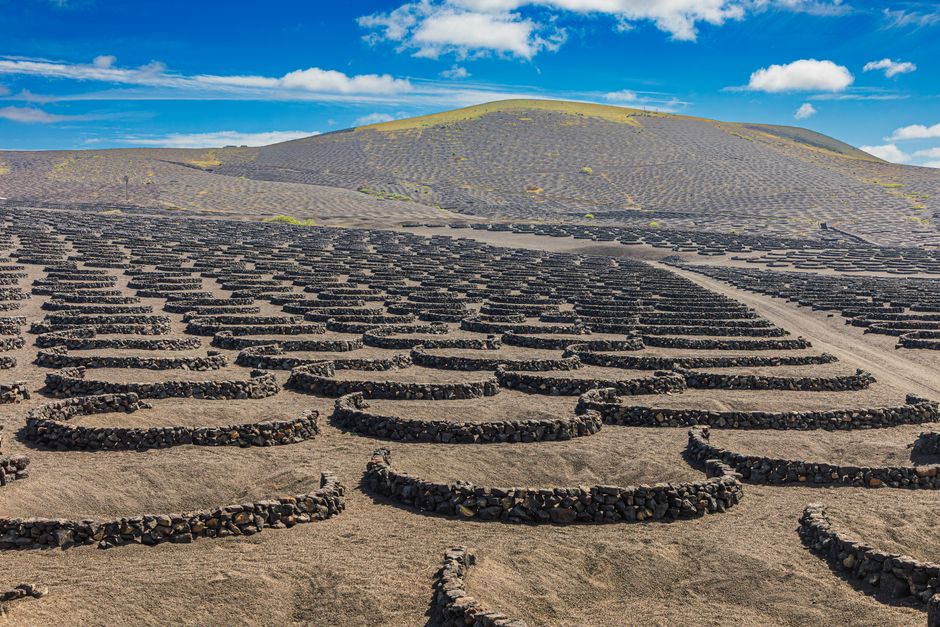
2. Fogo: Where Volcanoes Make Wine
Fogo, Cape Verde
On this active volcanic island, vineyards thrive on the rich, black ash of a constantly simmering caldera, producing unique wines.
Fogo, meaning "fire" in Portuguese, is dominated by Pico do Fogo, an active volcano whose last major eruption was in 2014. Despite the dramatic landscape, a resilient community lives inside the caldera, cultivating grapes in the fertile volcanic soil. The resulting "Chã" wines are distinct, offering a taste of the island's fiery spirit and the ingenuity of its inhabitants.
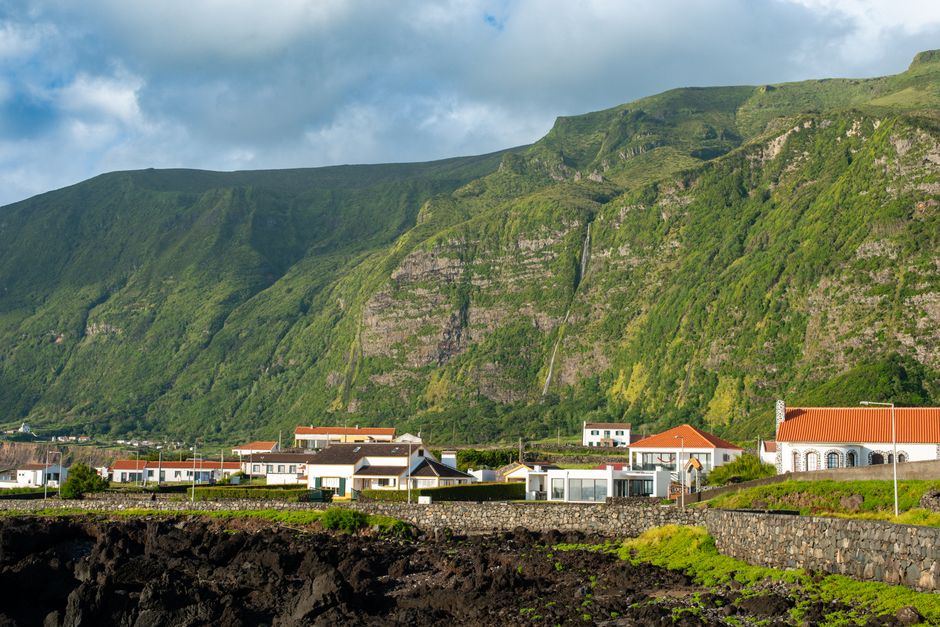
3. Flores: The World's Westernmost Bloom
Flores, Azores, Portugal
Known as the "Island of Flowers," Flores is a lush, vibrant green paradise, dotted with hundreds of waterfalls cascading into sapphire lakes.
As the westernmost point of Europe, Flores lives up to its name with an explosion of hydrangeas, azaleas, and wild flowers blanketing its volcanic hills. It's a UNESCO Biosphere Reserve, renowned for its dramatic coastal cliffs, pristine crater lakes, and an abundance of waterfalls that often plunge directly into the ocean. The island offers a profound sense of untouched natural beauty.
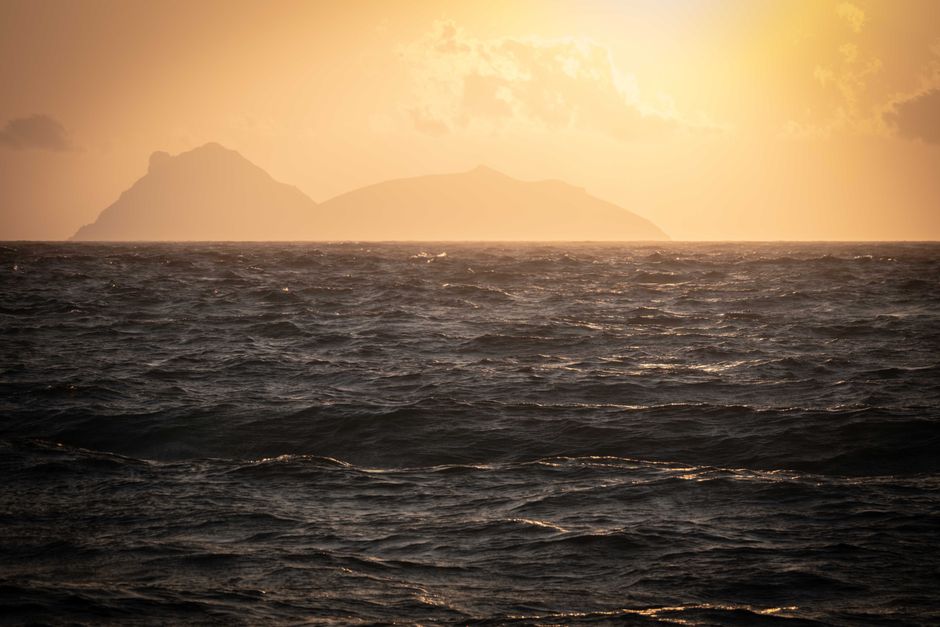
4. Lord Howe: The Lazarus Insect's Home
Lord Howe Island, Australia
This crescent-shaped volcanic remnant is home to the Lord Howe Island stick insect, once thought extinct for decades before a miraculous rediscovery.
Lord Howe Island is a pristine, subtropical paradise, a UNESCO World Heritage site known for its dramatic volcanic peaks, crystal-clear lagoons, and the world's southernmost coral reef. Its most remarkable resident is the 'tree lobster,' a large stick insect believed extinct since the 1920s, only to be found thriving on a single melaleuca bush on a nearby sea stack in 2001, a true biological resurrection.
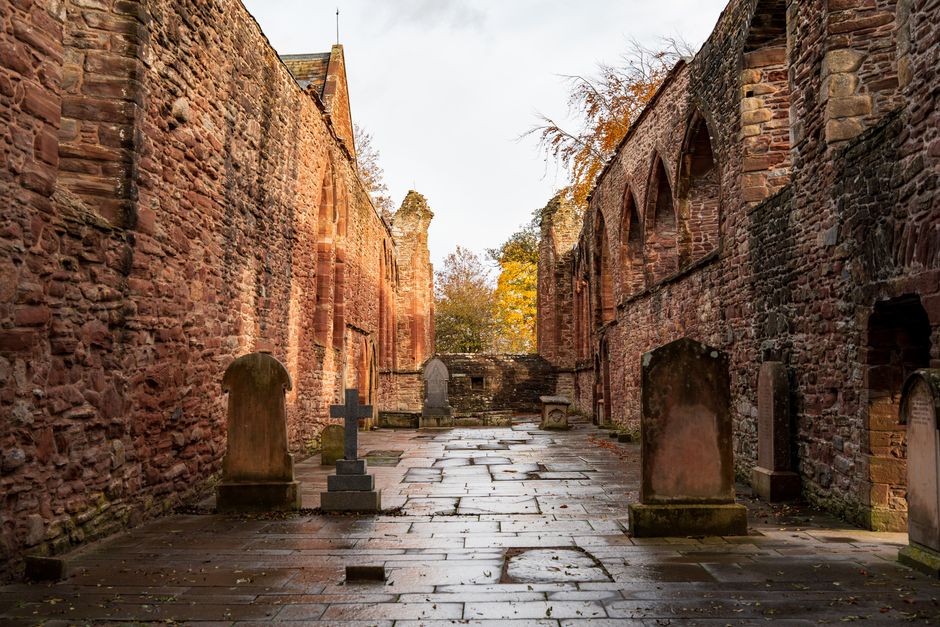
5. Iona: Cradle of Celtic Christianity
Iona, Scotland
This tiny, tranquil island off the coast of Mull is considered a sacred place, the birthplace of Celtic Christianity in Scotland.
Despite its small size, Iona holds immense historical and spiritual significance. In 563 AD, St. Columba arrived here from Ireland, establishing a monastery that became a beacon of learning and faith, influencing much of Western Europe. Today, pilgrims and visitors are drawn to its serene abbey, white shell-sand beaches, and ancient burial grounds, feeling the profound sense of peace and history.
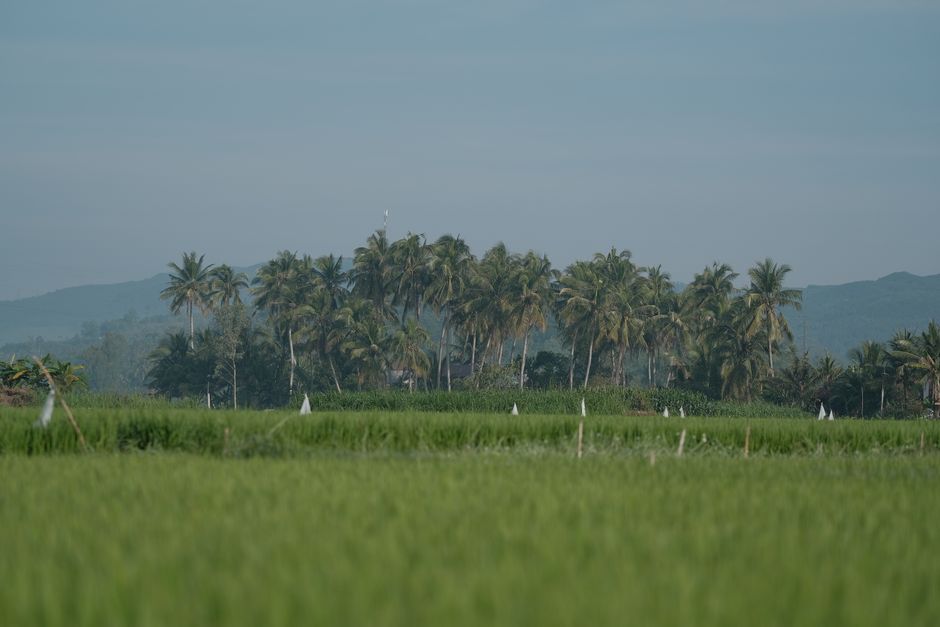
6. Comoros: The Perfume Islands' Secret
Comoros, East Africa
This archipelago is renowned as the "Perfume Islands" due to its vast cultivation of ylang-ylang, and also guards the secret of the ancient coelacanth fish.
Nestled between Mozambique and Madagascar, the Comoros islands are a less-traveled gem. Visitors are greeted by the heady scent of ylang-ylang, vanilla, and cloves, which thrive in its volcanic soil and tropical climate. More remarkably, its deep waters harbor a living fossil, the coelacanth, a prehistoric fish once thought extinct for 65 million years, making these islands a unique biological treasure.
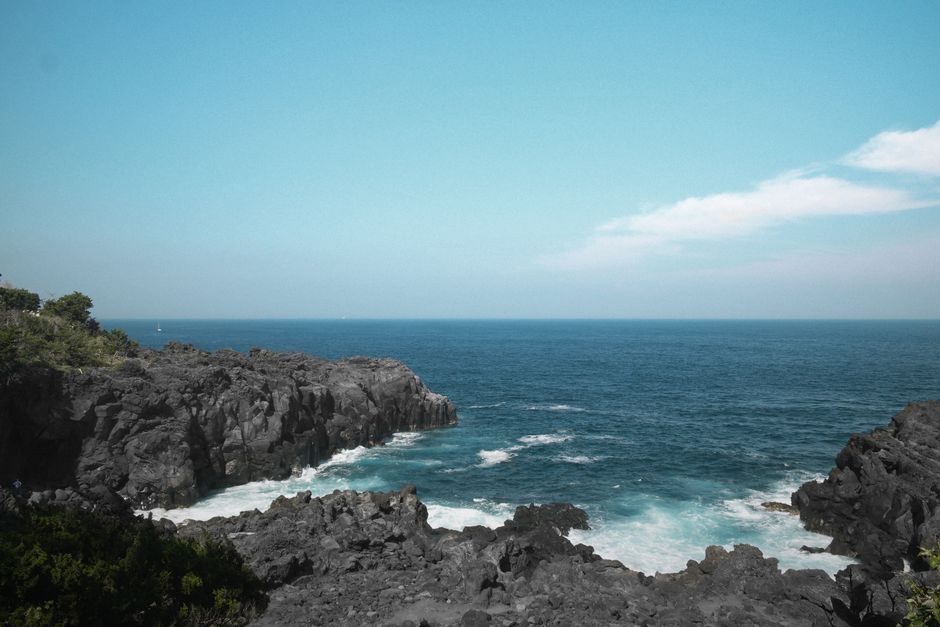
7. Ulleungdo: Korea's Mystical Volcanic Pearl
Ulleungdo, South Korea
This rugged volcanic island, often shrouded in mist, is a natural wonderland of dramatic cliffs, ancient forests, and unique squid fishing culture.
Far off Korea's east coast, Ulleungdo is a dramatic landscape carved by ancient volcanic activity. Its steep, forested slopes plunge directly into the sea, creating breathtaking coastal scenery. Renowned for its incredibly fresh seafood, especially squid, the island offers a glimpse into a distinct Korean maritime culture. It’s a place of wild beauty and tranquility, untouched by mass tourism.
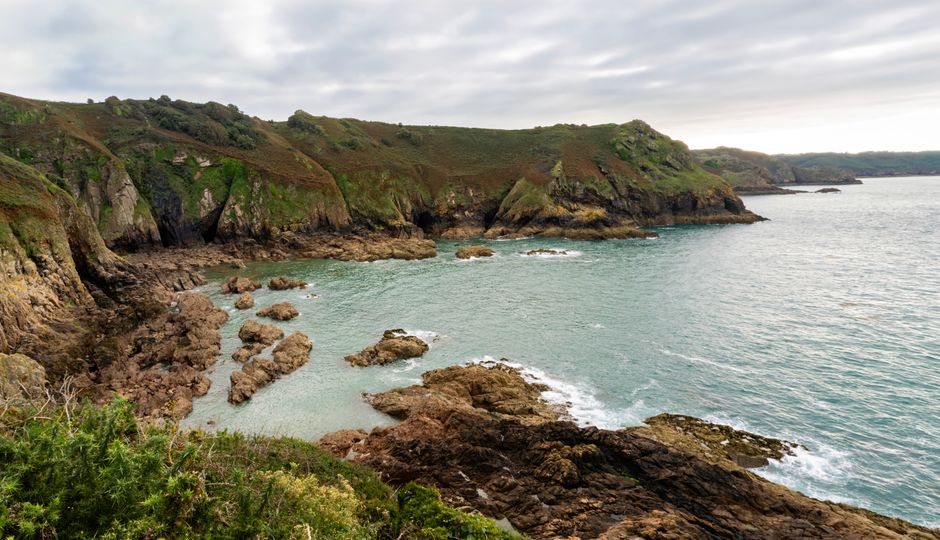
8. St. Kilda: The Abandoned Atlantic Outpost
St. Kilda, Scotland
This remote, windswept archipelago in the North Atlantic was once home to Britain's most isolated community, evacuated in 1930, leaving behind poignant remnants.
St. Kilda, a dual UNESCO World Heritage site, is a testament to human resilience and the raw power of nature. Its former inhabitants developed unique methods for survival, including the 'cleits,' stone storage structures still dotting the landscape. Today, the islands are a haven for millions of seabirds, including the largest colony of gannets in the world, offering a powerful sense of isolation and history.
Frequently asked questions
How do I find truly unique islands beyond the typical tourist spots?
Researching islands with UNESCO designations for natural or cultural heritage, looking into remote archipelagos, or exploring less-developed regions often uncovers these hidden gems. Local tourism boards for specific countries can also provide excellent insights into their less-frequented islands.
What's the best time of year to visit remote islands for good weather and fewer crowds?
This varies greatly by location. Generally, shoulder seasons (spring and autumn) often offer a balance of pleasant weather and fewer tourists compared to peak summer. Always check the specific climate and peak travel times for your chosen island to ensure the best experience.
Are these lesser-known islands safe and accessible for independent travelers?
Most islands, even remote ones, are generally safe, but accessibility can be challenging, often requiring longer travel times, smaller planes, or ferries. It's crucial to research local infrastructure, visa requirements, and any travel advisories for your destination well in advance. Some may require permits or guided tours due to conservation efforts.
How can the AllTours.ai app enhance my visit to these beautiful islands?
AllTours.ai acts as your personal AI audio guide, bringing the stories of these islands to life. Simply point your phone camera at a landmark, a unique tree, or a dramatic cliff, and the app will narrate its history, geology, and cultural significance in your language, providing a deeper and more immersive understanding of these extraordinary places.
Related guides
Photography via Pexels. AllTours.ai is an AI audio tour guide — point your camera at any landscape and hear its story.