July 10, 2026 · 5 min read
We all crave that culinary magic: a meal that’s cheap to make but tastes like it came from a Michelin-starred kitchen. But what if we applied that same desire for value and profound satisfaction to our travel experiences? The world is full of places offering rich, immersive 'meals' for the soul that don't require a lavish budget.
Beyond the tourist traps and well-trodden paths lie hidden gems – places with stories so vivid, histories so deep, and cultures so unique, they taste like the finest restaurant fare. Forget the typical postcards; these are the authentic flavors of discovery, waiting for you to unearth them.
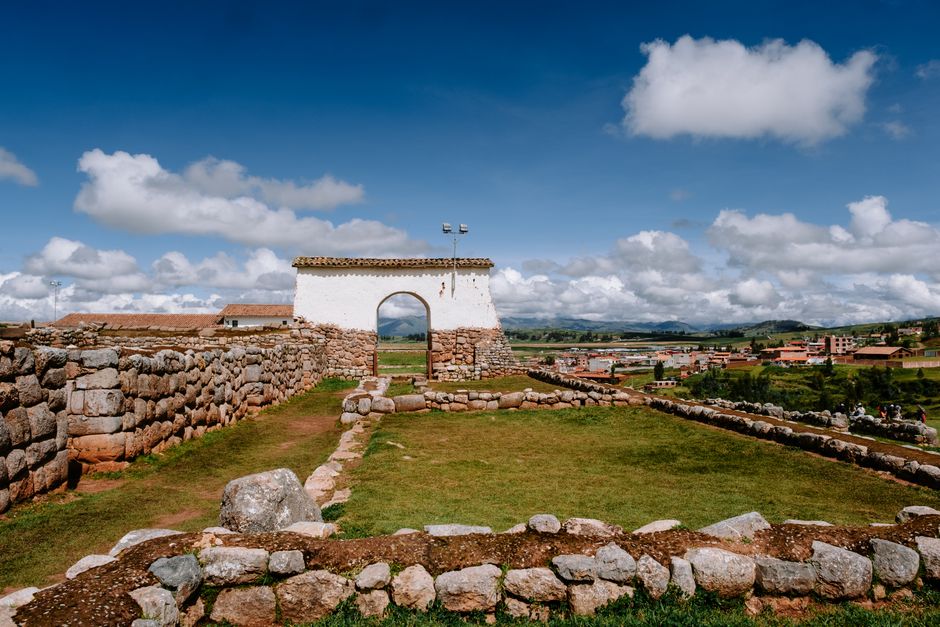
1. Chinchero's Living Loom
Chinchero, Peru
A vibrant market built on Inca ruins, where ancient traditions of natural dyeing are still practiced.
Chinchero, perched high in the Sacred Valley, is a living Inca town where the Sunday market thrives on a colossal Inca wall. Unlike tourist-centric markets, this is a local hub where Quechua-speaking women, heirs to millennia of textile artistry, sell their vibrant naturally-dyed goods. Witnessing their intricate weaving demonstrations, using techniques passed down through generations and dyes made from local plants and insects, is a profound cultural immersion that tastes far richer than any curated tourist experience.
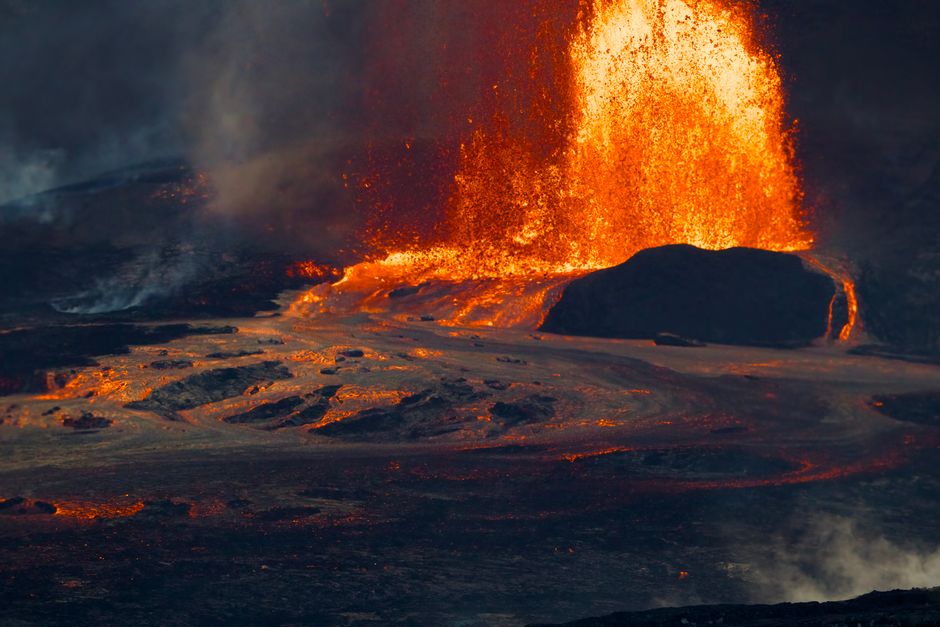
2. The Door to Hell's Eternal Blaze
Darvaza Gas Crater, Turkmenistan
A perpetually burning crater, accidentally ignited by Soviet geologists over 50 years ago, now a mesmerizing inferno in the desert.
In the desolate Karakum Desert of Turkmenistan lies the Darvaza Gas Crater, famously dubbed the 'Door to Hell.' This immense fiery pit, roughly 70 meters wide, has been burning continuously since 1971 when Soviet engineers, drilling for natural gas, accidentally collapsed a cavern. Fearing the spread of poisonous methane, they decided to burn it off, expecting it to extinguish in weeks. Over five decades later, it remains a surreal, glowing spectacle, a testament to an epic geological miscalculation and a truly unforgettable sight.
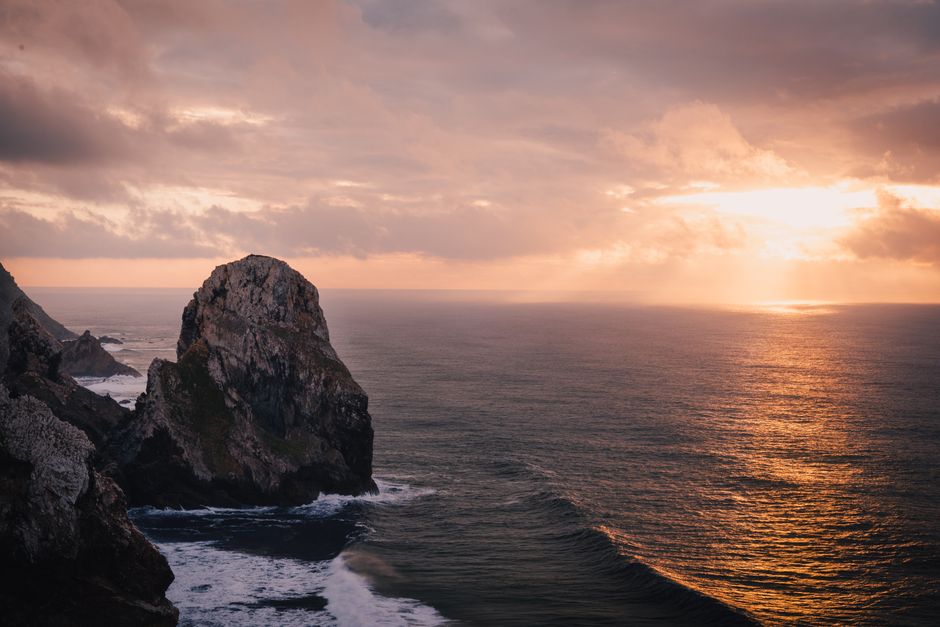
3. Europe's Dramatic Edge
Cabo da Roca, Portugal
The windswept westernmost point of continental Europe, once believed to be the edge of the known world, where cliffs plunge into the Atlantic.
Cabo da Roca, within the Sintra-Cascais Natural Park, marks the dramatic westernmost point of mainland Europe. Here, rugged cliffs rise over 140 meters above the crashing Atlantic, where ancient mariners believed the world simply ended. A lighthouse, operational since 1772, stands sentinel over this raw, untamed landscape. The sheer power of the ocean meeting the land, combined with the historical weight of its position as the boundary of the known world, offers an almost spiritual experience that feels deeply profound and entirely free.
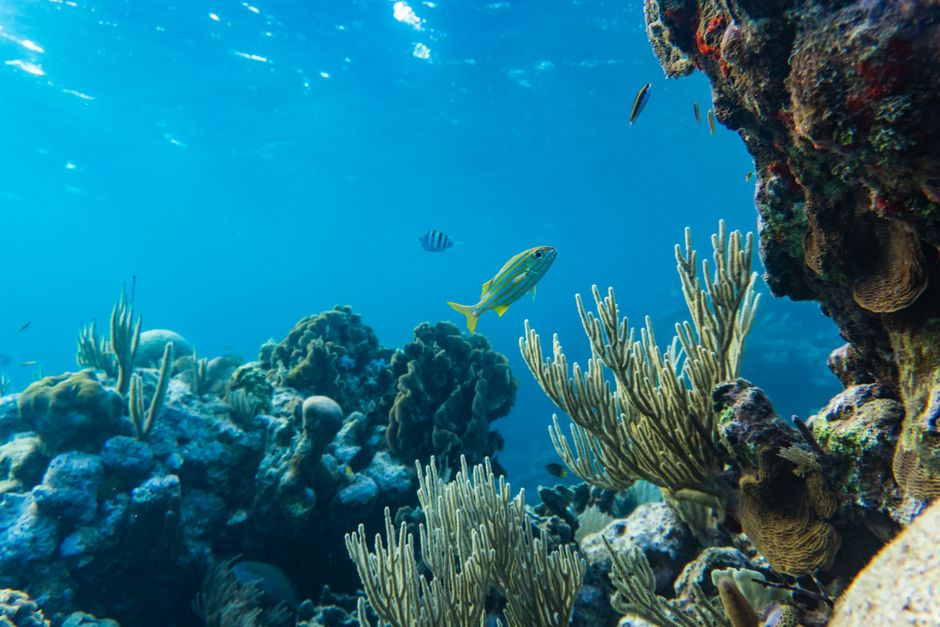
4. Pigeon Island's Resilient Reefs
Pigeon Island National Park, Sri Lanka
A small island off Sri Lanka's coast, home to vibrant coral reefs that miraculously recovered after the 2004 tsunami.
Just off the coast of Nilaveli in eastern Sri Lanka, Pigeon Island National Park is a marine sanctuary famed for its stunning coral reefs. What makes it truly remarkable is the resilience of its ecosystem: many of these vibrant corals have made a significant recovery since the devastating 2004 tsunami. Snorkeling here brings you face-to-face with reef sharks, turtles, and countless fish species, a testament to nature's ability to heal and a powerful, living lesson in environmental wonder.
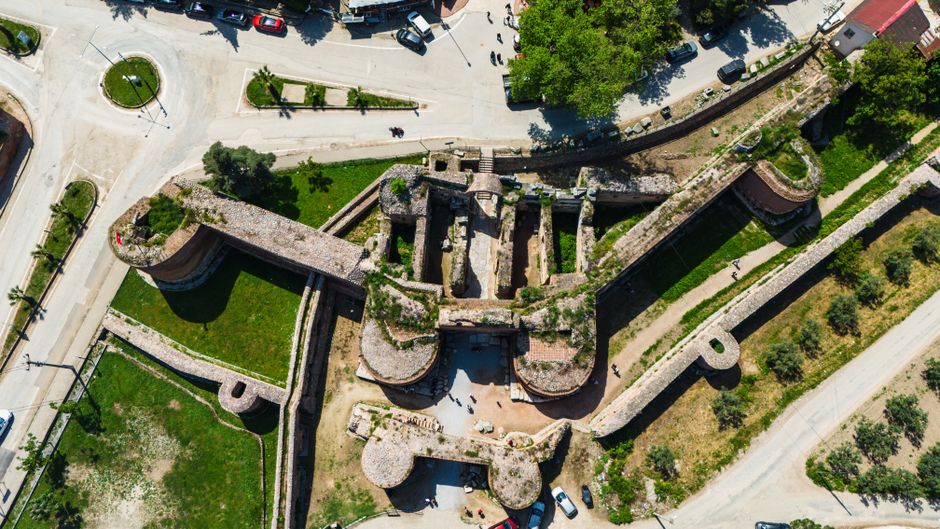
5. Kuelap's Cloud Warrior Citadel
Kuelap, Peru
A massive pre-Inca stone fortress in the cloud forest, built by the 'Cloud Warriors' centuries before the Inca Empire.
High in the Amazonian cloud forest of northern Peru lies Kuelap, a monumental stone fortress built by the Chachapoya people, known as the 'Cloud Warriors,' long before the Inca rose to power. Its colossal defensive walls, some reaching 19 meters high, enclose hundreds of circular stone houses, many still adorned with intricate friezes. Reaching Kuelap, often via a dramatic cable car over the lush valleys, reveals a forgotten civilization's genius and offers a profound sense of discovery far from the tourist crowds.
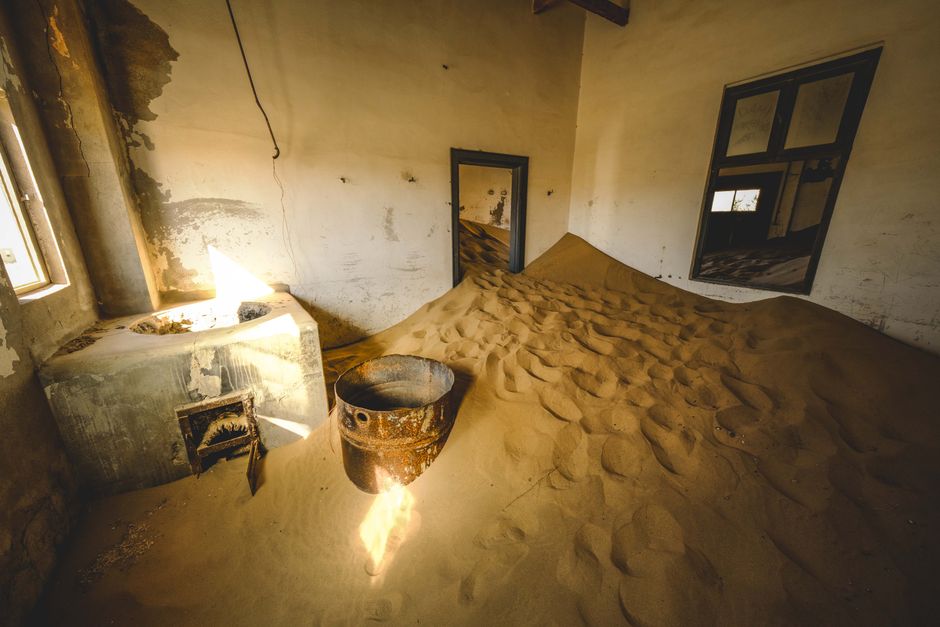
6. Kolmanskop's Sand-Filled Echoes
Kolmanskop, Namibia
A diamond mining ghost town in the Namib Desert, slowly being reclaimed by shifting sands.
Deep in the Sperrgebiet — Namibia's forbidden diamond area — lies Kolmanskop, a surreal ghost town swallowed by the Namib Desert. Once a bustling German settlement at the turn of the 20th century, it thrived on diamond finds. After the diamond fields depleted, it was abandoned in 1954, leaving behind grand houses now filled with sand up to their windows, their opulent European architecture decaying under the harsh desert sun. Wandering through its sand-choked rooms is like stepping into a time capsule, a powerful visual story of boom, bust, and nature's inexorable reclaim.
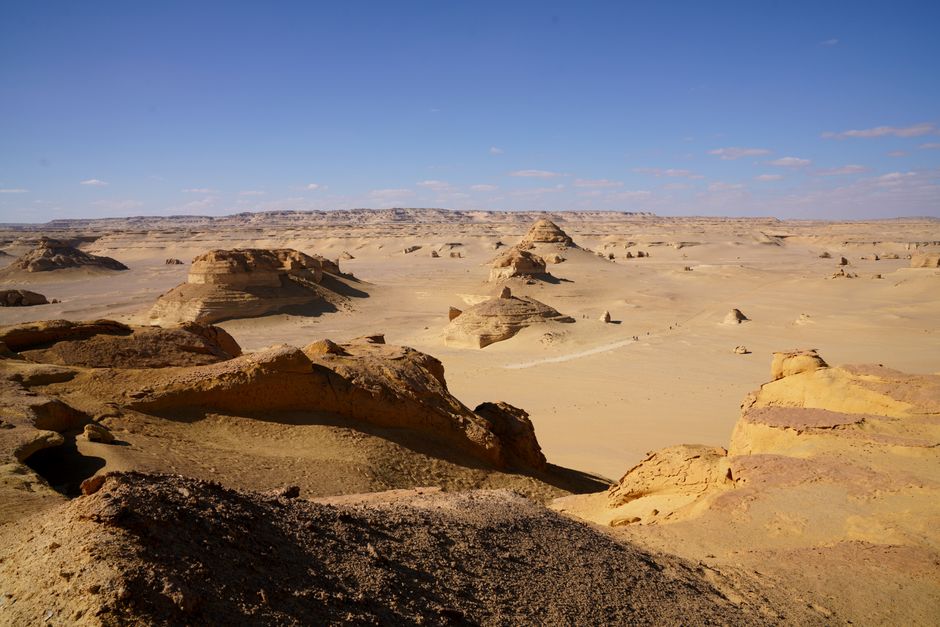
7. Egypt's White Desert Sculptures
Farafra Oasis (White Desert), Egypt
A surreal desert landscape in Egypt where chalk rock formations, sculpted by wind and sand, resemble giant mushrooms and icebergs.
The White Desert, near Farafra Oasis in Egypt's Western Desert, is a geological marvel unlike any other. Over millennia, wind and sand have sculpted enormous chalk rock formations into bizarre, fantastical shapes – colossal mushrooms, towering icebergs, and abstract art pieces rising from the golden sands. Camping under a blanket of stars amidst these natural sculptures, which glow eerily white in the moonlight, offers an otherworldly experience that feels ancient, silent, and deeply profound, a true 'meal' for the senses.
8. Fingal's Cave's Basalt Symphony
Isle of Staffa, Scotland
A remote Scottish island featuring hexagonal basalt columns and a sea cave whose natural acoustics inspired Mendelssohn.
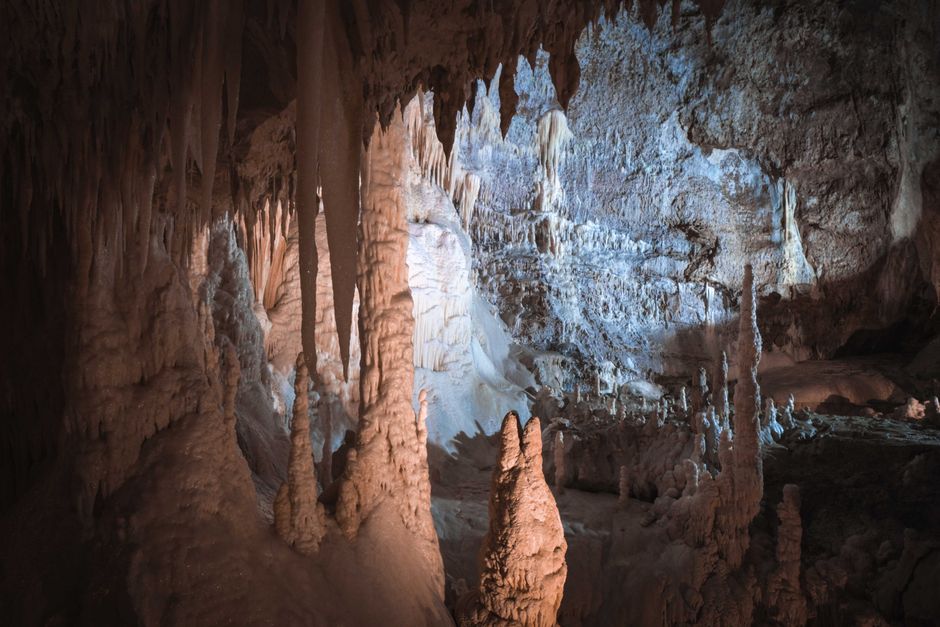
The uninhabited Isle of Staffa, part of the Inner Hebrides, is a geological wonder renowned for Fingal's Cave. This sea cave is formed entirely from magnificent hexagonal basalt columns, much like the Giant's Causeway, creating a cathedral-like interior. The unique acoustics inside the cave, where the waves echo and reverberate, so captivated composer Felix Mendelssohn that it inspired his 'Hebrides Overture.' Visiting this remote island and experiencing the cave's natural symphony is a primal, awe-inspiring connection to earth's ancient forces.
9. Zipaquirá's Salt Cathedral
Zipaquirá, Colombia
A functional Roman Catholic church carved entirely within an active salt mine deep underground in Colombia.
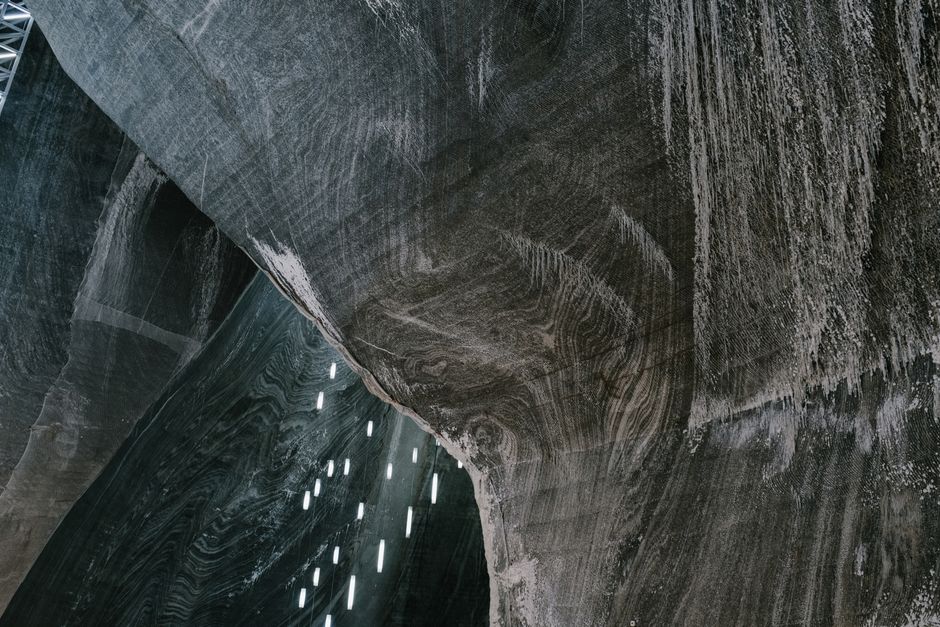
Near Bogotá, Colombia, lies the extraordinary Salt Cathedral of Zipaquirá, a fully functional Roman Catholic church ingeniously carved into the tunnels of an active salt mine. Descending 200 meters underground, visitors walk through a series of dimly lit stations of the cross, each a small grotto carved from salt, leading to the massive main cathedral chamber. This breathtaking feat of engineering and devotion, where every altar, cross, and sculpture is hewn from salt, offers a profound and almost mystical experience unlike any other church in the world.
Frequently asked questions
How can I find truly unique travel destinations off the beaten path?
Look for places with strong historical, geological, or cultural significance that aren't heavily marketed. Consult local guides, read specialized travel blogs, or explore regions adjacent to popular spots. Often, the most rewarding experiences are found just a short distance from major attractions.
Is it really possible to have profound travel experiences on a tight budget?
Absolutely. Many of the most impactful travel experiences involve natural wonders, historical sites with free or low entry fees, or cultural immersions like local markets and festivals. Focusing on walking, local transport, and self-catering can significantly reduce costs while enhancing authenticity.
What does 'tastes like restaurant food' mean in a travel context?
It's a metaphor for an experience that is rich, satisfying, and deeply memorable, much like a perfectly crafted meal. These places offer profound insights, stunning visuals, and unique stories that leave a lasting impression, often costing little to nothing but providing immense value.
How can AllTours.ai help me discover these hidden gems?
AllTours.ai is designed to bring these stories to life. Simply point your phone camera at a landscape or landmark, and the app will narrate its history, geology, and culture in your language. It’s like having an expert guide in your pocket, revealing the rich 'flavor' of every place you visit, making every discovery deeper and more meaningful.
Related guides
Self-guided audio tours
Walk these places stop by stop — free five-stop story tours you can take at your own pace:
Photography via Pexels. AllTours.ai is an AI audio tour guide — point your camera at any landscape and hear its story.