September 11, 2026 · 4 min read
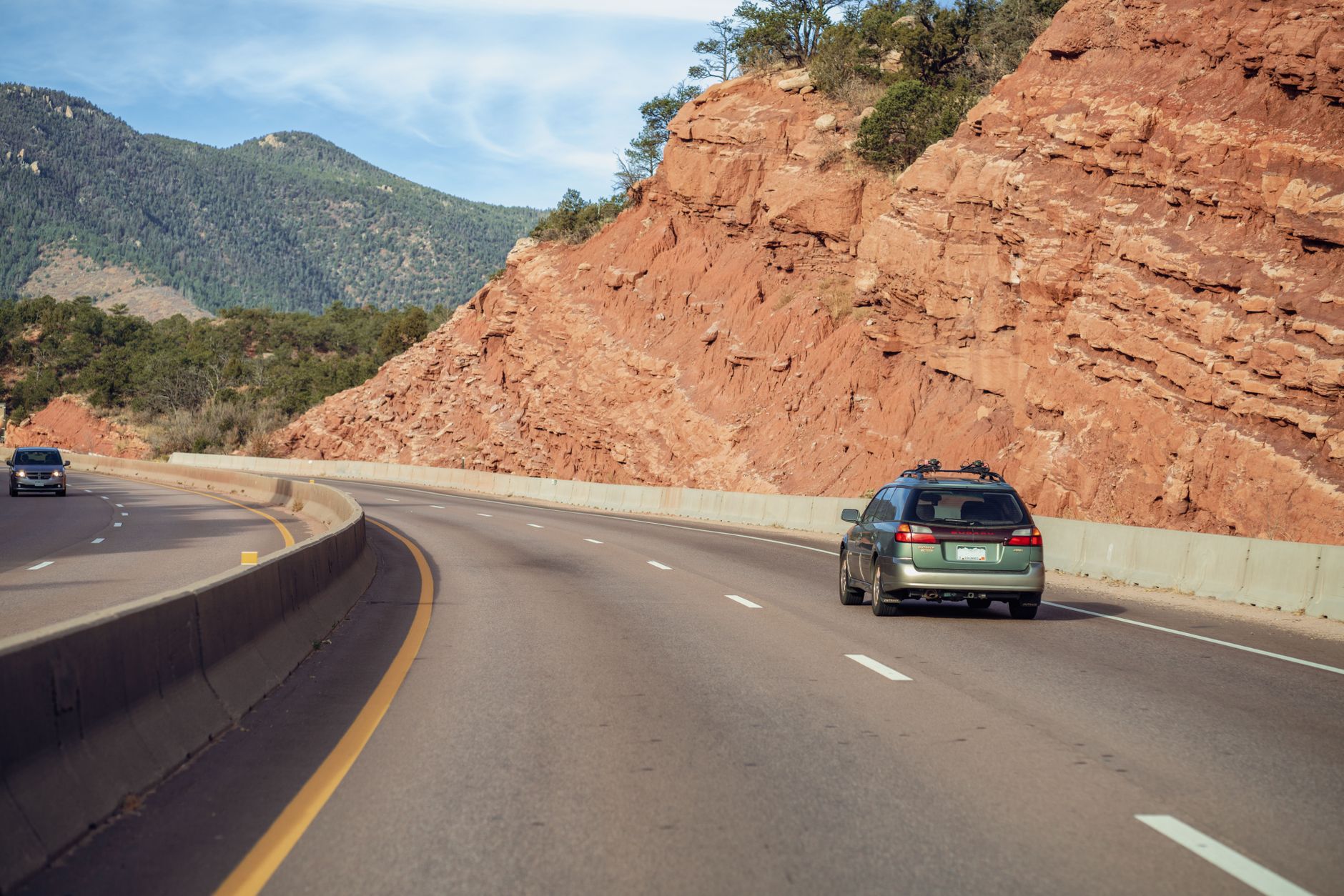
America is a land of endless vistas and hidden histories, but charting a course from its Pacific shores to the Atlantic can feel daunting. Most travelers gravitate towards the well-trodden paths, missing out on the truly unique stories embedded in the landscape.
This guide answers the question: What’s the most beautiful and practical route for a road trip from the West Coast to the East Coast of the United States? We've curated a journey that balances stunning scenery with manageable driving, uncovering surprising geological formations, ancient cultural sites, and forgotten historical chapters far from the usual tourist traps.
1. Desert of Ancient Seas
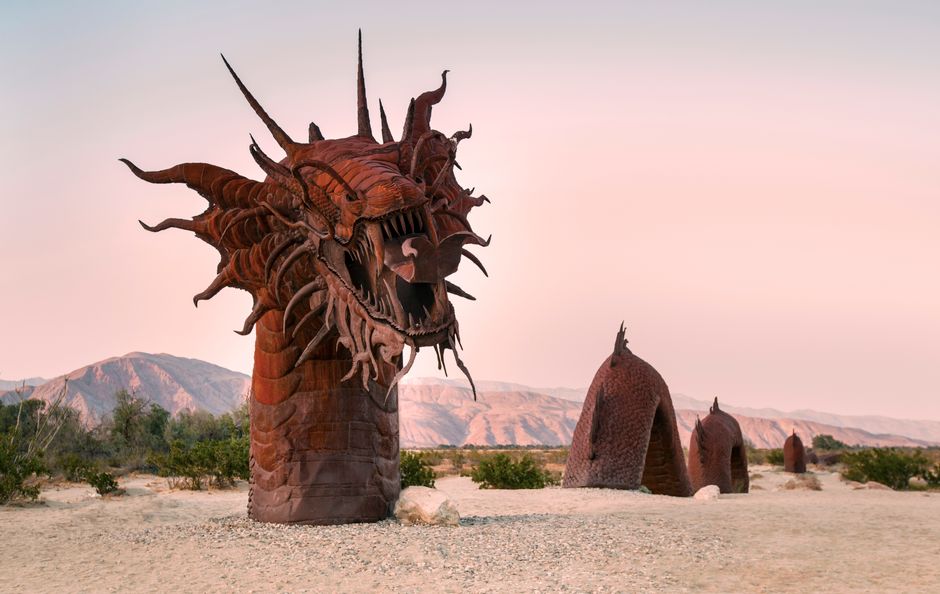
Anza-Borrego Desert State Park, USA
This seemingly barren desert was once submerged under an ancient sea, leaving behind a wealth of marine fossils.
The badlands here reveal a dramatic geological story, with layers of sediment preserving evidence of mastodons, camels, and giant ground sloths alongside fossilized whale bones, proving this arid landscape was once an ocean floor and then a lush savannah. The erosion has carved intricate slot canyons and mud caves, making it a paleontological playground.
2. Fire-Colored Ancient Art
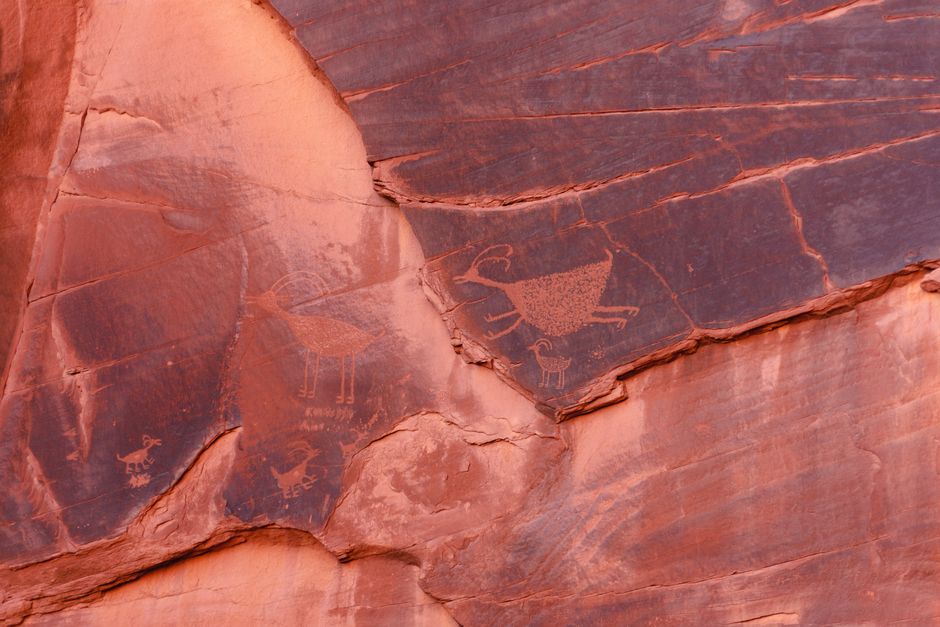
Valley of Fire State Park, USA
The vibrant red rocks here were once ancient sand dunes that petrified and uplifted, bearing petroglyphs etched by people over 3,000 years ago.
Nevada's oldest state park is a geological wonderland of Aztec sandstone, formed from shifting sand dunes during the Jurassic period. Its striking colors, particularly at sunrise or sunset, reveal the iron oxidation within the rock. Ancient Pueblo peoples left behind enigmatic rock art, depicting animals, human figures, and abstract symbols, offering a window into their spiritual and daily lives.
3. The Valley of Goblins
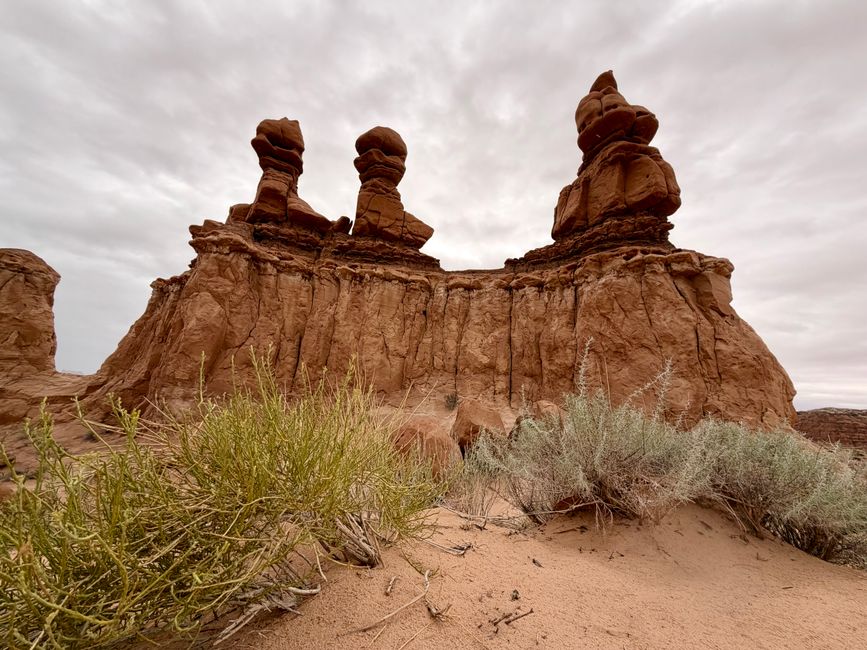
Goblin Valley State Park, USA
Thousands of bizarre, mushroom-shaped rock formations, known as 'goblins,' stand in a Martian-like landscape that was once a tidal flat bordering an ancient sea.
The curious hoodoos of Goblin Valley were sculpted over millions of years by the interplay of harder caprocks protecting softer sandstone beneath, eroded by wind and water. These formations are remnants of sediments deposited by an ancient sea and later streams, creating a landscape so unique it feels like another planet. It's an open-air museum of geological time, inviting visitors to wander among its whimsical stone figures.
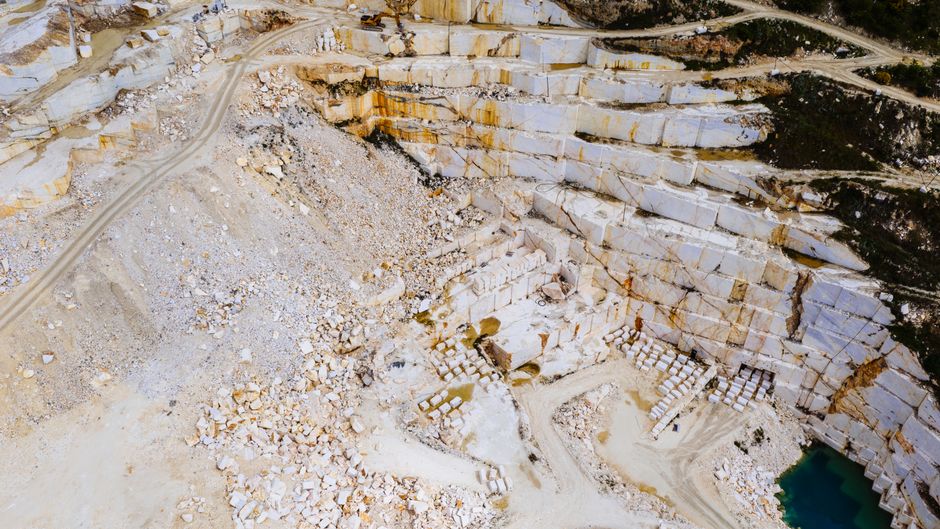
4. Wall of Giants
Dinosaur National Monument, USA
A massive wall of exposed dinosaur bones, including Stegosaurus and Allosaurus, reveals a prehistoric riverbed where countless giants met their end.
Straddling the border of Colorado and Utah, this monument is world-renowned for its quarry wall, where hundreds of dinosaur fossils are preserved in situ. These bones represent animals that died along an ancient river floodplain and were subsequently buried by sediment. Beyond the paleontological marvels, the park also showcases stunning canyon landscapes carved by the Green and Yampa Rivers and features Fremont culture petroglyphs and pictographs.
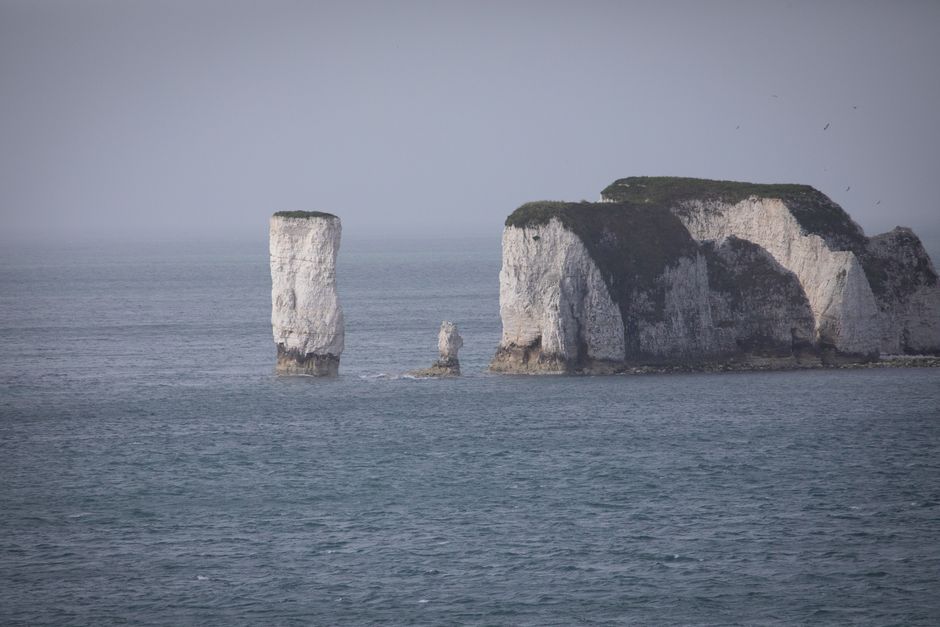
5. Kansas's Chalk Pyramids
Monument Rocks National Natural Landmark, USA
In the middle of the Kansas prairie rise towering chalk formations, the ancient skeletal remains of marine life from a sea that covered much of North America 80 million years ago.
Often called the 'Chalk Pyramids,' these dramatic formations are composed of Niobrara Chalk, a soft, white limestone formed from the shells of microscopic marine organisms that lived in the Western Interior Seaway. This inland sea once stretched from the Gulf of Mexico to the Arctic Ocean. Weathering and erosion have sculpted these pillars, arches, and spires, making them a stunning testament to Kansas's deep geological past and a unique sight in the flat plains.
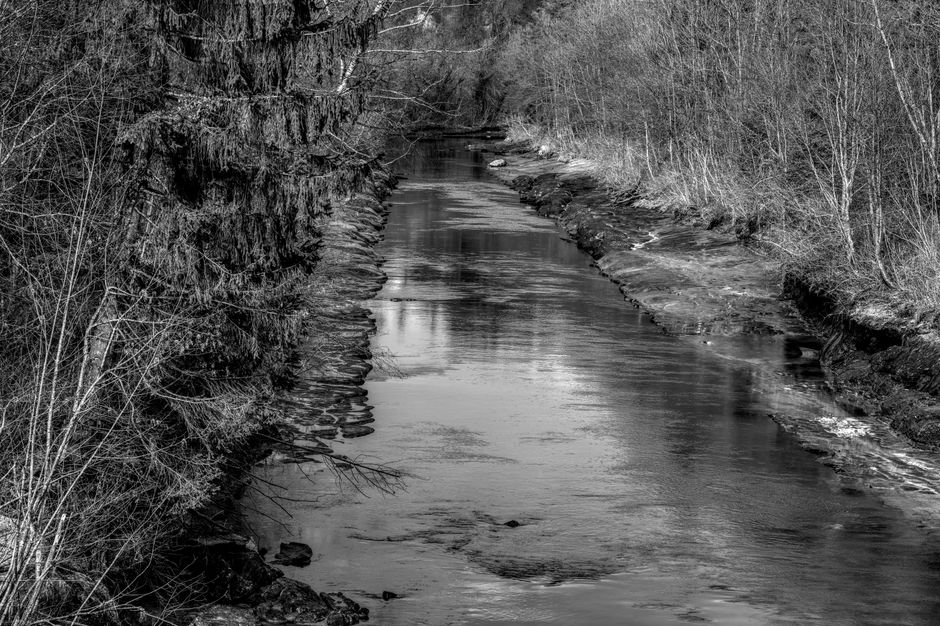
6. Missouri's Volcanic Playgrounds
Johnson's Shut-ins State Park, USA
Here, an ancient volcanic eruption left behind super-hard igneous rock that has been carved by the Black River into natural swimming pools and slides, locally known as 'shut-ins.'
Located in the St. Francois Mountains, one of the oldest mountain ranges in North America, the shut-ins are a unique geological phenomenon. The Black River flows through a narrow gorge of erosion-resistant rhyolite, a type of volcanic rock from eruptions over 1.5 billion years ago. The water has sculpted smooth, deep pools and chutes, creating a natural playground. It's a surprising slice of ancient geological history and refreshing fun in the Ozarks.
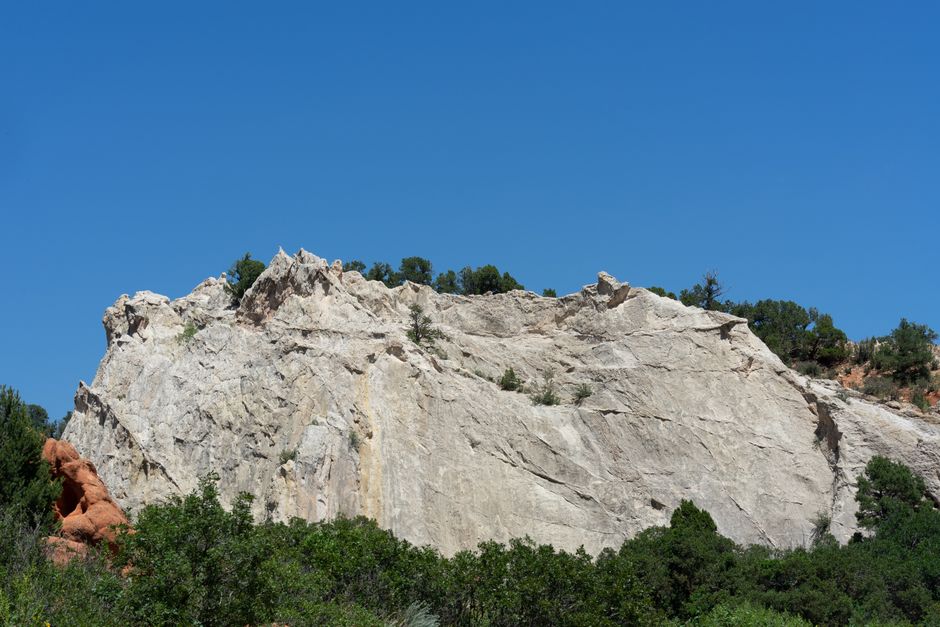
7. Illinois's Rock Garden
Garden of the Gods, Shawnee National Forest, USA
This 'garden' of towering sandstone formations was once the bottom of a shallow sea, with layers of rock preserving ripple marks and ancient marine creature tracks.
Deep within southern Illinois's Shawnee National Forest, Garden of the Gods features dramatic sandstone bluffs and balanced rock formations sculpted over millions of years. These geological wonders are remnants of sediments deposited in a shallow sea over 300 million years ago, later uplifted and eroded. The 'Camel Rock' and 'Devil's Anvil' are iconic, offering panoramic views of the forest and a glimpse into a time when this land was vastly different.
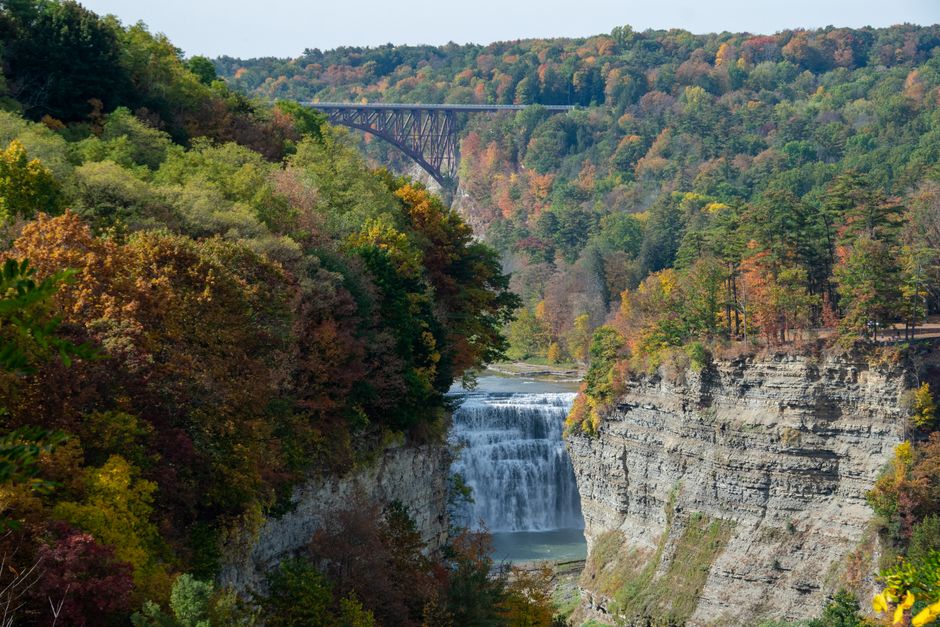
8. The Surprisingly Ancient 'New' River
New River Gorge National Park and Preserve, USA
The 'New River' is ironically one of the oldest rivers on Earth, flowing north through a deep canyon carved through ancient Appalachian mountains.
Designated a national park, the New River Gorge protects a 53-mile stretch of one of the planet's most ancient rivers, predating the Appalachian Mountains it cuts through. Its northward flow is a geological anomaly. The gorge is a rich tapestry of coal mining history, logging, and vibrant biodiversity, all framed by the dramatic, steel arch New River Gorge Bridge, one of the longest single-span arch bridges in the world. It’s a hub for outdoor adventure and a site of profound historical significance.
Frequently asked questions
How long does a West Coast to East Coast road trip typically take?
A practical cross-country road trip, allowing for stops and exploration, usually takes between 10 to 14 days. This accounts for an average of 6-8 hours of driving per day, interspersed with time to visit attractions and rest. Rushing through it often means missing out on the unique experiences along the way.
What's the best time of year for a cross-country road trip?
Spring (April-May) and Fall (September-October) generally offer the most pleasant weather for a West-to-East road trip. These seasons avoid the extreme heat of summer in the Southwest and the heavy snows of winter across the Midwest and Northeast, making for more comfortable driving and exploration conditions.
What are some essential items to pack for a long road trip?
Beyond your usual luggage, consider packing a first-aid kit, car emergency kit (jumper cables, tire repair kit), plenty of water and snacks, a physical map (for areas with no signal), and a good power bank for your devices. Comfortable shoes for walking and layers of clothing are also key for diverse climates.
How can AllTours.ai enhance my road trip experience?
AllTours.ai turns your smartphone into a personal AI tour guide. As you point your camera at landmarks, geological features, or cultural sites along your route, the app instantly narrates their history, geology, and cultural significance in your preferred language. It's like having an expert historian and geologist right there with you, revealing the hidden stories of every place you visit.
Related guides
Photography via Pexels. AllTours.ai is an AI audio tour guide — point your camera at any landscape and hear its story.