September 11, 2026 · 4 min read
California's allure often conjures images of iconic golden gate bridges, sun-drenched beaches, or the towering majesty of Redwood National Park. But for those with a thirst for the truly unique, for stories etched into the very landscape that few ever hear, the Golden State holds a secret trove.
Forget the crowded trails and well-worn paths. We're diving deep into some of California's most underrated, lesser-known spots – places where history, geology, and culture intertwine in surprising ways, just waiting for curious explorers to uncover their tales.
1. The Earth's Scar in the Superbloom
Carrizo Plain National Monument, USA
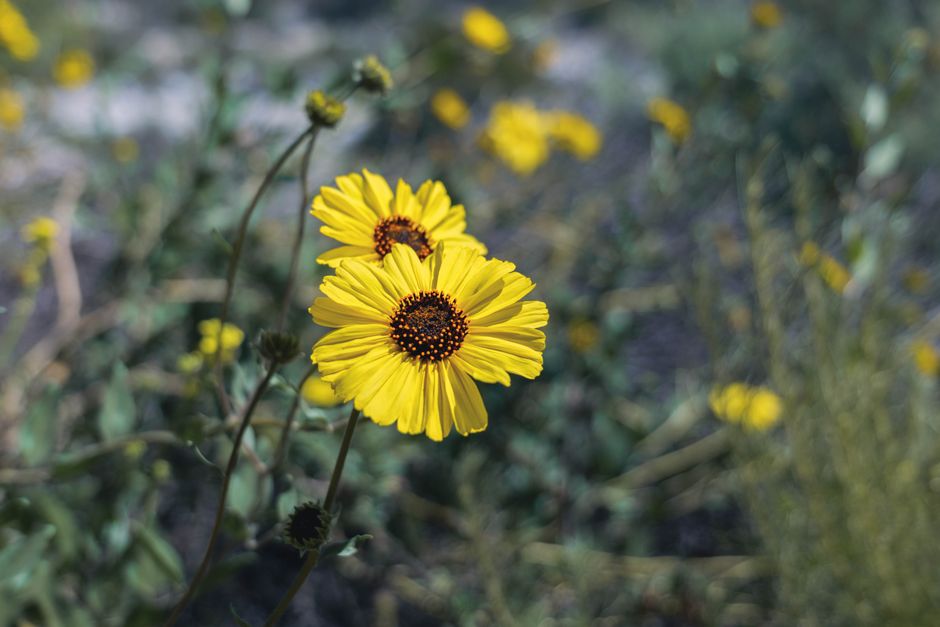
This vast, empty grassland holds the most visible surface expression of the San Andreas Fault, often erupting into a 'superbloom' of wildflowers.
The Carrizo Plain is a stark, treeless expanse in California's southern interior, a 'last remnant of wild California.' Its flat valley floor is dramatically bisected by the Elkhorn Scarp, a long, low ridge that is the clearest surface trace of the San Andreas Fault. In rare wet years, the plain transforms into a breathtaking tapestry of yellow, orange, and purple wildflowers, creating a vibrant, ephemeral spectacle over a landscape shaped by immense tectonic forces.
2. Mojave's Subterranean Wonders
Mitchell Caverns, Providence Mountains State Recreation Area, USA
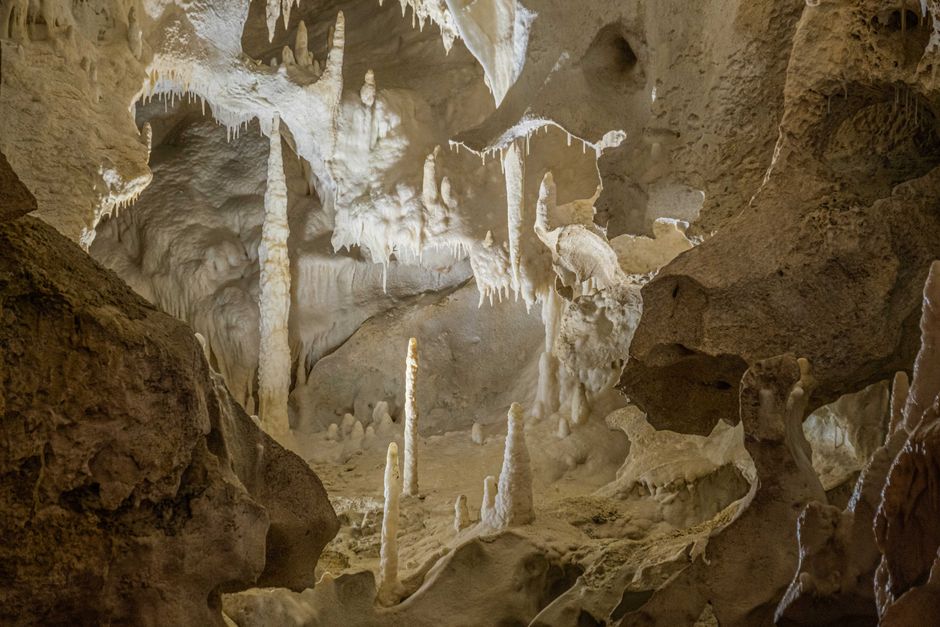
Deep within the arid Mojave Desert lies a rare system of stunning limestone caverns, once a sacred site for indigenous people.
Mitchell Caverns offers a startling contrast to the desert above, with intricate formations of stalactites, stalagmites, and flowstones. These caves, formed over millions of years, were once used by the Chemehuevi people for shelter and spiritual practices. Reopened after extensive restoration, they provide a cool, dark escape and a glimpse into both deep geological time and the ancient human history of this often-overlooked desert region.
3. The Lost Towers of Owens Lake
Owens Lake Pinnacles, USA
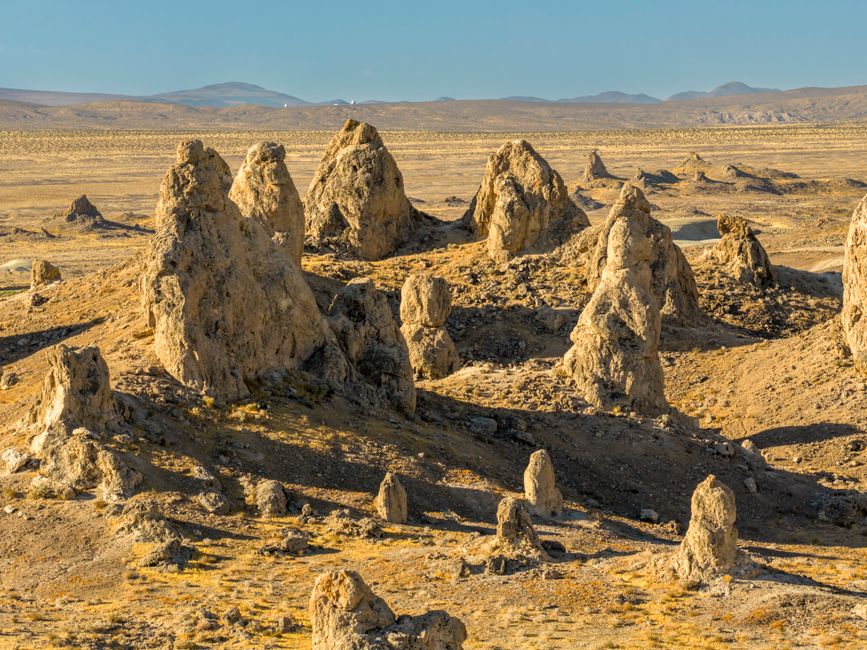
These bizarre, alien-like tufa towers were once submerged beneath a vast lake and were only revealed when the lake was drained a century ago.
On the dry eastern shore of what was once Owens Lake, strange, ghostly spires of tufa rise from the barren landscape. These formations are similar to those at Mono Lake but are far less visited. They formed underwater, as calcium-rich springs reacted with carbonate-rich lake water, creating towers that were only exposed after the lake was diverted to supply Los Angeles, leaving behind an eerie, otherworldly geological graveyard.
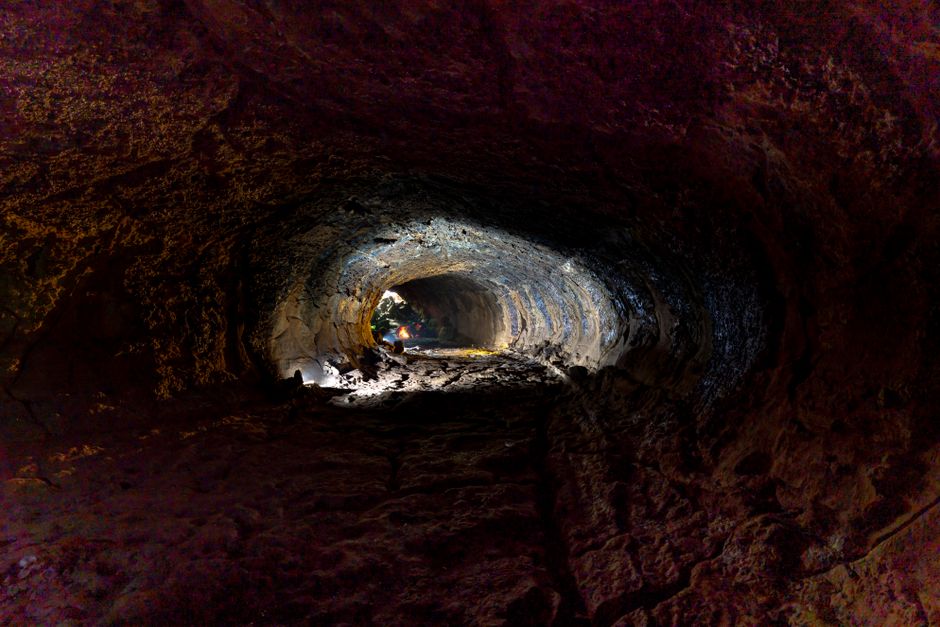
4. Volcanic Battleground and Labyrinth
Lava Beds National Monument, USA
This rugged volcanic landscape was the site of the only Native American war in California, where Modoc warriors held off the U.S. Army for months.
Lava Beds National Monument is a stark, beautiful land forged by volcanic eruptions. Beneath its surface lies an extensive network of lava tube caves, some easily explored. Beyond the geological marvels, the monument is a living testament to the Modoc War of 1872-73, where a small band of Modoc warriors led by Captain Jack used the natural defenses of 'Captain Jack's Stronghold' to resist a much larger military force, making it a site of profound historical and cultural significance.
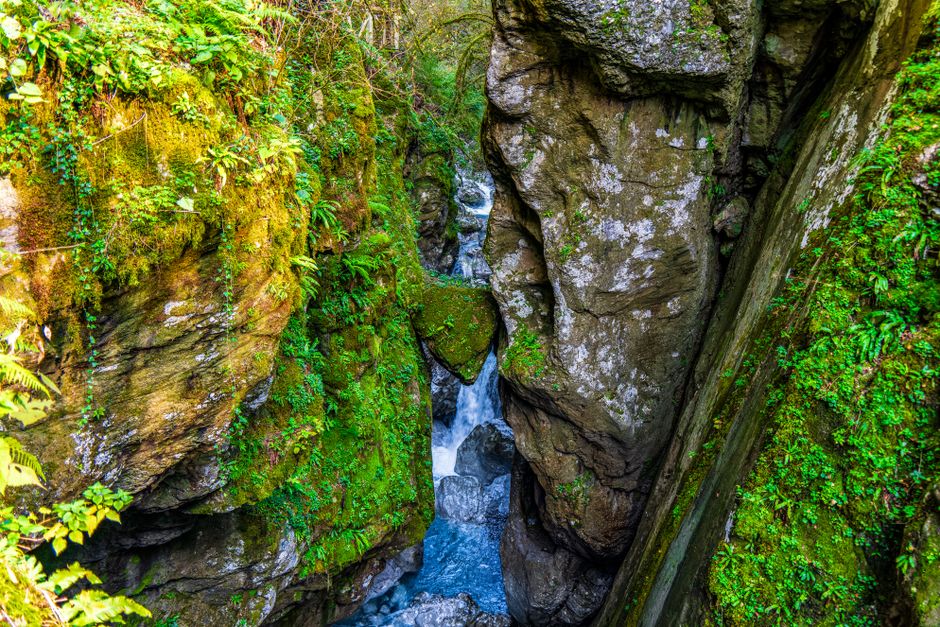
5. Primeval Fern Walls
Fern Canyon, Prairie Creek Redwoods State Park, USA
Within a coastal redwood forest, a narrow canyon boasts walls entirely covered in seven different species of ferns and mosses, looking like a scene from prehistory.
Fern Canyon is a natural wonder where a small creek has carved its way through soft soil, leaving sheer, ten-meter-high walls. These walls are completely carpeted in lush, green ferns, creating an immersive, primeval atmosphere that feels untouched by time. The unique microclimate here supports an incredible density and variety of plant life, so much so that it was famously used as a filming location for scenes in 'Jurassic Park 2: The Lost World,' truly transporting visitors to another era.
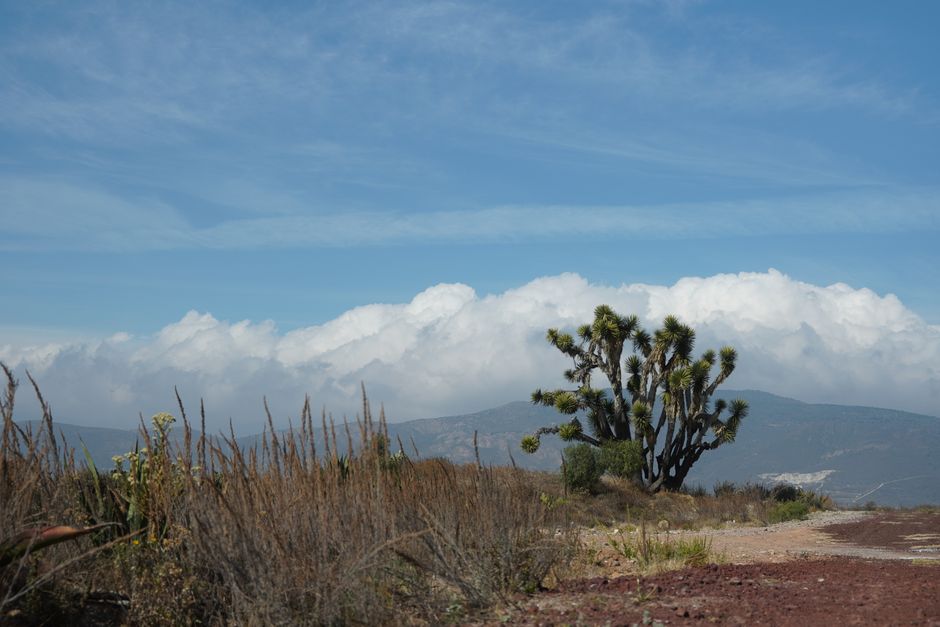
6. The Dome of Unique Joshua Trees
Cima Dome, Mojave National Preserve, USA
This subtly rising geological dome hosts the densest and largest single-species Joshua Tree forest in the world, with trees exhibiting unique, symmetrical forms.
Cima Dome is not a mountain peak but a vast, nearly imperceptible geological uplift, roughly circular and several miles across. Its gentle slopes and unique soil conditions have created an ideal habitat for an immense forest of Joshua trees, unlike any other. These trees often grow taller and straighter here, forming a mesmerizing, almost sculpted landscape that feels both ancient and alien, making it a truly distinctive ecological wonder within the Mojave National Preserve.
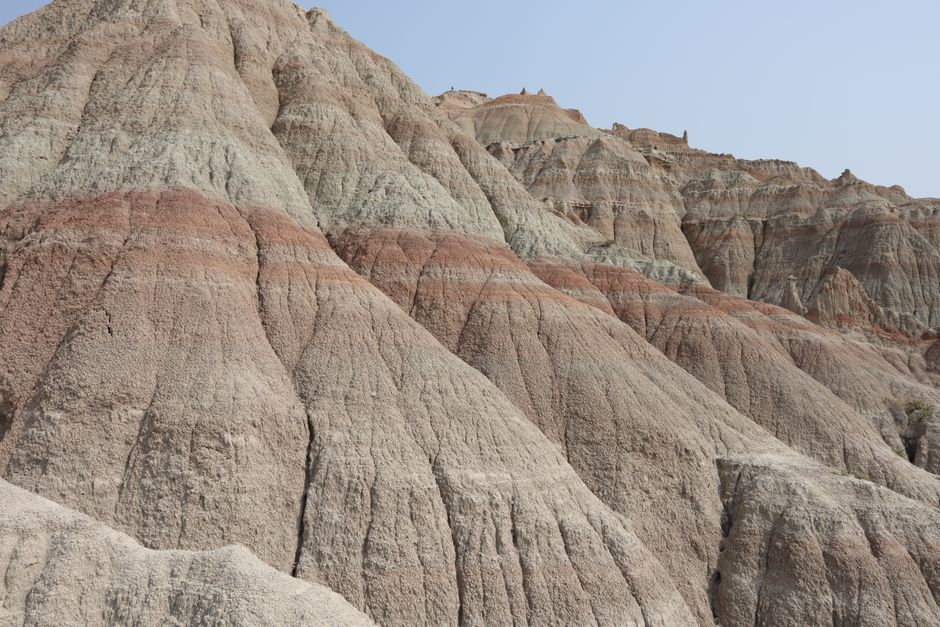
7. Ancient Sea Floor to Badlands
Borrego Badlands, Anza-Borrego Desert State Park, USA
This stark desert landscape, riddled with slot canyons and mud hills, was once an ancient seabed, preserving millions of years of marine and terrestrial fossils.
The Borrego Badlands are a testament to the powerful forces of erosion, where soft sedimentary rock has been sculpted into intricate slot canyons, arroyos, and mud hills. What makes this area truly remarkable is its history: it was once an ancient sea, then a marshy flood plain, and its layers hold a treasure trove of fossils, from marine creatures to mastodons. Exploring its winding canyons feels like walking through a living geological textbook, revealing the deep past of the desert.
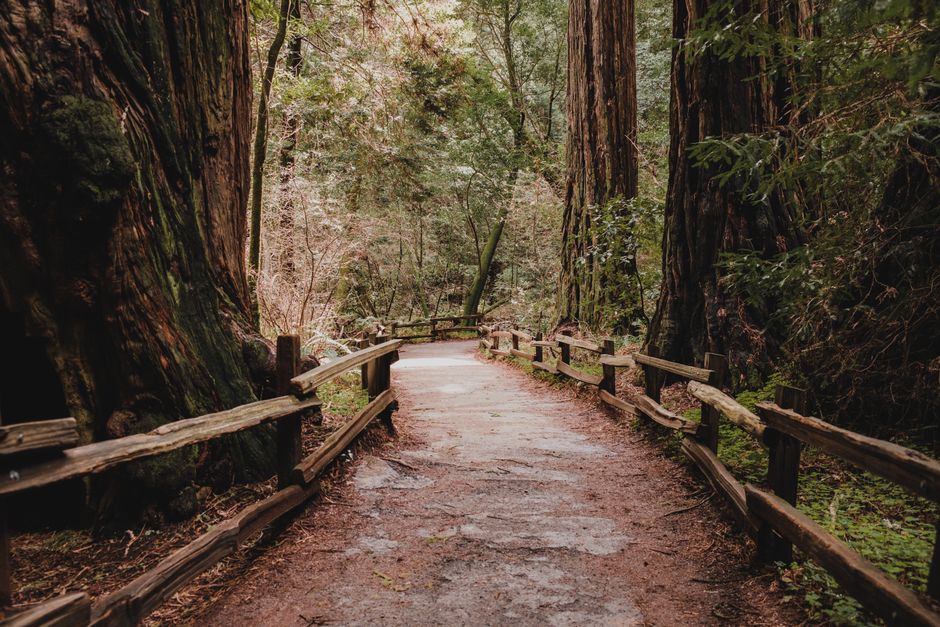
8. Giants Turned to Stone
California Petrified Forest, Calistoga, USA
Nestled in California's wine country is an ancient redwood forest that was turned to stone by a volcanic eruption millions of years ago.
The California Petrified Forest offers a unique journey back in time, showcasing ancient redwood trees that were engulfed by volcanic ash and silicates from the eruption of Mount St. Helena millions of years ago. Over eons, these trees slowly transformed into stone, preserving their intricate wood grain and massive scale. Walking among these stony giants provides a tangible link to a prehistoric landscape, revealing the immense power of geological processes and the passage of deep time.
Frequently asked questions
What is considered a 'hidden gem' in California?
A hidden gem in California typically refers to a lesser-known attraction that offers unique natural beauty, historical significance, or cultural insight, often found off the main tourist routes. These spots provide a more intimate and less crowded experience, allowing for deeper exploration and discovery away from the state's more famous landmarks.
Are these hidden gems safe to visit?
Most hidden gems in California are safe to visit, but it's crucial to be prepared. Research current conditions, weather, and any specific regulations for the area (e.g., permits, road closures). Many are in remote areas with limited cell service, so inform someone of your plans and carry essentials like water, navigation tools, and first aid. Always practice Leave No Trace principles.
How can I find more hidden places like these in California?
To find more hidden gems, look beyond mainstream travel guides. Explore state parks and national monuments that are less frequented than national parks. Local tourism boards for smaller towns often highlight unique local attractions. Online forums, specialized travel blogs, and geological or historical society websites can also uncover fascinating, lesser-known sites.
How can the AllTours.ai app enhance my visit to these hidden gems?
AllTours.ai transforms your exploration of these hidden gems by providing instant, localized audio narratives. Simply point your phone camera at a landmark, geological formation, or historical site, and the app will narrate its history, geology, and cultural significance in your language, bringing the unique stories of these underrated places to life right before your eyes.
Related guides
Photography via Pexels. AllTours.ai is an AI audio tour guide — point your camera at any landscape and hear its story.