November 2, 2026 · 4 min read
Amsterdam's culinary landscape is as diverse as its canals, but few traditions run as deep as its connection to Indonesian cuisine. This isn't just about satay and nasi goreng; it's a living legacy of shared history, migration, and the vibrant fusion of flavors that has made Indonesian food a staple in Dutch culture.
Beyond the well-trodden tourist paths, a world of authentic Indonesian dining awaits – from homestyle 'tokos' selling comforting take-away to sit-down establishments perfecting the grand rijsttafel. To truly eat in Amsterdam like a local, you need to know where to find these culinary treasures, each with a story as rich as its spices.
1. The Surinamese-Javanese Crossroads
Warung Spang Makandra, Amsterdam, Netherlands
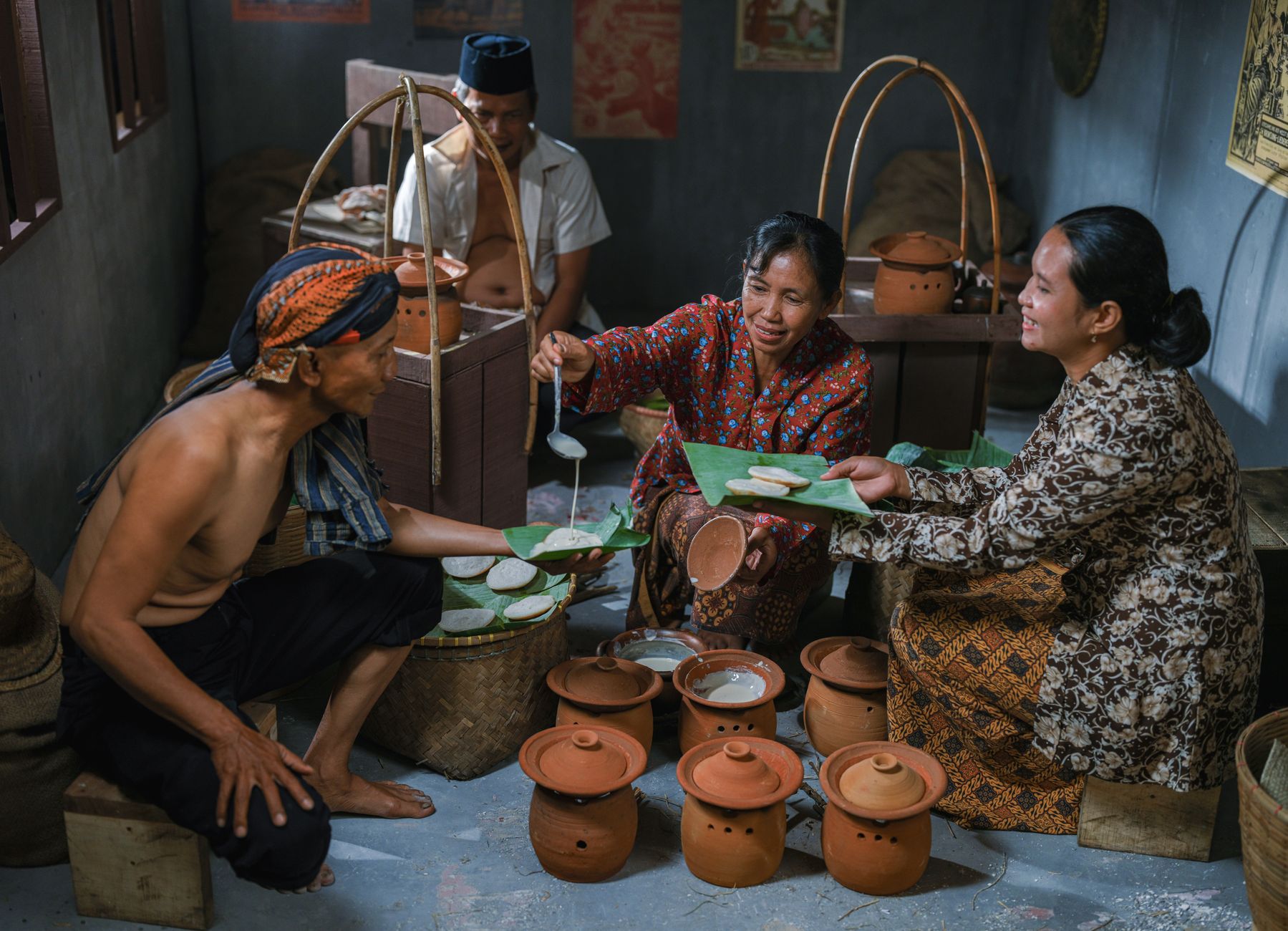
This eatery is a culinary bridge, showcasing the unique Surinamese-Javanese fusion that arose from Dutch colonial history.
Many Javanese people were indentured laborers in Suriname under Dutch rule, leading to a distinct blending of culinary traditions. Warung Spang Makandra captures this specific diaspora, offering dishes that marry Indonesian flavors with Surinamese influences. Here, you'll find a different dimension of 'Indonesian' food, a testament to global migration and cultural adaptation, served in a no-frills, authentic setting.
2. The Classic Neighborhood Toko
Toko Kok Thye, Amsterdam, Netherlands
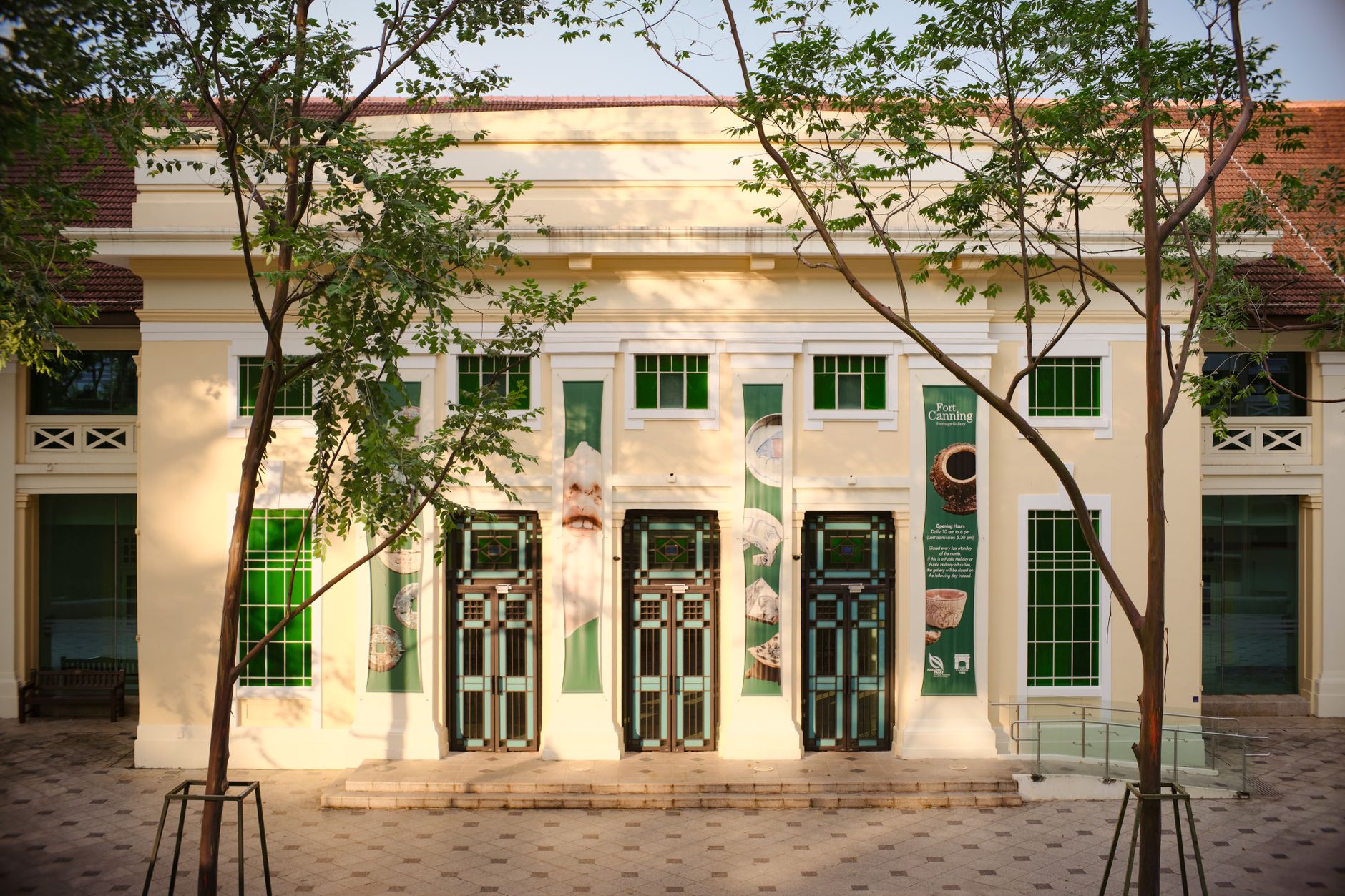
Toko Kok Thye represents the vital role of Indonesian delis, or 'tokos,' as community hubs that initially provided ingredients and later became essential sources for home-style meals.
Stepping into Toko Kok Thye is like visiting a culinary time capsule. These small, often family-run shops began by supplying specific Indonesian spices and ingredients hard to find in the Netherlands. Over time, they evolved into beloved spots for ready-made, authentic dishes, offering a taste of home for the Indonesian diaspora and introducing rich flavors to locals seeking genuine fare. It’s a place where the connection between food and heritage is palpable.
3. A Taste of Mother's Love
Restaurant Boema Asih, Amsterdam, Netherlands
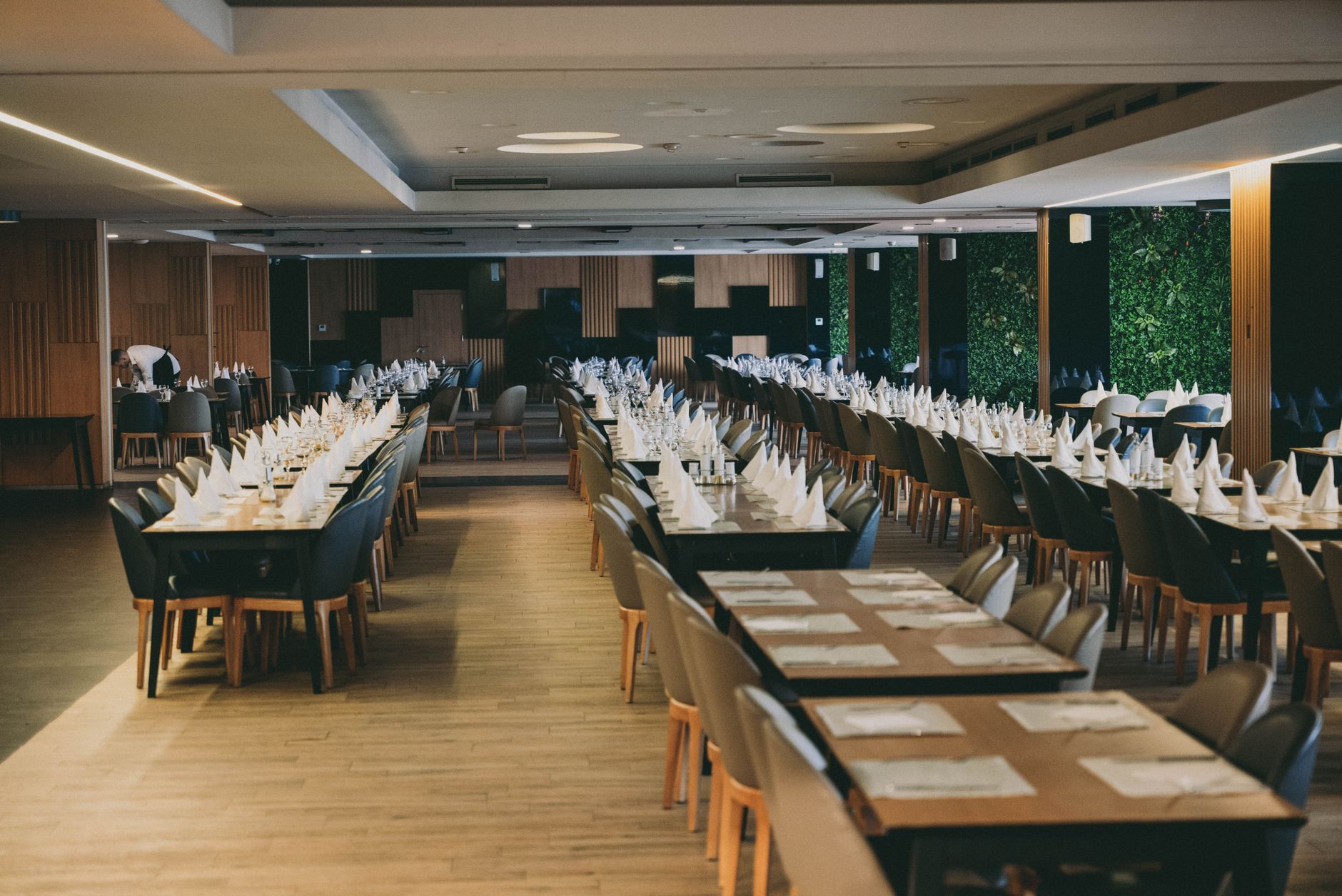
The name 'Boema Asih' itself translates to 'Mother's Love,' reflecting the restaurant's commitment to serving comforting, authentic Indonesian dishes reminiscent of homemade family recipes.
This restaurant embodies the warmth and care associated with home-cooked Indonesian meals. 'Boema Asih' isn't just a name; it's a philosophy translated into every dish, from their rendang to their gado-gado. The emphasis here is on traditional flavors and preparations, often passed down through generations, making it a favorite among those who seek a genuine, unpretentious dining experience that feels like a family gathering.
4. The Spirit of Street Food
Makan Makan, Amsterdam, Netherlands
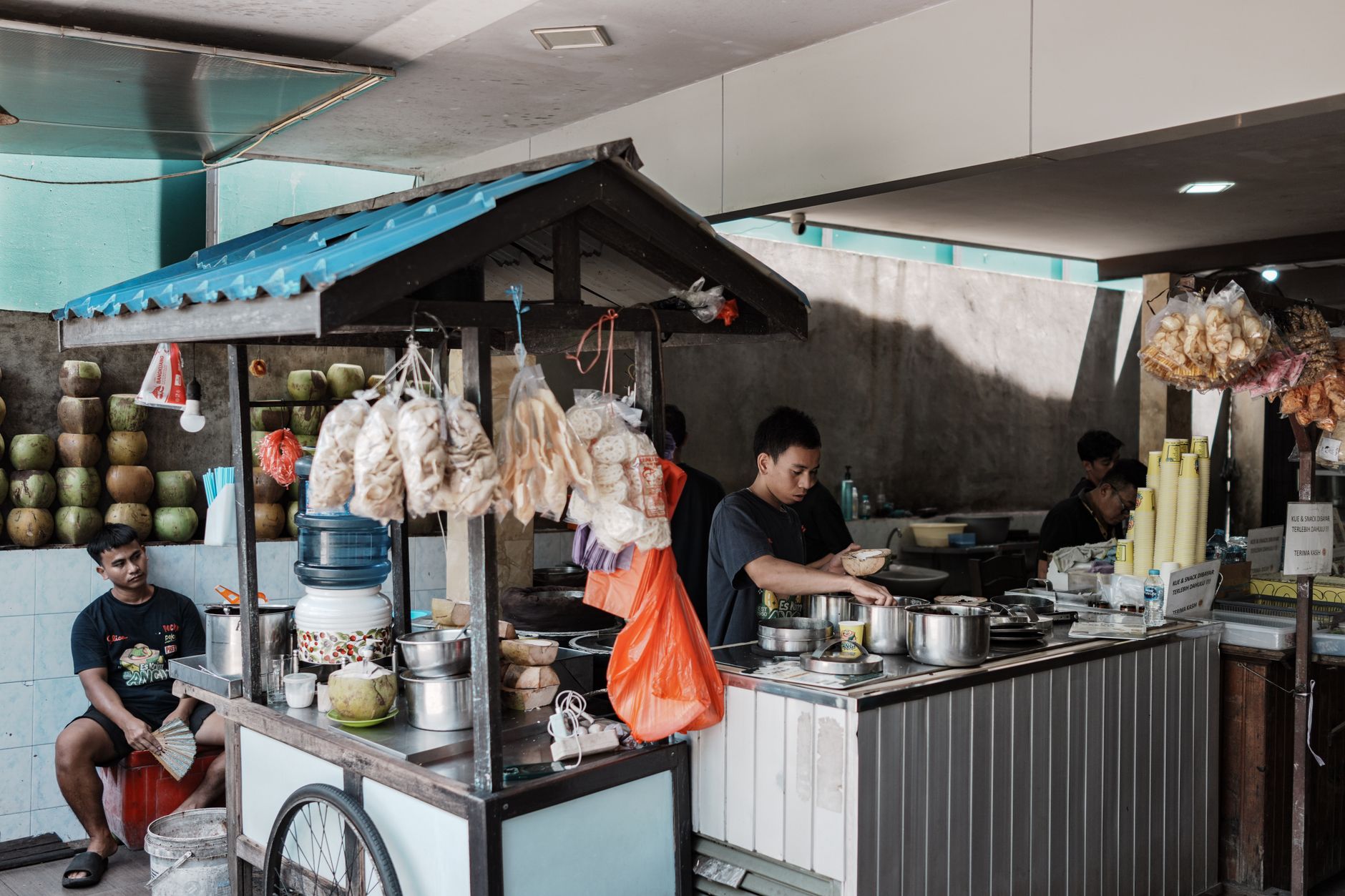
The name 'Makan Makan' literally means 'eat eat' in Indonesian, perfectly capturing the informal, communal, and vibrant essence of Indonesian street food culture.
Makan Makan brings the bustling energy and diverse flavors of Indonesian street food to Amsterdam. Unlike the more formal rijsttafel experience, this spot champions individual, quick, and intensely flavorful dishes designed for sharing and enjoyment. It’s a place where you can explore a menu beyond the usual, tasting specialties often found in Indonesia's vibrant street markets, from satay lilit to various spicy sambals, all served with a lively, approachable vibe.
5. An Enduring Rijsttafel Institution
Sama Sebo, Amsterdam, Netherlands
Sama Sebo, established in 1978, stands as one of Amsterdam's longest-running Indonesian restaurants, embodying decades of culinary tradition and a consistent standard that has made it a beloved institution.
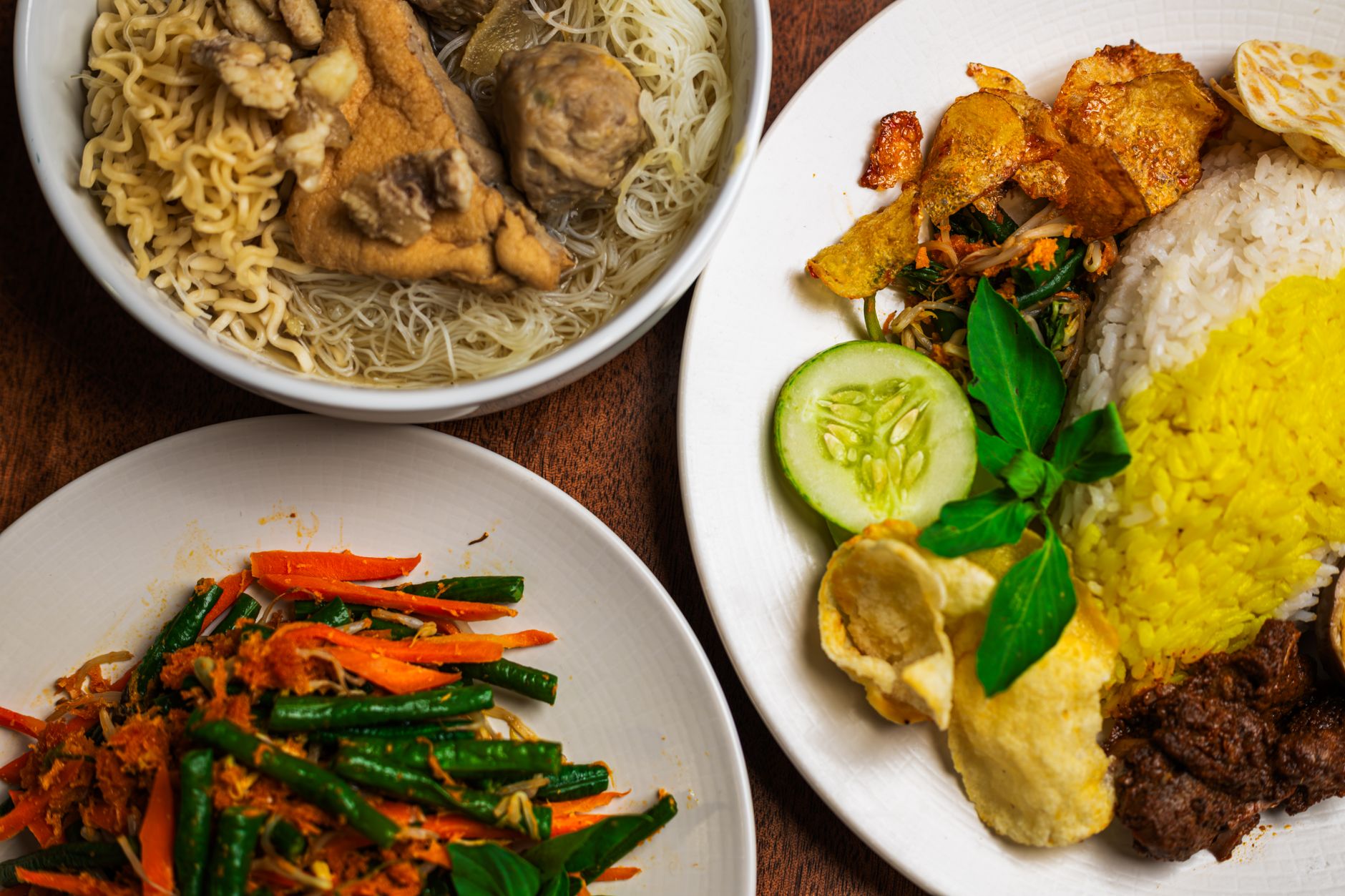
While often bustling, Sama Sebo has earned its reputation as a consistent purveyor of the rijsttafel, the 'rice table' feast that showcases a multitude of Indonesian dishes. Its longevity speaks to its unwavering commitment to quality and tradition. Locals and visitors alike return for its reliable flavors and the experience of a classic Indonesian dining ritual, making it a cornerstone of Amsterdam's Indonesian culinary scene.
6. Chinese-Indonesian Comfort
Café Kadijk, Amsterdam, Netherlands
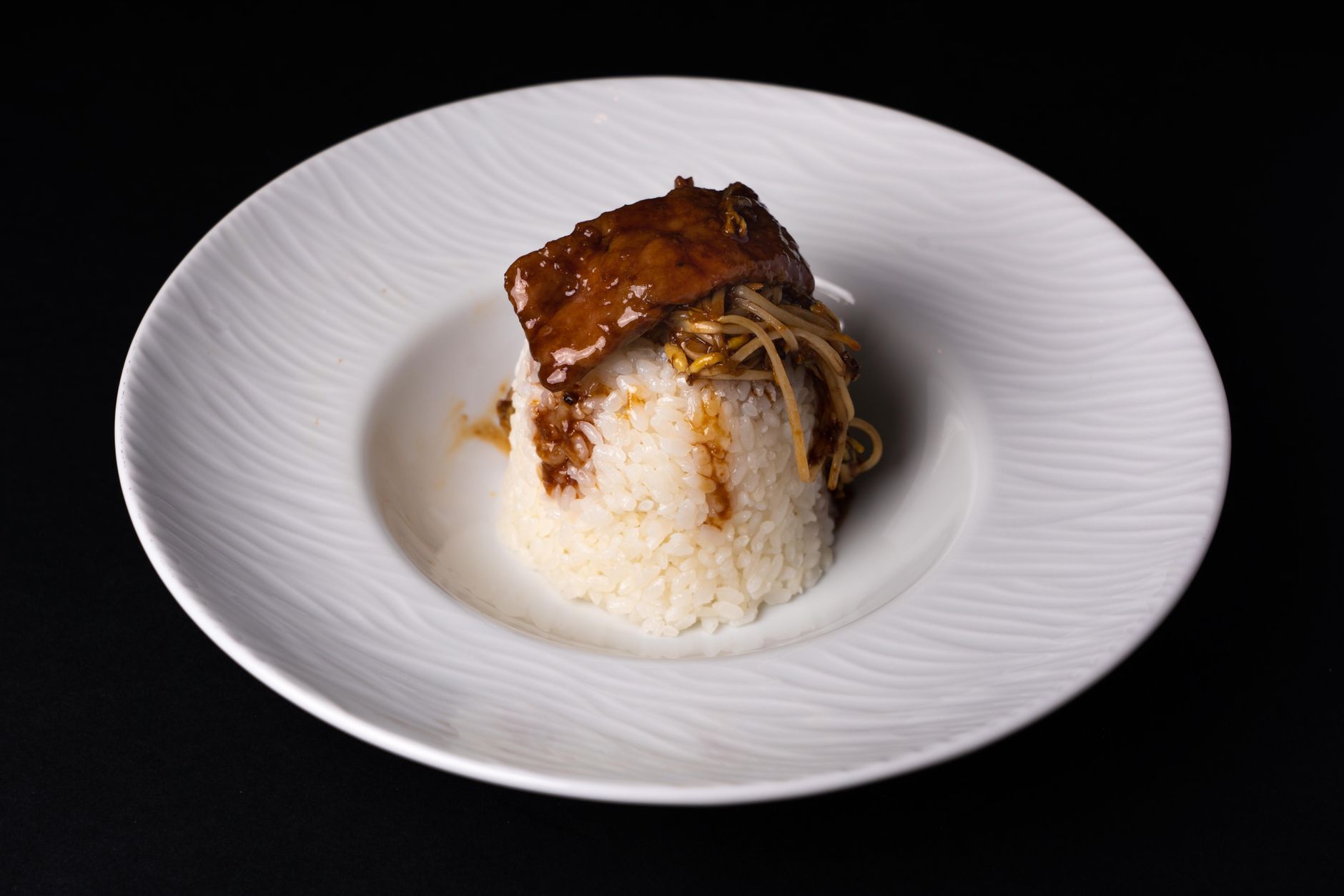
This unassuming café is renowned for its Babi Pangang, a dish with Chinese-Indonesian origins that became incredibly popular in the Netherlands, showcasing a unique fusion of Asian culinary traditions.
Café Kadijk, more akin to a traditional Dutch 'brown café' than a typical Indonesian restaurant, has a surprising specialty: its celebrated Babi Pangang. This sweet and sour pork dish is a delicious legacy of Chinese migration to Indonesia and its subsequent journey to the Netherlands. It's a perfect example of how cultural exchange creates new culinary favorites, offering a comforting and flavorful dish that has carved out its own niche in Amsterdam's diverse food landscape.
7. The Flavors of Jakarta
Betawi, Amsterdam, Netherlands
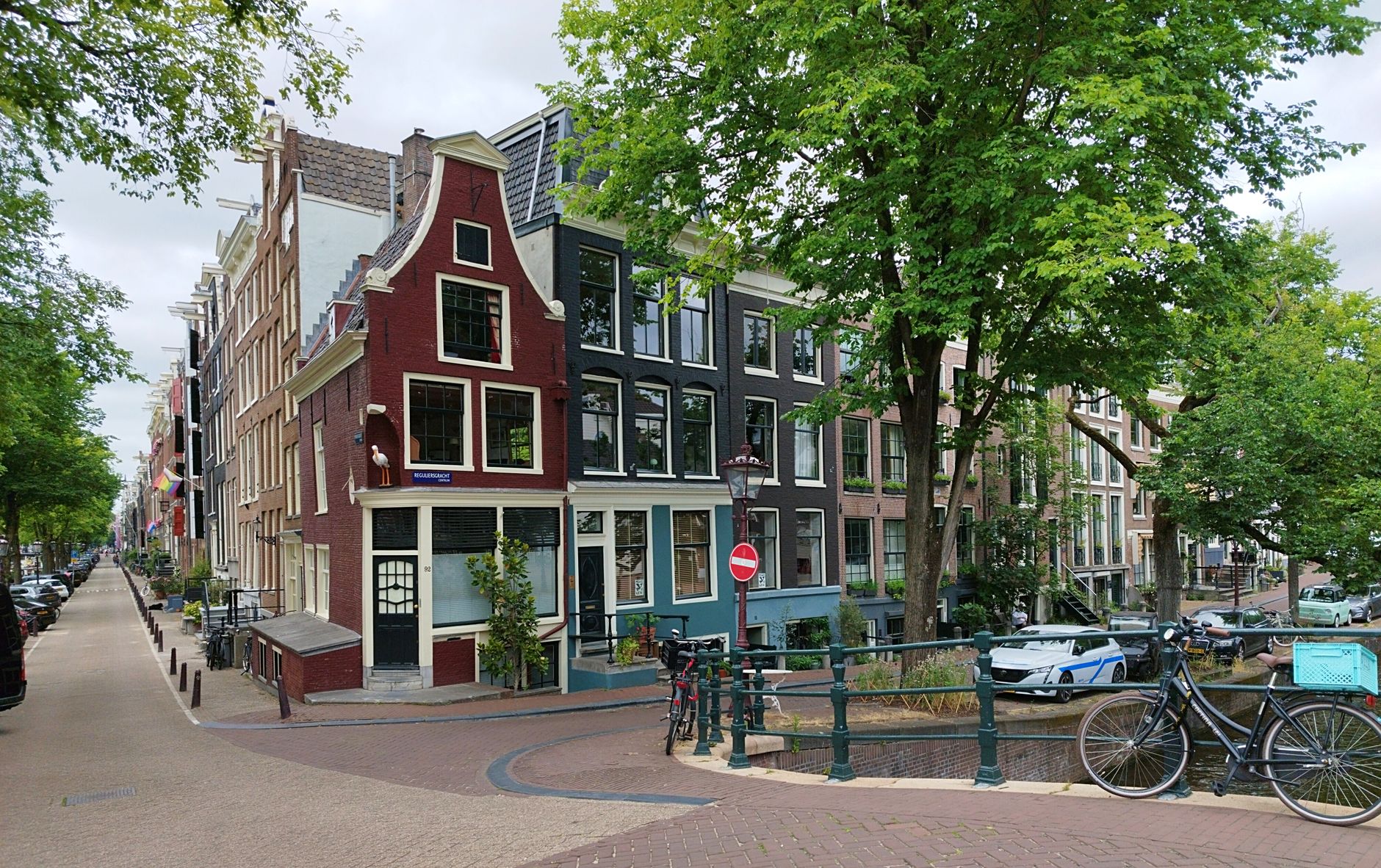
Betawi cuisine, originating from Jakarta, is distinct for its bold flavors and unique dishes like Soto Betawi, representing a specific regional Indonesian culinary identity often overlooked.
While 'Indonesian food' is a broad category, Betawi zeroes in on the specific culinary traditions of Jakarta's indigenous Betawi people. This means a focus on rich, aromatic dishes that stand apart from the more common Javanese or Sumatran offerings. Their Soto Betawi, a creamy coconut milk soup with beef, is a must-try, offering a taste of a specific regional heritage that adds another layer to Amsterdam's authentic Indonesian food scene.
8. Beyond the Rijsttafel
Restaurant Jun, Amsterdam, Netherlands
Restaurant Jun moves beyond the ubiquitous rijsttafel, specializing in individual Indonesian dishes that allow diners to explore the nuanced regional diversity often missed in broader presentations.
While rijsttafel is a fantastic introduction, Jun offers a deeper dive into the breadth of Indonesian cuisine by focusing on individual, expertly prepared dishes from across the archipelago. This approach allows for a more personalized culinary journey, highlighting the unique flavors and techniques of specific regions. It's a place for those who want to savor distinct curries, grilled specialties, or particular sambals, rather than a tasting menu, making it a favorite for a more intimate and focused exploration of Indonesian flavors.
Frequently asked questions
What is rijsttafel and why is it popular in Amsterdam?
Rijsttafel, meaning 'rice table,' is a Dutch colonial invention, a lavish meal featuring numerous small dishes from across Indonesia, served with rice. It gained popularity in the Netherlands as a way to showcase the diversity of Indonesian cuisine and remains a cultural staple in Dutch-Indonesian dining.
Are there vegetarian or vegan Indonesian food options in Amsterdam?
Yes, many Indonesian restaurants and tokos in Amsterdam offer excellent vegetarian and vegan options. Look for dishes like Gado-Gado (vegetable salad with peanut sauce), Tempeh and Tofu dishes, Sayur Lodeh (vegetable in coconut milk soup), and various stir-fried vegetables with rice.
What's the difference between a 'toko' and a 'restaurant' for Indonesian food?
A 'toko' is typically a smaller, often family-run Indonesian deli or takeaway shop, focusing on home-style cooked meals, snacks, and ingredients. A 'restaurant' usually offers a more formal sit-down dining experience, often specializing in rijsttafel or a broader menu of à la carte dishes.
How can AllTours.ai enhance my culinary exploration of Amsterdam?
AllTours.ai turns your phone camera into a personal guide. As you explore Amsterdam's neighborhoods for Indonesian food, simply point your camera at landmarks, canals, or even the architecture of these eateries. The app will narrate their history, cultural significance, and connection to the city's diverse heritage, enriching your journey beyond the plate.
Related guides
Photography via Pexels. AllTours.ai is an AI audio tour guide — point your camera at any landscape and hear its story.