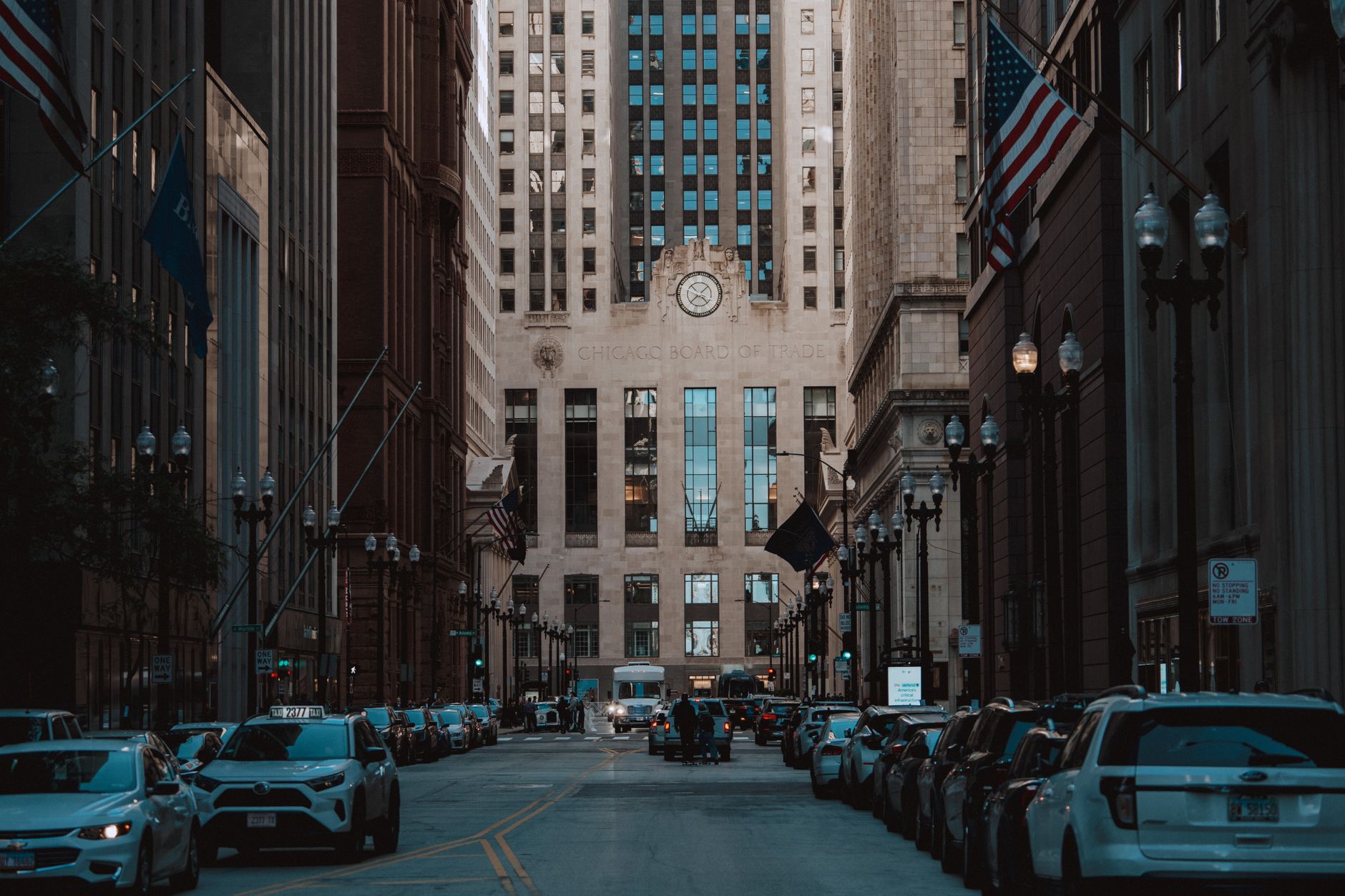
September 15, 2026 · 4 min read
When you think of historical American downtowns, iconic places like Boston's Freedom Trail or Charleston's Battery often come to mind. And while those cities certainly deserve their renown, many travelers are eager to unearth lesser-known destinations that offer equally rich histories and stunning architecture, without the overwhelming crowds. You've heard of Washington D.C.'s grandeur and Montreal's European charm, but what about the hidden architectural treasures within the United States?
Beyond the well-trodden paths lie countless American cities with historical downtowns that hold centuries of captivating stories, vibrant cultures, and unique architectural styles. These are places where every brick, every cobblestone, and every storefront whispers tales of pioneers, innovators, and everyday life that shaped the nation. We've curated a list of genuinely underrated spots, each with a fascinating, often surprising, piece of its past waiting to be discovered.
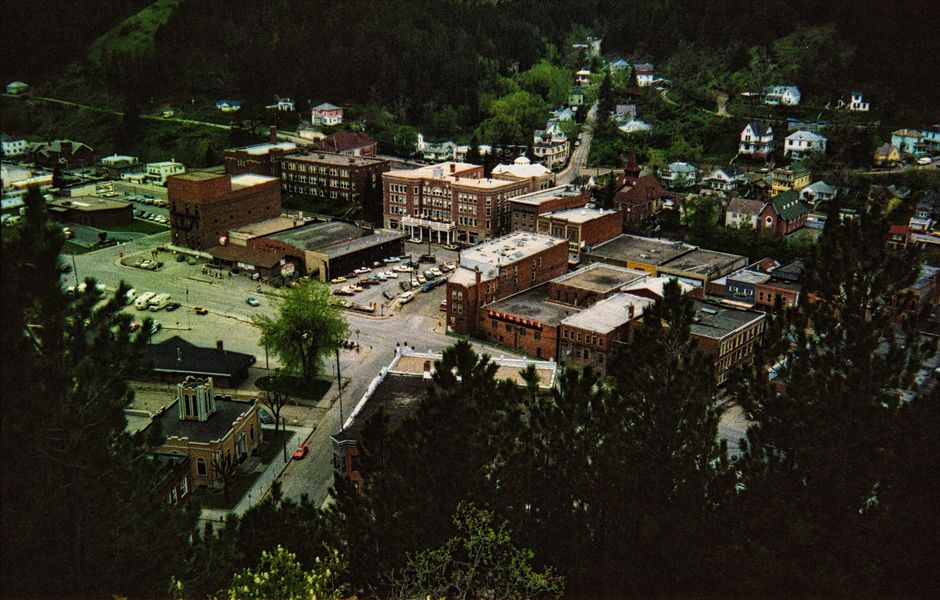
1. The Victorian Oasis Carved into Hills
Eureka Springs, Arkansas, USA
This entire Victorian town is carved into steep hillsides, with no two streets intersecting at a 90-degree angle.
Located in the Ozark Mountains, Eureka Springs defies typical grid planning. Its downtown is a labyrinth of winding streets, staircases, and multi-story buildings clinging to inclines, all built around more than 60 natural springs. In the late 19th century, it boomed as a health resort, attracting thousands seeking the 'healing' waters, leaving behind an incredibly preserved collection of ornate Victorian architecture.
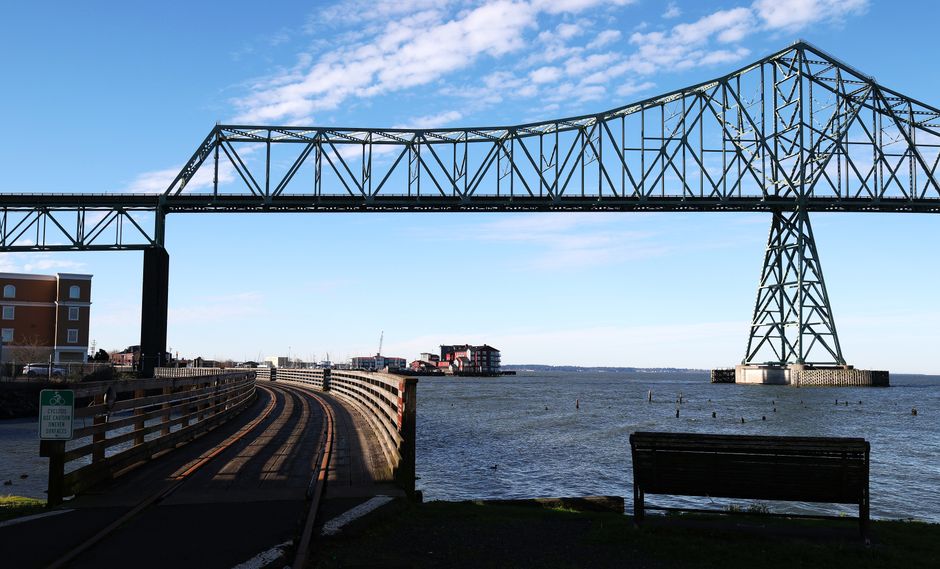
2. Where the Columbia Meets the Pacific
Astoria, Oregon, USA
It holds the distinction of being the first permanent American settlement on the Pacific Coast.
Perched at the mouth of the Columbia River, Astoria's downtown cascades down hillsides to the water's edge, marked by historic Victorian homes and repurposed cannery buildings. Founded in 1811 by John Jacob Astor's Pacific Fur Company, it predates many other Western settlements. Its maritime history is palpable, from its iconic column overlooking the river to the bustling working waterfront that still thrives today, offering a gritty, authentic charm.
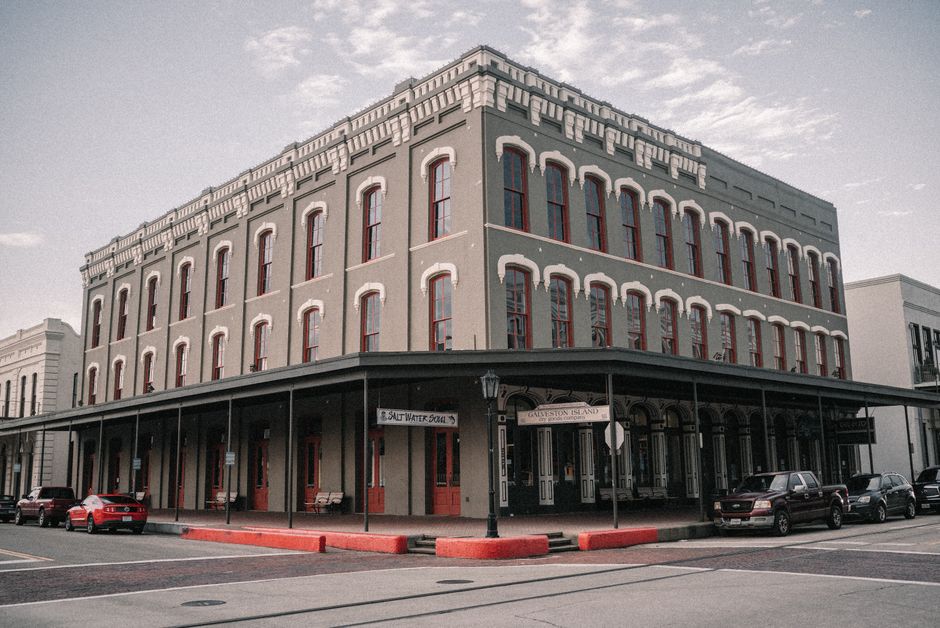
3. The Island City's Resilient Spirit
Galveston, Texas, USA
This grand island city rebuilt its entire downtown after enduring America's deadliest natural disaster.
Galveston's Strand Historic District boasts one of the largest and best-preserved collections of Victorian commercial architecture in the United States. Once known as the 'Wall Street of the South,' it was a major port and the largest city in Texas until the devastating 1900 hurricane. The city's remarkable recovery included raising much of the island's elevation and constructing a massive seawall, preserving its elaborate iron-front buildings and historic charm against all odds.
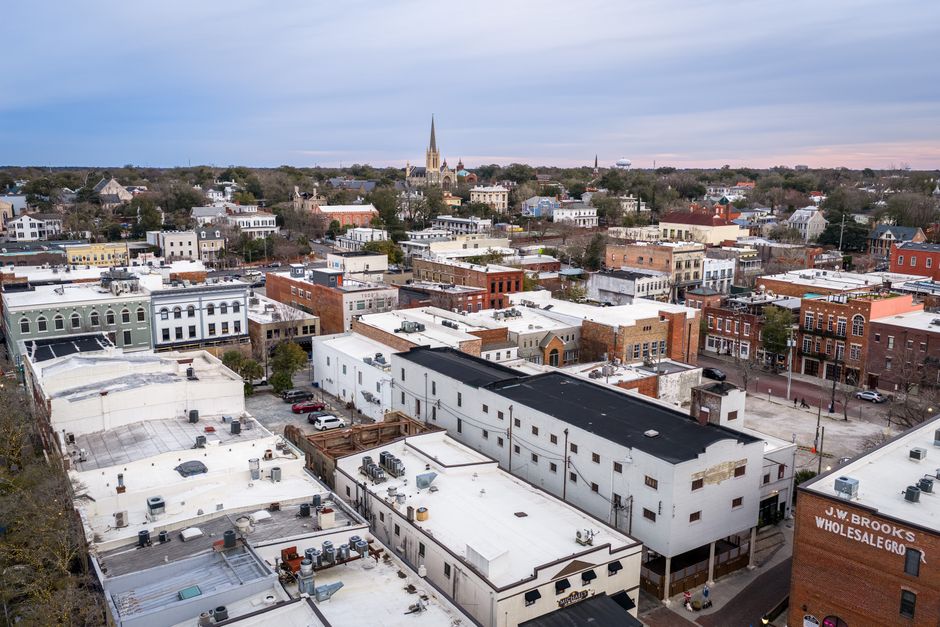
4. Pepsi's Surprising Birthplace
New Bern, North Carolina, USA
Not only was it North Carolina's first capital, but its downtown is also the surprising birthplace of Pepsi-Cola.
Situated at the confluence of the Trent and Neuse Rivers, New Bern’s downtown is a beautiful tapestry of colonial and Federal-style architecture. Beyond its charming streets and historic homes, a pharmacy on Middle Street is where Caleb Bradham first concocted 'Brad's Drink' in 1893, later renamed Pepsi-Cola. The city served as the colonial capital of North Carolina, and its Tryon Palace offers a glimpse into its opulent past as a royal governor's residence.
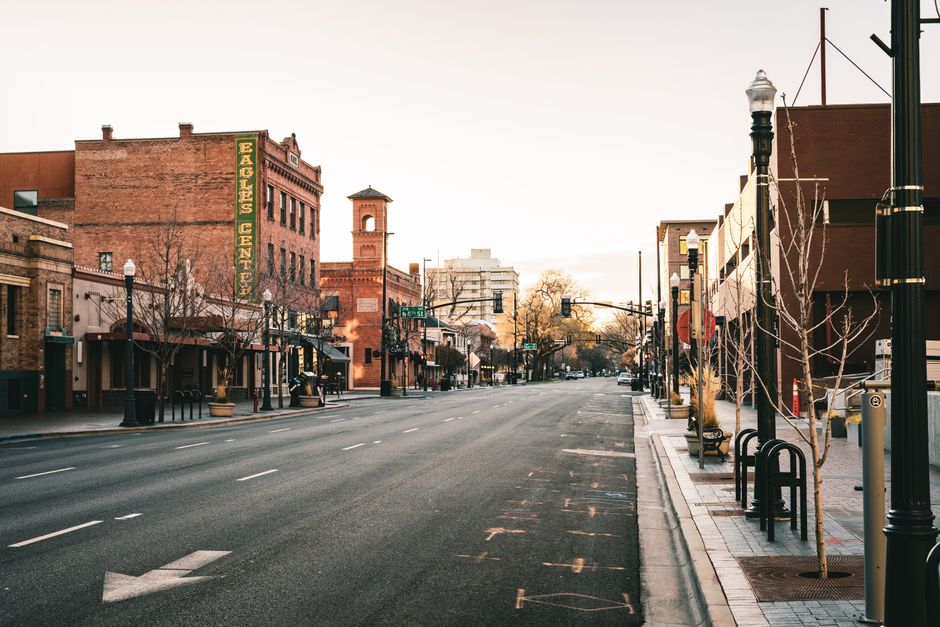
5. The Town That Declared Itself the Center of the Universe
Wallace, Idaho, USA
This tiny silver mining town famously declared itself the 'Center of the Universe' and managed to get the last stoplight removed from I-90.
Tucked deep in the Silver Valley, Wallace is an anomaly: an entire city listed on the National Register of Historic Places. Every building in its downtown core dates back to the late 19th or early 20th century, a testament to its boom-and-bust silver mining past. When Interstate 90 threatened to bypass or demolish parts of the town, residents successfully fought to have the highway elevated through downtown, making it the last US city to have a stoplight on an interstate removed.
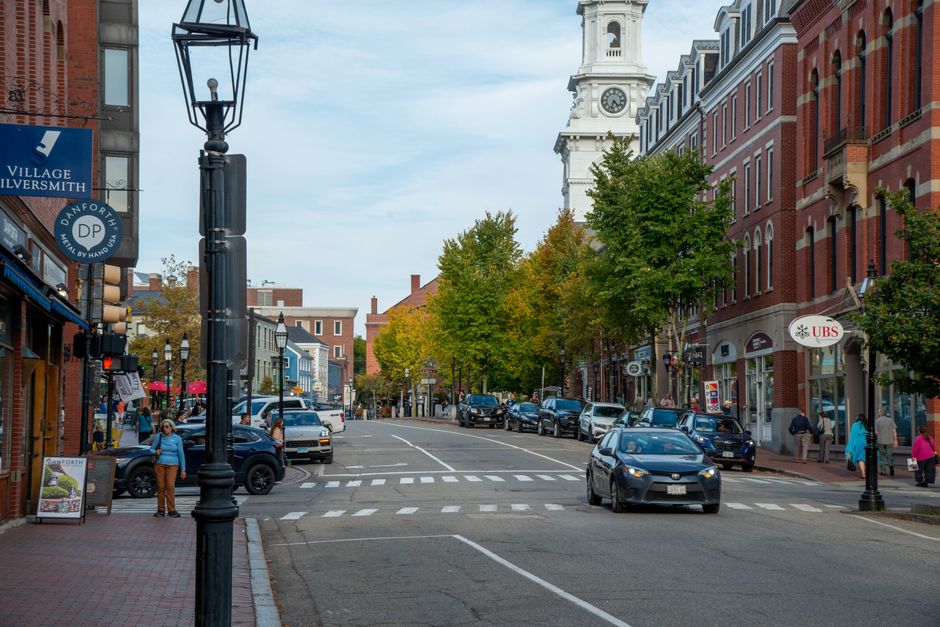
6. A Seafaring Colonial Gem
Portsmouth, New Hampshire, USA
One of America's oldest continuously inhabited English settlements, its downtown boasts roots stretching back to 1623.
Portsmouth's downtown exudes a rich maritime history, with narrow streets lined with beautifully preserved colonial and Federal-style brick buildings. As a major port city, it played a pivotal role in trade and shipbuilding for centuries, and its Strawbery Banke Museum is an outdoor testament to four centuries of history. The city's compact, walkable center features bustling Market Square and working wharves, where the scent of the sea still mingles with historic architecture.
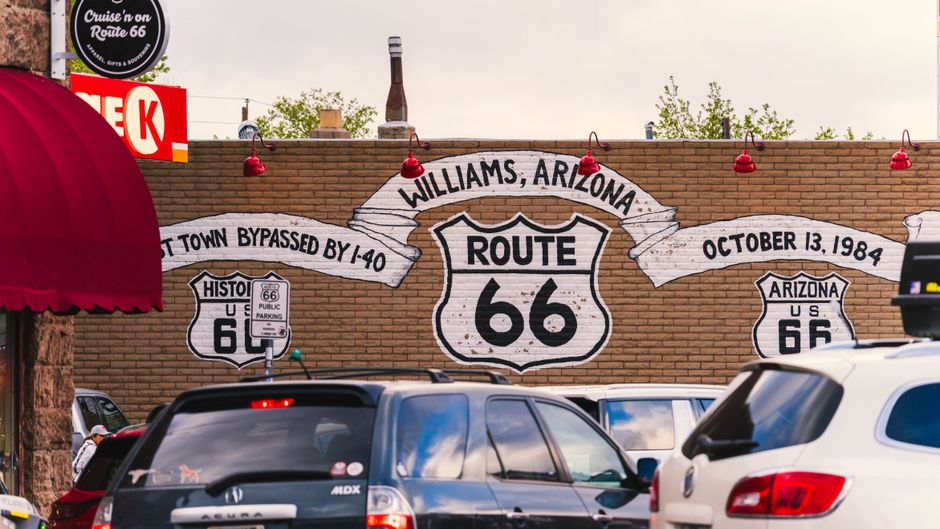
7. The Mile-High Mining City
Bisbee, Arizona, USA
This remote mining town, built into the Mule Mountains, was once the largest city between St. Louis and San Francisco.
Bisbee's downtown clings dramatically to steep canyon walls, a testament to its copper mining boom. Its winding streets, staircases, and multi-level buildings are architectural marvels, showcasing a blend of Victorian, Art Deco, and Spanish Colonial styles. In its heyday, Bisbee was a bustling, cosmopolitan center, producing vast amounts of copper. Today, it's a vibrant arts community, with galleries and cafes inhabiting historic storefronts, maintaining its unique, rugged charm.
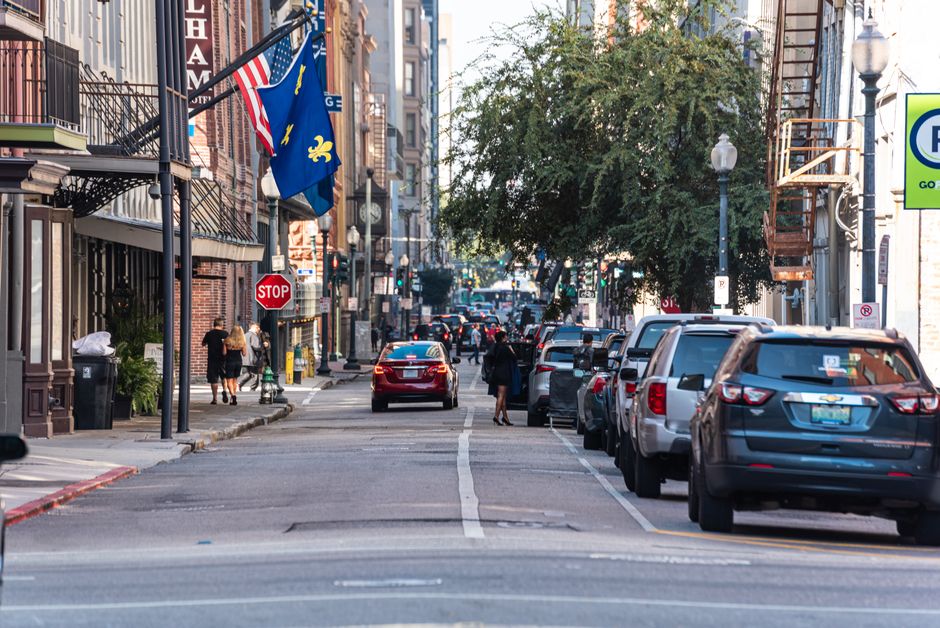
8. Older Than New Orleans
Natchitoches, Louisiana, USA
It is the oldest permanent European settlement in the entire Louisiana Purchase territory, predating New Orleans by over a decade.
Established by the French in 1714, Natchitoches' National Historic Landmark District stretches along the Cane River Lake, featuring stunning Creole architecture, wrought-iron balconies, and brick-paved streets. Its Front Street offers a picturesque promenade lined with shops and restaurants, echoing its past as a crucial French trading post. The city's distinctive culture, influenced by French, Spanish, and African traditions, is beautifully preserved in its buildings and vibrant local traditions.
Frequently asked questions
What makes a city's downtown 'historical and beautiful'?
A downtown earns this title through a combination of well-preserved architecture, significant cultural or economic past, and a distinct aesthetic appeal. This often includes original building facades, public squares, unique street layouts, and a palpable sense of the past that contributes to its charm and character.
How can I find these lesser-known historic downtowns?
Beyond major tourist hubs, look for cities with significant roles in specific historical events like mining booms, early colonial settlements, or unique industrial developments. Often, smaller cities that were once regional centers but haven't grown into sprawling metropolises retain their historic cores exceptionally well.
Are these downtowns typically walkable?
Absolutely. Many historic downtowns were designed before the widespread use of automobiles, making them inherently pedestrian-friendly. Expect compact layouts, charming sidewalks, and often public squares or waterfront promenades perfect for strolling and discovering hidden gems on foot.
How can AllTours.ai help me explore these historical downtowns?
AllTours.ai acts as your personal AI guide. Simply point your phone camera at any historic building, landmark, or natural feature in these downtowns, and the app will instantly narrate its history, geology, and cultural significance in your preferred language, bringing every story to life.
Related guides
Photography via Pexels. AllTours.ai is an AI audio tour guide — point your camera at any landscape and hear its story.