July 9, 2026 · 4 min read
Asking "Which country has the best food?" is like asking for the single best sunset – it's a profoundly personal and ever-changing experience. What one traveler savors, another might overlook. The true joy of culinary exploration isn't about finding a definitive answer, but about the journey itself, discovering unexpected flavors that tell a story.
Forget the usual suspects and well-trodden paths. We're diving into lesser-known corners of the world, where ancient traditions, unique landscapes, and surprising cultural quirks have shaped extraordinary dishes. These are places where food isn't just sustenance, but a direct link to history, geology, and the heart of a community.

1. Volcanic Earth's Embrace
Furnas, São Miguel, Azores, Portugal
Below the lush surface of the Azores, volcanic steam vents cook a traditional stew for hours.
In Furnas, a small village on São Miguel island, "Cozido das Furnas" is more than a meal; it's a geological marvel. Locals lower large pots filled with meats and vegetables into fumaroles – natural vents releasing geothermal heat – where they slow-cook underground for six to seven hours. This ancient method infuses the ingredients with a unique earthy flavor, a direct taste of the island's volcanic heart.
2. The Ancestral Potato Rainbow
Potato Park, Sacred Valley, Peru
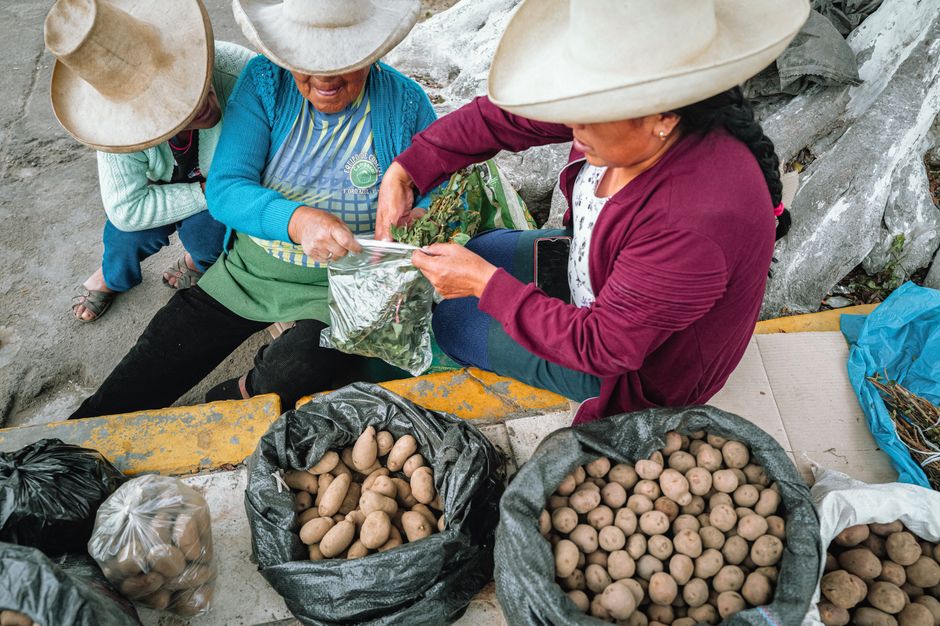
High in the Peruvian Andes, thousands of potato varieties, some unknown to the outside world, thrive in their ancestral home.
The Potato Park, a bio-cultural heritage site near Cusco, is home to indigenous Quechua communities who cultivate over 1,200 native potato varieties. These aren't just food; they are living heritage, each with unique colors, textures, and flavors, many developed by the Incas and their predecessors over millennia. Tasting them here means experiencing a direct link to ancient Andean agricultural wisdom and a staple that shaped a civilization.
3. Where Coffee Awakened
Kaffa Zone, Ethiopia
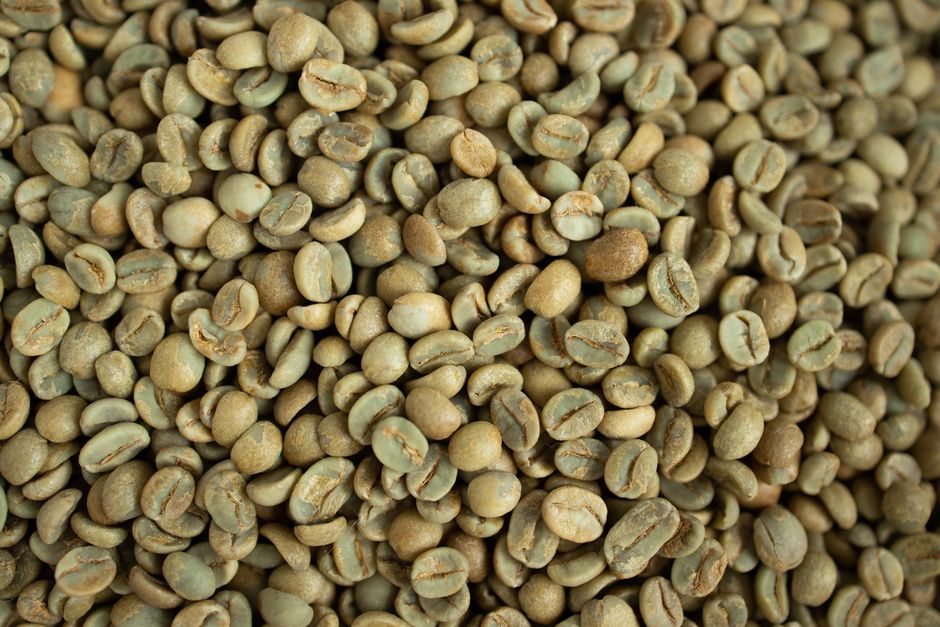
The legendary discovery of coffee beans, traced back to dancing goats, originated in Ethiopia's ancient Kaffa forests.
In the Kaffa Zone, dense cloud forests are the genetic birthplace of Arabica coffee. Legend tells of Kaldi, a goat herder, who noticed his goats becoming energetic after eating red berries from a certain tree. This led to the discovery of coffee. Today, traditional coffee ceremonies here are a profound cultural ritual, a slow, meticulous process of roasting, grinding, and brewing beans that offers a taste of history itself.
4. Wine from Buried Clay
Kakheti Region, Georgia
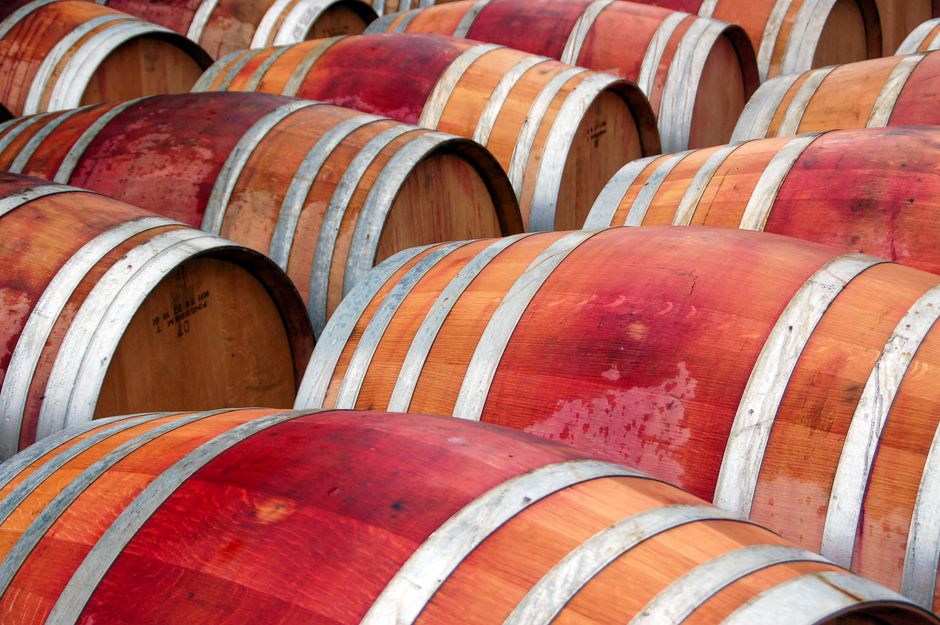
Georgia's Kakheti region practices an 8,000-year-old winemaking tradition using giant clay vessels buried underground.
In Kakheti, winemakers continue the ancient practice of fermenting and aging wine in "qvevri" – large, egg-shaped clay amphorae buried beneath the earth. This method, recognized by UNESCO, predates modern winemaking by millennia and produces distinctive, amber-hued wines with rich textures and complex flavors. It’s a taste of unbroken history, a direct link to the world's earliest viticulture.
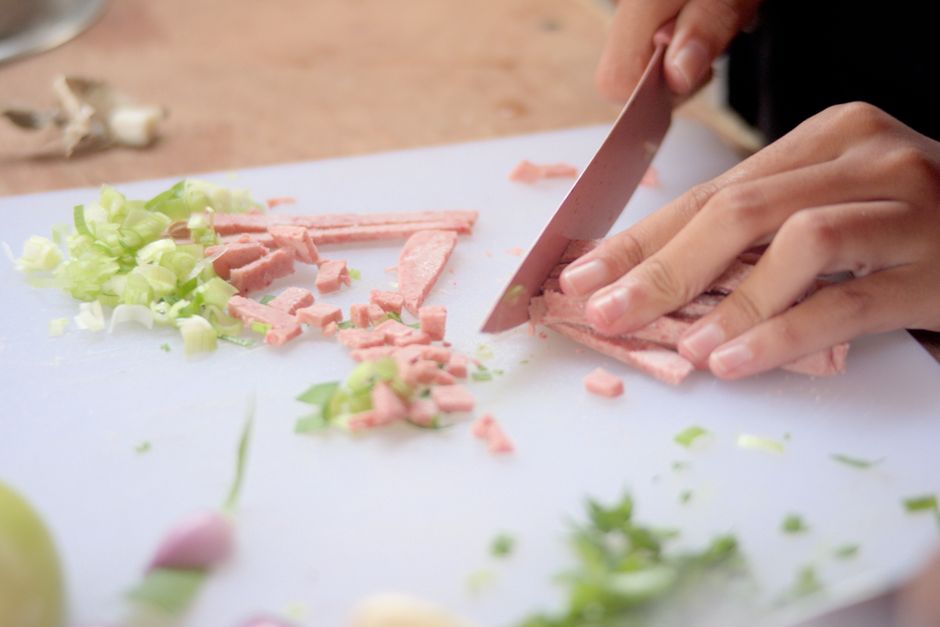
5. The Wind-Kissed Ham
Karst Region, Slovenia
The unique 'Bora' wind blowing across Slovenia's Karst plateau naturally cures a prized prosciutto, giving it a distinct flavor.
In the rugged Karst region, the intense, dry Bora wind is an invisible artisan. It naturally cures "Kraški pršut" (Karst prosciutto), a thinly sliced, air-dried ham. The specific microclimate and traditional methods, passed down through generations, result in a sweet yet savory flavor and tender texture. This isn't just ham; it's a culinary expression of the fierce landscape and the patience of its people.
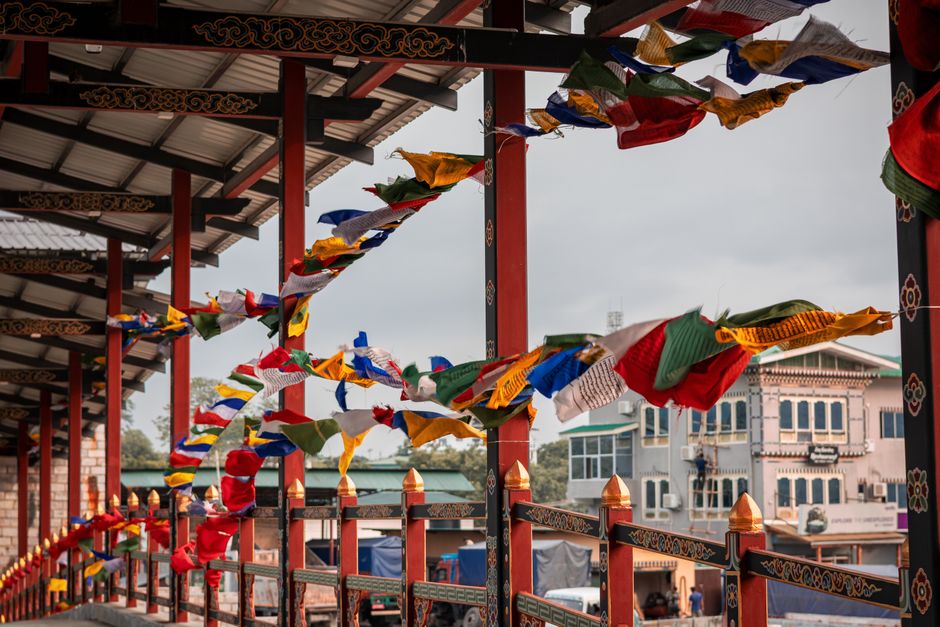
6. Chili as the Main Course
Thimphu Valley, Bhutan
In Bhutan, chilies are not merely a spice but often the main ingredient, as seen in their national dish, Ema Datshi.
Bhutanese cuisine stands apart by treating chilies not as a condiment, but as a vegetable. Ema Datshi, the national dish, exemplifies this: a hearty stew of sliced chilies, often local varieties, melted with local cheese. It's a surprisingly rich and comforting experience, showcasing a unique culinary philosophy where heat is embraced as a fundamental flavor, reflecting the country's bold character.
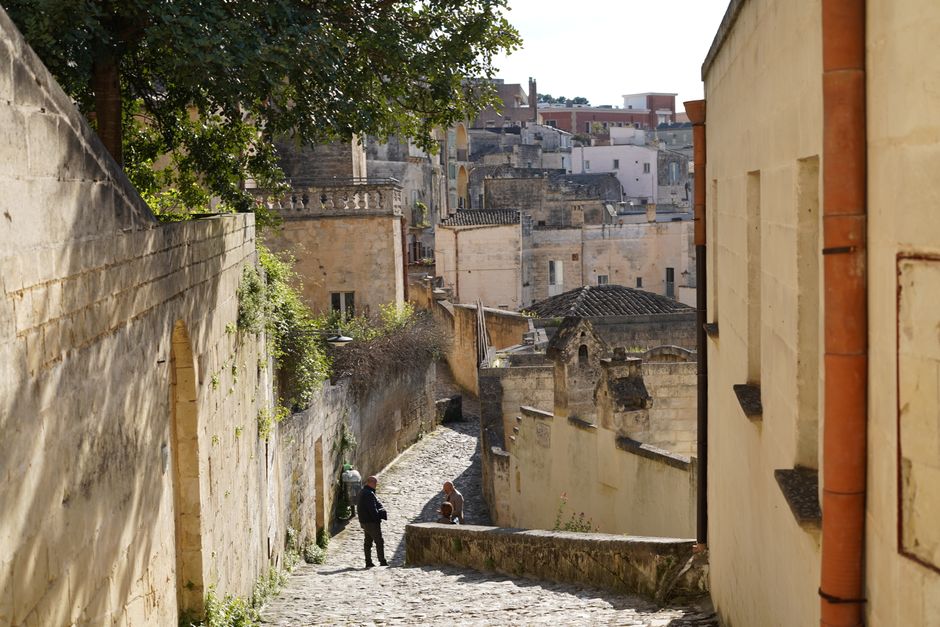
7. Ancient Grain, Living Bread
Matera, Basilicata, Italy
Matera, famous for its cave dwellings, also preserves a millennia-old bread-making tradition using local grains and sourdough.
From the ancient "Sassi" cave dwellings of Matera comes "Pane di Matera," a distinctive durum wheat bread with a protected geographical indication. Made with local semolina, natural sourdough, and water from the region, its unique horn-like shape and long shelf-life echo the historical needs of its inhabitants. Each bite connects you to the deep agricultural heritage and resilient spirit of this UNESCO World Heritage site.
Frequently asked questions
What makes a country's food 'the best'?
The concept of 'best' food is deeply subjective, often influenced by a combination of factors such as fresh, locally sourced ingredients, unique culinary traditions, historical influences, and the passion of the people who prepare it. Ultimately, it's about how food tells the story of a place and its culture.
How can I discover truly authentic, lesser-known local dishes when traveling?
To find authentic dishes, venture beyond main tourist areas. Explore local markets, ask residents for their favorite neighborhood eateries, or look for small, family-run establishments. Don't be afraid to try street food where locals gather, as these often offer genuine flavors.
Are there any ethical considerations when trying unique local foods?
Absolutely. Be mindful of sustainability, especially with seafood or rare ingredients. Respect local customs and traditions around food, and consider the impact of your choices on local communities and their environment. Supporting small, local businesses is always a good practice.
How can AllTours.ai help me explore food culture?
AllTours.ai enhances your culinary exploration by providing instant audio narratives. Point your phone at a market stall, a specific ingredient, or a traditional restaurant, and the app will narrate its history, cultural significance, and preparation methods in your language, making every meal a deeper discovery.
Related guides
Photography via Pexels. AllTours.ai is an AI audio tour guide — point your camera at any landscape and hear its story.