July 10, 2026 · 4 min read
Georgina Hayden's evocative articles on Crete always leave us craving the island's authentic flavors and experiences. While the food itself is a journey, the true essence of Cretan cuisine is inextricably linked to the land, the history, and the resilient people who have shaped it for millennia.
Rather than singling out one dish, we invite you to explore the very places that give these flavors their soul. Join us on a culinary and cultural expedition off the well-trodden path, to discover hidden corners of Crete where every landscape, every stone, and every local tradition holds a surprising story.
1. The Rebel's Table in Anopoli
Anopoli, Crete, Greece
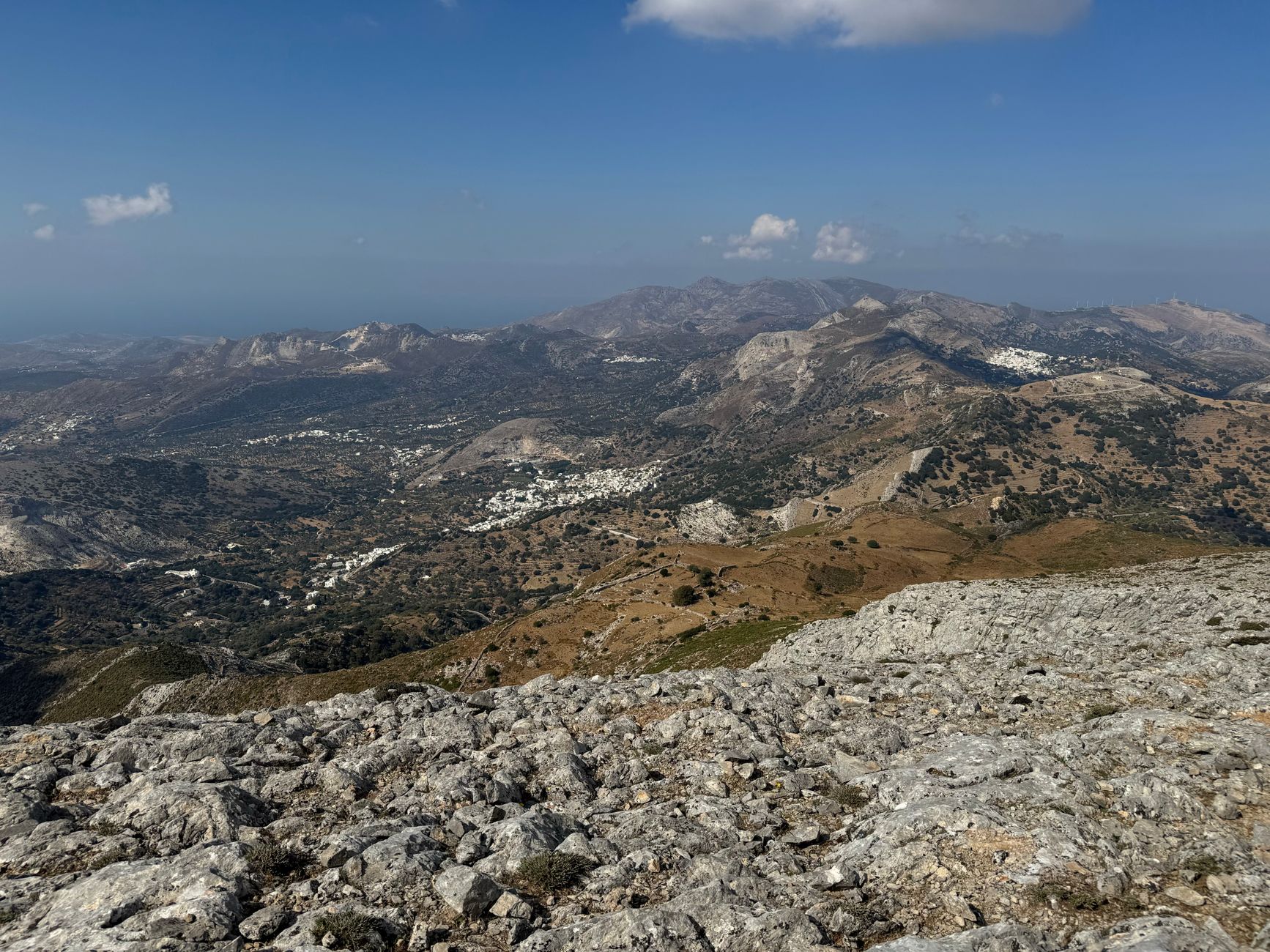
High in the White Mountains, this village embodies Crete's fierce independence, reflected even in its simple, resilient cuisine like *Sfakian pies*.
Anopoli, perched defiantly above the Sfakian coast, served as a stronghold during countless uprisings against Ottoman and Nazi rule. Its inhabitants' unyielding spirit is legendary. Here, a *Sfakiani pita* – a thin, savory cheese pie often drizzled with honey – isn't just a dish; it's a taste of a people forged by hardship and freedom. The surrounding rugged landscape dictates a diet of wild herbs, cheese from hardy goats, and simple grains.
2. Richtis Gorge's Ancient Mills
Exo Mouliana, Crete, Greece
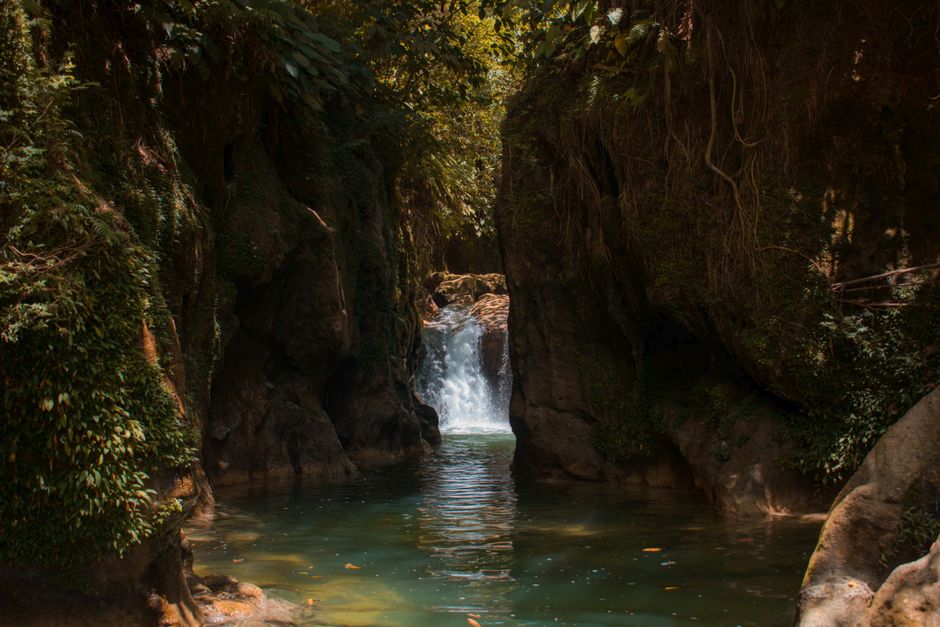
Deep within a verdant gorge, a cascading waterfall guards the ruins of Byzantine watermills that once sustained local life.
The Richtis Gorge, near the village of Exo Mouliana, is a lush oasis culminating in a stunning waterfall. More than just natural beauty, this gorge is an open-air museum of ingenuity. Along the winding path, you'll discover the stone remnants of over a dozen Byzantine watermills, once vital for grinding grain for the surrounding communities. These structures are a testament to how ancient Cretans harnessed the island's dramatic geology for survival and prosperity, long before modern infrastructure.
3. Kato Zakros's Forgotten Port
Kato Zakros, Crete, Greece
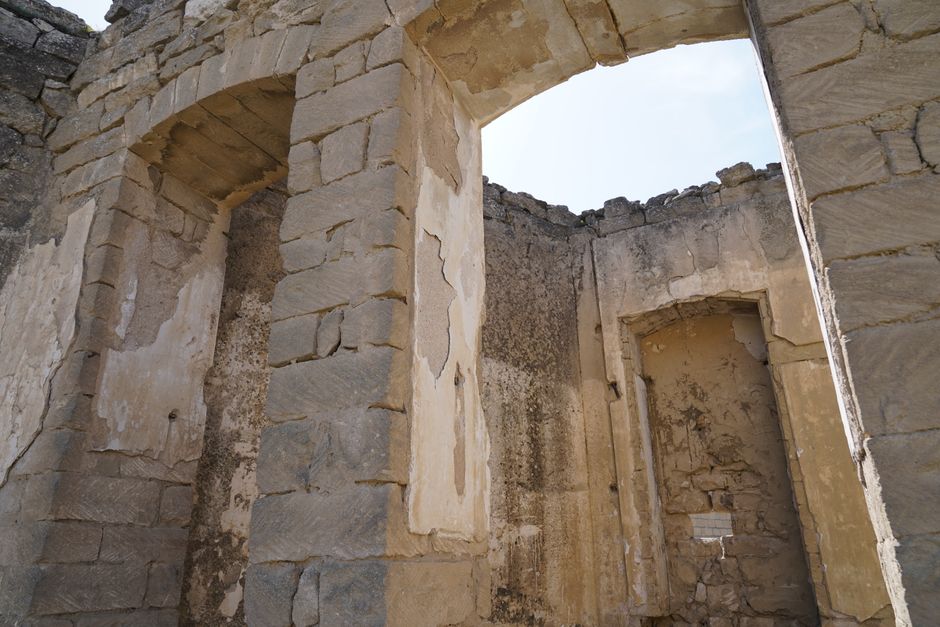
At Crete's remote eastern edge lies the quiet archaeological site of Kato Zakros, once a major Minoan port city with its own palace.
Unlike the bustling archaeological sites of Knossos or Phaistos, Kato Zakros offers a serene encounter with Minoan civilization. This was the only Minoan palace built directly on the sea, serving as a crucial hub for trade with the Near East. The site, alongside its tranquil beach, reveals intact workshops, storage rooms, and a unique freshwater spring, providing a rare glimpse into the daily life of a powerful, seafaring Bronze Age culture. Its isolation has preserved a profound sense of ancient peace.
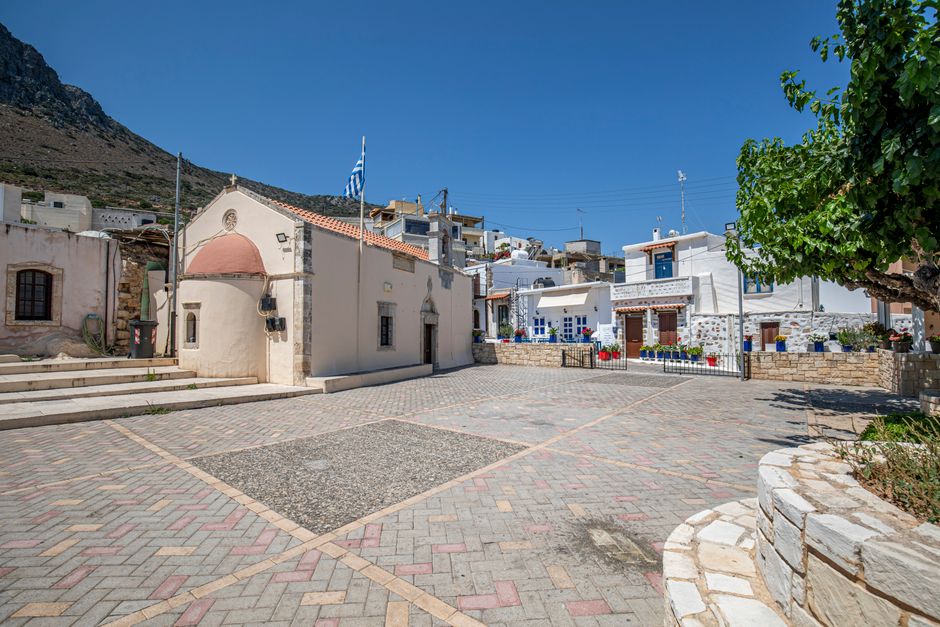
4. Loutro, The Pirate's Harbor
Loutro, Crete, Greece
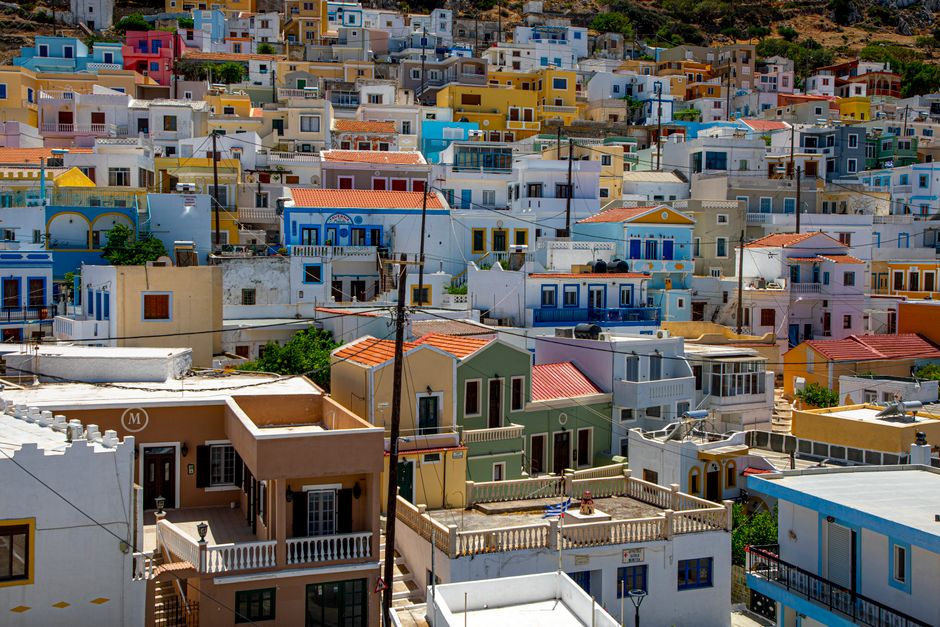
Accessible only by boat or foot, this charming car-free village was historically a safe haven for pirates and a strategic point for rebels.
The postcard-perfect village of Loutro, with its whitewashed houses hugging a turquoise bay, belies a colorful and often tumultuous past. Its natural, sheltered harbor made it an ideal hideout for pirates in the Middle Ages, offering refuge from the open seas. Later, during various occupations, it became a crucial base for Cretan revolutionaries due to its defensible position and difficult access. Today, its car-free tranquility invites a slower pace, but the echoes of its audacious history remain in the surrounding cliffs and clear waters.
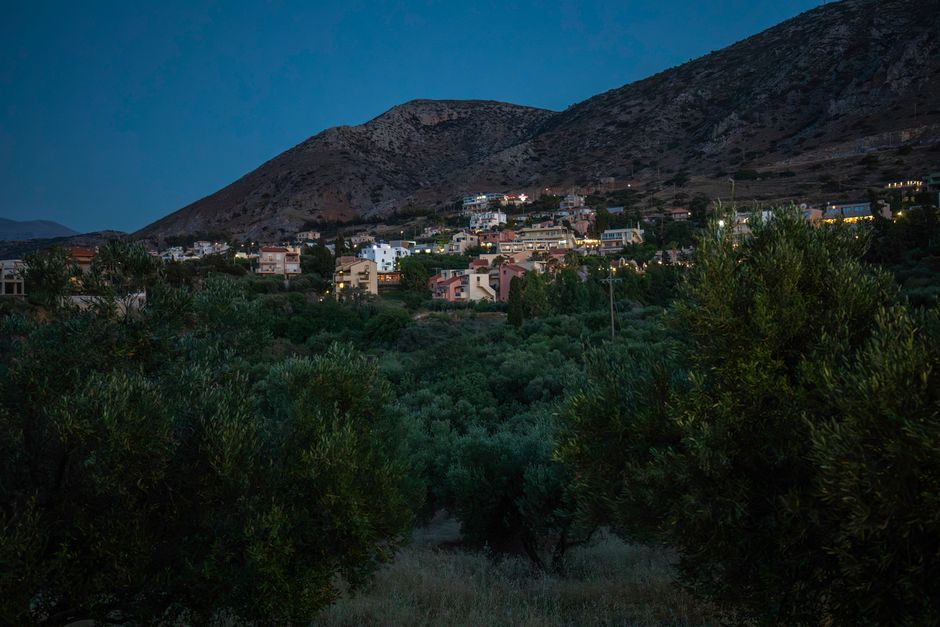
5. Gavalochori's Layered History
Gavalochori, Crete, Greece
This traditional village showcases a unique architectural blend, preserving Venetian arches and Ottoman minarets within its narrow lanes.
Gavalochori is a living testament to Crete's layered history, where every stone tells a story. Wander through its winding streets and you'll encounter Venetian arches, Ottoman wells, and traditional stone houses, all coexisting harmoniously. The village maintains a folk museum, an ancient olive oil press, and a strong sense of community that preserves centuries-old customs. It's a place where the cultural influences of conquerors have been absorbed and adapted into a distinctly Cretan identity, visible in its buildings and its enduring traditions.
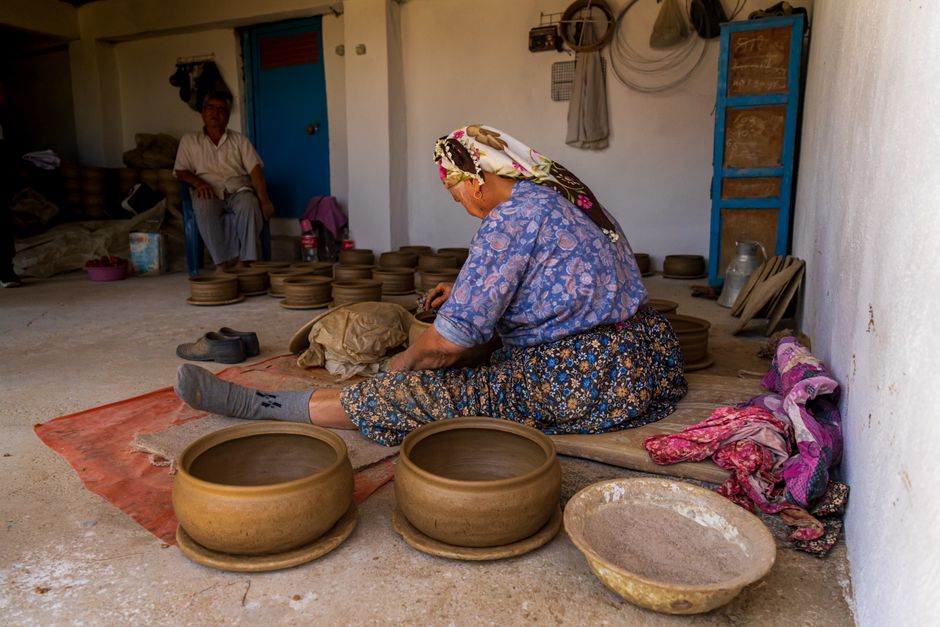
6. Margarites, The Potter's Legacy
Margarites, Crete, Greece
The village of Margarites continues a pottery tradition stretching back to Minoan times, with workshops still crafting unique ceramics from local clay.
Nestled in the Rethymno regional unit, Margarites is renowned as Crete's pottery village. The abundance of suitable clay in the surrounding hills has ensured that the craft has thrived here for millennia, with evidence suggesting continuous production since the Minoan era. Today, visitors can still watch potters at work in their traditional studios, shaping functional and decorative pieces using techniques passed down through generations. The earthy scent of clay and the rhythmic whir of the wheel connect present-day artisans directly to their ancient predecessors.
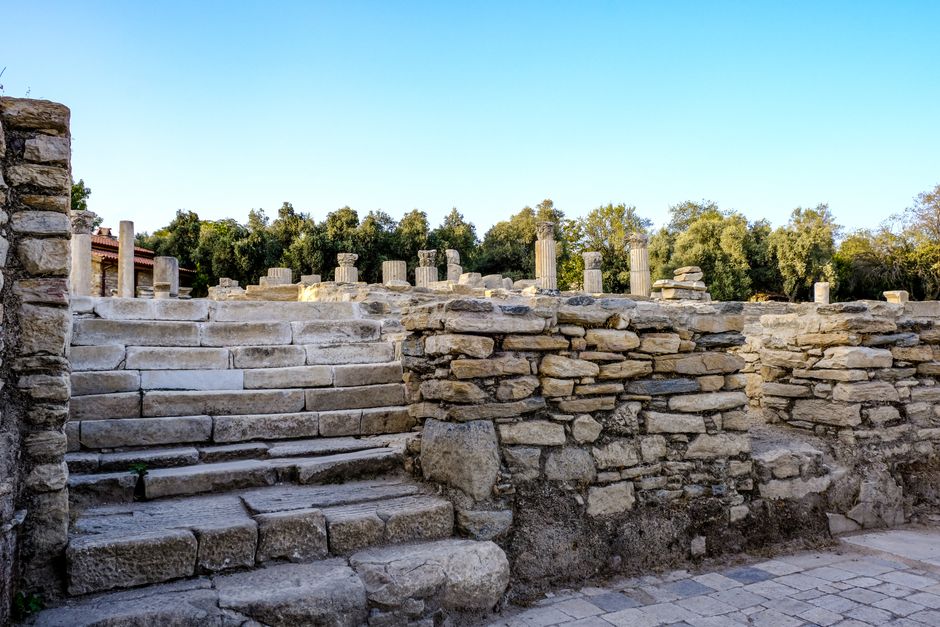
7. The Royal Villa of Agia Triada
Agia Triada, Crete, Greece
Near the more famous Phaistos, this lesser-known Minoan 'royal villa' offers an intimate and distinct perspective on elite Minoan life and ritual.
While often overshadowed by Crete's grander palaces, the archaeological site of Agia Triada provides a unique window into Minoan society. It wasn't a palace in the traditional sense, but rather a lavish royal villa or a summer residence for the rulers of Phaistos, boasting sophisticated architecture and exquisite frescoes. Significant finds, including the famous "Sarcophagus of Agia Triada" depicting complex funerary rituals, were discovered here, offering unparalleled insights into Minoan religious beliefs and artistic prowess away from the major urban centers.
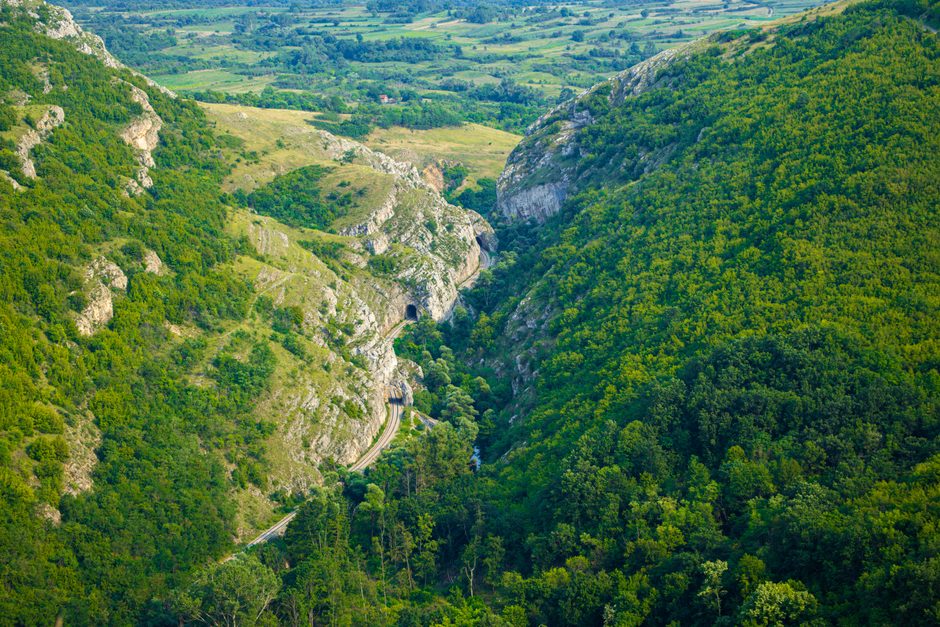
8. Kourtaliotiko Gorge's Whispering Winds
Kourtaliotiko Gorge, Crete, Greece
This dramatic gorge is famous for its powerful winds that sound like clapping hands and a hidden monastery carved into its cliffs.
The Kourtaliotiko Gorge, one of Crete's most impressive natural wonders, is named for the distinctive clapping sound (*kourtala*) produced by the wind rushing through its narrow passages and striking its sheer rock faces. This geological marvel also cradles the historic Monastery of Preveli, whose origins trace back to the Venetian era. The gorge’s rugged beauty and the river that carves its way through to Preveli Beach make it a place of both wild natural power and profound spiritual solace, far from the island's bustling tourist hubs.
Frequently asked questions
What kind of food is Crete known for?
Cretan cuisine is celebrated for its fresh, locally sourced ingredients, emphasizing wild greens, olive oil, cheeses, pulses, and lean meats. Dishes often feature simple preparations that highlight natural flavors, reflecting a healthy Mediterranean diet. Look for *dakos*, *kalitsounia*, and fresh seafood.
Is Crete good for off-the-beaten-path travel?
Absolutely. While popular areas exist, Crete is large enough to offer countless opportunities for off-the-beaten-path exploration. Head to the eastern or western fringes, or into the mountainous interior, to discover traditional villages, hidden gorges, and ancient sites away from the crowds.
How can I find lesser-known historical sites in Crete?
Beyond major archaeological parks, seek out local museums, ask villagers for recommendations, and explore detailed topographic maps. Many smaller, equally fascinating historical sites, like Byzantine chapels or ancient olive presses, are tucked away in the landscape and require a bit of adventurous discovery.
How does the AllTours.ai app help me explore places like these?
The AllTours.ai app transforms your smartphone into a personal AI audio tour guide. Simply point your camera at any landscape, landmark, or even a local dish, and the app instantly narrates its rich history, geology, and cultural significance in your preferred language, bringing hidden stories to life as you explore.
Related guides
Photography via Pexels. AllTours.ai is an AI audio tour guide — point your camera at any landscape and hear its story.