September 18, 2026 · 4 min read
When we talk about healthy European diets, images of the Mediterranean often spring to mind. While countries like Italy and Greece are rightly celebrated for their olive oil, fresh produce, and seafood, the story of Europe's healthiest eating habits extends far beyond these well-trodden paths. Many lesser-known regions, often off the typical tourist radar, hold ancient culinary traditions that contribute to remarkable longevity and vitality.
These are places where the rhythm of life is still deeply connected to the land, where foraging is a way of life, and where food is prepared with minimal processing and maximum respect for local ingredients. Join us on a culinary journey to uncover which European countries have the healthiest diet, and why, by exploring some of the continent's most fascinating and underrated food cultures.

1. The Mountain Foragers of Zagori
Zagori, Greece
Zagori's remote mountain villages sustain a diet rich in wild greens and foraged ingredients, contributing to a unique regional vitality.
The remote stone villages of Zagori in Greece's Epirus region are famed for their 'pites' – savory pies often filled with wild greens like horta, nettles, and leeks, foraged from the surrounding Pindus mountains. This tradition of self-sufficiency, combined with local cheeses, pulses, and small amounts of lean meat, forms a remarkably balanced and healthy diet rooted in centuries of mountain living and seasonal eating. The active lifestyle of foraging further enhances these benefits.

2. Acciaroli's Anchovy Longevity
Acciaroli, Campania, Italy
The tiny fishing village of Acciaroli boasts an unusually high number of centenarians, whose diet relies on local anchovies, rosemary, and wild Mediterranean plants.
In the coastal village of Acciaroli, within Italy's Cilento region, centenarians thrive on a diet heavily featuring locally caught anchovies, fresh rosemary, and wild Mediterranean herbs like myrtle and fennel. This isn't just a Mediterranean diet; it's a hyper-local variant, where the elders maintain active lifestyles, climbing hills and tending gardens, reinforcing the holistic approach to health that combines nutrient-dense food with physical activity.
3. Alentejo's Resourceful Bread Soups
Alentejo, Portugal
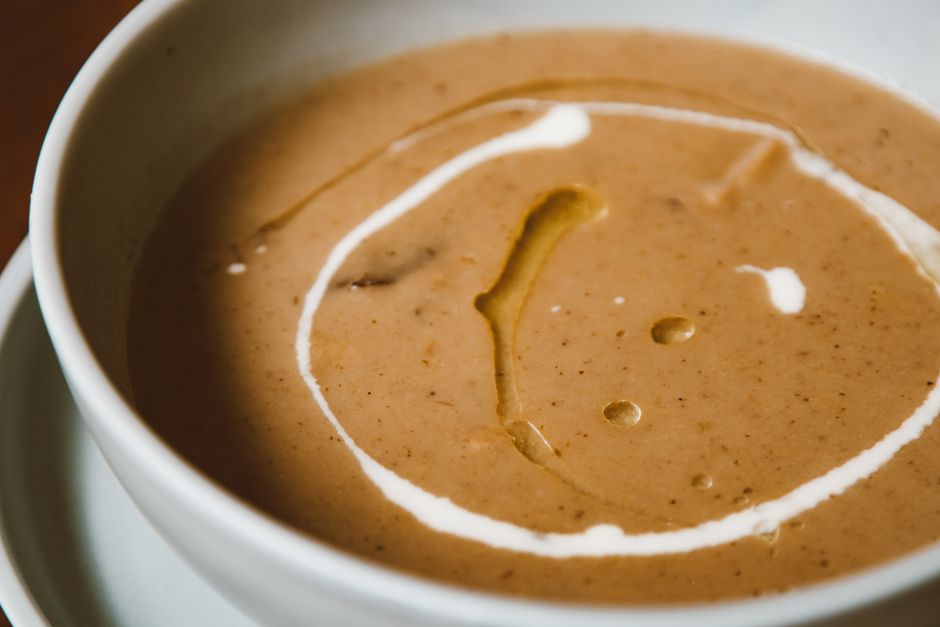
Alentejo's 'poor man's soup' (açorda) uses stale bread, garlic, and cilantro to create a surprisingly nutritious and flavorful staple.
In Portugal's Alentejo region, the traditional diet reflects a history of resourcefulness, with dishes like açorda de alho, a garlic and cilantro bread soup, forming a cornerstone. This isn't just peasant food; it's a deeply flavorful and fiber-rich meal, often enhanced with poached eggs or local fish. The diet embodies a sustainable approach to eating that prioritizes local produce, minimizes waste, and relies on simple, wholesome ingredients.
4. Istria's Olive Oil and Wild Asparagus
Istria, Croatia
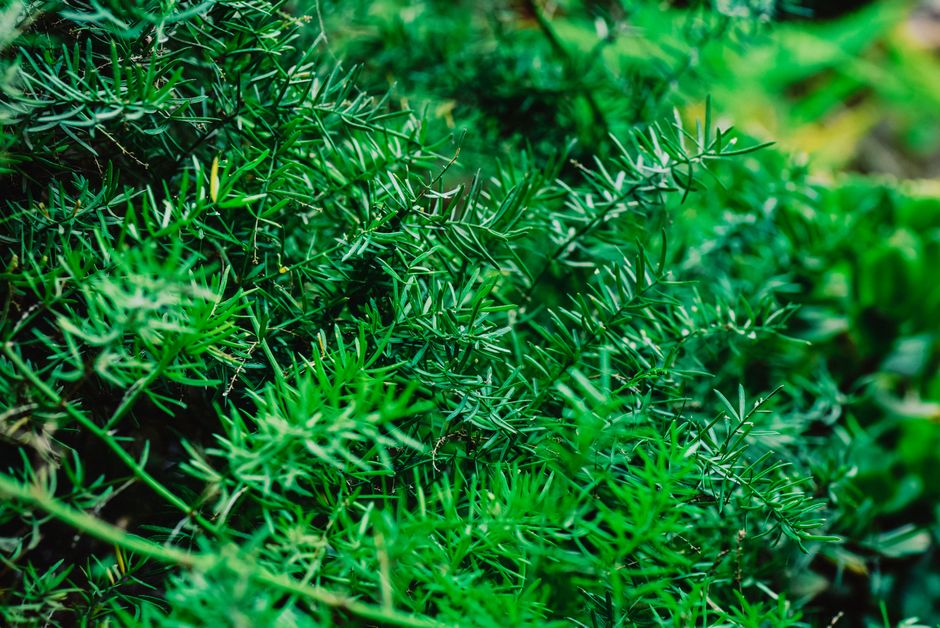
Istria's unique red soil yields world-class olive oil and an abundance of wild asparagus, cornerstones of its exceptionally healthy Mediterranean-influenced diet.
The heart-shaped peninsula of Istria, Croatia, benefits from a unique red soil that nurtures robust olive trees producing acclaimed oils, often compared to Italian varieties. Beyond its famous truffles, Istrian cuisine leans heavily on wild asparagus, foraged greens, and fresh seafood from the Adriatic, creating a diet rich in antioxidants and healthy fats. It is celebrated for its simplicity, freshness, and the profound connection to the land and sea.
5. Podlasie's Fermented Forest Bounty
Podlasie, Poland
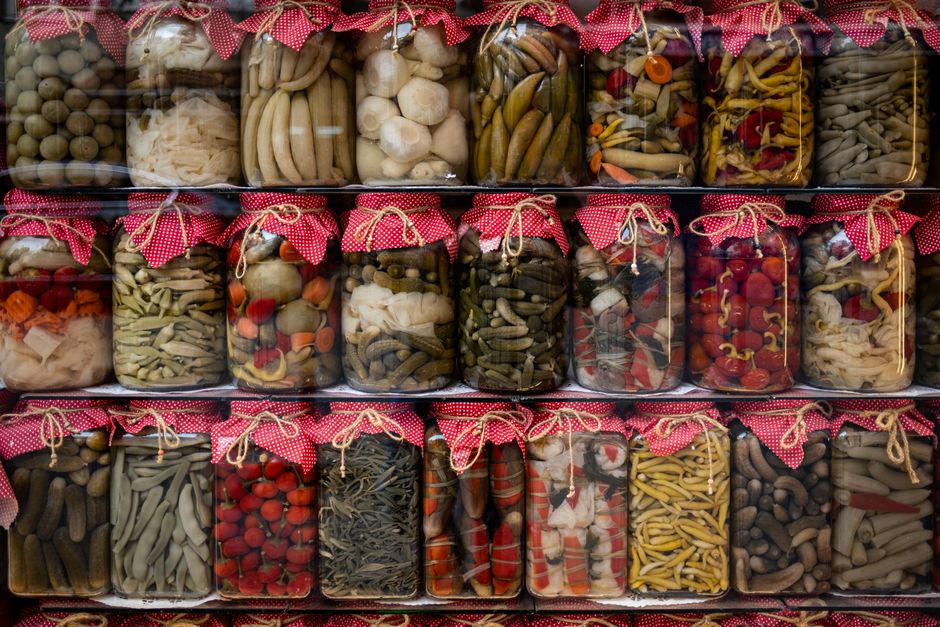
In Poland's remote Podlasie region, a diet centered on fermented vegetables, wild mushrooms, and ancient grains sustains communities through long winters.
Podlasie, a region in eastern Poland, preserves a dietary heritage rooted in its ancient forests and fertile lands. Here, fermented foods like kapusta kiszona (sauerkraut) are staples, alongside foraged wild mushrooms, buckwheat, and rye. This robust, fiber-rich diet, low in processed foods and high in probiotics, has sustained generations through harsh winters, reflecting a deep connection to local ecosystems and traditional preservation methods passed down through families.
6. Transylvania's Wild Carpathian Diet
Transylvania, Romania
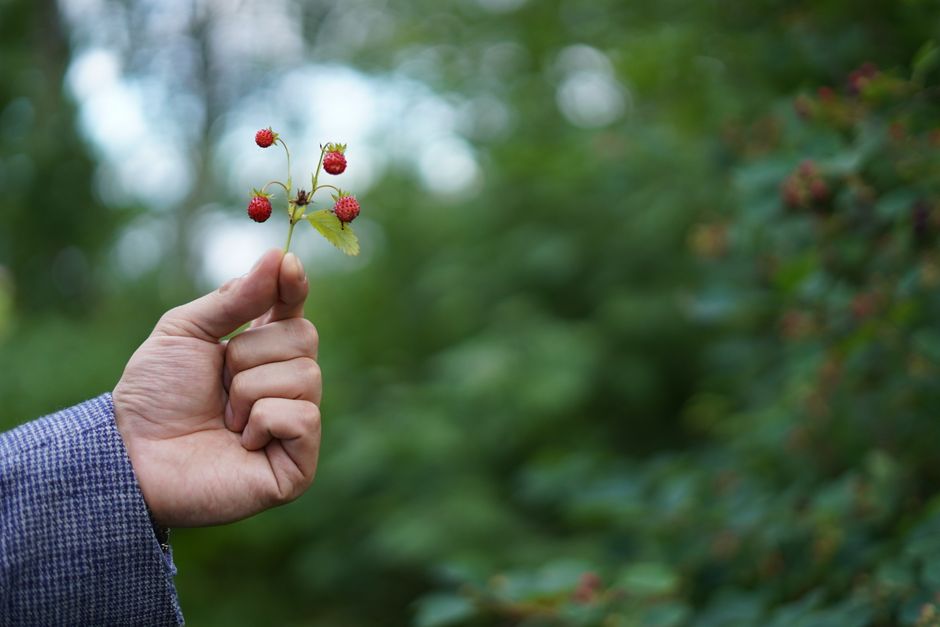
Transylvanian villagers traditionally rely on foraged berries, wild garlic, and unprocessed sheep cheese, reflecting a diet deeply tied to the Carpathian forests.
Beyond its legendary castles, Transylvania holds a culinary secret: a diet deeply connected to its verdant forests and pastures. Villagers here have long incorporated foraged wild garlic, forest mushrooms, and a variety of berries into their meals. Coupled with unprocessed sheep's cheese, seasonal vegetables from small gardens, and lean meats, this creates a nutrient-dense diet that emphasizes freshness and local sourcing, far removed from modern processed foods.
7. Värmland's Wild Nordic Larder
Värmland, Sweden
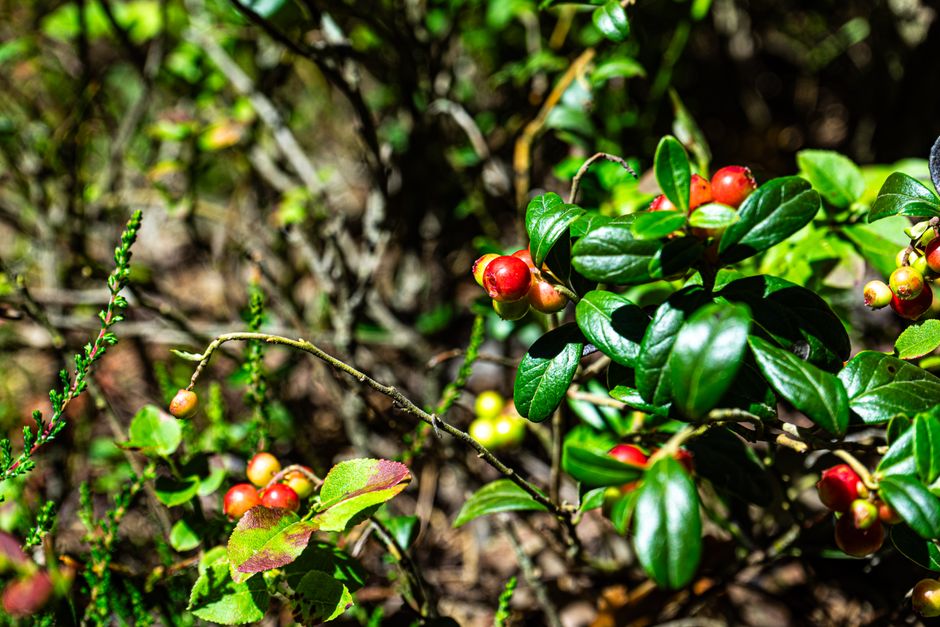
The remote forests of Värmland in Sweden provide a larder of lingonberries, mushrooms, and game, supporting a naturally lean and nutrient-rich diet.
In the serene, forest-rich landscape of Värmland, Sweden, the traditional diet is a direct reflection of its pristine nature. Foraging for lingonberries, cloudberries, and a multitude of mushrooms is common, complementing a diet that often includes lean game meats like moose or deer, and fish from its numerous lakes. This emphasis on wild, unprocessed ingredients, low in sugar and high in fiber and healthy fats, contributes to a robust and active lifestyle.
8. Extremadura's Dehesa-Fed Traditions
Extremadura, Spain
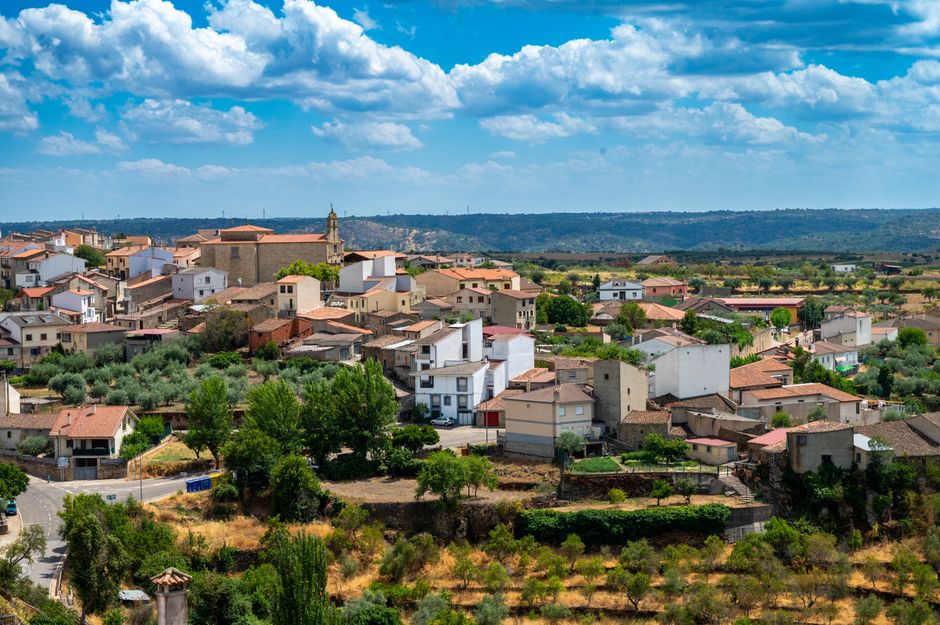
Extremadura's dehesa ecosystem sustains Iberian pigs alongside a diet rich in wild foraged plants and traditional grain dishes.
In Spain's rugged Extremadura region, the dehesa, an ancient oak forest pasture, forms the basis of a unique diet. While famous for acorn-fed Iberian ham, locals also incorporate a wealth of wild-foraged plants like thistles and asparagus, along with legumes and traditional grain-based stews. This diet, rich in healthy fats, fiber, and seasonal produce, reflects a deep connection to the land and a heritage of sustainable eating that champions local resources.
Frequently asked questions
What defines a 'healthy European diet' beyond common assumptions?
A healthy European diet is generally characterized by its reliance on fresh, local, and seasonal ingredients. It emphasizes a high intake of vegetables, fruits, legumes, and whole grains, combined with moderate lean protein, healthy fats like olive oil, and traditional preparation methods that minimize processing. Mindful eating, often in a communal setting, is also a key component.
Are there common threads across these healthy European diets from lesser-known regions?
Yes, several common threads emerge. A strong emphasis on plant-based foods, often including wild foraging, and the incorporation of fermented products for gut health are prevalent. There's also a deep connection to local, seasonal produce and an active lifestyle that complements dietary choices, fostering overall well-being.
Can I experience these healthy diets as a traveler in Europe?
Absolutely. To experience these healthy diets, seek out local farmers' markets, family-run tavernas or trattorias, and participate in food tours or cooking classes that focus on regional specialties. Exploring agritourism options, particularly in rural areas, can offer immersive experiences into traditional food preparation and sourcing.
How can AllTours.ai help me explore these healthy food traditions?
AllTours.ai enhances your travel by using AI to narrate the history, geology, and culture of your surroundings as you point your phone camera at landmarks or landscapes. This means you can discover the origins of local ingredients, learn about ancient farming practices, or hear the stories behind traditional dishes right where they originated, enriching your culinary journey with authentic context.
Related guides
Photography via Pexels. AllTours.ai is an AI audio tour guide — point your camera at any landscape and hear its story.