September 20, 2026 · 4 min read
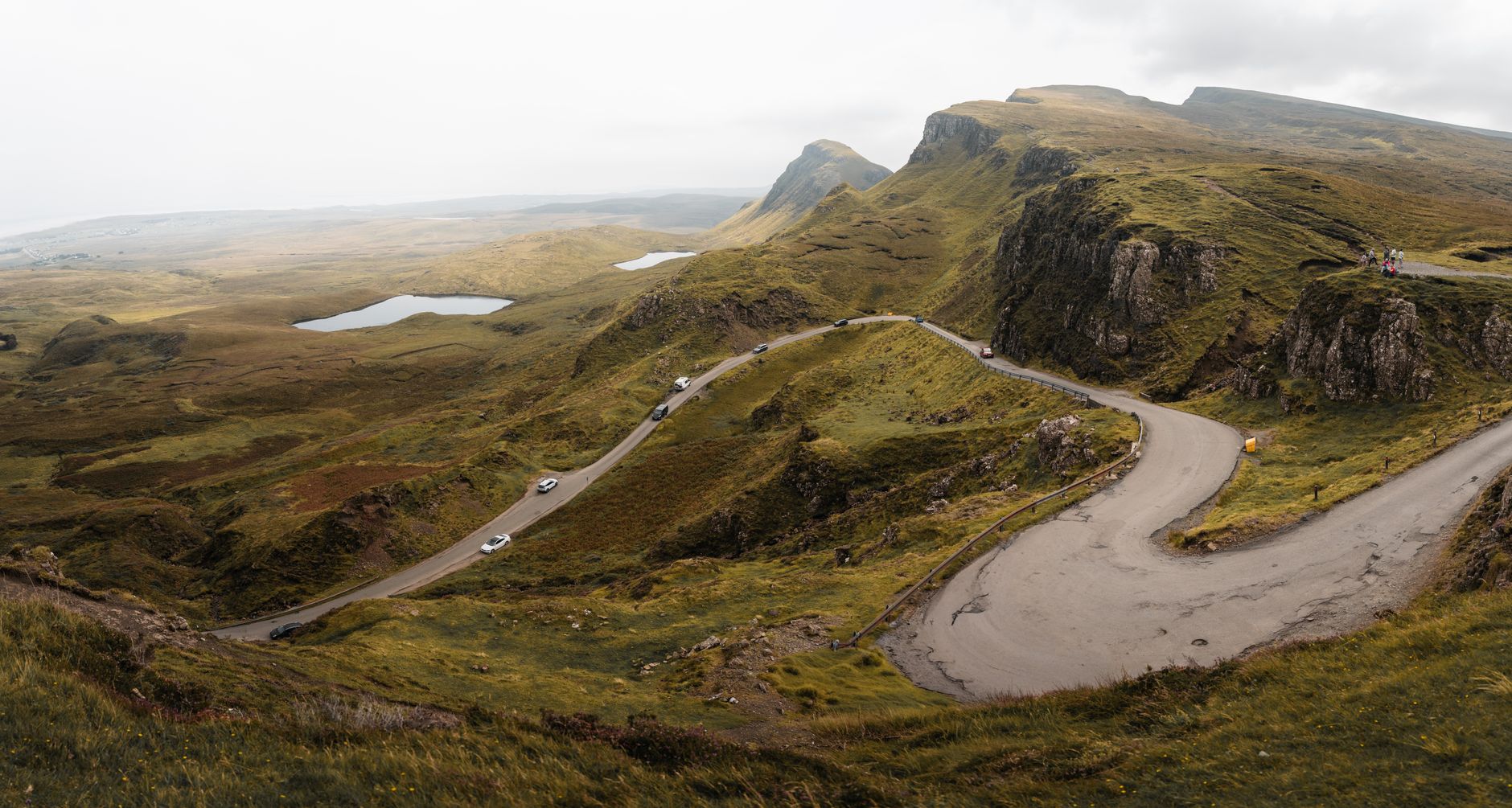
To an American accustomed to vast interstates, a two-hour drive might barely count as a warm-up. But for many British people, a journey of similar duration is considered a significant undertaking. This difference in perception isn't just about speed limits or road conditions; it's deeply rooted in the very fabric of the United Kingdom's geography, history, and culture.
The UK is a small island nation, densely packed with centuries of human activity, diverse landscapes, and a network of roads that wind through ancient villages, past historic landmarks, and across varied terrains. Every few miles can bring a dramatic shift in scenery and a new chapter of a story waiting to be told. This density means even a 'short' drive can feel like an epic exploration, filled with unexpected discoveries around every bend. Let's uncover some of these fascinating, often overlooked places that make a two-hour drive in Britain feel like a journey through time.
1. The Village That Chose Isolation
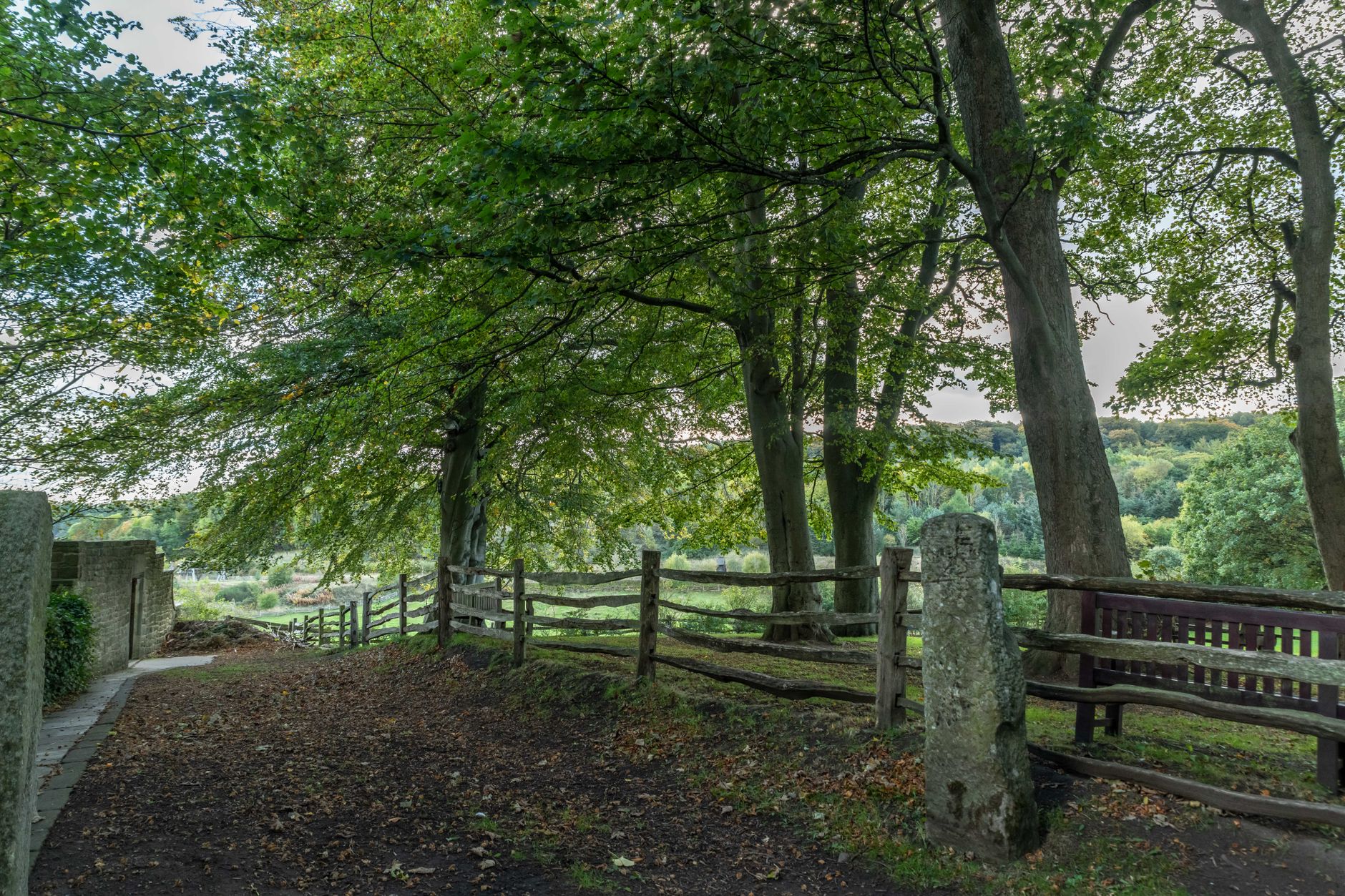
Eyam, England
In 1665, an entire village chose to self-isolate during the Great Plague, sacrificing themselves to save the surrounding region.
When the bubonic plague arrived in Eyam via a tailor's cloth bundle, the villagers made an extraordinary pact. Rather than flee and potentially spread the disease, they quarantined themselves, creating a cordon sanitaire around the parish. Supplies were left at a boundary stone, exchanged for money soaked in vinegar, while families buried their own dead in gardens and fields. This act of communal sacrifice, though devastating for Eyam, prevented the plague from reaching further into northern England.
2. The Chapel in the Cliff
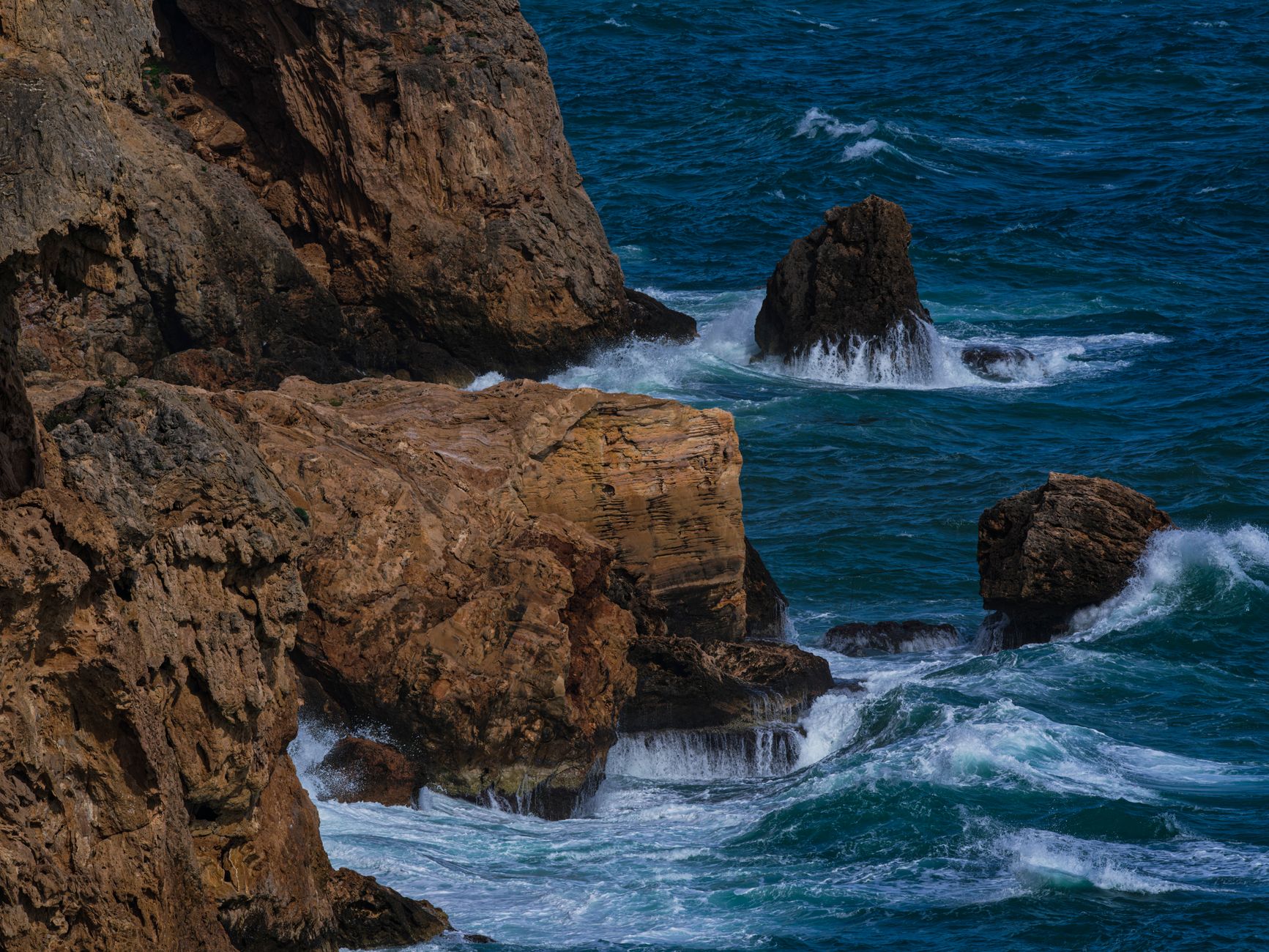
Pembrokeshire, Wales
This tiny 13th-century chapel is built directly into a limestone cliff face, accessible only by a steep, uneven stone staircase.
Tucked precariously into a fissure in the dramatic Pembrokeshire coastline, St Govan's Chapel is a marvel of medieval devotion and natural architecture. Legend says Saint Govan, a 6th-century hermit, found refuge here after fleeing pirates, with the rocks miraculously opening to shelter him. The chapel's rough-hewn stone walls blend seamlessly with the cliff, containing just a single altar and a bell, offering a profound sense of isolation and spiritual reflection against the crashing waves below.
3. A Reiver's Hideaway
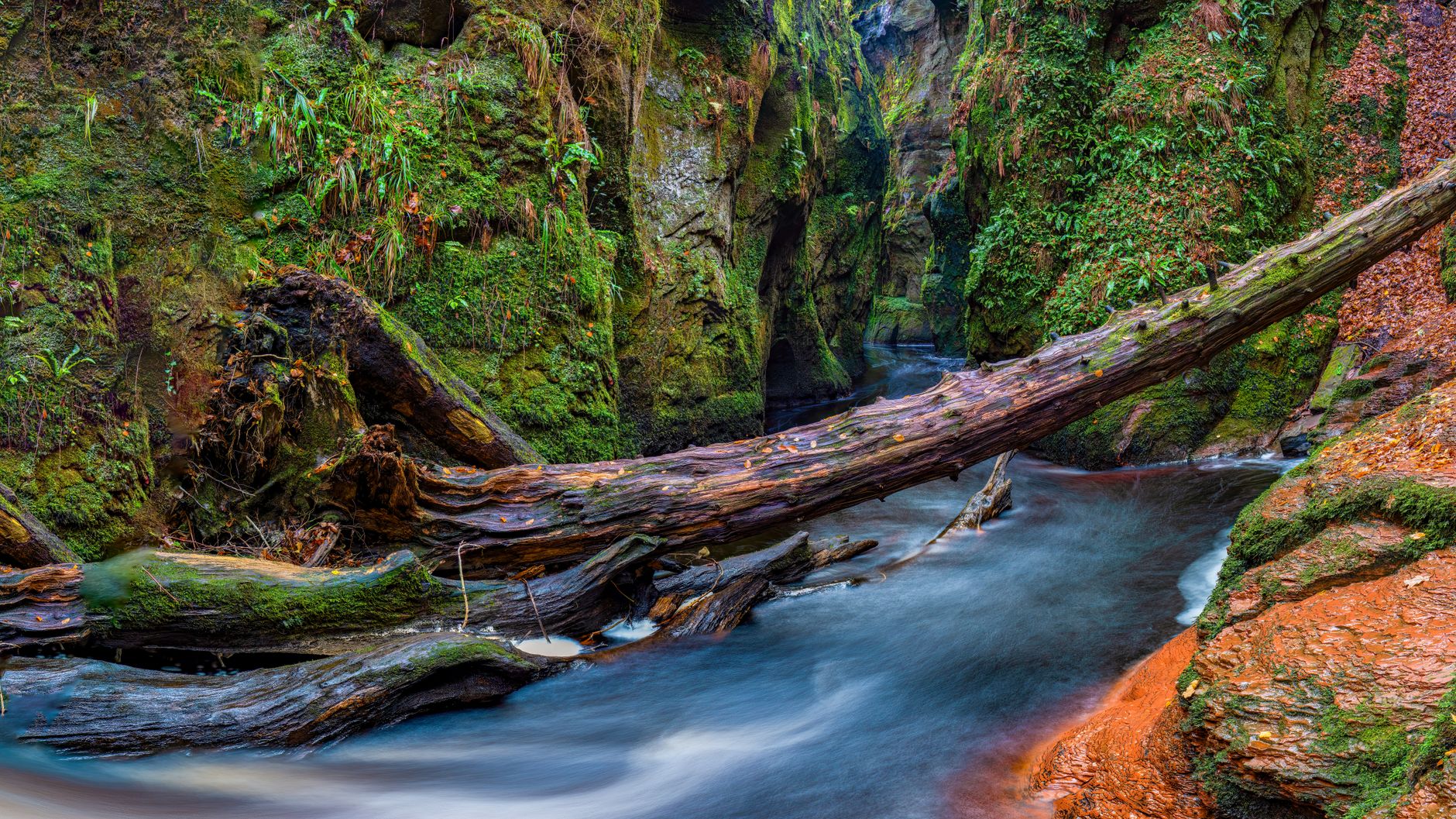
Dumfries & Galloway, Scotland
This dramatic, deep hollow in the Scottish Borders was once used by notorious Border Reivers to hide stolen cattle.
The Devil's Beeftub is a forbidding natural amphitheatre, a steep-sided bowl formed by glacial action near Moffat. Its name comes from its historical use by the ruthless Border Reivers, clans who raided and stole livestock across the Anglo-Scottish border for centuries. The deep, often mist-shrouded hollow provided a perfect, inconspicuous spot to conceal hundreds of rustled cattle before they could be driven further into the wild Scottish terrain. It’s a landscape steeped in a history of lawlessness and survival.
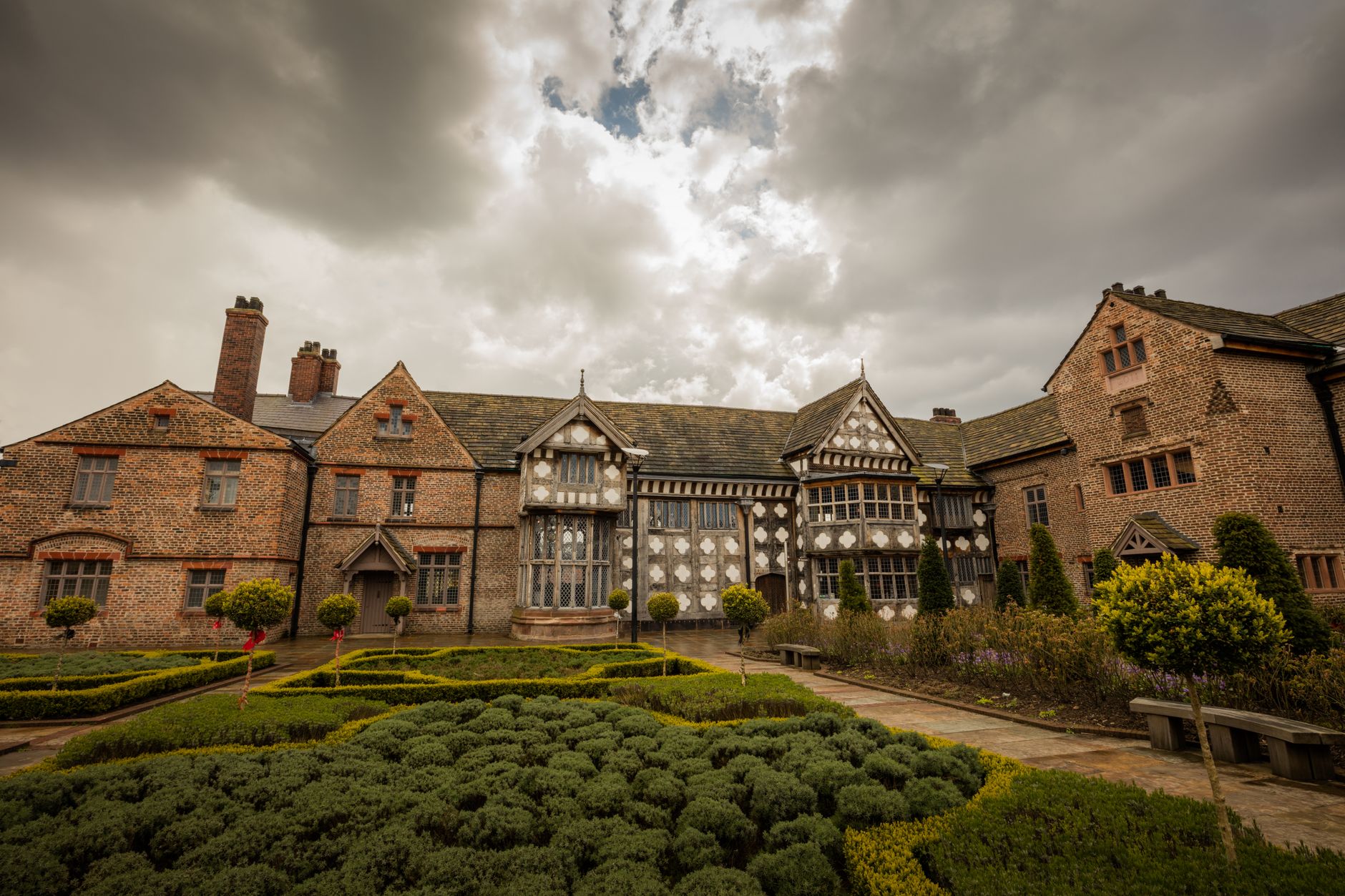
4. Britain's Electric Pioneer
Rothbury, Northumberland, England
Cragside was the first house in the world to be lit by hydroelectricity, making it a Victorian marvel of innovation.
Nestled amidst a dramatic landscape of rock and water, Cragside was the revolutionary home of Victorian inventor and industrialist Lord Armstrong. Here, he harnessed the power of water to generate electricity, lighting his house in 1878—a decade before London had electric streetlights. Beyond its pioneering power system, Cragside boasts elaborate hydraulic machinery, including an innovative lift and a rotating spit in the kitchen, showcasing an extraordinary blend of natural beauty and cutting-edge engineering.
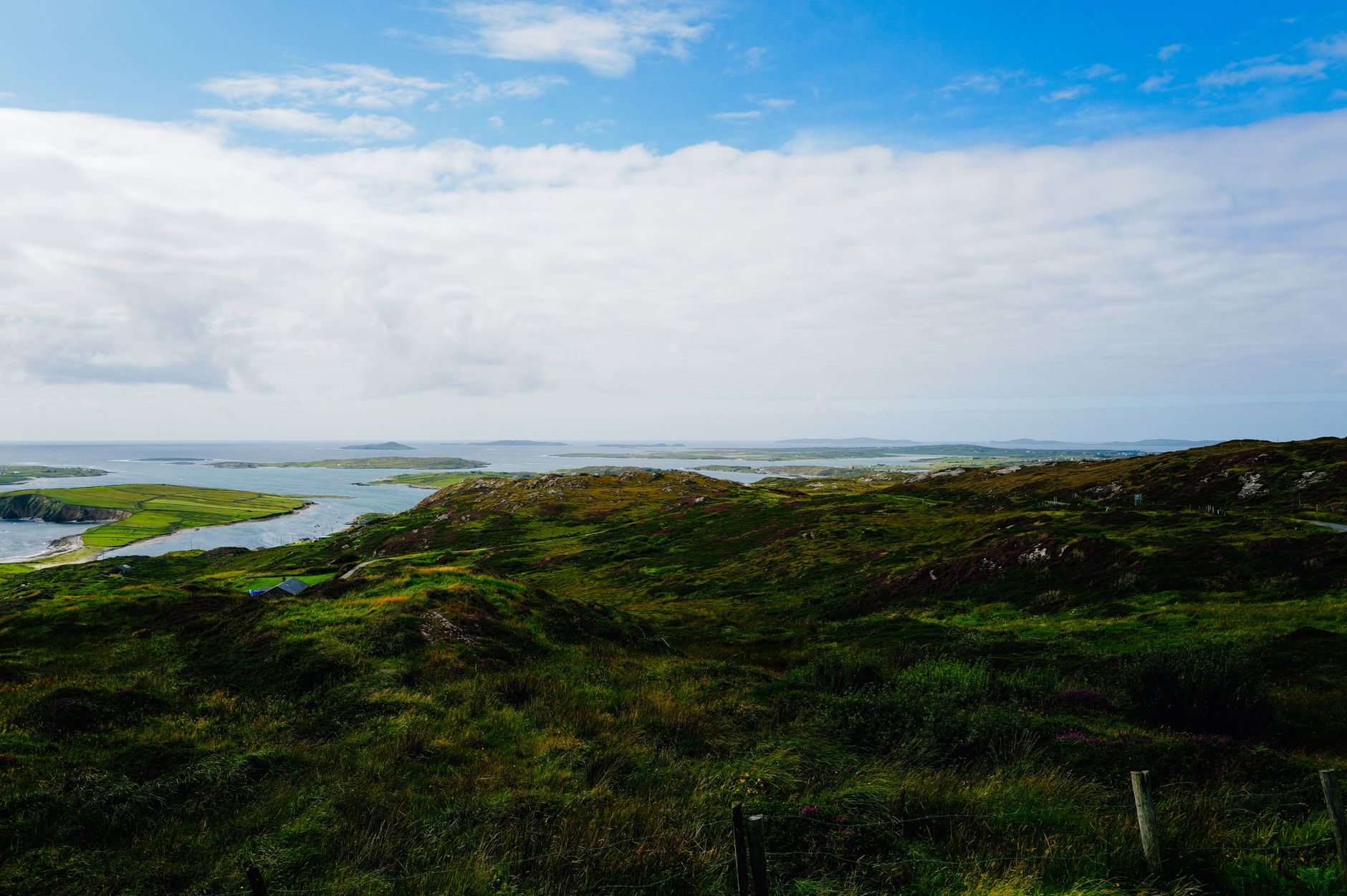
5. The Island of Buried Treasure
Shetland, Scotland
This small island is connected to the Shetland mainland by a stunning, naturally formed double-sided sand causeway where a significant Pictish silver hoard was discovered.
St Ninian's Isle boasts one of Europe's finest examples of a tombolo, a narrow strip of sand linking it to the larger island of Shetland for most of the year. This dynamic natural bridge shifts with the tides and seasons, offering breathtaking views. In 1958, an archaeological excavation beneath the floor of a ruined medieval chapel uncovered the St Ninian's Isle Treasure – a priceless collection of 28 Pictish silver objects dating from the 8th century, offering a rare glimpse into early Scottish art and culture.
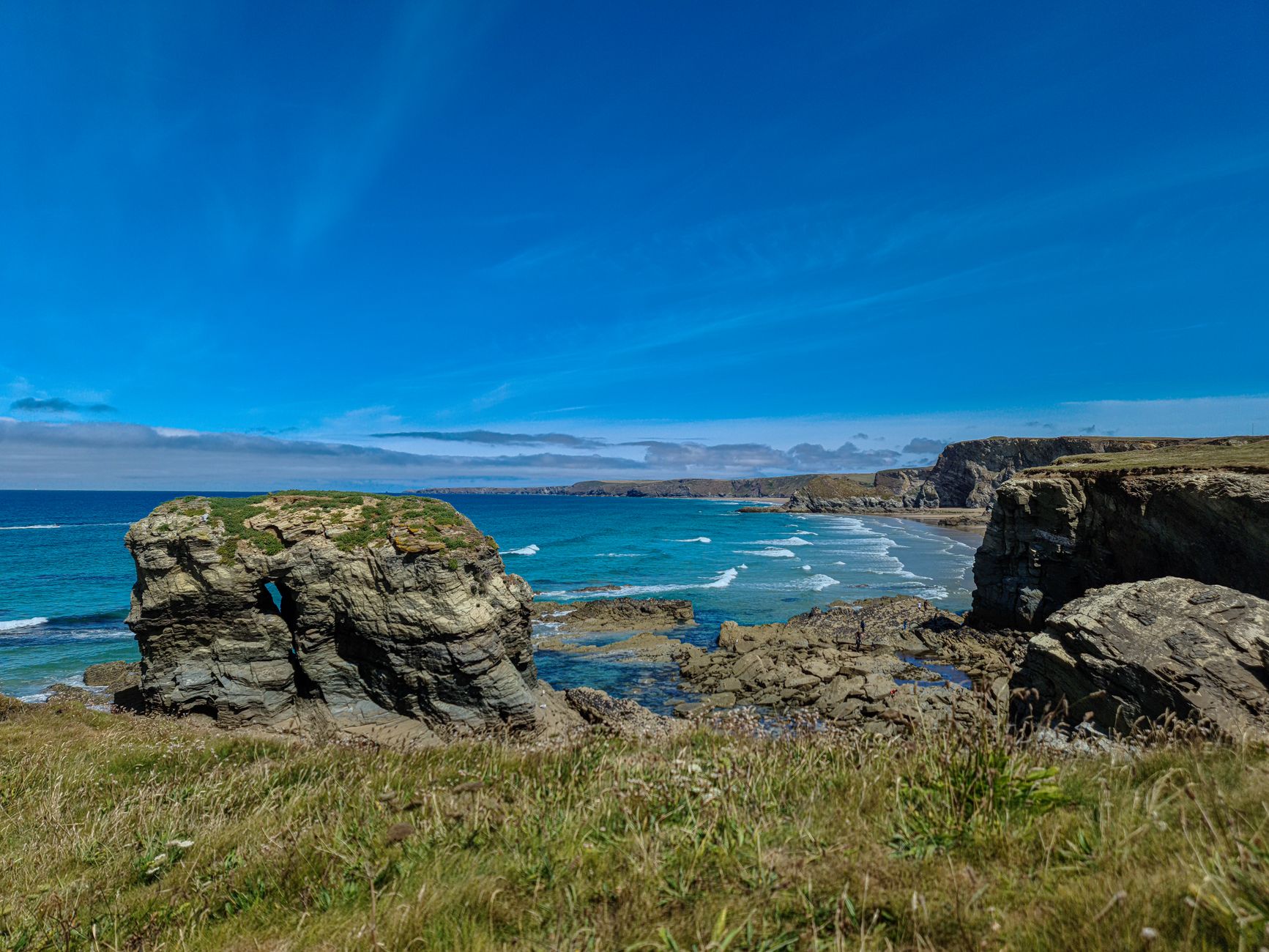
6. Granite Stacks of Legend
Bodmin Moor, Cornwall, England
This bizarre natural rock formation, resembling stacked giant cheeses, was once believed to be the work of giants.
Perched atop a hill on the wild, often bleak expanse of Bodmin Moor, The Cheesewring is a striking geological wonder. It consists of massive granite slabs, weathered over millennia into an impossible-looking stack, narrower at the base and wider at the top, like a pile of giant cheese wheels. Local folklore attributes its formation to a contest between a man and a giant, where the giant, frustrated by losing, hurled the rocks into their current configuration. It’s a testament to nature's artistry and the human imagination.
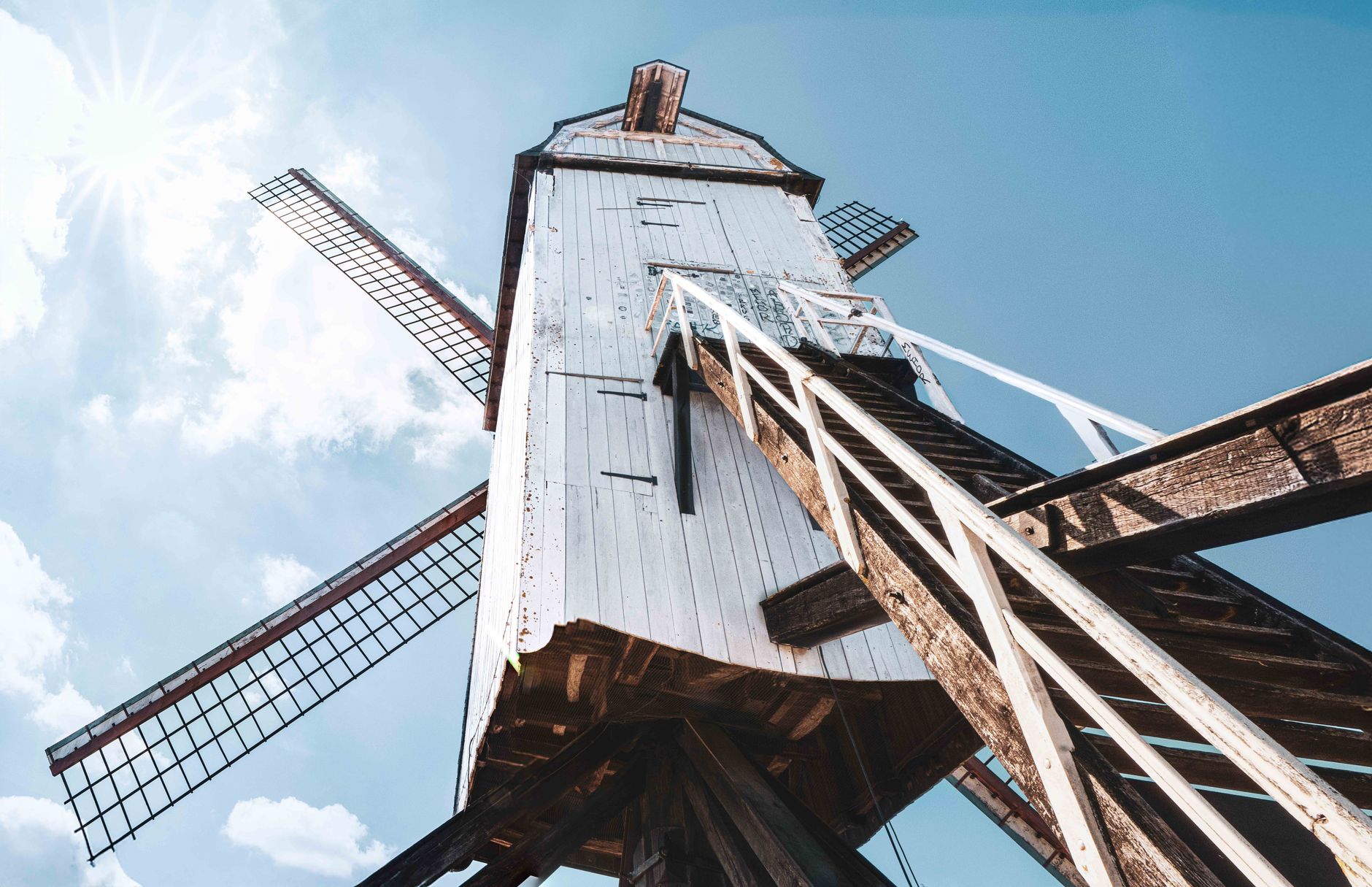
7. Wind, Water, and Wildlife
Norfolk Broads, England
An iconic Norfolk windpump stands guard over a landscape where one of the UK's largest grey seal colonies can be observed just a short walk away.
The Horsey Windpump, a beautifully restored drainage mill, is a quintessential symbol of the Norfolk Broads, a unique wetland landscape shaped by centuries of human intervention. While the windpump tells a story of managing water levels for farming, the nearby Horsey Gap beach offers a spectacular natural spectacle. During winter, thousands of grey seals gather here to pup, making it one of the most accessible and impressive seal colonies in Britain, a stark contrast between human engineering and raw nature.

8. Chalk Spires and Cold War Secrets
Isle of Wight, England
Beyond the iconic chalk stacks, this dramatic headland secretly served as a crucial testing site for Britain's early rocket and space programs during the Cold War.
The Needles, three distinctive chalk stacks rising from the sea off the Isle of Wight, are a geological marvel and a famous landmark. However, less known is the covert history hidden within the cliffs of the nearby Needles Old Battery. From the 1950s to the 1970s, this remote location became Britain's primary test site for rocket engines, including those for the Black Knight and Black Arrow space programs. The peaceful, scenic views conceal a past dedicated to cutting-edge, top-secret aerospace technology.
Frequently asked questions
Why is a two-hour drive considered long in the UK?
The UK is geographically dense, meaning a two-hour drive can traverse significant distances and diverse landscapes. Roads are often narrower, more winding, and pass through numerous towns and villages, slowing down journeys compared to the expansive, straighter highways in other countries.
What makes UK roads different from US roads?
UK roads are generally older, often following ancient paths, leading to more twists, turns, and narrower lanes, especially in rural areas. There are fewer multi-lane highways compared to the US, and traffic density can be very high, even outside major cities, contributing to longer travel times.
Are there many hidden gems off the main roads in the UK?
Absolutely. The UK is brimming with fascinating, lesser-known spots that are just a short detour from main routes. From ancient sites to unique geological formations and villages with incredible stories, the country rewards those willing to explore beyond the obvious tourist trails.
How does AllTours.ai help explore these places?
AllTours.ai enhances your journey by providing instant audio tours for any landmark or landscape. Simply point your phone camera at a site – whether it's a historic building, a natural wonder, or even a local street – and the app will narrate its history, geology, and culture in your preferred language, making every drive an immersive discovery.
Related guides
Photography via Pexels. AllTours.ai is an AI audio tour guide — point your camera at any landscape and hear its story.