August 4, 2026 · 4 min read
For many, the image of backpacking conjures a classic dome tent pitched in a pristine wilderness. But as the world of travel evolves and our desire for truly unique experiences grows, the traditional tent isn't always the best — or even feasible — choice. From extreme climates to delicate ecosystems and established trail systems, there are compelling reasons why investing in a heavy, conventional tent might lead to regret.
The good news? A world of innovative, lightweight, and experience-enhancing alternatives awaits. These aren't just gear choices; they're gateways to deeper immersion. We're talking about everything from ultralight tarps and hammocks to bivy sacks and even a growing network of hut-to-hut systems. This shift allows you to move faster, pack lighter, and often, connect more intimately with the landscape and its hidden stories. Let's explore some extraordinary places where ditching the classic tent for a smarter solution makes all the difference.
1. The Desert's Stone Sentinels
Kasha-Katuwe Tent Rocks National Monument, USA
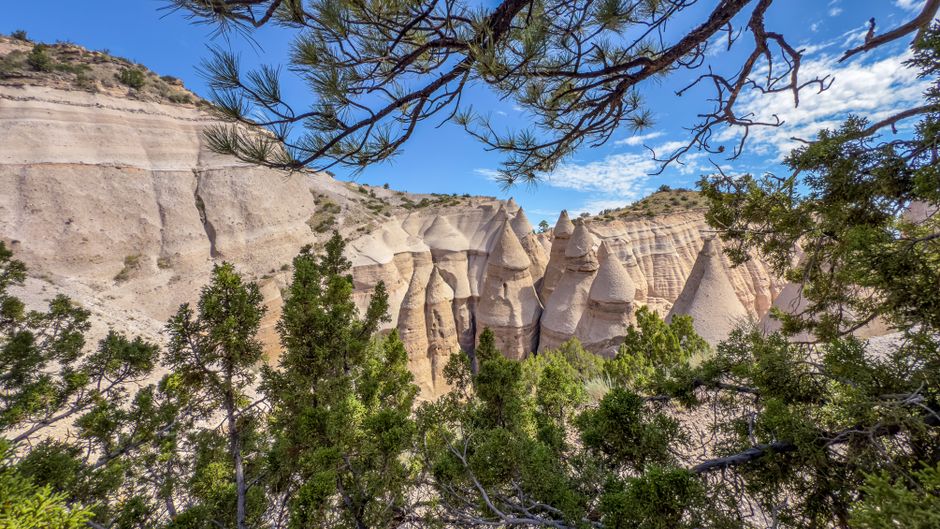
This monument is named for its tent-like rock formations, but ironically, traditional camping isn't allowed anywhere near them.
The Kasha-Katuwe Tent Rocks are a geological marvel, sculpted by volcanic eruptions and erosion into an otherworldly landscape of cone-shaped rock formations topped with boulders. While their appearance suggests shelter, the site is a designated National Monument primarily for day use, with strict regulations to protect its fragile pumice and tuff formations. Backpacking here means experiencing its unique beauty without a traditional tent, instead opting for a day pack and returning to established campsites or lodging outside the monument boundaries.
2. Arid Canyons and Ancient Rock Art
The Richtersveld Transfrontier Park, South Africa
This UNESCO World Heritage site is a harsh desert landscape where nomadic pastoralists have lived for millennia, adapting their shelters to the extreme environment.
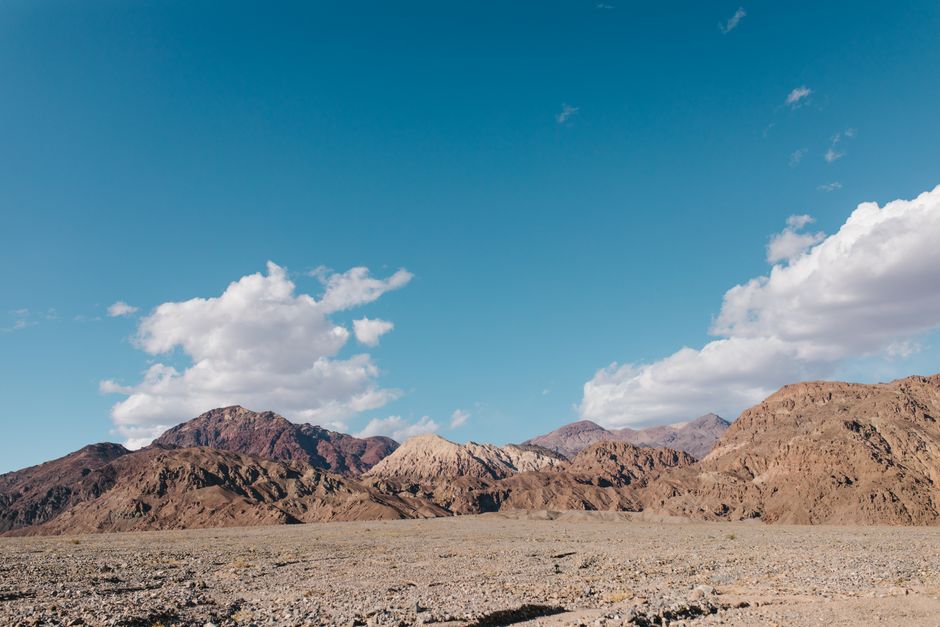
The Richtersveld is a place of dramatic desert mountains, succelent flora, and the Orange River, where the indigenous Nama people have maintained their semi-nomadic lifestyle for centuries. Traditional backpacking tents often struggle with the strong winds and abrasive sand of this arid region, and the deep cultural significance of the landscape encourages a different approach. Travelers often utilize specialized desert shelters, roof tents on vehicles, or stay in established, culturally sensitive campsites that reflect the local building traditions, allowing for a more authentic connection to this remote wilderness.
3. The 'Lost World' Plateau
Mount Roraima, Venezuela/Brazil/Guyana
This ancient, flat-topped mountain inspired Arthur Conan Doyle's 'The Lost World' and presents unique challenges for traditional tent camping.
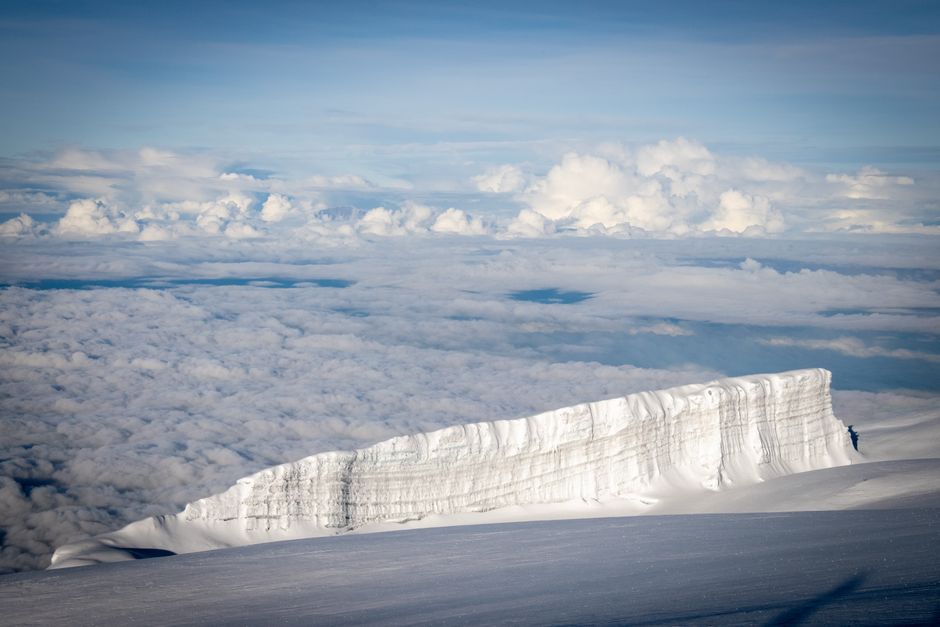
Mount Roraima is a tepui, a towering table-top mountain rising dramatically from the surrounding jungle, often shrouded in mist. Its summit is a surreal landscape of bizarre rock formations, unique plant life, and waterfalls. The notoriously unpredictable weather, high winds, and rocky terrain make pitching a standard tent a strenuous task, and its delicate ecosystem requires careful camping practices. Expedition-style trips often rely on robust, geodesic dome tents designed for extreme conditions, or even sleeping under rock overhangs, rather than a typical lightweight backpacking tent, to withstand the elements.
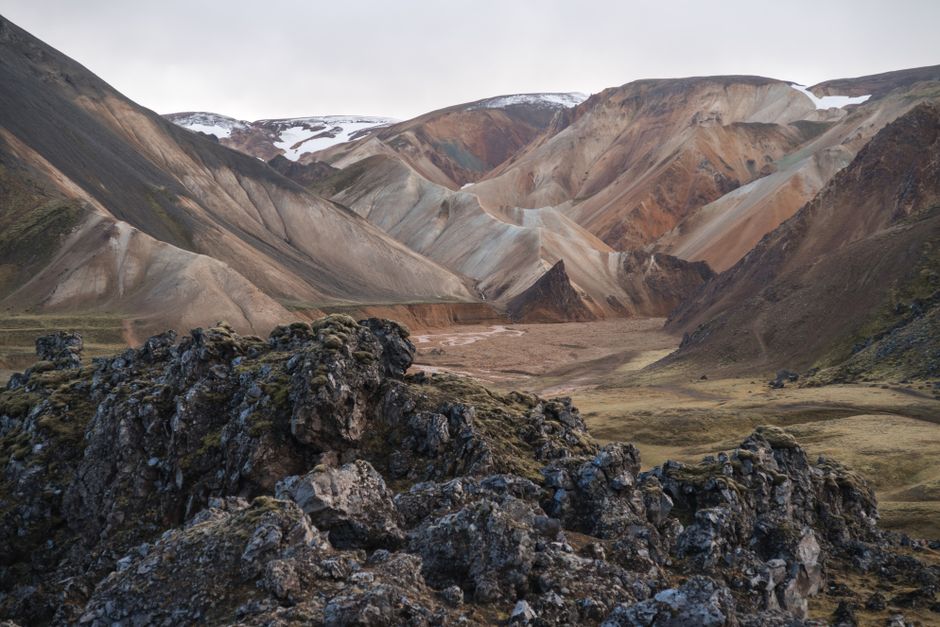
4. Iceland's Rainbow Mountains
Fjallabak Nature Reserve, Iceland
Known for its vibrant rhyolite mountains and geothermal activity, this remote highland area experiences fierce, unpredictable weather that can shred lesser tents.
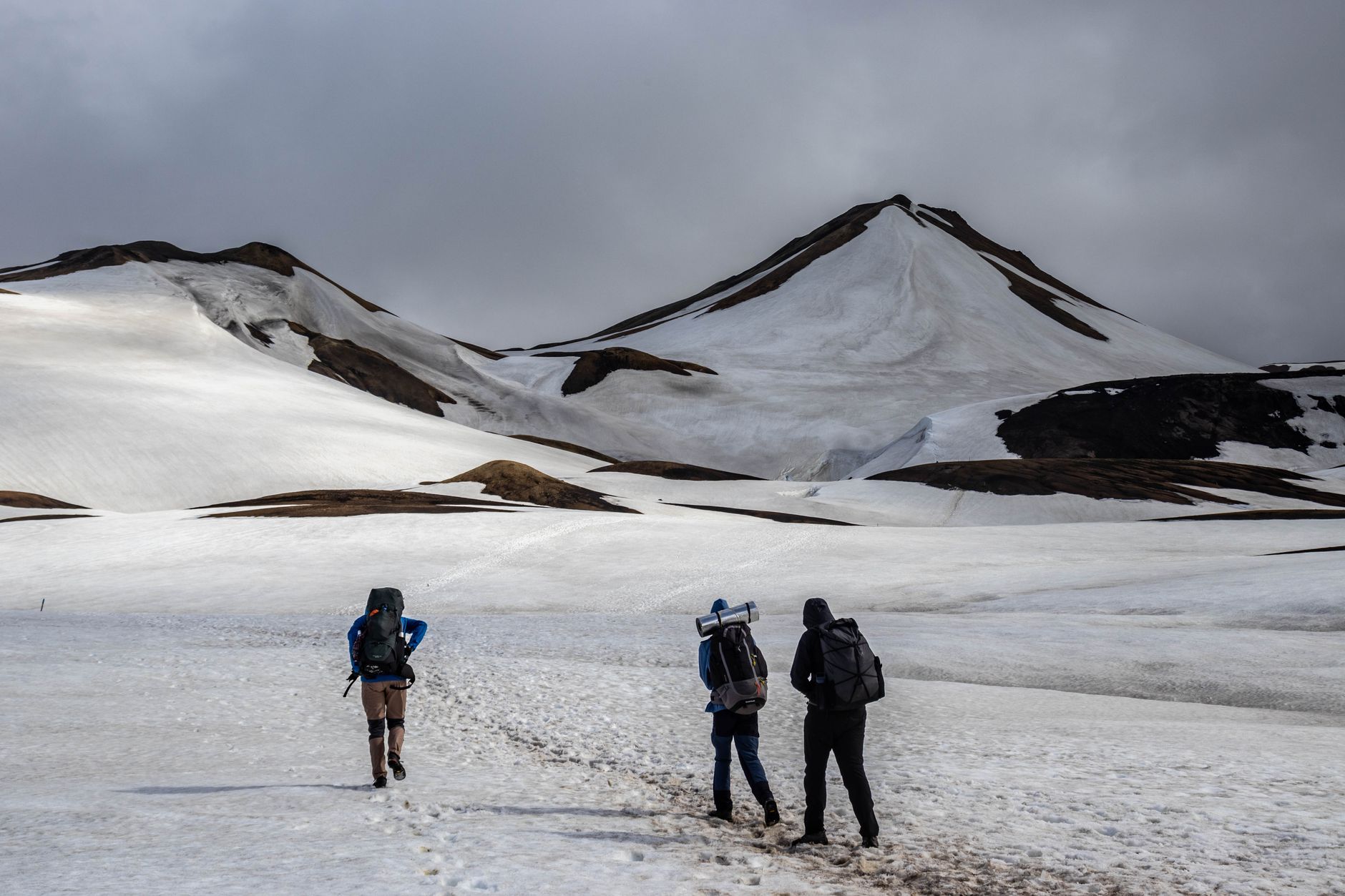
Fjallabak, home to the famous Laugavegur trail, is a rugged and spectacular wilderness of colorful mountains, black deserts, and steaming hot springs. While incredibly beautiful, the region is notorious for its extremely strong winds, sudden rain, and cold temperatures, even in summer. A traditional, less robust backpacking tent might not survive a night here, making a lighter, more aerodynamic, and storm-proof shelter essential. Many trekkers opt for specialized four-season tents or utilize the network of mountain huts, which offer communal shelter and a reprieve from the relentless elements.
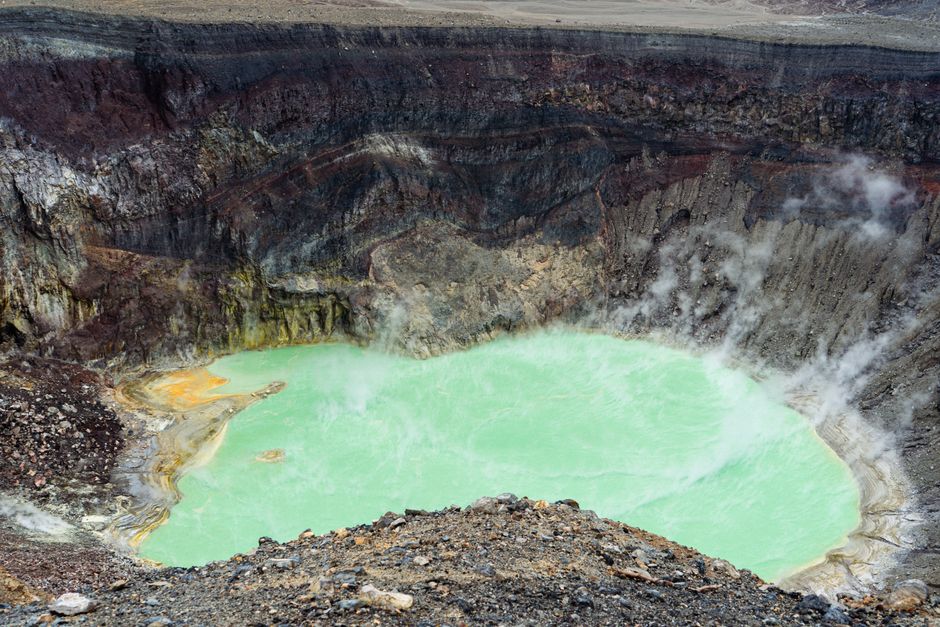
5. The Martian Landscapes of Earth
Danakil Depression, Ethiopia
This is one of the hottest places on Earth, with surreal acid pools and salt flats, where traditional tent camping is virtually impossible.
The Danakil Depression is an extreme environment, a geological wonder of brightly colored acid pools, active volcanoes, and vast salt flats. Daytime temperatures often exceed 50°C (122°F), making traditional camping with insulated tents impractical and uncomfortable. Expeditions here rely on specialized, open-air sleeping arrangements under mosquito nets, or simple cots in basic, temporary camps designed for ventilation rather than insulation. The focus is on survival and experiencing the raw, alien beauty of this unique and challenging landscape, far beyond the scope of a standard backpacking setup.
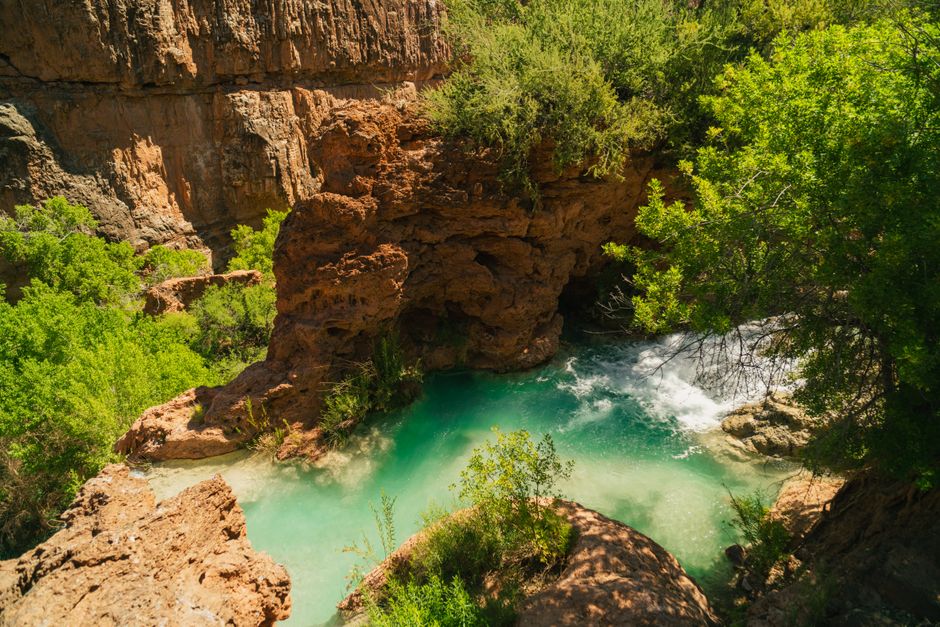
6. Canyon Oasis & Sacred Falls
Havasupai Indian Reservation, USA
Access to this turquoise paradise is strictly controlled by the Havasupai Tribe, and camping is only permitted in designated, pre-booked areas.
Deep within a side canyon of the Grand Canyon lies Havasupai, a breathtaking oasis known for its vibrant blue-green waterfalls. Visiting requires a highly sought-after permit, and camping is restricted to a single, designated campground. While you'll still use a tent, the experience isn't about pitching it wherever you please. The challenge here is the strenuous hike in with all your gear, and a lighter, more compact tent means less struggle on the trail, allowing you to fully enjoy the natural beauty and the sacred tranquility of this unique tribal land.
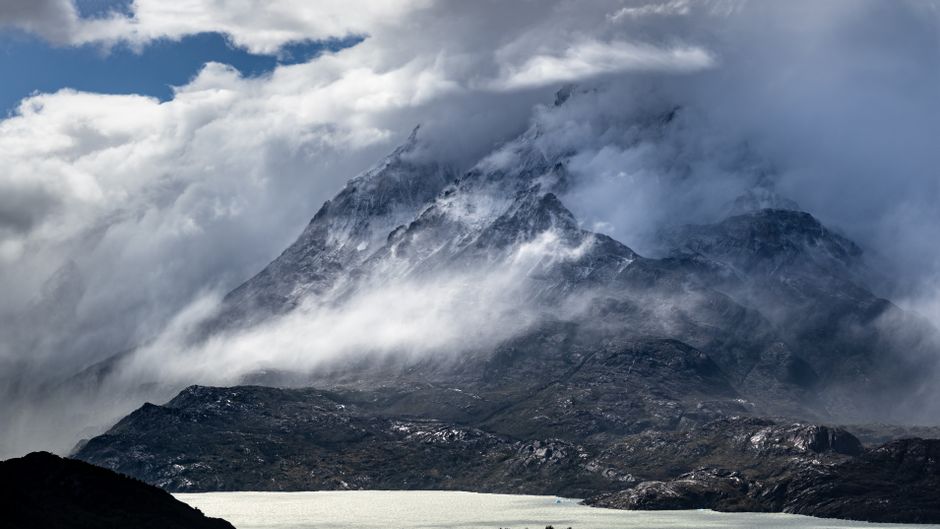
7. Wind-Swept Patagonian Peaks
Torres del Paine 'O' Circuit, Chile
This iconic Patagonian trek is famous for its powerful winds, which demand highly robust shelters or reliance on the park's refugio system.
The 'O' Circuit in Torres del Paine National Park is a challenging multi-day trek that circumnavigates the massif, offering unparalleled views of glaciers, lakes, and the iconic granite towers. While camping is part of the experience, the notorious Patagonian winds can reach extreme speeds, easily damaging or even blowing away standard backpacking tents. Many trekkers opt for a hybrid approach, using ultralight, storm-worthy tents on designated platforms, or taking advantage of the park's network of 'refugios' (mountain lodges) and 'campamentos' (campsites with basic facilities), reducing the need for a heavy, traditional shelter and ensuring safety against the elements.
Frequently asked questions
What are some practical alternatives to traditional tents for backpacking?
For lighter travel, consider ultralight tarps, hammocks with bug nets and rainflies, or bivy sacks. For destinations with established infrastructure, hut-to-hut trekking can eliminate the need for a tent entirely. The best alternative depends on your destination's climate and terrain.
How do I choose the right lightweight shelter for my trip?
Evaluate the climate: hammocks excel in humid, forested areas, while bivy sacks are great for minimalist trips in dry conditions. Consider the terrain: rocky ground might favor a bivy or tarp over a hammock. Always factor in weight, packability, and expected weather conditions.
Are there specific environments where traditional tents are particularly unsuitable?
Yes, extreme high-wind environments like Patagonia, deserts with abrasive sand and heat like the Richtersveld, or fragile ecosystems with strict no-trace policies often make traditional tents less ideal. Areas with abundant wildlife or extreme cold might also require specialized, heavy-duty shelters.
How can AllTours.ai help me explore these unique places?
AllTours.ai enhances your journey by narrating the history, geology, and culture of the landscape you're seeing in real-time. Simply point your phone camera at any landmark or vista, and the app provides rich, contextual audio stories in your preferred language, deepening your understanding and appreciation of these incredible, often lesser-known, destinations.
Related guides
Photography via Pexels. AllTours.ai is an AI audio tour guide — point your camera at any landscape and hear its story.