August 6, 2026 · 4 min read
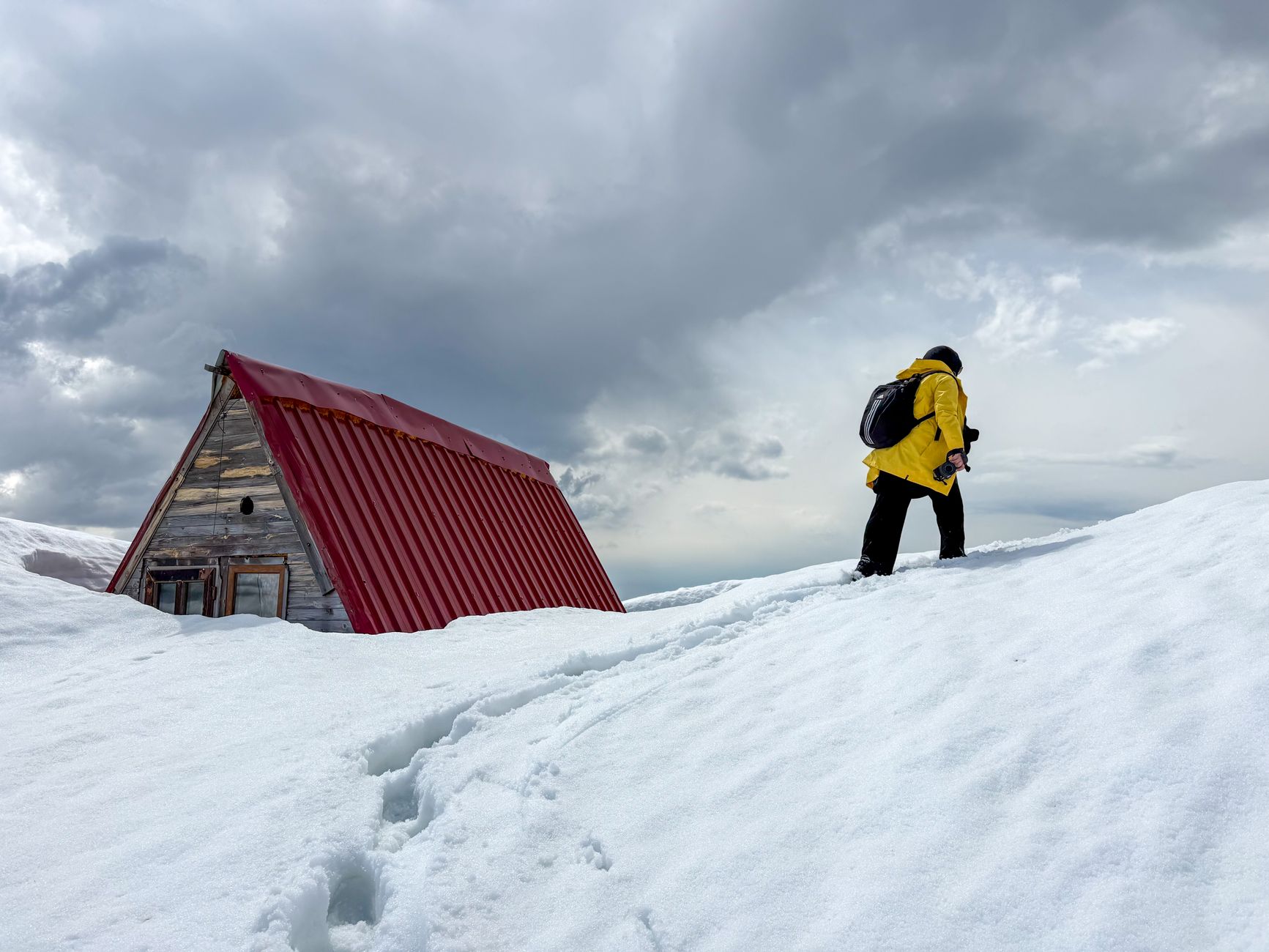
The allure of a traditional tent for backpacking is strong: a familiar, enclosed space offering perceived security. Yet, for many adventurers venturing beyond the well-trodden path, that bulky, often heavy shelter can become more of a burden than a blessing. From unexpected weather challenges to the sheer weight on your back, there are compelling reasons to reconsider the classic tent.
This guide explores why a traditional tent might lead to regret and introduces you to lighter, more adaptable alternatives. We'll pair these innovative shelters with truly unique, lesser-known destinations, each with a story so vivid it will spark your curiosity and redefine your idea of a perfect backcountry experience.
1. The Desert's Moving Stones
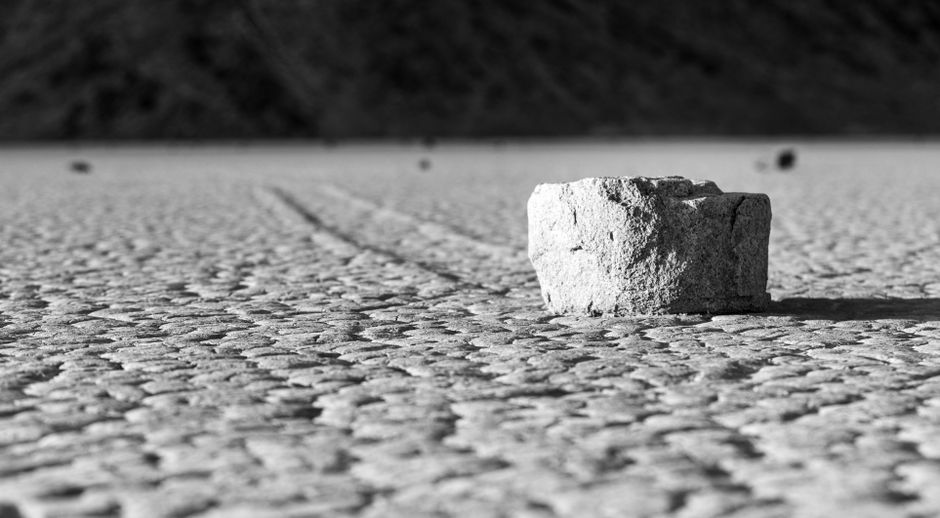
Racetrack Playa, Death Valley National Park, USA
Massive rocks mysteriously slide across this flat desert playa, leaving long trails without human or animal intervention.
For decades, scientists debated how boulders weighing hundreds of pounds moved across the dry Racetrack Playa. It was finally discovered that rare conditions of thin ice sheets, strong winds, and muddy surfaces combine to propel the stones, creating a surreal and silent spectacle in one of the world's hottest places. A traditional tent here would be overkill; a simple bivy or tarp allows you to fully immerse in this alien landscape.
2. The Eye of the Sahara
Ouadane, Mauritania
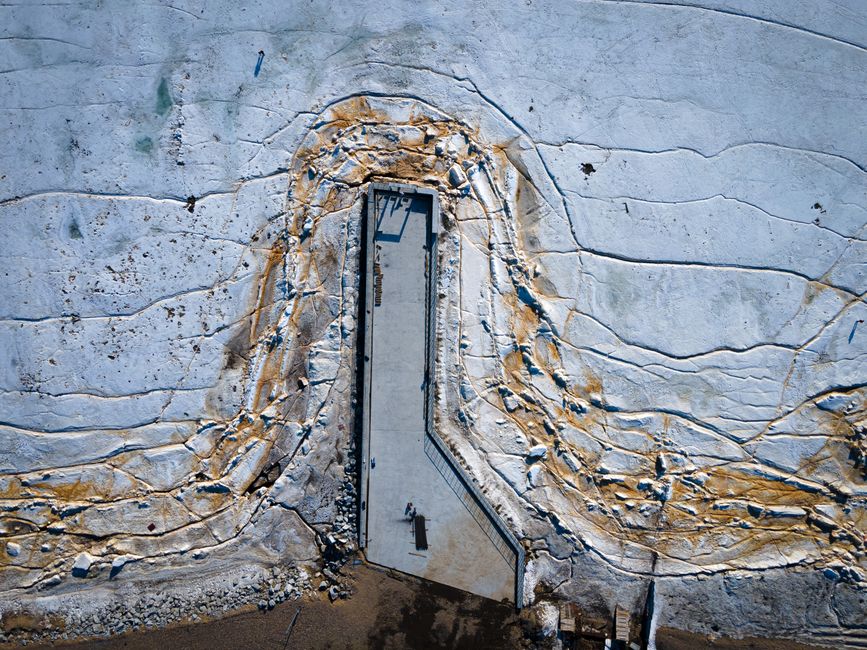
A colossal, perfectly circular geological formation in the Sahara Desert, so vast it's visible from space, baffling scientists for decades.
Once thought to be a meteor impact crater due to its striking circularity, the Richat Structure is now understood to be a deeply eroded geological dome, revealing concentric layers of rock over 40 kilometers wide. Its sheer scale and isolation make it a breathtaking, exposed environment. A heavy tent here is a liability; a lightweight, low-profile bivy or tarp is essential for navigating the vast, often windy, desert terrain.
3. Albania's Subterranean Wonder
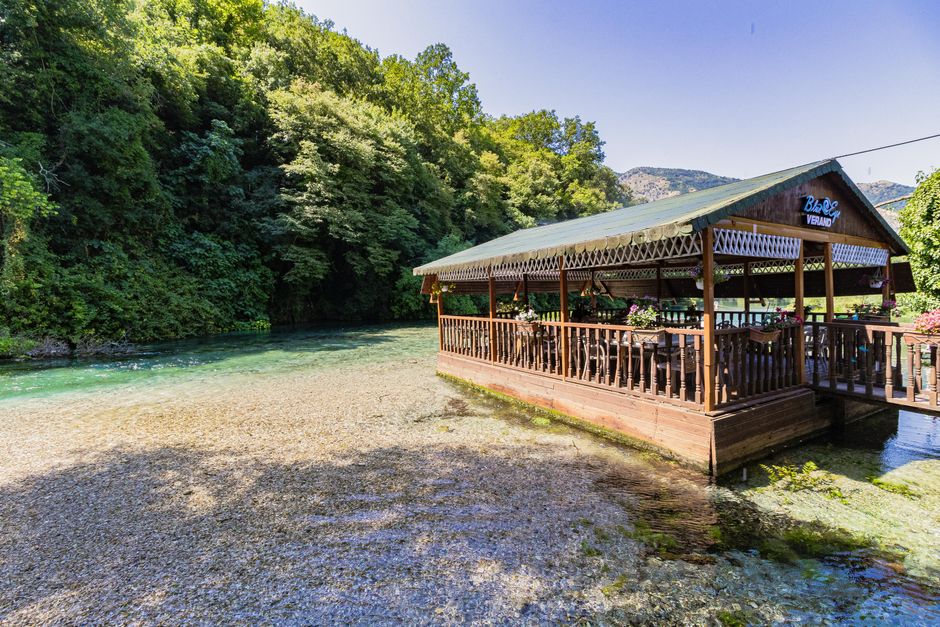
Syri i Kaltër, Albania
This mesmerizing deep blue spring bubbles up from a karst cave, with water so clear and cold that divers haven't yet found its true depth.
Syri i Kaltër, or the Blue Eye, is a natural phenomenon where frigid, clear water emerges from a subterranean source, creating an incredibly vibrant pool of blues and turquoises. Despite numerous attempts, professional divers have only reached about 50 meters, with the true depth remaining a mystery. Near such a pristine water source, a hammock or tarp provides superior ventilation and a more open connection to the serene, forested surroundings than a conventional tent.
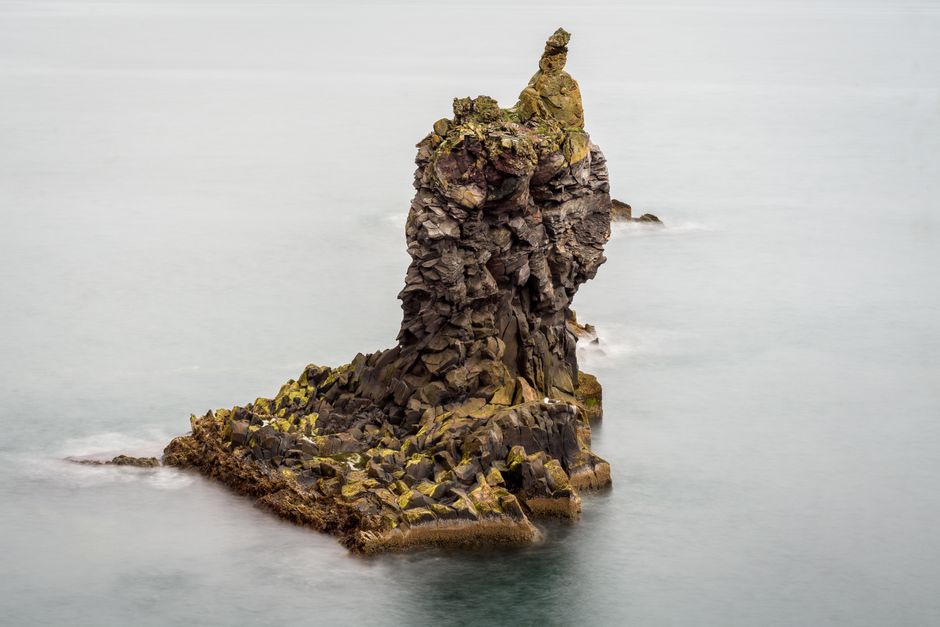
4. The Petrified Troll of the Vatnsnes Peninsula
Hvítserkur, Iceland
A dramatic basalt stack resembling a drinking dragon or a petrified troll, standing sentinel off Iceland's northern coast.
Hvítserkur is a 15-meter-high basalt rock formation that has been sculpted by the relentless ocean waves and wind into a fantastical shape. Local Icelandic folklore claims it is a petrified troll caught by the rising sun, forever frozen in stone. The exposed, rugged coastal environment makes pitching a large tent difficult; a bivy or small, wind-resistant tarp offers better adaptability to the uneven, rocky terrain.
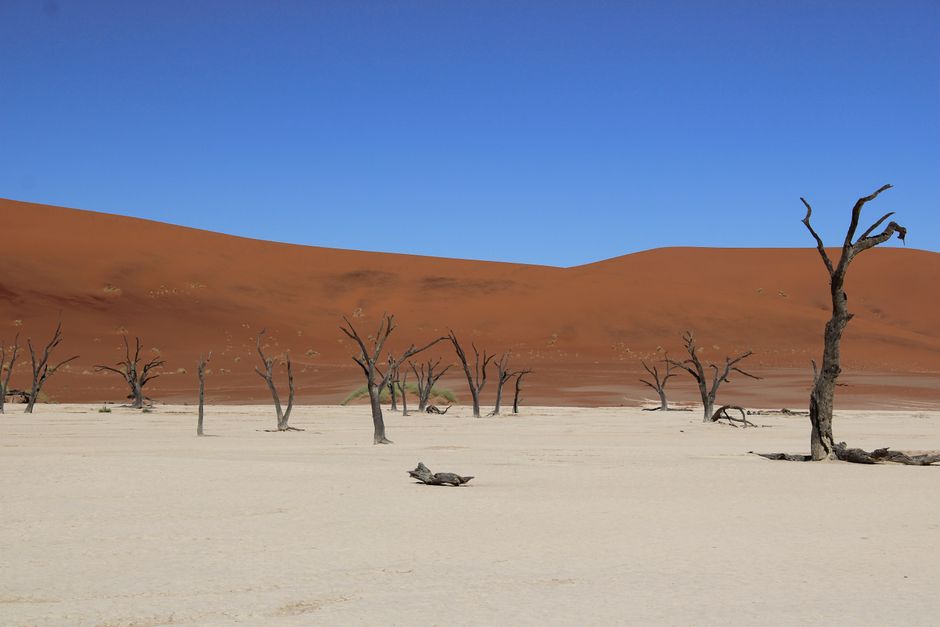
5. The Ghost Forest of Namibia
Deadvlei, Namib-Naukluft National Park, Namibia
A haunting white clay pan where 900-year-old dead camel thorn trees stand preserved by the arid climate, creating a stark, alien landscape.
Deadvlei is a white clay pan that was once an oasis, but around 900 years ago, shifting sand dunes blocked the Tsauchab River, starving the camel thorn trees of water. The extreme aridity has perfectly preserved their skeletons, preventing decomposition and leaving a powerful, photogenic graveyard. In this intensely hot and dry environment, a traditional tent can become an oven; an open tarp or bivy offers crucial airflow and less weight.
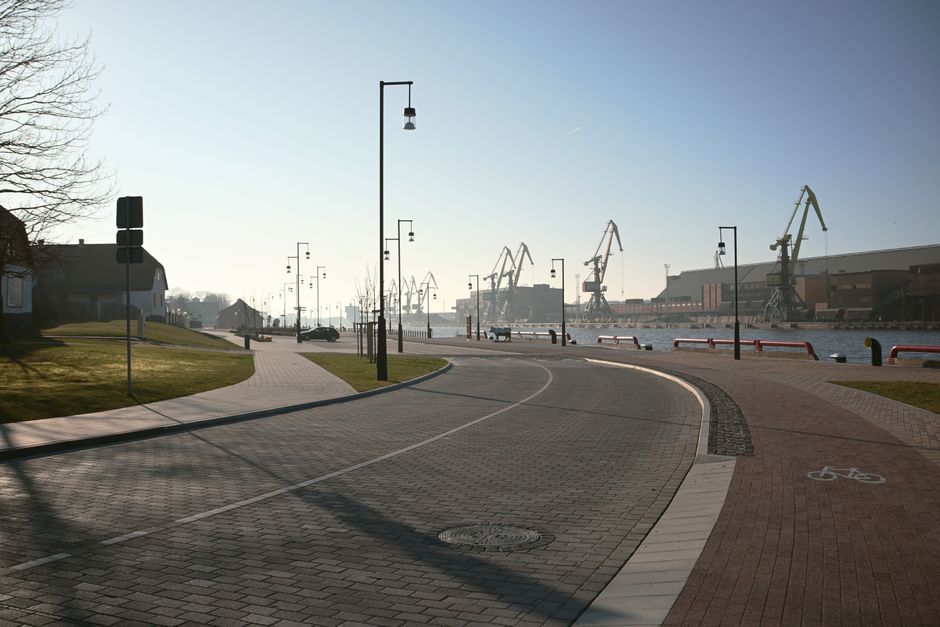
6. Europe's Widest Waterfall & Flying Fish
Kuldīga, Latvia
Home to the Venta Rapid, Europe's widest natural waterfall, where local fishermen once caught salmon mid-air as they jumped upstream.
Kuldīga is a charming Latvian town built around the Venta Rapid, a unique 249-meter wide, low-height waterfall. Historically, during salmon spawning season, locals developed ingenious methods to catch fish as they leaped over the cascade. The picturesque riverine setting and proximity to town make a heavy, enclosed tent feel out of place; a stealthier bivy or a small tarp allows for a lighter, more integrated experience by the water.
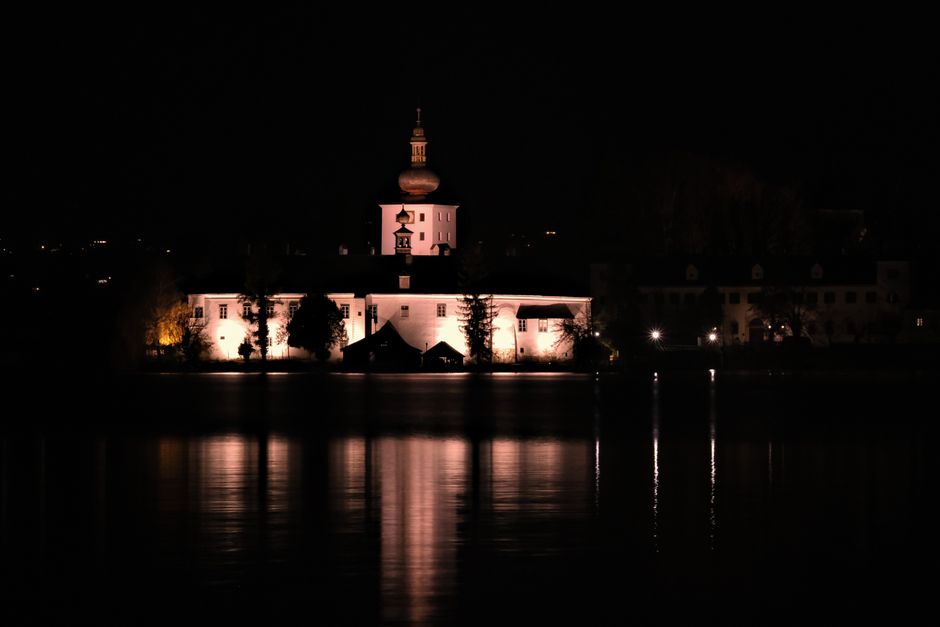
7. Island Castle and Karaite Heritage
Trakai, Lithuania
A fairytale-like medieval castle rises from an island in Lake Galvė, surrounded by a unique cultural landscape and the small Turkic Karaite community.
Trakai Historical National Park is a stunning region of lakes and forests, centered around the iconic Trakai Island Castle, once a stronghold of Lithuanian Grand Dukes. Beyond the castle, the area is home to the Karaite people, a small Turkic ethnic group preserving their distinct language, customs, and delicious kibinai pastries. Exploring the numerous islands by kayak or on foot, a hammock or ultralight tarp offers flexibility and a less intrusive way to camp amidst this rich natural and cultural tapestry.
Frequently asked questions
What are the main drawbacks of traditional backpacking tents?
Traditional tents can be heavy and bulky, adding significant weight to your pack. They may also offer limited ventilation in hot climates, become an oven in the sun, or be difficult to pitch on uneven or exposed terrain. Their enclosed nature can also sometimes disconnect you from the natural environment.
What are some common alternatives to traditional tents for backpacking?
Popular alternatives include lightweight tarps, which offer versatile shelter from rain and wind with minimal weight; bivy sacks, providing a waterproof and breathable personal shell; and hammocks, ideal for forested areas, keeping you off the ground and offering excellent ventilation. Each has its strengths depending on the environment.
How do I choose the right alternative shelter for my backpacking trip?
Consider the specific environment: a bivy or tarp is excellent for exposed, dry areas like deserts, while a hammock excels in forests. Think about weather: tarps offer good rain protection, while bivies protect against bugs and some moisture. Finally, assess your comfort level with less enclosure; minimalist shelters prioritize weight savings and immersion over four walls.
How can AllTours.ai enhance my backpacking experience?
AllTours.ai transforms your outdoor adventures by providing rich, contextual information about your surroundings. Simply point your phone camera at any landscape or landmark, and the app narrates its unique history, geological formations, and cultural significance in your preferred language, deepening your connection to the places you explore without needing a guide.
Related guides
Photography via Pexels. AllTours.ai is an AI audio tour guide — point your camera at any landscape and hear its story.