August 2, 2026 · 4 min read
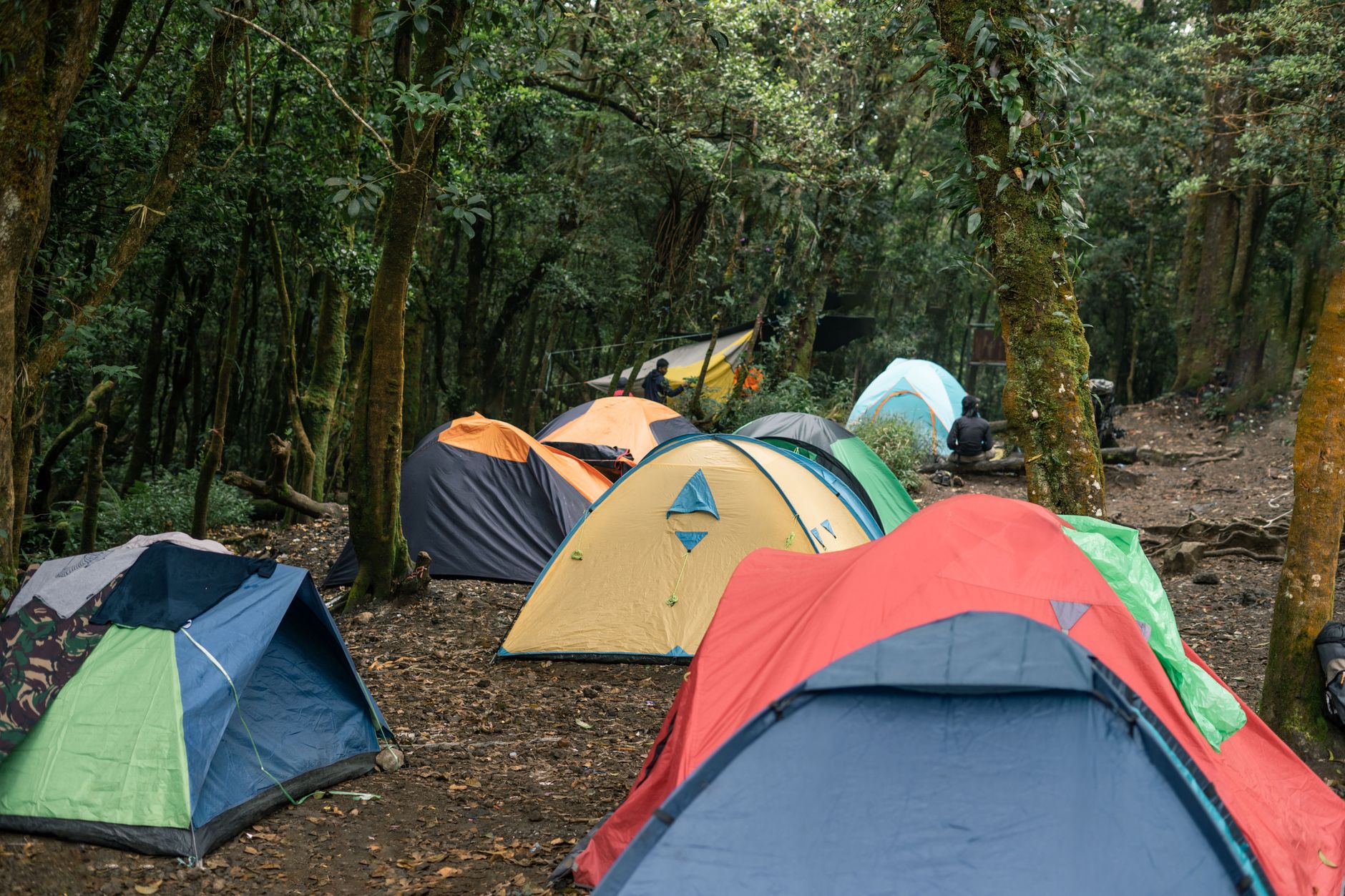
For many backpackers, a tent is a non-negotiable item, a symbol of independence and connection with nature. But what if that traditional tent is actually holding you back? The reality is, not every adventure calls for a bulky, heavy shelter. In some of the world's most fascinating — and challenging — landscapes, a conventional tent can prove more of a hindrance than a help.
From ancient stone dwellings that defy the elements to modern underground havens, human ingenuity has always found ways to adapt to extreme environments. We've compiled a list of places where a traditional tent might make you second-guess your gear choices, and inspire you to consider lighter, more adaptable alternatives, or simply appreciate the unique ways people have sought refuge for millennia.
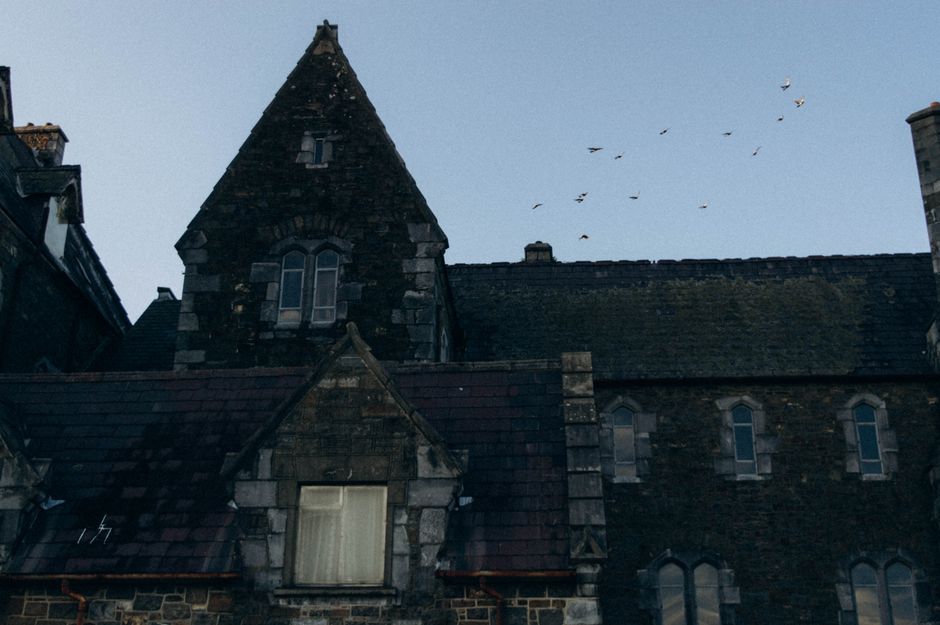
1. Beehive Huts on a Storm-Lashe Island
Skellig Michael, Ireland
On a remote, jagged island, monks built storm-proof stone huts centuries ago, making modern tents seem fragile.
Perched precariously in the Atlantic, Skellig Michael is a UNESCO World Heritage site known for its remarkably preserved early Christian monastery. Monks lived here in dry-stone corbelled huts, called clocháns, which have withstood centuries of fierce gales. Hauling a heavy, traditional tent up the 600 ancient steps and finding a stable pitch on this exposed rock face would be a monumental and often futile task, highlighting the enduring wisdom of their permanent, wind-resistant shelters.
2. Life Underground in the Desert
Coober Pedy, Australia
In this opal mining town, people live underground to escape scorching temperatures, rendering a tent useless.
Coober Pedy is famous for two things: opals and its 'dugouts' – homes carved directly into the hillsides. With summer temperatures regularly soaring above 40°C (104°F) and surface dust storms a common occurrence, living underground provides a stable, cool environment. Attempting to camp in a traditional tent here means battling oppressive heat, relentless sun, and swirling dust, quickly making an underground dwelling seem like the only sensible alternative.
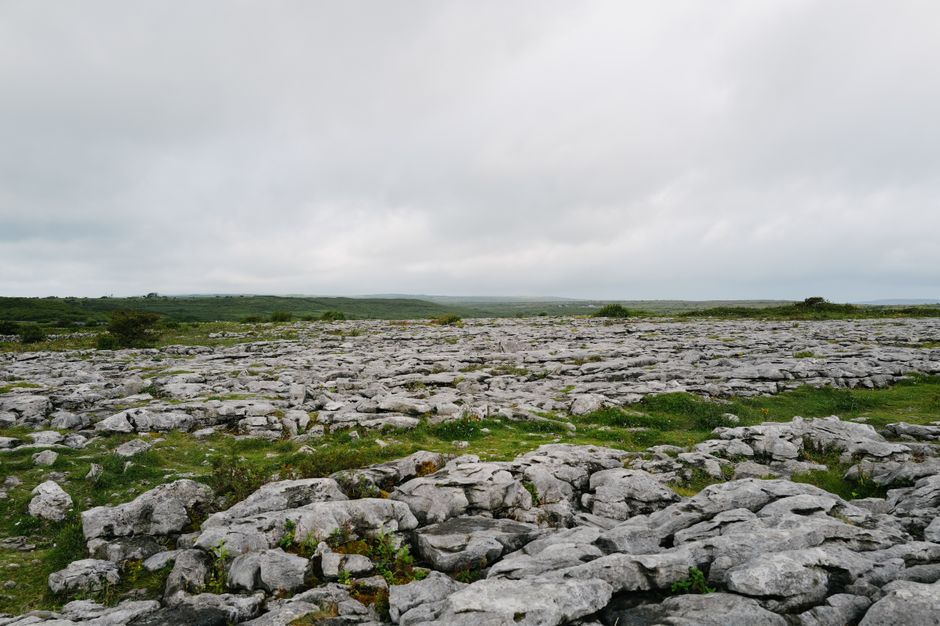
3. The Fractured Limestone Wilderness
The Burren, Ireland
This 'lunar' landscape of fissured limestone makes pitching a traditional tent nearly impossible.
The Burren, a vast glacio-karst landscape in County Clare, is a unique ecosystem of exposed, fissured limestone pavement. Arctic, alpine, and Mediterranean plants grow side-by-side in its grykes and clints. Finding a flat, stake-friendly patch of ground for a traditional tent is an exercise in futility, and hammering stakes into the delicate ecosystem is discouraged. Here, a lightweight bivy or a night in a local guesthouse is often the only practical option, underscoring the limitations of conventional gear.
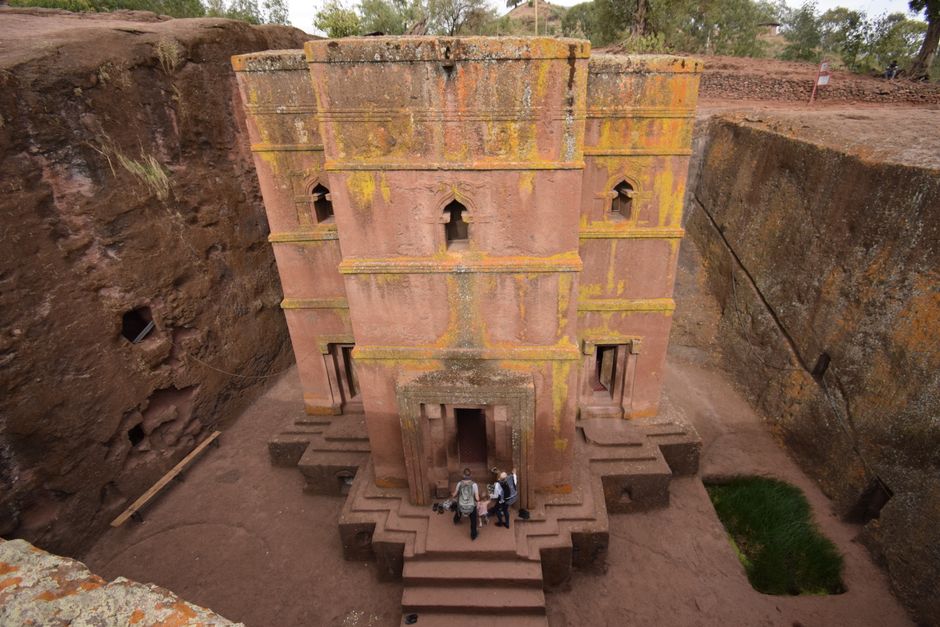
4. Churches Carved from Living Rock
Lalibela, Ethiopia
Witnessing churches carved downwards into solid rock makes a temporary fabric tent feel profoundly out of place.
Lalibela is home to 11 monolithic churches, a UNESCO World Heritage site, carved entirely out of living rock in the 12th century. These incredible structures were excavated downwards from the earth's surface, not built upwards. Exploring these enduring, centuries-old shelters — which were designed to withstand time and elements — highlights the stark contrast with a lightweight, temporary tent. The sheer permanence and ingenuity of Lalibela's architecture makes one reconsider the value of heavy, yet fleeting, conventional shelters.
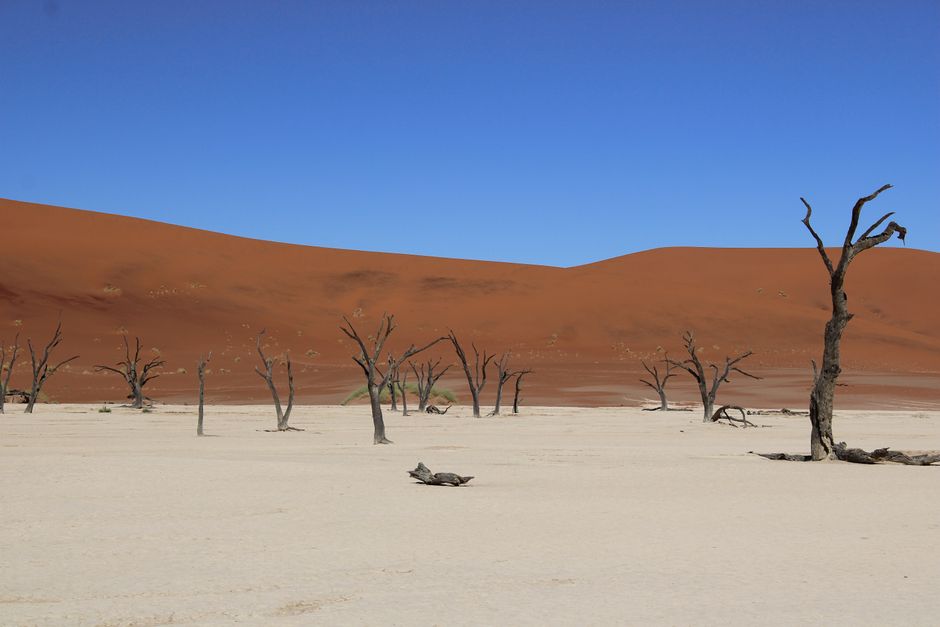
5. Frozen Trees in a Desert Pan
Deadvlei, Namibia
The harsh, sandy conditions of this ancient clay pan can quickly overwhelm a traditional tent.
Deadvlei is a striking white clay pan within Namibia's Namib-Naukluft Park, famous for its ancient camel thorn trees, dead for over 900 years, preserved by the arid climate. Surrounded by some of the world's highest red dunes, the area experiences intense sun, strong winds, and shifting sands. A traditional tent offers little protection from these elements and can be challenging to pitch securely, its fabric vulnerable to sand abrasion. Lighter, more adaptable shelters or simply sleeping under the stars are often preferred.
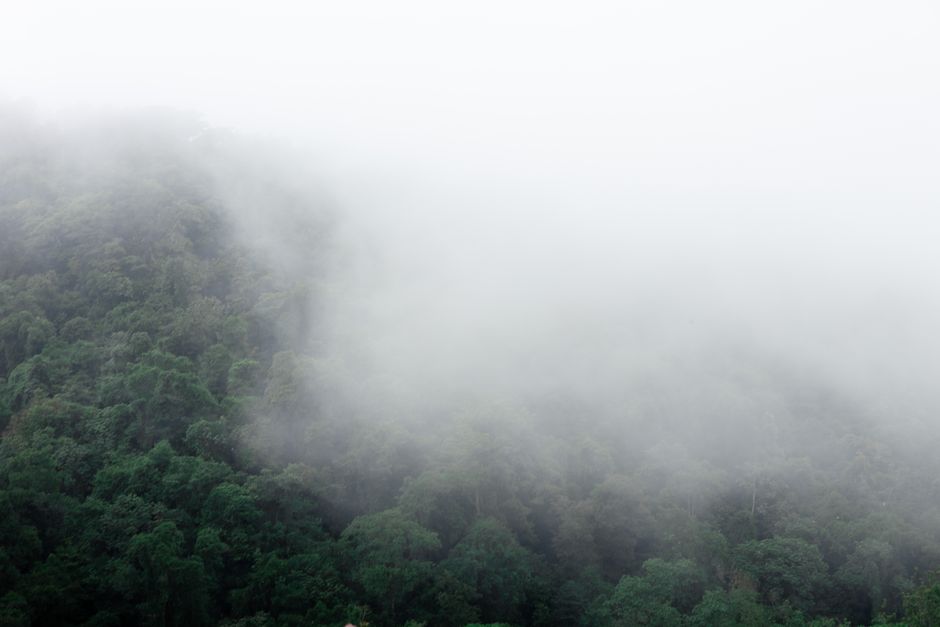
6. Humid Jungles and Canopy Living
Pico da Neblina, Brazil
In the dense, humid Amazonian jungle, a heavy tent often falls short compared to a hammock or specialized shelter.
Reaching Pico da Neblina, Brazil's highest peak, involves navigating incredibly dense, wet, and humid Amazonian rainforest. Traditional tents here are heavy, difficult to dry, and offer limited relief from biting insects or ground moisture. Backpackers often prefer lightweight hammocks with integrated bug nets and tarps, allowing for better air circulation, less contact with the damp ground, and a quicker setup and pack-down in challenging conditions. The jungle environment truly tests the versatility of your shelter.
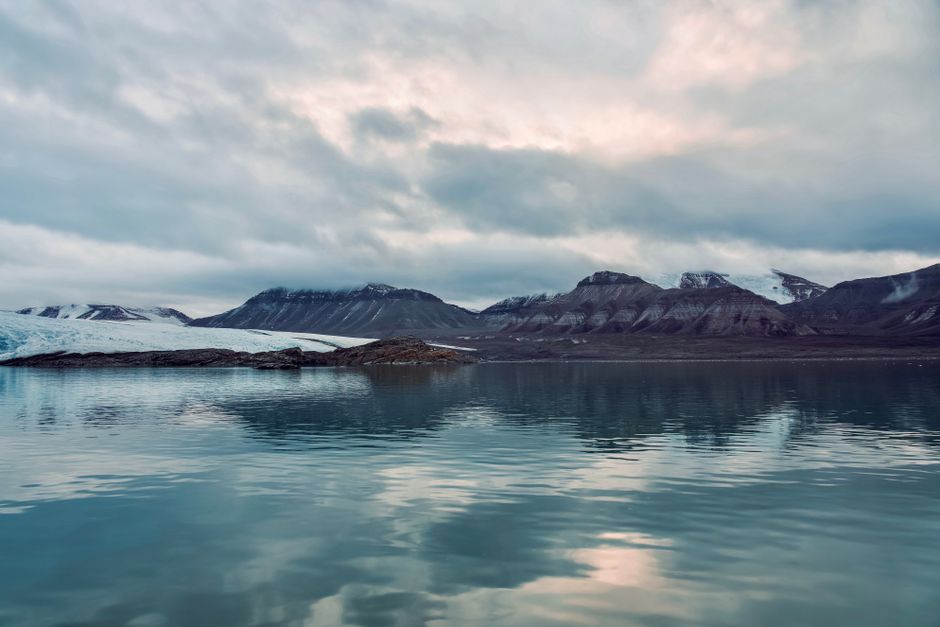
7. Extreme Cold of the Arctic Wilderness
Svalbard, Norway
In polar bear country, a traditional three-season tent offers insufficient warmth and protection.
Svalbard, a Norwegian archipelago in the Arctic Ocean, presents extreme challenges for any shelter. With temperatures often well below freezing, high winds, and the constant threat of polar bears, a traditional three-season backpacking tent is simply inadequate. Specialized four-season tents, often with expedition-grade insulation and sturdy frames, or pre-arranged cabins, become essential for survival. Relying on a standard tent here would not only be uncomfortable but genuinely dangerous, highlighting the need for highly specialized gear.
Frequently asked questions
What are some lightweight alternatives to traditional tents for backpacking?
For reducing weight, consider tarp shelters, bivy sacks, or backpacking hammocks. Ultralight tents also exist, offering a balance of protection and minimal bulk, often designed for specific environmental challenges like high winds or rocky terrain.
How do I choose the right shelter for different backpacking environments?
Your choice depends on climate, terrain, and trip length. For humid jungles, a hammock provides ventilation. In rocky areas, a bivy or tarp might be easier to set up. For extreme cold, specialized four-season tents are essential. Always research the specific conditions of your destination.
Are there places where traditional tents are not allowed or practical?
Yes. Many national parks or protected areas have strict camping regulations, sometimes restricting where tents can be pitched or requiring permits. Extremely rocky, sandy, or delicate ecosystems can make pitching difficult or damaging. Additionally, many historical sites or caves are simply not suitable for tent camping.
How does AllTours.ai enhance exploration of unique places?
AllTours.ai transforms your phone into an AI audio tour guide. Simply point your camera at any landscape or landmark, and the app narrates its history, geology, and culture in your preferred language. It's like having a local expert by your side, deepening your understanding of these unique locations without the need for guidebooks or heavy gear.
Related guides
Photography via Pexels. AllTours.ai is an AI audio tour guide — point your camera at any landscape and hear its story.