Welcome to Mývatn, a truly extraordinary corner of northern Iceland where the raw power of nature is on full display. This self-guided audio tour invites you to journey through a landscape sculpted by millennia of volcanic activity, where every turn reveals a new geological marvel. Prepare to encounter bubbling mud pots, dramatic lava fields, and serene waters reflecting the sky.
As you explore Mývatn, you'll uncover the stories behind its unique features, from colossal explosion craters to bizarre lava pillars and steaming geothermal vents. This tour will guide you through the region's most iconic sites, offering insights into their formation and the fascinating ecosystems that thrive in this otherworldly environment. Let Mývatn's captivating beauty and geological history unfold around you.
What you'll hear on this tour
Stop 1. Hverfjall Crater Hike
Dominating the Mývatn landscape, Hverfjall is one of the world's largest tephra explosion craters, formed in a single, colossal eruption approximately 2,700 years ago. Its perfectly circular rim, nearly a kilometer in diameter, invites visitors to hike its steep slopes for breathtaking panoramic views. From the summit, you can survey the surrounding pseudo-craters, vast lava fields, and the shimmering expanse of Mývatn lake. The sheer scale and dark, volcanic ash interior provide a tangible connection to Iceland's explosive geological past, making it a truly otherworldly experience.
Stop 2. Dimmuborgir's Dark Castles
Step into Dimmuborgir, also known as the "Dark Castles," a labyrinthine field of extraordinary lava formations. Legend claims this area is the home of the Yule Lads, Iceland's mischievous Christmas figures, and a gateway to the underworld. Formed over 2,300 years ago when a lava flow from a nearby eruption poured over a wetland, the molten rock cooled around steam vents, leaving behind towering pillars, arches, and caves. Wander through these natural sculptures and marvel at the intricate shapes created by the forces of fire and water, feeling the ancient stories embedded in the rock.
Stop 3. Hverir Geothermal Fields
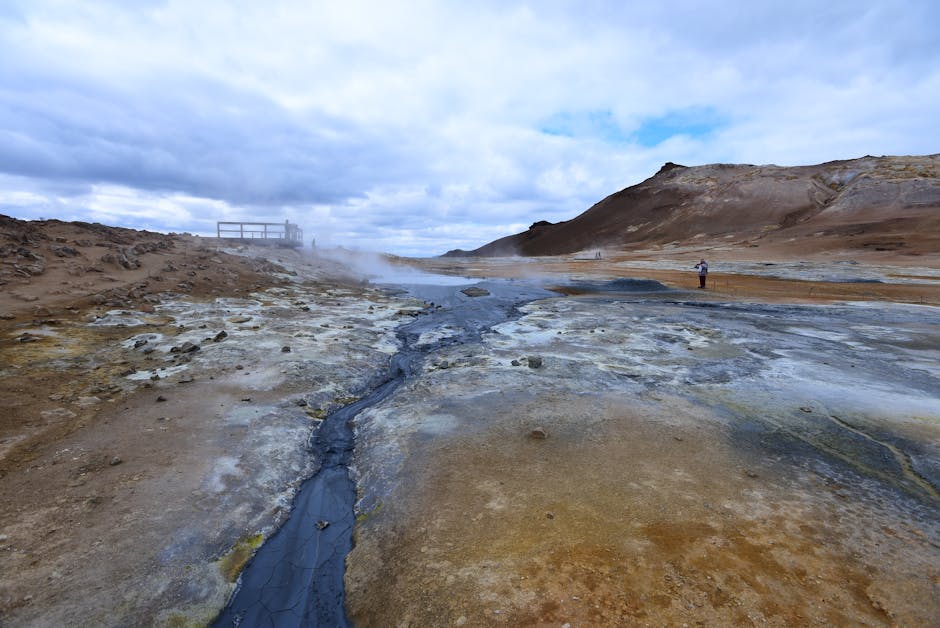
Prepare for a sensory experience at Hverir, located at the base of Námafjall mountain. This highly active geothermal area is a symphony of hissing steam vents (fumaroles), bubbling mud pots (solfataras), and vibrant mineral deposits painting the ground in shades of orange, yellow, and red. The air is thick with the distinct scent of sulfur, a constant reminder of the volcanic activity simmering beneath the surface. As you walk the designated paths, you'll witness the raw, untamed power of the Earth, a stark and beautiful testament to Iceland's ongoing geological formation.
Stop 4. Grjótagjá Thermal Cave
Discover Grjótagjá, a small lava cave famous for its crystal-clear, geothermally heated water. Once a popular bathing spot, rising water temperatures in recent decades have made it too hot for swimming, though visitors can still admire its ethereal beauty. The cave sits directly on the Mid-Atlantic Ridge, where the North American and Eurasian tectonic plates slowly pull apart, creating dramatic fissures. Its dramatic lighting and unique geological setting made it a filming location for a popular fantasy series, adding to its mystique. Experience the quiet wonder of this subterranean thermal spring.
Stop 5. Skútustaðagígar Pseudo-Craters
Along the southern shore of Lake Mývatn, you'll encounter Skútustaðagígar, a series of unique pseudo-craters. Unlike true volcanic craters, these were not formed by erupting magma but by steam explosions. When hot lava flowed over the wetlands, trapped water beneath the surface rapidly turned to steam, causing localized explosions that built up these distinctive cone-shaped formations. These grassy mounds offer easy walking paths and provide stunning views over the lake and the surrounding landscape, perfectly illustrating the complex interplay of fire and water in Mývatn's geological history.
Planning your visit
- Best time to go
- Late spring to early autumn (May-September) for best weather and accessibility. Winter offers dramatic snowscapes but can have limited access.
- Approximate duration
- Approximately 2-3 hours for a comprehensive exploration of the main sites around the lake, allowing for short walks at each stop.
- Where to start
- Begin your tour at the Mývatn Visitor Centre in Reykjahlíð village, easily recognizable by its modern design and informative exhibits.
Access and conditions change seasonally — check the official site before you go.
Frequently asked questions
Is Mývatn worth visiting if I'm short on time in Iceland?
Absolutely. Mývatn offers a concentrated dose of Iceland's unique geological wonders, making it a highly rewarding stop even on a shorter trip. The diverse landscape, from lava fields to geothermal areas, provides an unforgettable experience.
What should I wear when visiting Mývatn?
Dress in layers, as weather conditions can change rapidly. Waterproof and windproof outer layers are highly recommended, along with sturdy walking shoes suitable for uneven terrain.
Are there many midges at Mývatn, and how can I deal with them?
"Mývatn" literally means "Midge Lake," and midges can be present, especially in summer. While they don't bite, they can be annoying. Wearing a head net and long sleeves is advisable if you are sensitive to them.
Keep exploring
Photography via Pexels. AllTours.ai is an AI audio tour guide — point your camera at any landmark and hear its story.