August 31, 2026 · 4 min read
Athens is a city steeped in millennia of history, a place where the echoes of ancient civilizations resonate from every stone. While icons like the Acropolis and the Parthenon rightly draw millions, the true magic of Athens often lies just beyond the well-trodden paths, in its quieter corners and lesser-known historical gems.
For those eager to delve deeper, to uncover layers of stories that extend beyond classical grandeur, Athens offers a treasure trove of experiences. From hidden archaeological sites to charming neighborhoods and unexpected cultural havens, these underrated places invite you to explore the city with fresh eyes and discover its multifaceted soul.

1. Anafiotika: An Island Village in the City
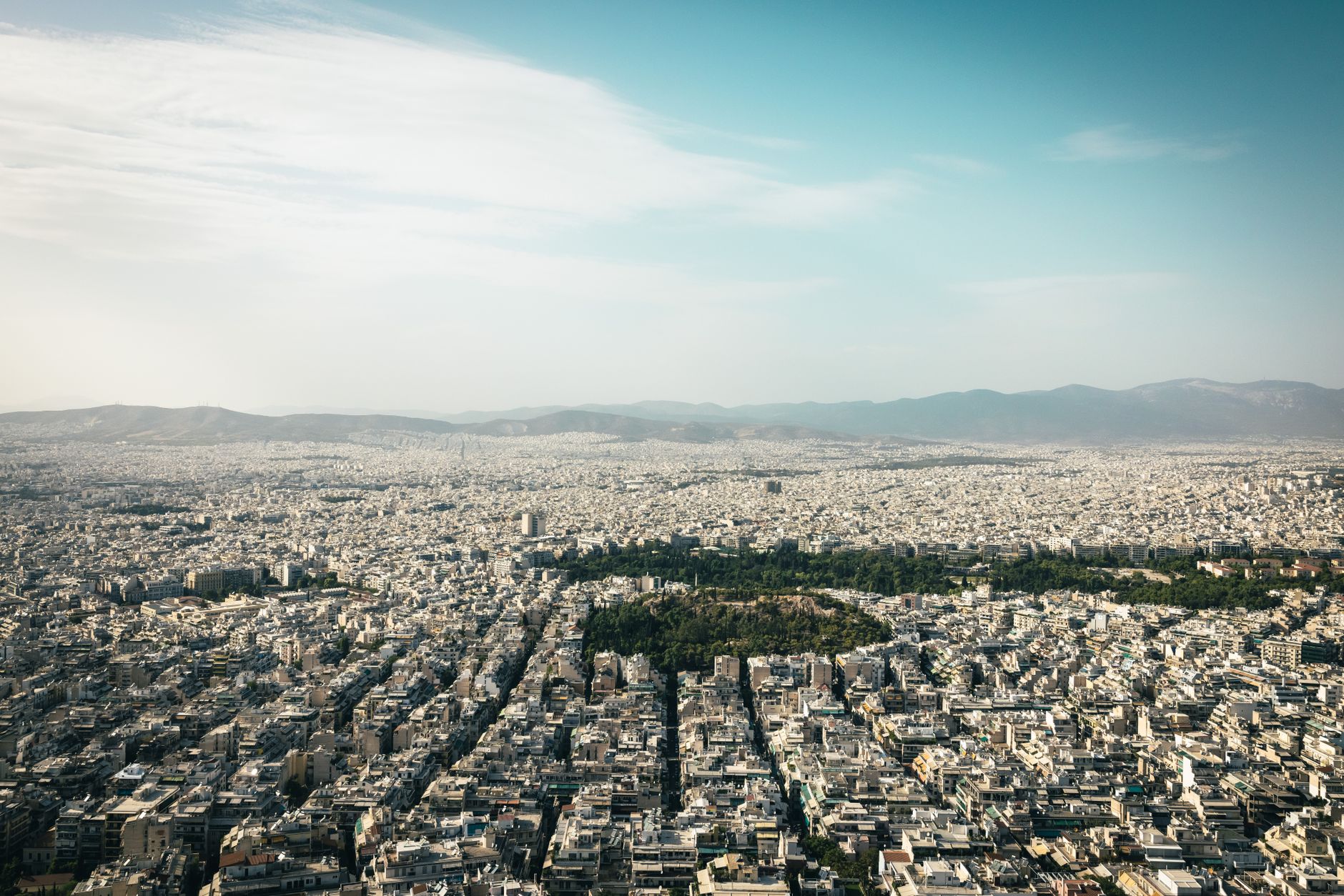
Anafiotika, Athens, Greece
Tucked beneath the Acropolis, this tiny neighborhood feels like a Cycladic island village, built by islanders centuries ago.
When King Otto I began reconstructing Athens, workers from the Cycladic island of Anafi were brought in for their building expertise. To avoid strict regulations, they constructed their homes quickly overnight, replicating the whitewashed cubic houses and narrow alleyways of their homeland. The result is a surreal escape from the urban bustle, a quiet labyrinth where bougainvillea spills over walls and cats nap in the sun, a piece of island life preserved in the heart of the capital.
2. Kerameikos: The Ancient Silent City
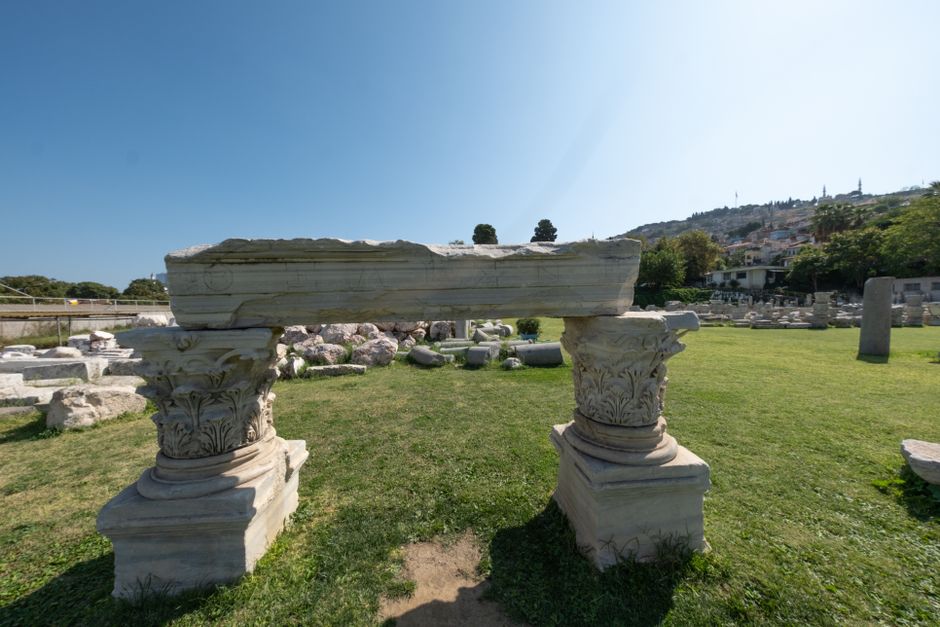
Kerameikos, Athens, Greece
This vast archaeological site was once ancient Athens' most important cemetery and a bustling potters' quarter, featuring a sacred gate.
Kerameikos served as both the primary burial ground and the industrial heart of ancient Athens, named after the potters (kerameis) who worked by the Eridanos River. It contains the Dipylon Gate and the Sacred Gate, through which important processions like the Panathenaic Festival passed. Walking among the intricately carved grave stelae and monuments offers a poignant glimpse into the funerary customs and daily lives of Athenians spanning over a millennium, from Mycenaean times to the Roman era.
3. Pnyx Hill: Cradle of Democracy
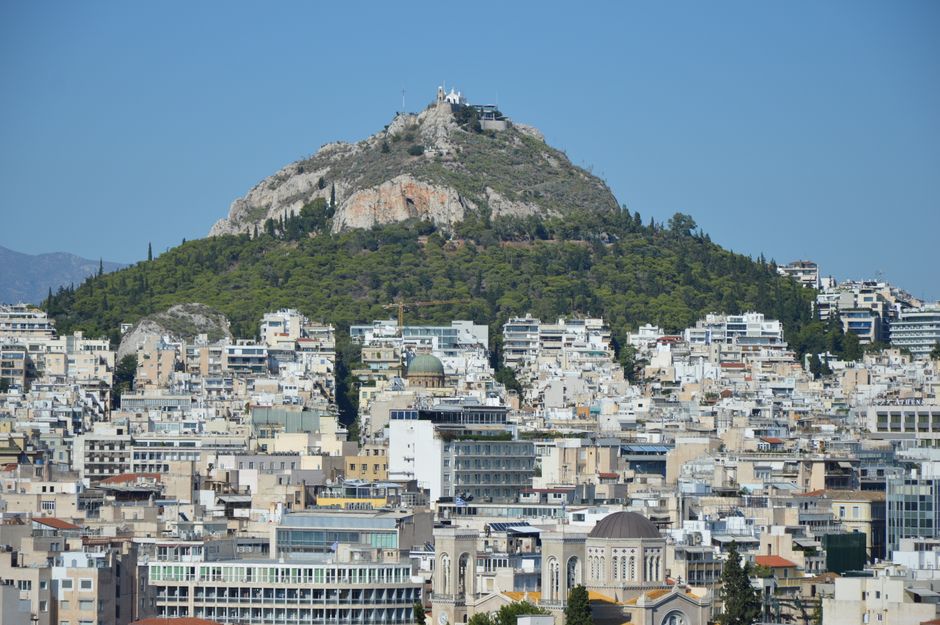
Pnyx Hill, Athens, Greece
This unassuming rocky outcrop is where Athenian citizens gathered to debate laws and elect their leaders, making it the birthplace of democracy.
Overlooking the Acropolis, the Pnyx was the official meeting place of the Ecclesia (assembly) of ancient Athens from around 507 BC. Here, up to 6,000 male citizens would convene, listen to orators like Pericles and Demosthenes, and cast their votes, directly shaping the city's destiny. The remains of the speaker's platform (bema) are still visible, offering a powerful, tangible connection to the origins of democratic governance and civic engagement.
4. Roman Agora & Tower of the Winds: Athens' Ancient Clock Tower
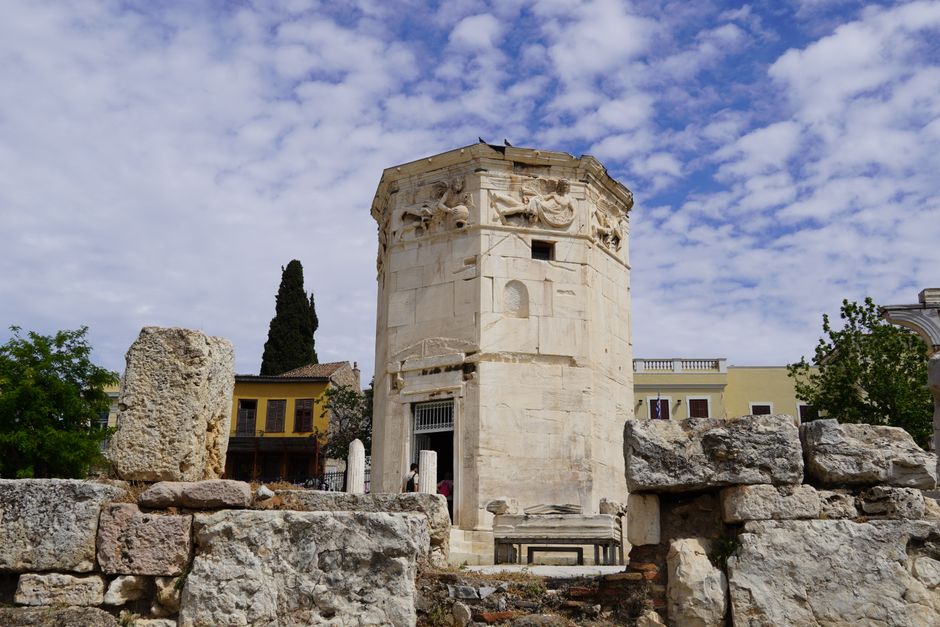
Roman Agora, Athens, Greece
While smaller than its Greek counterpart, this Roman-era marketplace features an octagonal marble structure that was once the world's first meteorological station.
Built between 19 and 11 BC, the Roman Agora served as a commercial hub after the original Agora became too crowded. Its most striking feature is the Horologion of Andronikos Kyrrhestes, better known as the Tower of the Winds. This unique monument functioned as a sophisticated public clock, sundial, wind vane, and water clock, showcasing advanced Hellenistic engineering. Each of its eight sides depicts a personification of the wind, making it a fascinating blend of art and ancient technology.
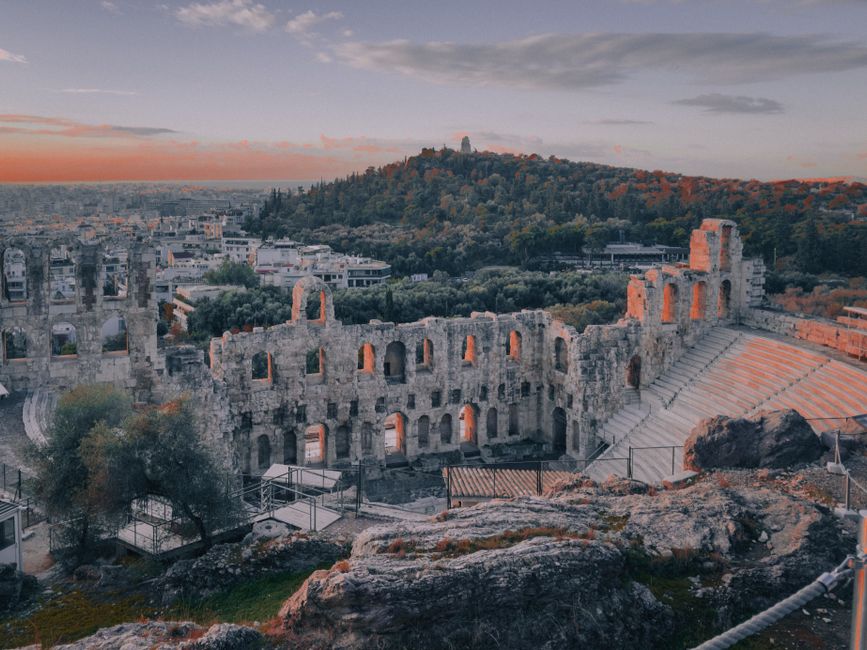
5. Philopappos Hill: A Roman General's Legacy
Philopappos Hill, Athens, Greece
Beyond its stunning Acropolis views, this hill is crowned by an elaborate marble monument to a Syrian Roman consul.
Named after Gaius Julius Antiochus Epiphanes Philopappos, a prince from Commagene who became a Roman consul and Athenian benefactor, the monument commemorates his civic contributions. Built shortly after his death in 116 AD, the two-story structure features intricate carvings depicting Philopappos as a Roman consul and his ancestor Antiochus IV of Commagene. Exploring the hill offers not just panoramic vistas of Athens but also a chance to encounter a significant Roman-era structure often overlooked in favor of purely Greek antiquities.
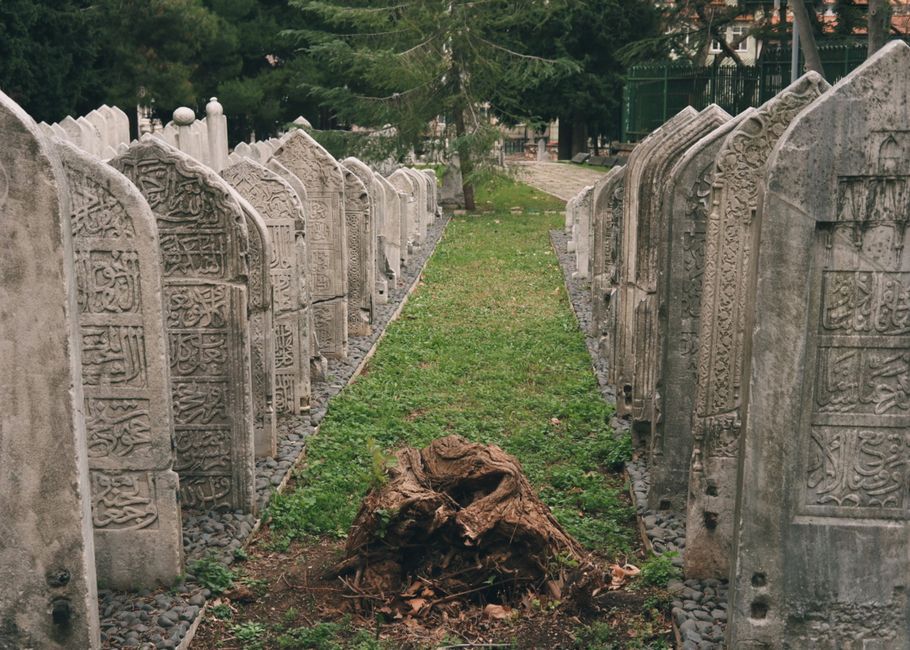
6. First Cemetery of Athens: An Open-Air Sculpture Museum
First Cemetery of Athens, Athens, Greece
More than just a burial ground, this historic cemetery is a peaceful park filled with remarkable funerary art and the resting place of many notable Greeks.
Established in 1837, this cemetery serves as the final resting place for many prominent figures in Greek history, including politicians, artists, and national heroes. What makes it truly special is the array of elaborate mausoleums and sculptures, crafted by renowned 19th and 20th-century Greek artists. Visitors can wander among marble angels, intricate reliefs, and solemn statues, discovering works by sculptors like Yannoulis Chalepas, turning a cemetery visit into a contemplative stroll through a unique outdoor art gallery.
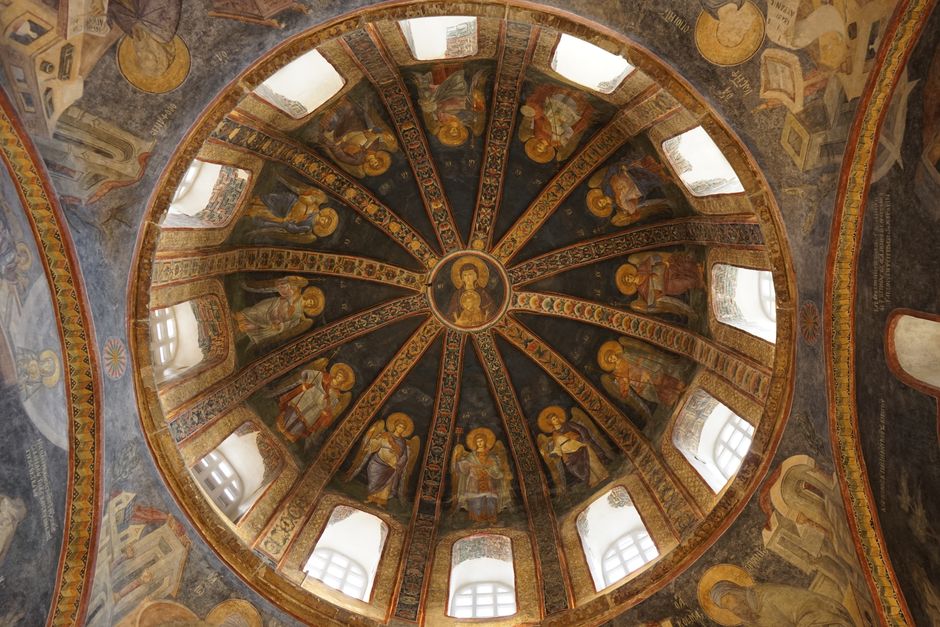
7. Byzantine and Christian Museum: A Journey Through Millennia
Byzantine and Christian Museum, Athens, Greece
Housed in a former villa, this museum offers an extensive collection tracing Greek history from early Christian times through the Byzantine and post-Byzantine eras.
Often overshadowed by archaeological museums, this institution provides a crucial narrative of Greece's later periods. Its collection includes over 25,000 artifacts, from mosaics and frescoes to manuscripts and icons, spanning from the 3rd to the 19th century. The museum’s serene garden also features reconstructed early Christian basilicas and Byzantine chapels. It offers a deeper understanding of the profound religious and artistic transformations that shaped the Greek world long after the classical age.
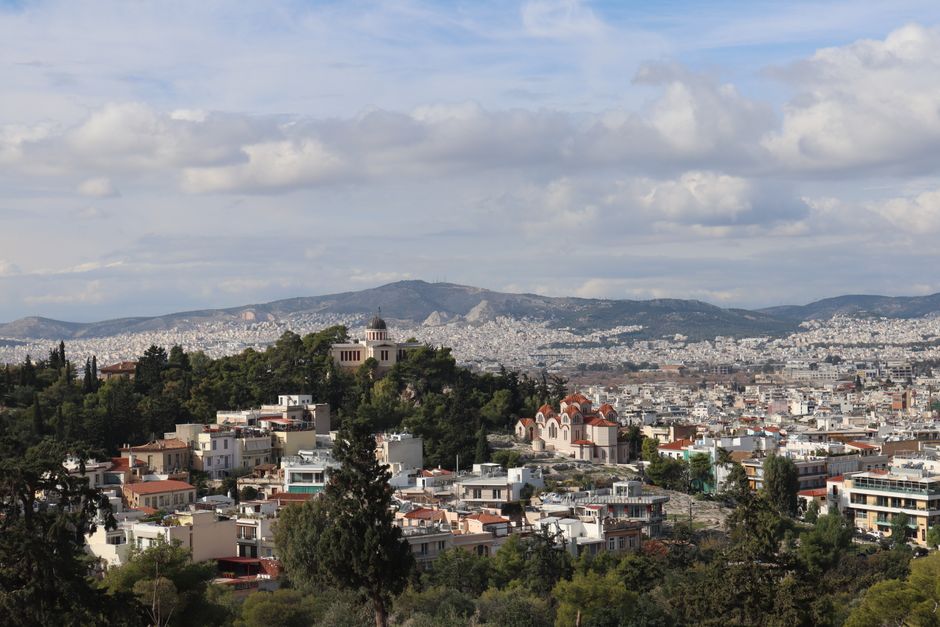
8. Areopagus Hill: Where Apostle Paul Preached
Areopagus Hill, Athens, Greece
This rocky hill, once the site of ancient Athens' supreme court, is famously where the Apostle Paul delivered his sermon to the Athenians.
Known as the "Hill of Ares," the Areopagus was traditionally where the council of elders, the highest judicial and legislative body of ancient Athens, convened. Its historical significance extends to early Christianity, as recounted in the Book of Acts, where Paul addressed the philosophers and citizens, introducing them to the "unknown god." Climbing its smoothed rock face offers not only breathtaking views of the Acropolis and Agora but also a tangible connection to pivotal moments in both classical and religious history.
Frequently asked questions
Is Athens walkable for tourists?
Yes, central Athens is very walkable, especially around the major archaeological sites and neighborhoods like Plaka and Monastiraki. Many streets are pedestrianized, but be prepared for some hills and uneven ancient pavements.
What is the best time of year to visit Athens?
The best times to visit Athens are spring (April to June) and autumn (September to October). During these months, the weather is pleasant for exploring, and the crowds are generally smaller than in the peak summer season.
Are there free things to do in Athens besides looking at ruins?
Absolutely! You can enjoy free panoramic views from Philopappos Hill or Areopagus, stroll through the National Garden, or explore the charming streets of Anafiotika. Many beautiful churches are also free to enter.
How can AllTours.ai help me discover these places?
AllTours.ai enhances your exploration by turning your phone into a personal AI audio guide. Simply point your camera at any landmark or landscape mentioned in this guide, and the app will instantly narrate its history, geology, and culture in your preferred language, bringing every hidden story to life.
Related guides
Self-guided audio tours
Walk these places stop by stop — free five-stop story tours you can take at your own pace:
Photography via Pexels. AllTours.ai is an AI audio tour guide — point your camera at any landscape and hear its story.