July 27, 2026 · 4 min read
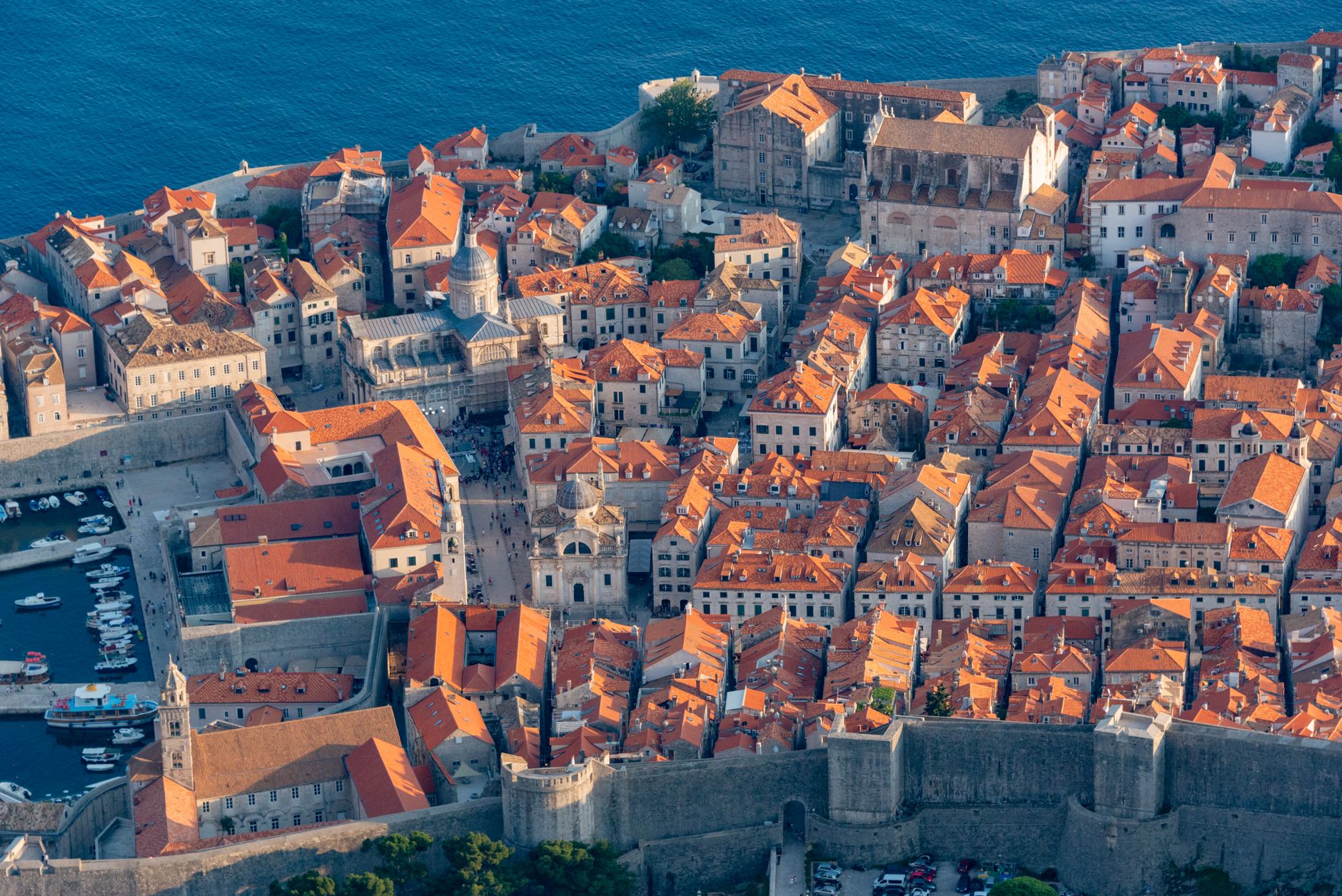
The simple act of pulling out a physical map can feel like a ritual, a connection to the journey itself. There's a certain romance in unfolding paper, tracing routes with a finger, and feeling that satisfying sense of direction. But for many modern travelers, the question isn't whether to carry one, but whether it’s truly necessary in a world of digital navigation.
While apps have made getting from A to B effortless, the real joy of travel isn't just about avoiding getting lost—it's about the stories you uncover along the way. Europe, in particular, is a tapestry woven with millennia of history, geology, and culture, much of it hiding just beyond the well-trodden path. So, put away the paper and prepare to discover some of the continent's most surprising, lesser-known places, each with a vivid tale to tell.
1. The Subterranean Labyrinth of Derinkuyu
Derinkuyu, Turkey
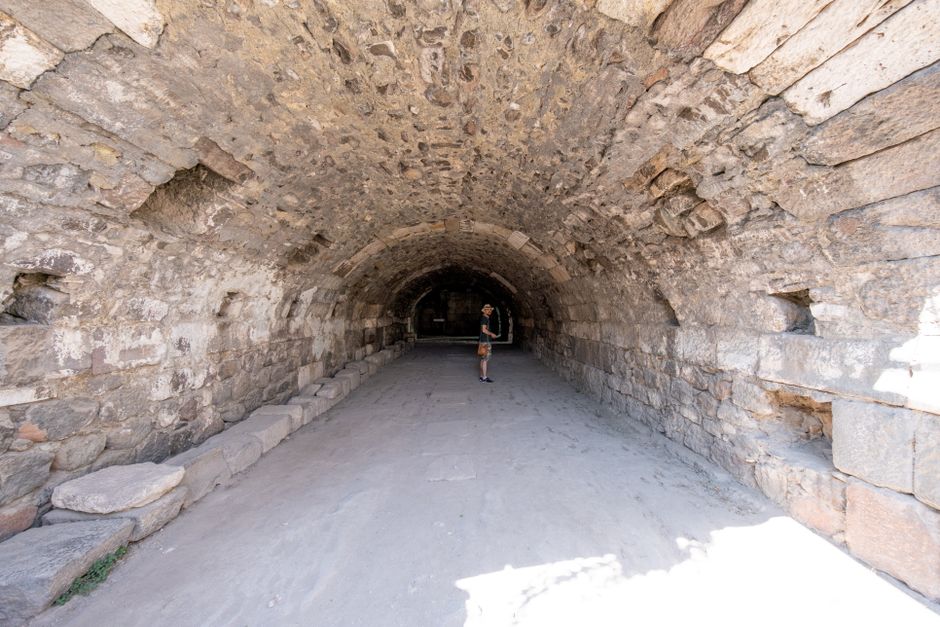
Beneath a quiet Cappadocian town lies an ancient, multi-level city dug deep into the earth, once home to thousands.
Imagine an entire civilization living underground, complete with stables, churches, and ventilation shafts, designed to shelter up to 20,000 people and their livestock from invaders. Derinkuyu is the largest excavated underground city in Turkey, a marvel of ancient engineering and communal survival. Its complex network of tunnels and rooms, some reaching eight levels deep, reveals a profound history of people adapting to extreme threats by disappearing into the earth itself.
2. Italy's "Dying City" on a Cliff
Civita di Bagnoregio, Italy
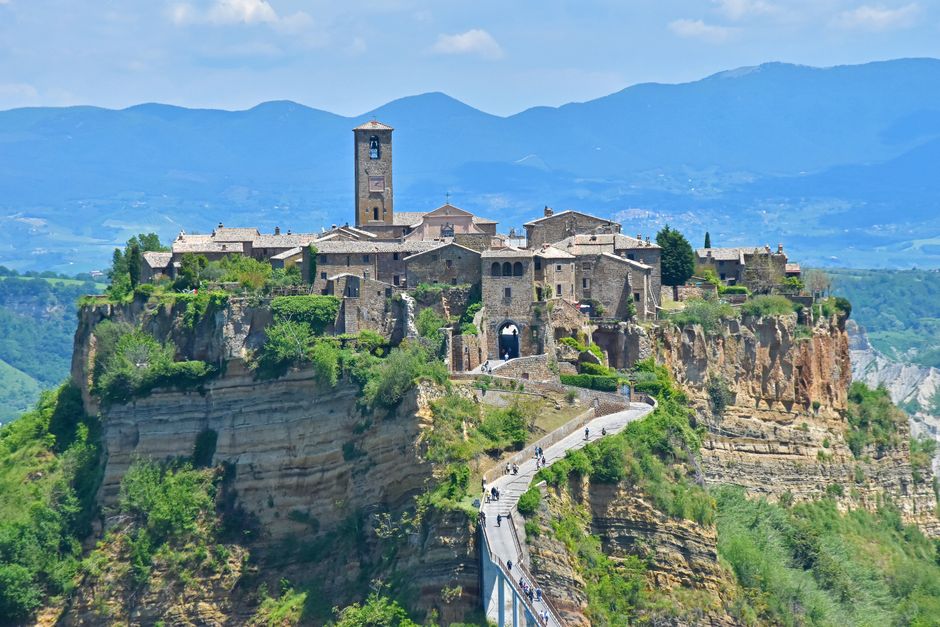
Perched precariously on a eroding volcanic rock, this ancient village is slowly vanishing, accessible only by a long footbridge.
Often called "La Città che Muore" (The Dying City), Civita di Bagnoregio is a dramatic testament to time and geology. This medieval hamlet, founded by the Etruscans over 2,500 years ago, clings to its tuff rock perch as the surrounding valley erodes away. Visitors must cross a pedestrian bridge spanning a deep canyon to reach its few remaining residents and stunningly preserved architecture, offering a glimpse into a world teetering on the brink of disappearance.
3. Dunes That Hum and Whisper
Nida, Curonian Spit, Lithuania
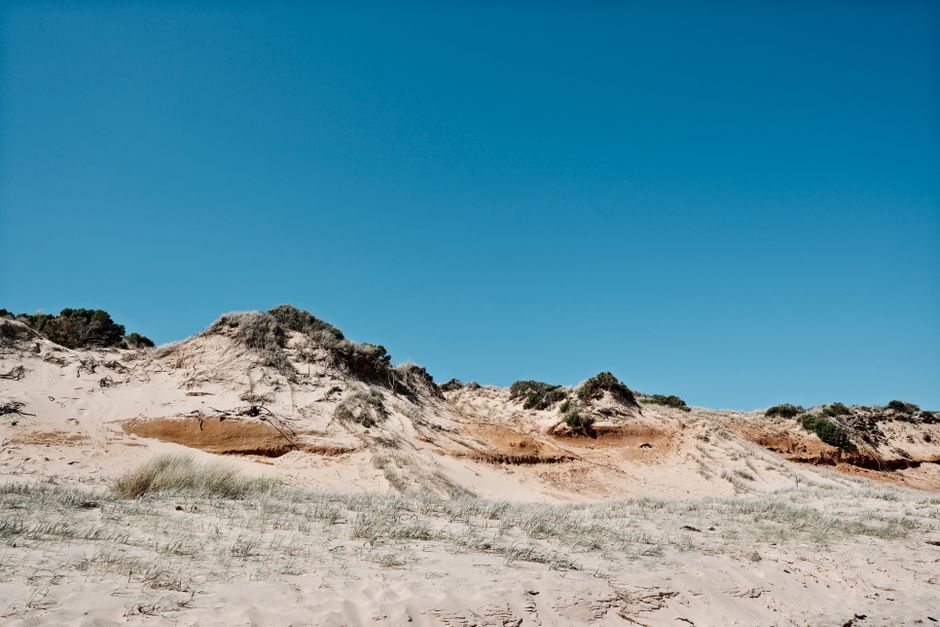
On a narrow strip of land between the Baltic Sea and a lagoon, vast sand dunes produce a mysterious, melodic hum.
The Parnidis Dune, near Nida on Lithuania's Curonian Spit, is famous for its "singing sands." When conditions are right—dry sand and wind—the movement of sand grains against each other creates a low, resonant hum, almost like a choir. This unique geological phenomenon has captivated locals for centuries, giving rise to legends and making the remote spit a place of natural wonder. Beyond the sound, the sheer scale of the golden dunes is breathtaking.
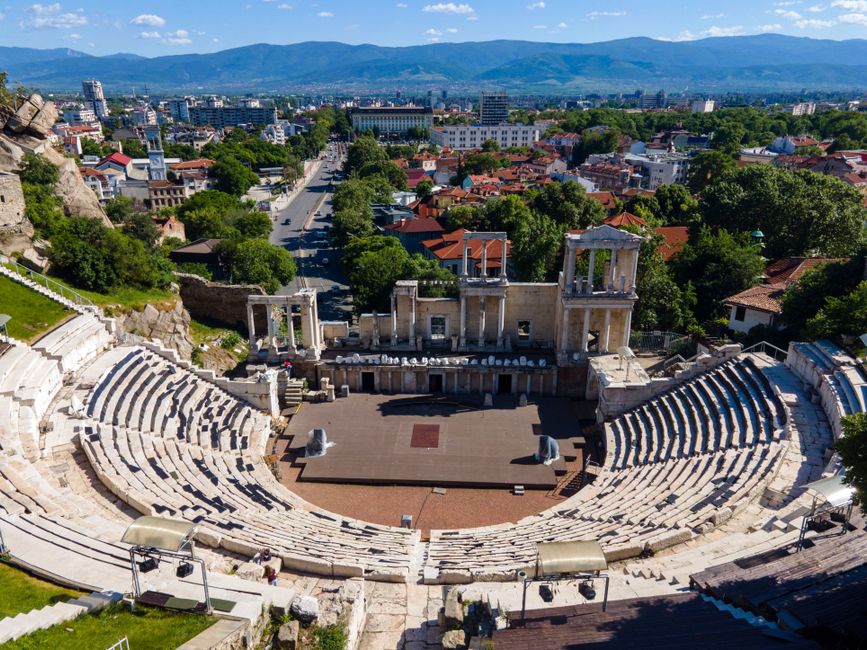
4. Europe's City of Seven Hills and Ancient Theaters
Plovdiv, Bulgaria
One of the oldest continually inhabited cities in Europe, Plovdiv boasts Roman ruins layered beneath a vibrant modern life.
Plovdiv's history stretches back over 8,000 years, making it a living archaeological treasure. Walk its cobbled streets and you'll find an exceptionally preserved Roman Amphitheater still hosting events, alongside ancient forums, Ottoman mosques, and beautifully restored 19th-century houses. The city's unique charm comes from its visible layers of history, where Thracian, Roman, Byzantine, and Ottoman influences merge, offering a profound sense of continuity through millennia.
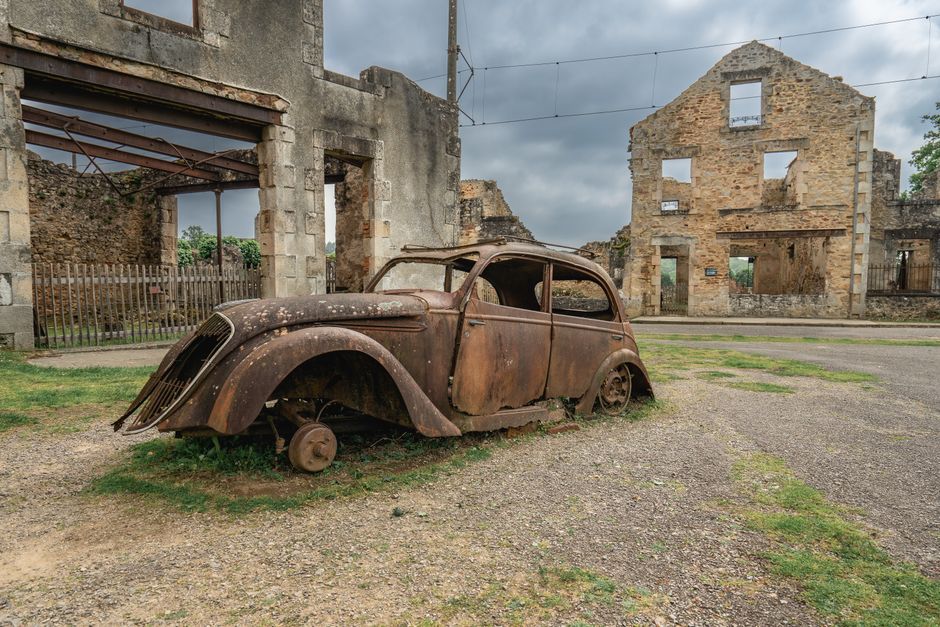
5. A Village Frozen in Time
Oradour-sur-Glane, France
This French village remains preserved exactly as it was on June 10, 1944, a haunting memorial to a horrific wartime massacre.
The ruins of Oradour-sur-Glane stand as a poignant, untouched monument to the atrocities of World War II. After its inhabitants were massacred by the Waffen-SS, the village was deliberately left in its devastated state by order of Charles de Gaulle, serving as a permanent reminder. Visitors walk past burnt-out cars, sewing machines, and houses, experiencing a chilling stillness that speaks volumes about a moment in history that must never be forgotten.
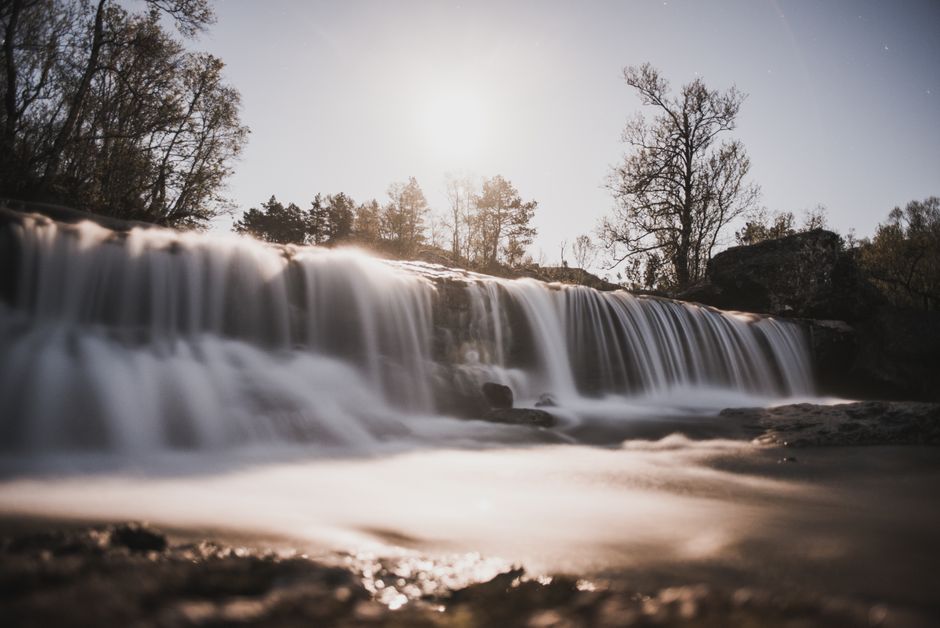
6. The Flying Fish Waterfall Town
Kuldīga, Latvia
Home to Europe's widest natural waterfall, this charming Latvian town is famous for fish attempting to "fly" upstream.
Ventas Rumba, at 249 meters wide, is not tall but incredibly expansive, making it Europe's widest natural waterfall. During spring and autumn, local legend comes alive as migrating fish, particularly vimba, attempt to leap over the low falls to spawn upstream, giving Kuldīga its "flying fish" reputation. The town itself is a picturesque haven of red-brick architecture and a historic bridge, often feeling like a step back into a serene, unhurried past.
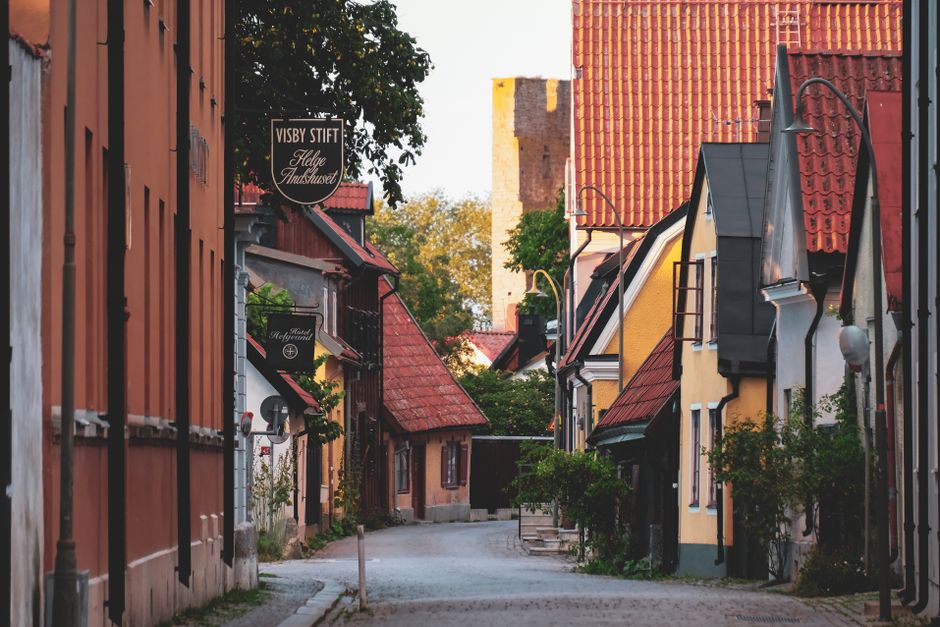
7. The Walled Medieval Jewel of the Baltic
Visby, Gotland, Sweden
This remarkably preserved Hanseatic town, surrounded by a medieval wall, was once the richest and most powerful trading hub in the Baltic Sea.
Visby's impressive 3.4-kilometer ring wall, complete with towers and gates, encircles a townscape of winding cobblestone streets, rose-covered cottages, and ancient church ruins. A UNESCO World Heritage site, Visby was a crucial center of the Hanseatic League during the Middle Ages, its wealth evident in its grand merchant houses. Exploring Visby is like stepping into a living history book, where tales of Vikings, merchants, and medieval battles linger in every stone.
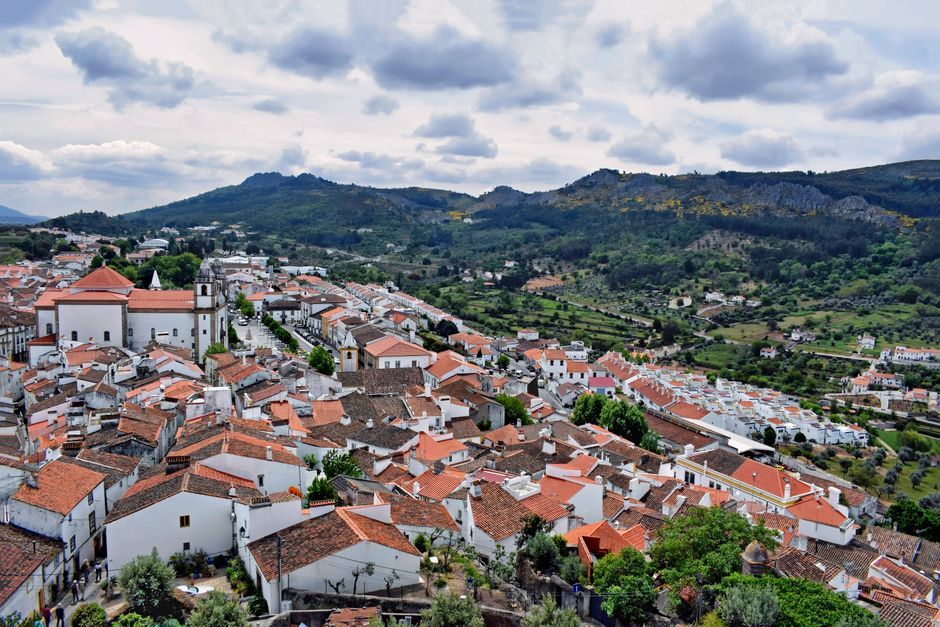
8. The White Village Guarding the Alqueva Lake
Monsaraz, Alentejo, Portugal
This stunning hilltop village, crowned by a castle, overlooks Europe's largest artificial lake and holds ancient secrets.
Monsaraz is a breathtaking white-washed village, a true gem in the Alentejo region, with panoramic views over the vast Alqueva lake. Its history dates back to prehistoric times, evidenced by nearby megalithic monuments, and later fortified by the Knights Templar. Wandering its narrow, flowered streets to the castle battlements offers a profound sense of peace and a glimpse into centuries of Portuguese frontier life, far from the coastal crowds.
Frequently asked questions
How do I find transportation to these hidden gems?
Many of these places are accessible by regional trains or buses from larger cities. For more remote spots like Civita di Bagnoregio or Monsaraz, renting a car might offer the most flexibility. Always check local public transport schedules in advance.
What's the best way to learn about the history of these unique places on the go?
While guidebooks offer a good overview, an AI audio tour guide app can provide real-time, context-aware information. Pointing your phone camera at a landmark allows the app to narrate its specific history, geology, or culture, bringing the site to life instantly.
How does the AllTours.ai app work for exploring these locations?
AllTours.ai uses your phone's camera and location to identify landmarks, landscapes, or even subtle geological features. It then instantly narrates their unique stories – history, geology, or cultural significance – in your preferred language, turning every view into a personalized, immersive audio tour.
Related guides
Self-guided audio tours
Walk these places stop by stop — free five-stop story tours you can take at your own pace:
Photography via Pexels. AllTours.ai is an AI audio tour guide — point your camera at any landscape and hear its story.