September 1, 2026 · 5 min read
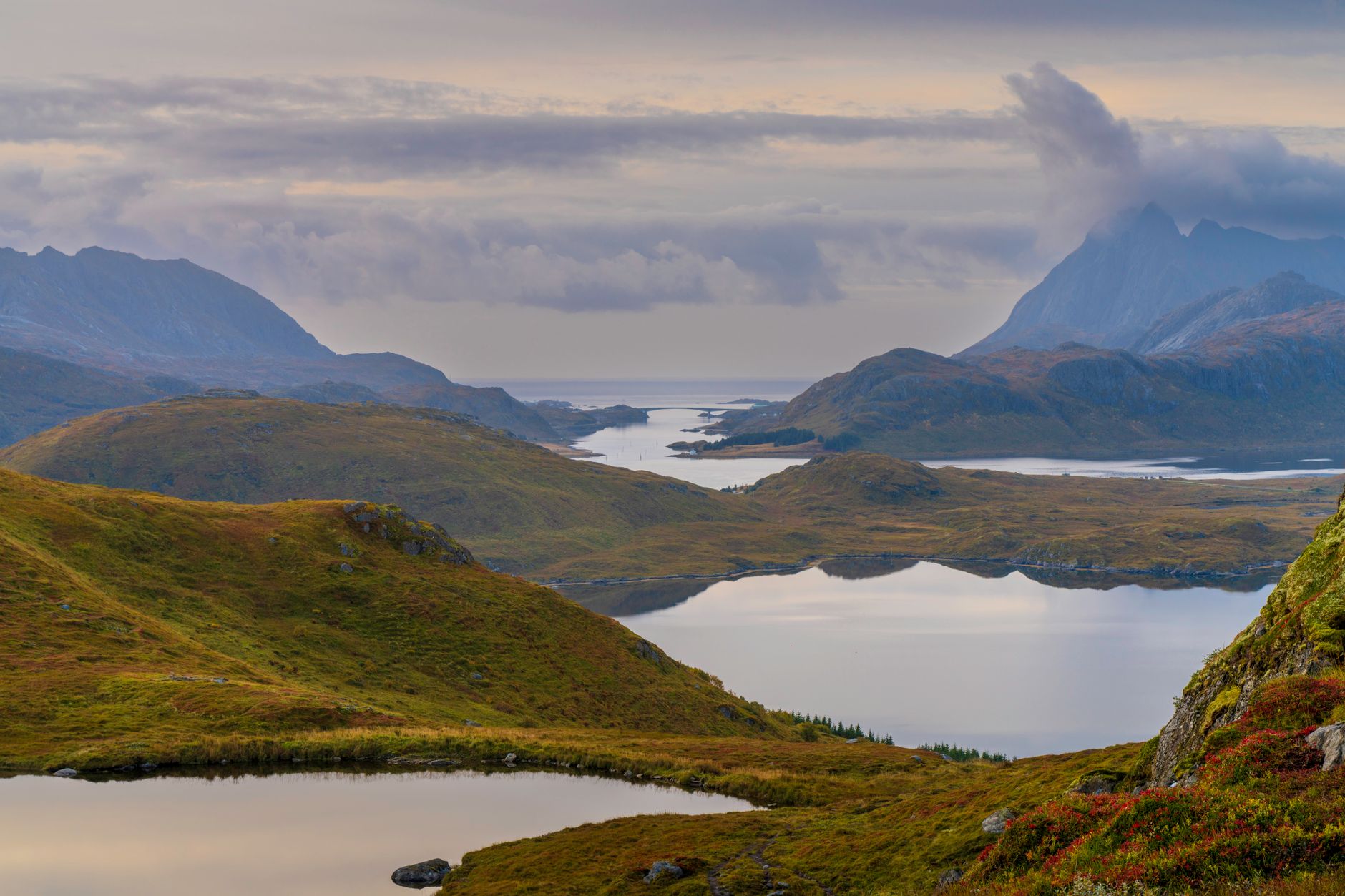
Many travelers planning a holiday theme park visit often fret over the weather. Will rain dampen the rides? Will extreme heat make lines unbearable? Theme parks strive for predictable fun, creating controlled environments where external elements are often seen as obstacles to overcome.
But what if the weather wasn't just something to tolerate, but an essential part of the story? The world is full of places where the elements – be it wind, rain, sun, or frost – don't just affect your experience; they *are* the experience. These are destinations where nature's moods sculpt the landscape, reveal hidden histories, and amplify the sense of wonder, offering a depth that no manufactured environment can replicate.
1. The Unveiled Ancient Village
Skara Brae, Orkney, Scotland
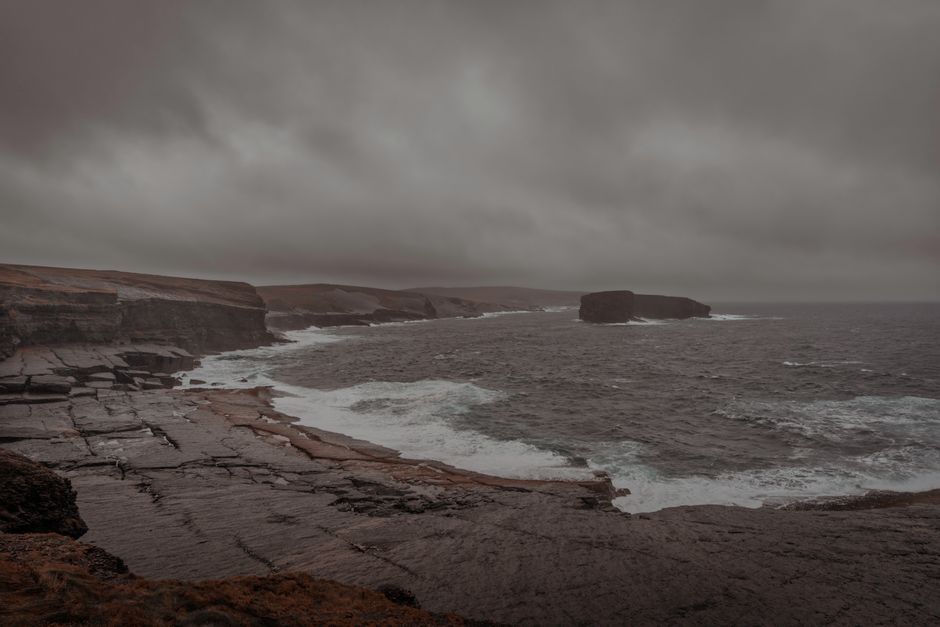
A Stone Age village, older than the pyramids, was preserved and then dramatically revealed by a powerful storm.
On the remote Orkney Islands, a storm in 1850 stripped turf from a sand dune, exposing the outline of ancient stone buildings. This was Skara Brae, a remarkably preserved Neolithic settlement inhabited from roughly 3180 BC to 2500 BC. Its stone beds, dressers, and hearths offer an unparalleled glimpse into the lives of people who lived here over 5,000 years ago. The raw, often blustery weather of Orkney, which once buried and then unearthed it, continues to shape the site's atmosphere, connecting visitors directly to its ancient past.
2. The World's Largest Natural Mirror
Salar de Uyuni, Bolivia
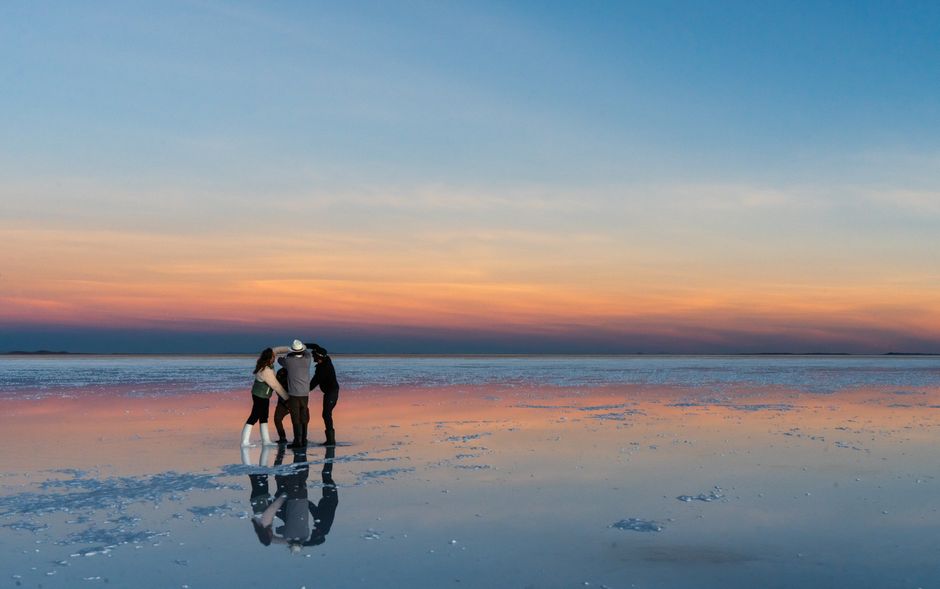
After rainfall, the world's largest salt flat transforms into an immense, perfect mirror reflecting the sky, revealing the bed of a prehistoric lake.
Salar de Uyuni is a breathtaking expanse of white stretching over 10,000 square kilometers, formed by the evaporation of ancient lakes. While stunning in its dry, hexagonal patterns, it's the rainy season (December to April) that brings its most magical transformation. A thin layer of water covers the salt crust, creating a colossal, horizon-less mirror that blurs the line between earth and sky, offering surreal photographic opportunities and a profound sense of scale. The weather doesn't just affect the view; it *is* the view.
3. The Living Starry Sky Underground
Waitomo Glowworm Caves, New Zealand
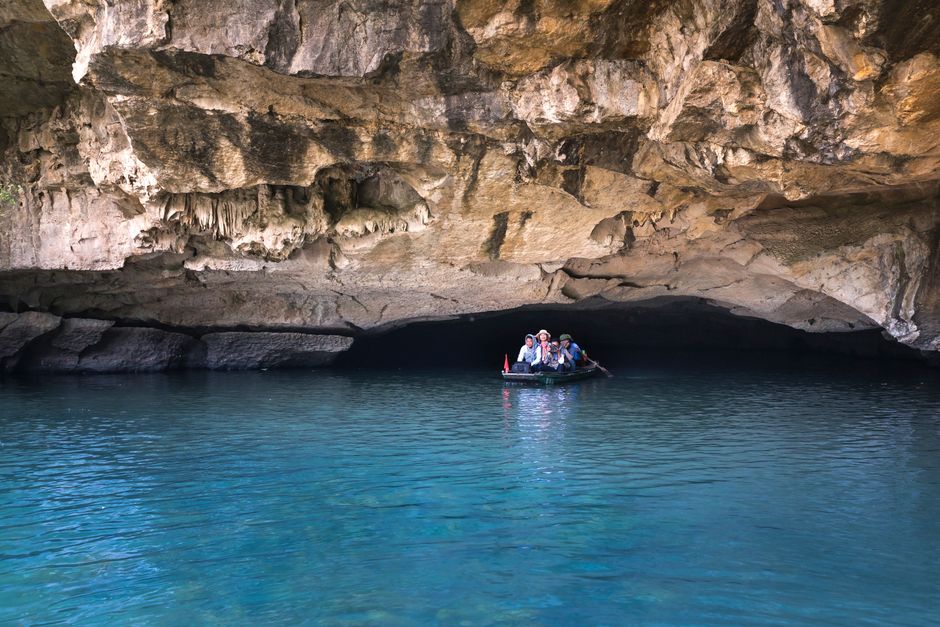
Below ground, thousands of tiny glowworms illuminate a subterranean world, creating a living starscape completely oblivious to surface weather conditions.
The Waitomo Glowworm Caves offer a unique natural spectacle unaffected by the weather above. Inside this intricate cave system, you take a silent boat ride through the 'Glowworm Grotto'. Thousands of *Arachnocampa luminosa* glowworms adhere to the cave ceiling, emitting a luminous blue-green light to attract prey. The experience is like drifting under a silent, living galaxy, a natural wonder that provides a perfect escape from any rain or heat on the surface, offering its own stable, cool, and enchanting climate.
4. Ancient Homes in Fairy Chimneys
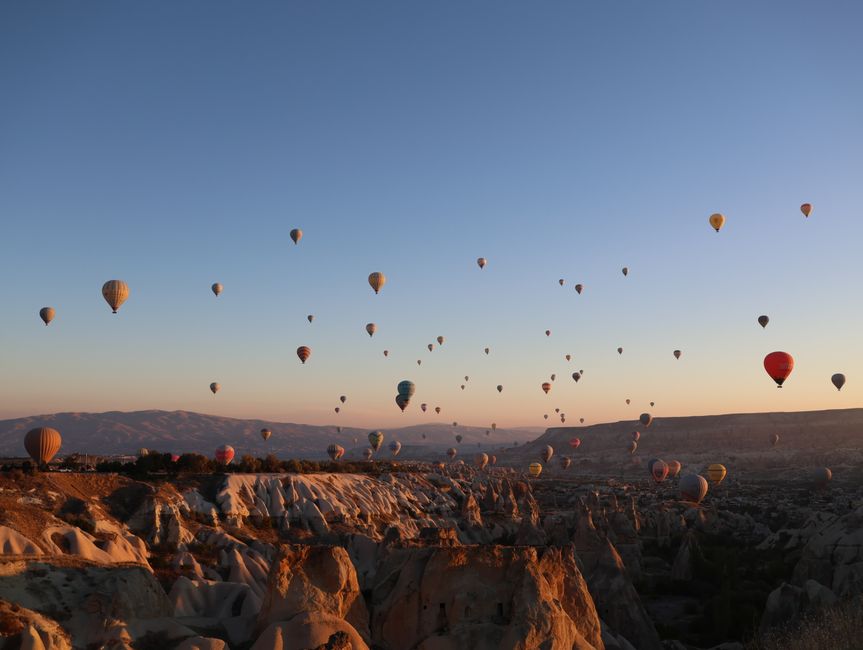
Cappadocia, Turkey
Soft volcanic rock formations, known as 'fairy chimneys,' were carved into homes, churches, and cities by early inhabitants, providing natural shelter from the elements for millennia.
Cappadocia's distinctive landscape of towering 'fairy chimneys' and undulating valleys was formed by ancient volcanic eruptions and subsequent erosion by wind and water. Early Christians and other communities discovered that the soft tuff rock was easy to carve, creating vast underground cities and cave dwellings that offered natural insulation against both scorching summers and harsh winters. The weather here, especially the freeze-thaw cycles, continues to sculpt these remarkable formations, which have sheltered human life for thousands of years.
5. Petrified Forest in a Desert Pan
Deadvlei, Namib-Naukluft National Park, Namibia
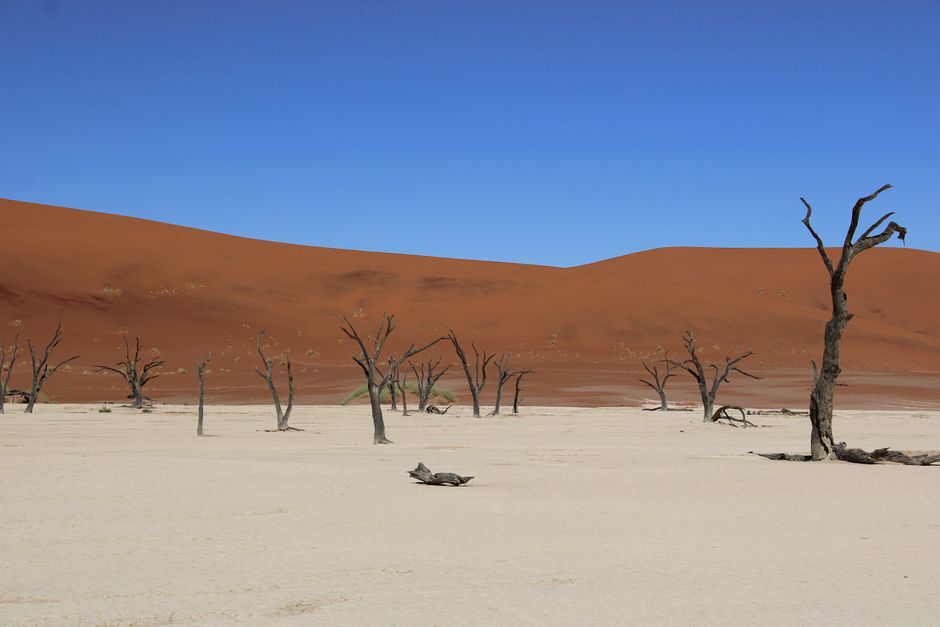
In the heart of the Namib Desert, ancient camel thorn trees stand perfectly preserved, mummified by the extreme aridity for over 900 years.
Deadvlei, meaning 'dead marsh,' is a white clay pan near the famous Sossusvlei dunes. Around 900 years ago, a river shifted course, leaving these camel thorn trees to die of thirst. The climate became so arid that the dead trees never decomposed; they simply petrified, turning black under the relentless sun. Standing stark against the towering red dunes and the impossibly blue sky, these skeletal trees create a hauntingly beautiful landscape. The extreme weather conditions here are not just a factor; they are the very force that froze this moment in time.
6. The Giant's Mythical Stepping Stones
Giant's Causeway, Northern Ireland
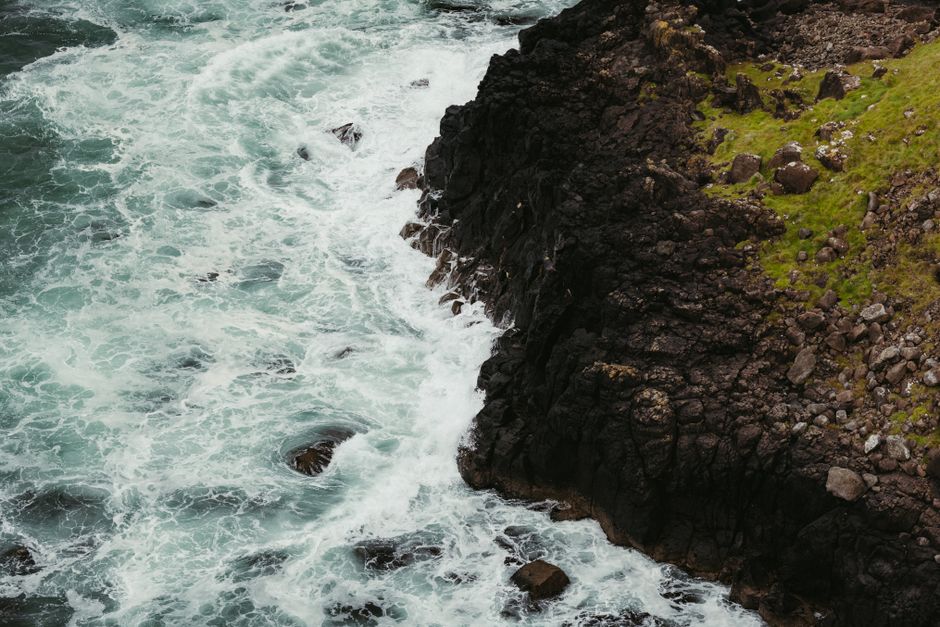
Tens of thousands of interlocking basalt columns, perfectly hexagonal, formed by ancient volcanic eruptions and now exposed to the wild Atlantic weather, fuel legends of battling giants.
The Giant's Causeway is a geological marvel comprising about 40,000 interlocking basalt columns, the result of an ancient volcanic fissure eruption. As the lava cooled, it contracted and fractured into these distinctive polygonal shapes. The dramatic coastal weather, with its crashing waves and strong winds, enhances the rugged beauty of the site, making it feel like a mythical landscape where giants might indeed have once walked. The ever-present elements sculpt and reveal new facets of this unique natural wonder.
7. The Cotton Castle Terraces
Pamukkale, Turkey
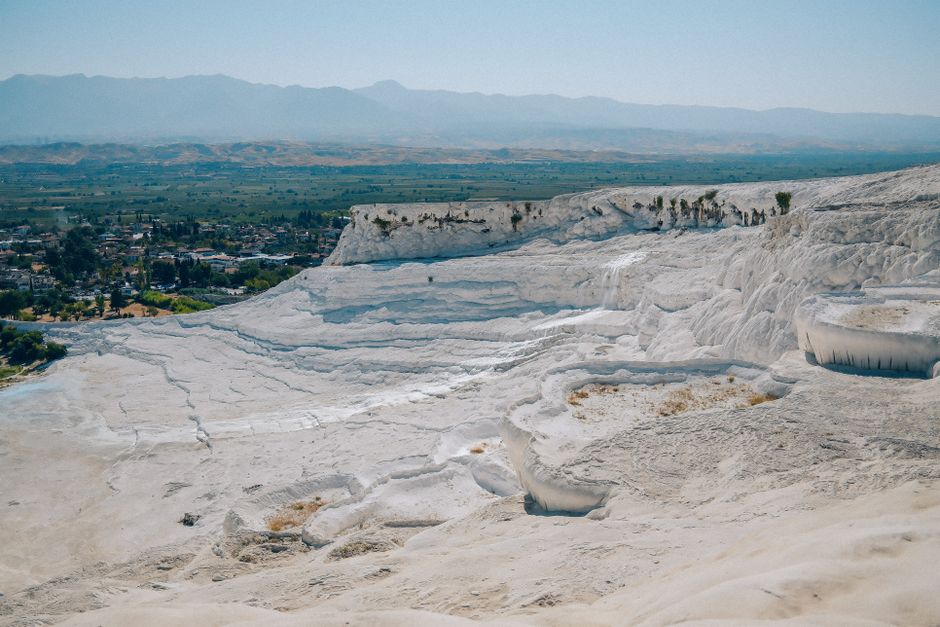
Hot spring waters rich in minerals cascade down a hillside, forming brilliant white travertine terraces and pools, used as a natural spa since Roman times.
Pamukkale, meaning 'cotton castle' in Turkish, is a stunning natural site where mineral-rich thermal waters have flowed for millennia, depositing calcium carbonate to create gleaming white terraces and pools. These warm, milky blue pools have attracted visitors seeking their therapeutic properties since antiquity, with the ancient city of Hierapolis built atop the site. Regardless of ambient air temperature, the spring waters remain warm, offering a unique bathing experience. The sunshine highlights the blinding white terraces, making the 'cotton castle' truly glow.
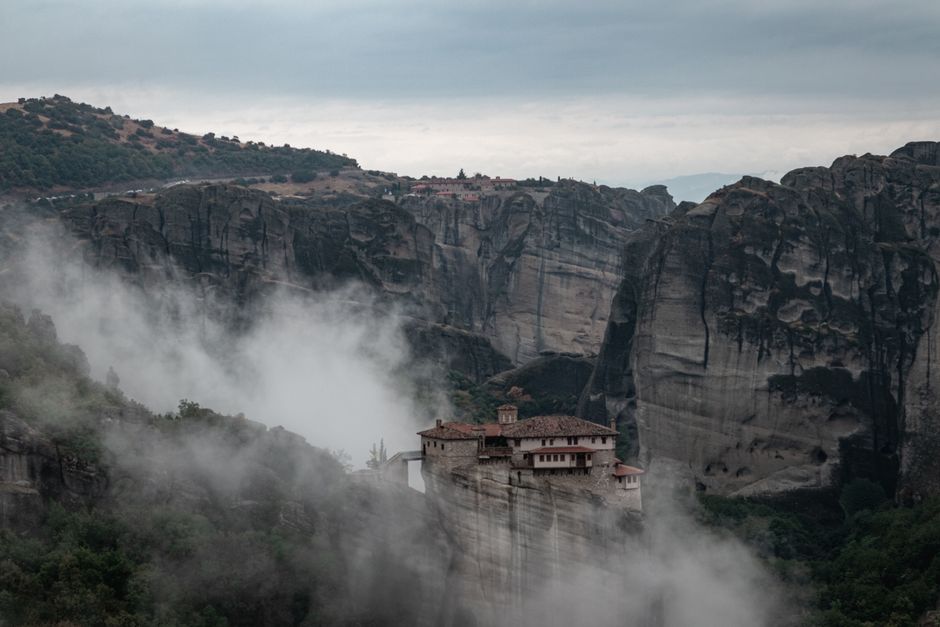
8. The Sky-High Monasteries
Meteora, Greece
Orthodox monasteries perch impossibly atop towering sandstone pillars, creating a spiritual sanctuary that appears to float between heaven and earth, often shrouded in dramatic mists.
Meteora is a geological wonder where massive rock pillars, formed by river erosion and seismic activity, rise dramatically from the Pindus mountains. Monks began settling on these 'columns of the sky' in the 11th century, building monasteries that were almost inaccessible. Today, only six remain active. On clear days, the views are expansive; on misty or cloudy days, the monasteries appear to float, creating an ethereal, otherworldly atmosphere. The weather here doesn't just frame the view; it often becomes an integral part of the spiritual and visual experience.
Frequently asked questions
How much does rain truly impact a travel experience?
Rain can certainly alter plans, but it often reveals a destination's unique character. It can enhance certain landscapes, deepen colors, clear crowds, and push you to discover cozy cafes or fascinating indoor attractions you might otherwise miss. Sometimes, unexpected weather creates the most memorable stories.
What are some good destinations for extreme weather photography?
Dramatic weather conditions often make for stunning photography. Places like the Giant's Causeway in Northern Ireland thrive under stormy skies, while the Salar de Uyuni in Bolivia becomes a magical mirror after rain. Deserts like the Namib, with their harsh sun and extreme dryness, also offer incredibly stark and powerful visuals.
Are there any indoor activities that still connect to outdoor history/geology?
Absolutely. Caves like Waitomo in New Zealand provide a fascinating indoor experience directly linked to geological processes and unique ecosystems. Additionally, many museums worldwide offer deep dives into the geology and history of their surrounding regions, providing context for the outdoor landscapes you'll explore once the weather clears.
How does AllTours.ai help me understand places regardless of weather?
AllTours.ai acts as your personal AI audio guide, providing rich historical, geological, and cultural narratives about the places you visit. Whether you're exploring ruins on a blustery day or seeking shelter in a cave, simply point your phone camera at any landscape or landmark, and the app narrates its story in your language, making every moment of your journey more insightful, come rain or shine.
Related guides
Self-guided audio tours
Walk these places stop by stop — free five-stop story tours you can take at your own pace:
Photography via Pexels. AllTours.ai is an AI audio tour guide — point your camera at any landscape and hear its story.