September 18, 2026 · 4 min read
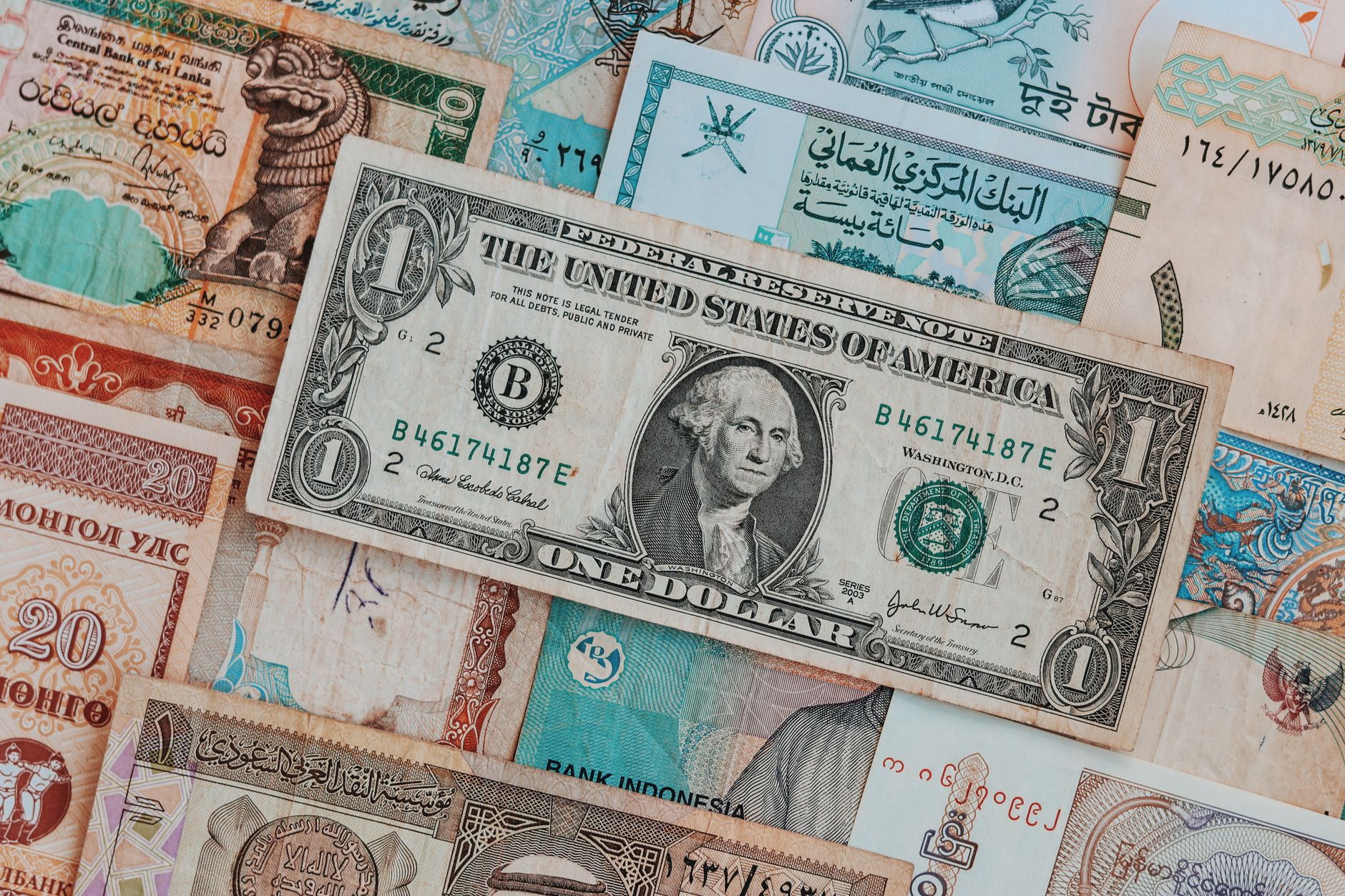
One of the most common headaches for travelers hopping between countries isn't adapting to a new language or navigating public transport; it's often managing money across multiple currencies. From exchange rates to transaction fees, the financial logistics can feel overwhelming, potentially distracting from the joy of discovery.
But what if smart money handling actually freed you up to explore the truly extraordinary? We've gathered some incredible, often overlooked places around the world, each with a fascinating story, to inspire your next multi-country adventure—and share practical tips for keeping your finances smooth as you go.
1. The Desert's Opulent Ghost
Kolmanskop, Namibia
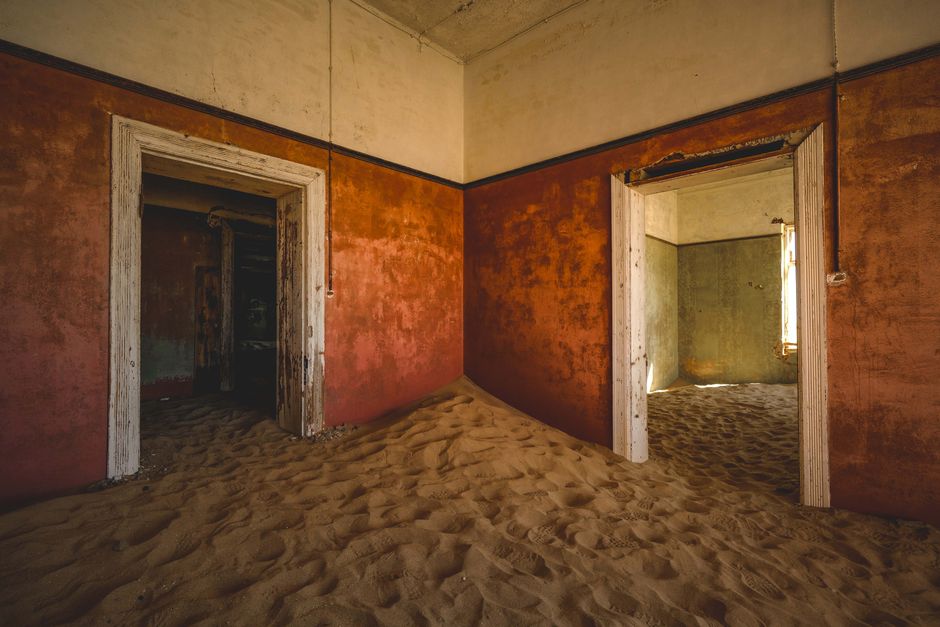
This once-thriving diamond mining town was abandoned to the Namib Desert, leaving mansions filled with sand.
Kolmanskop sprang up in the early 20th century after diamonds were discovered in the sand. German miners built grand homes, a hospital, ballroom, and even a bowling alley in the harsh desert. Within decades, richer diamond fields were found further south, and the town was completely deserted by 1956. Today, the desert wind has filled its elegant buildings with dunes, creating a haunting spectacle of human ambition and nature's reclamation.
2. Living Beneath the Surface
Coober Pedy, Australia
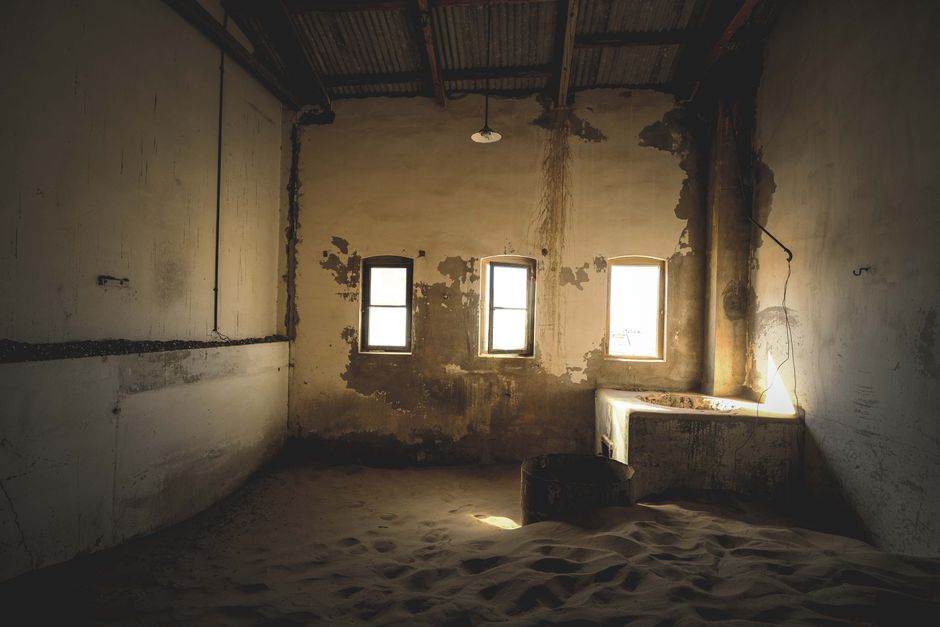
In this opal mining town, most residents live underground in "dugouts" to escape the scorching desert heat.
Coober Pedy, located in South Australia's arid outback, is the opal capital of the world. With summer temperatures often exceeding 40°C, early miners discovered that living below ground offered a comfortable, cool refuge. Today, a significant portion of the town's population resides in these "dugouts"—subterranean homes, shops, and even churches—carved directly into the sandstone, offering a surprisingly modern and climate-controlled existence.
3. Dracula's Medieval Birthplace
Sighișoara, Romania
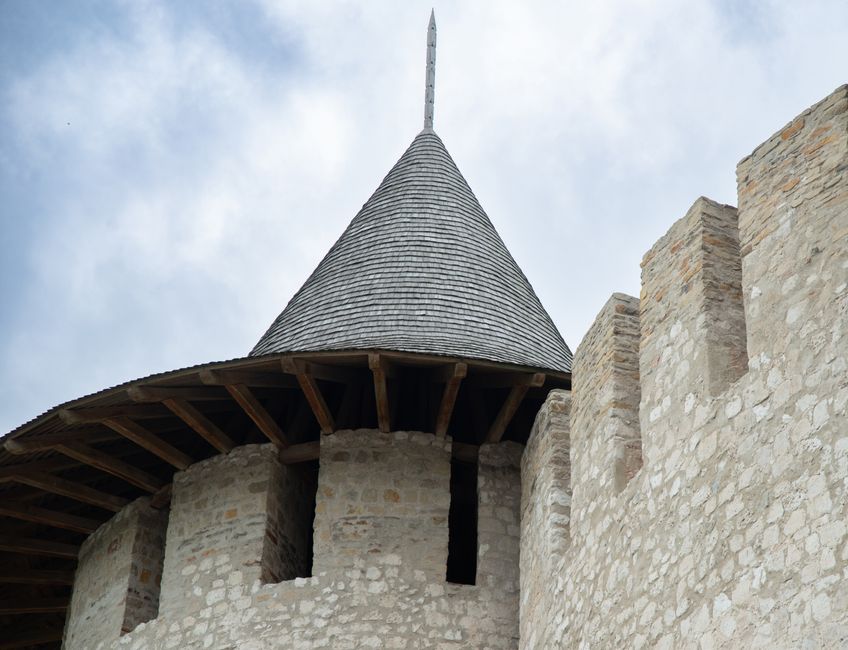
This beautifully preserved medieval citadel is the alleged birthplace of Vlad the Impaler, the historical figure behind Dracula.
Sighișoara stands as one of Europe's last inhabited medieval citadels, a UNESCO World Heritage site retaining its original Saxon architecture and charm. Cobblestone streets wind past colorful houses and defensive towers, each with a unique name. While its primary claim to fame is being the birthplace of Vlad III, also known as Vlad the Impaler, the town itself offers a rich tapestry of medieval life, from artisans' workshops to ancient clock towers, far beyond its vampiric lore.
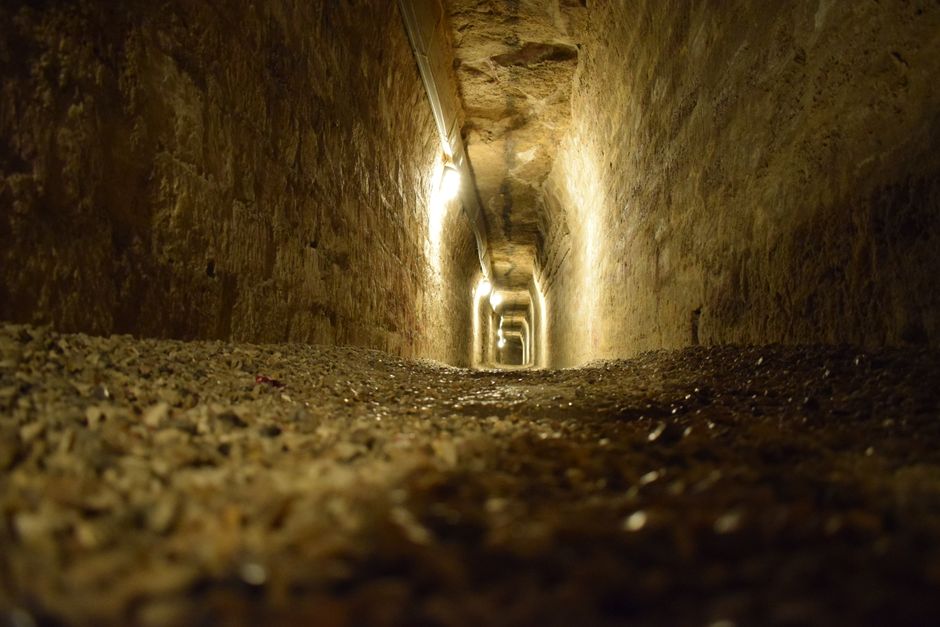
4. The Subterranean Metropolis
Derinkuyu, Turkey
This ancient multi-level city once housed thousands of people and their livestock deep underground, complete with ventilation shafts and churches.
Hidden beneath the Cappadocian landscape, Derinkuyu is the largest excavated underground city in Turkey, extending over eight levels and reaching depths of 85 meters. Carved from soft volcanic rock, it provided refuge for early Christians fleeing persecution, capable of sealing off passages with massive stone doors. Its complex network included living quarters, stables, churches, storage rooms, and wineries, all connected by an intricate ventilation system, showcasing remarkable ancient engineering.
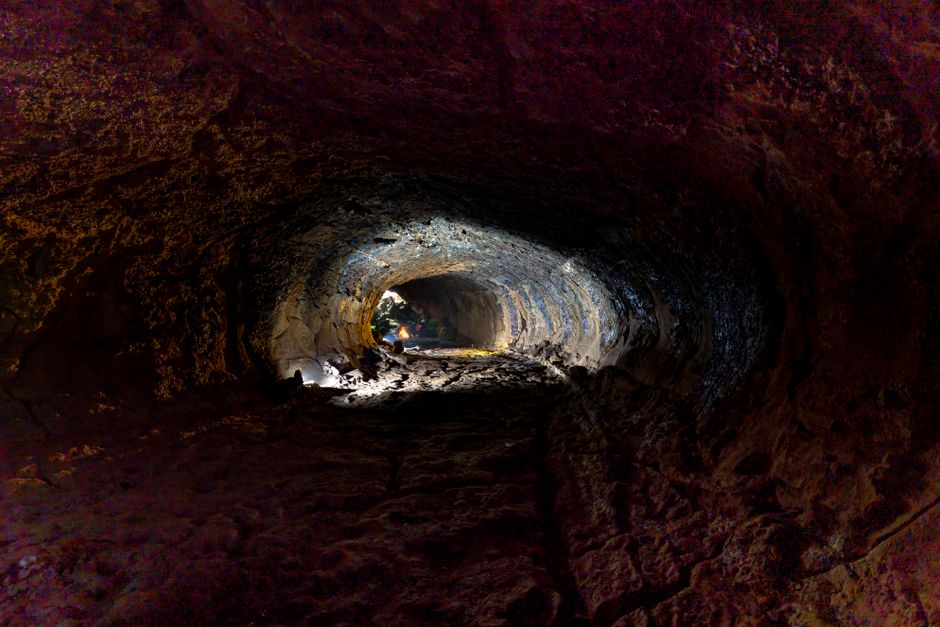
5. Where Basalt Sings
Isle of Staffa, Scotland
This uninhabited island features Fingal's Cave, a natural sea cave formed entirely from perfectly hexagonal basalt columns.
Off the coast of Mull, the Isle of Staffa is a geological marvel renowned for Fingal's Cave. Erosion has carved a vast cavern where columnar basalt formations, identical to those at Giant's Causeway, rise like organ pipes. The unique acoustics inside give rise to eerie, melodious sounds, inspiring Felix Mendelssohn's "Hebrides Overture." The cave's remote beauty and natural symmetry offer a powerful testament to volcanic forces.
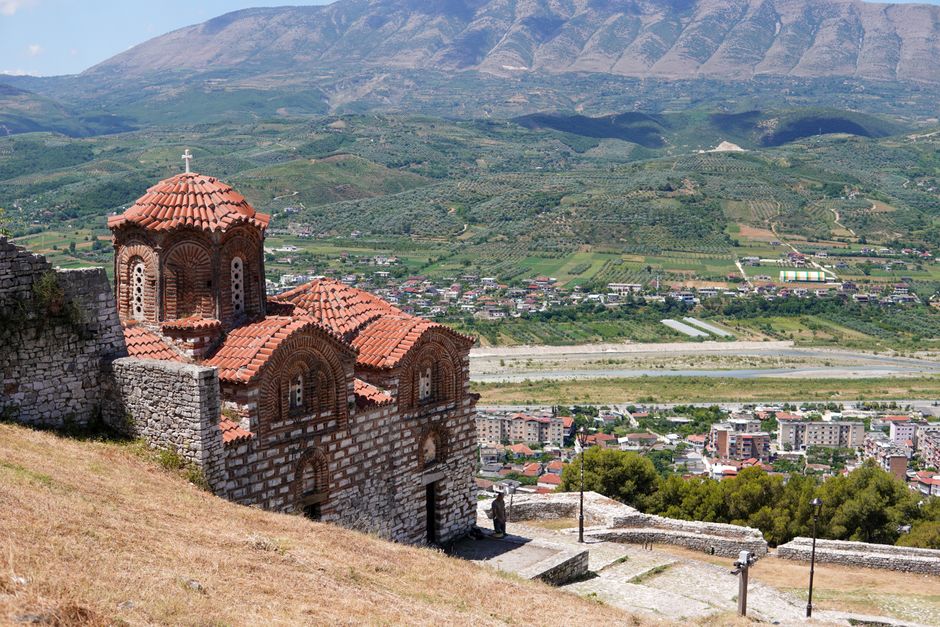
6. The City of Stone Roofs
Gjirokaster, Albania
Known for its distinctive stone roofs and defensive architecture, this UNESCO city offers a window into Ottoman Balkan life.
Gjirokaster, often called the "City of Stone," is a rare example of a well-preserved Ottoman town, perched on a hillside overlooking a valley. Its unique architectural style features houses built like small fortresses, with slate roofs, wooden balconies, and whitewashed walls, designed for both defense and comfort. The grand Gjirokaster Castle dominates the town, hosting a national folk festival and offering panoramic views of the Drino Valley.
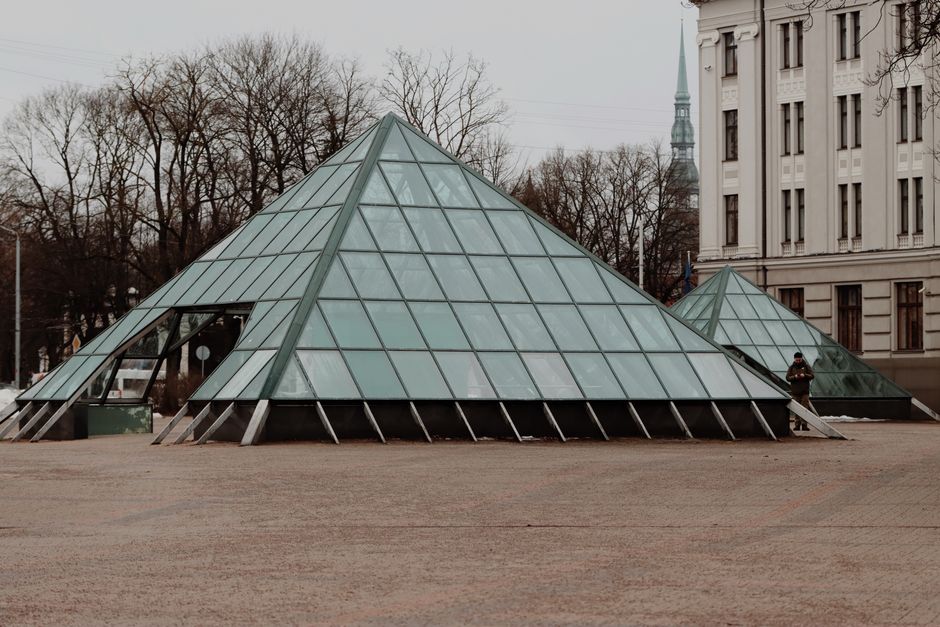
7. The Sun Mirror Town
Rjukan, Norway
This industrial town, nestled deep in a valley, uses giant mirrors on a mountain to reflect sunlight into its main square during winter.
For six months each year, the town of Rjukan in Telemark, Norway, is plunged into shadow by the surrounding mountains. In a remarkable feat of engineering and community spirit, three enormous heliostat mirrors were installed on the mountainside in 2013. These computer-controlled mirrors track the sun's movement, reflecting a 600-square-meter patch of sunlight down into Rjukan's main square, bringing warmth and light to its residents during the long, dark winter months.
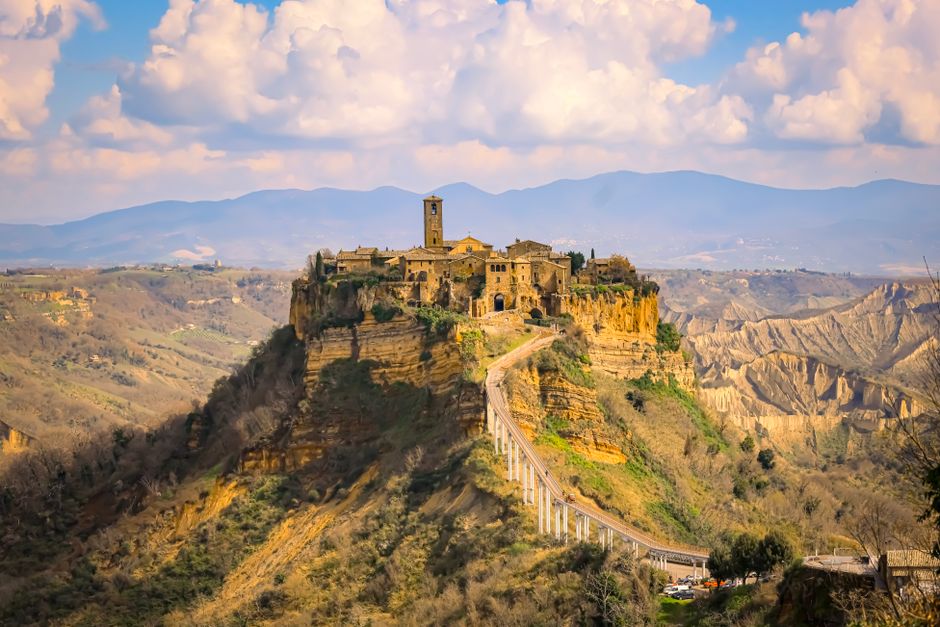
8. Italy's Dying Gem
Civita di Bagnoregio, Italy
Perched precariously on an eroding volcanic rock, this ancient hilltop village is slowly crumbling, accessible only by a long pedestrian bridge.
Civita di Bagnoregio, often called "the dying city," is a stunning medieval village in central Italy, famed for its dramatic location. Built atop a tufa rock formation, it is constantly threatened by erosion, making its survival uncertain. A single, curving pedestrian bridge connects Civita to the outside world, offering breathtaking views of the badlands below. Visiting feels like stepping back in time, with ancient stone houses and a quiet charm that belies its precarious existence.
Frequently asked questions
What's the best way to carry money internationally?
A combination of methods is usually best. Use a travel-friendly debit card for ATM withdrawals, a credit card for larger purchases (ensure no foreign transaction fees), and a small amount of local currency for immediate needs or places that don't accept cards.
Should I exchange money before I travel or when I arrive?
It's often best to exchange a small amount of currency before you leave for immediate expenses, but generally, you'll get better exchange rates by withdrawing local currency from an ATM at your destination. Avoid airport exchange kiosks if possible, as their rates are usually poor.
How do I avoid foreign transaction fees?
Look for credit cards and debit cards specifically designed for travelers, which often waive foreign transaction fees. Some banks also offer cards with no ATM fees abroad. Always opt to pay in the local currency when making card purchases to avoid dynamic currency conversion (DCC) fees.
How can AllTours.ai help me explore these places?
AllTours.ai enhances your travel experience by providing instant audio narratives about your surroundings. Simply point your phone camera at a landmark or landscape, and the app narrates its history, geology, and culture in your language, making every hidden gem come alive.
Related guides
Self-guided audio tours
Walk these places stop by stop — free five-stop story tours you can take at your own pace:
Photography via Pexels. AllTours.ai is an AI audio tour guide — point your camera at any landscape and hear its story.