July 1, 2026 · 4 min read
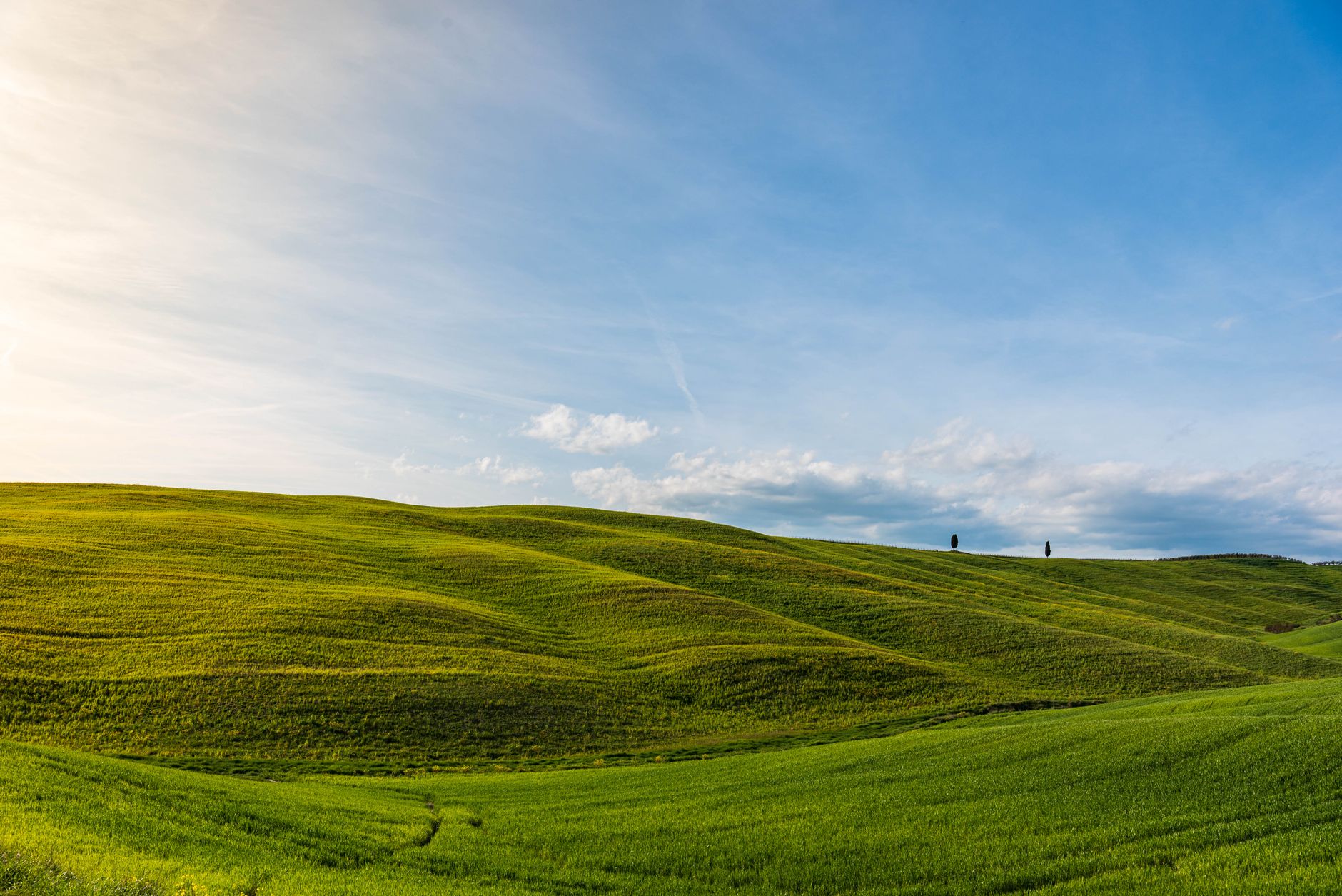
Italy: a land of iconic landmarks, timeless art, and mouth-watering cuisine. But what happens when your dream Italian vacation feels a little... crowded? Perhaps the lines are too long, the sights too familiar, or you're simply craving a deeper connection beyond the well-trodden paths. Don't despair; the true magic of Italy often lies just a little further afield, in places where history whispers rather than shouts.
If you're looking for tips for salvaging your Italian vacation and turning it into an extraordinary adventure, the answer lies in venturing beyond the usual tourist trail. We've curated a list of genuinely underrated spots, each with a unique, compelling story that will spark your curiosity and show you a different side of this magnificent country.
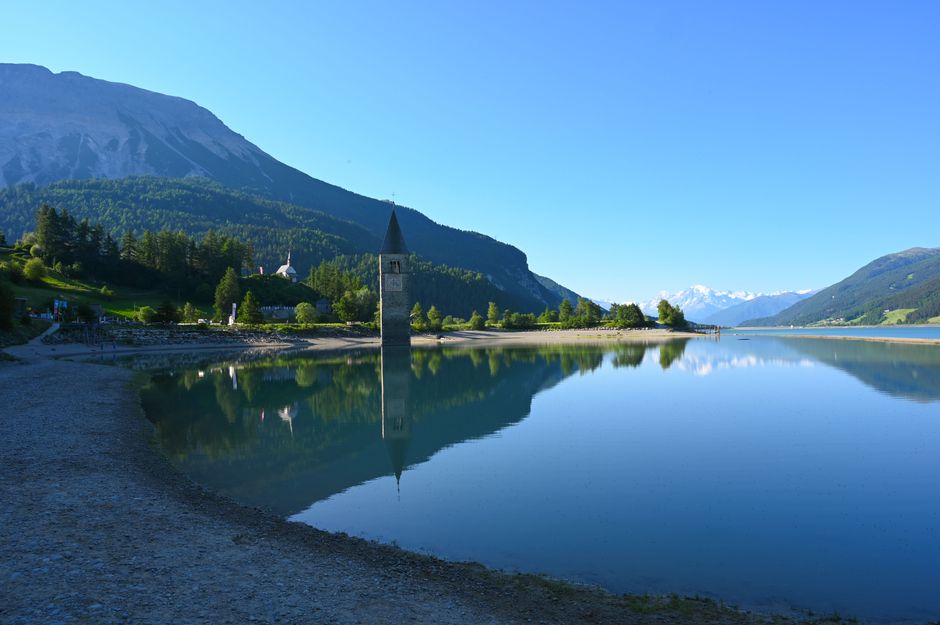
1. The Ghostly Village Beneath the Waves
Fabbriche di Careggine, Tuscany, Italy
This medieval village only resurfaces from a lake every few decades, revealing forgotten homes and a lost way of life.
Nestled within the Apuan Alps, the village of Fabbriche di Careggine was intentionally submerged in 1953 to create Lake Vagli and a hydroelectric dam. Its stone houses, church, and cemetery lie preserved on the lakebed, only to emerge when the lake is periodically drained for maintenance. This rare event transforms the area into a haunting spectacle, offering a fleeting glimpse into a past frozen in time, a true ghost town reborn from the waters.
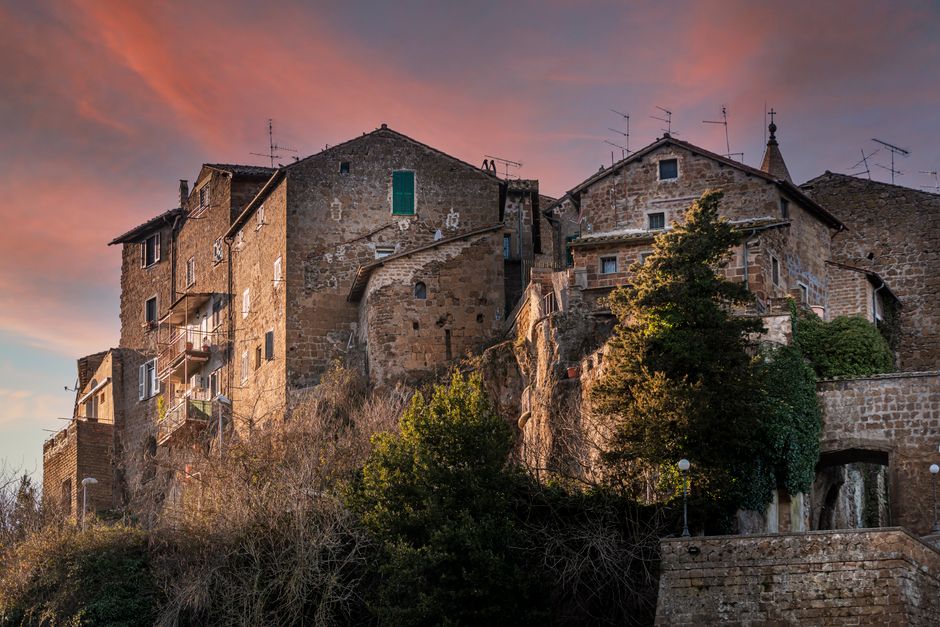
2. The Cliffside Artists' Haven
Calcata Vecchia, Lazio, Italy
Perched precariously on a volcanic cliff, this 'dying' medieval village was saved and revitalized by a community of artists and bohemians.
For centuries, Calcata Vecchia was slowly crumbling, its inhabitants warned to evacuate due to the unstable volcanic rock it sat upon. But in the 1960s and 70s, artists, hippies, and free spirits began to move into the abandoned homes, breathing new life into the ancient stones. Today, Calcata Vecchia is a vibrant, quirky hub of creativity, its narrow alleys filled with artisan workshops, eccentric cafes, and a palpable sense of defiant charm, a testament to art's power to preserve history.
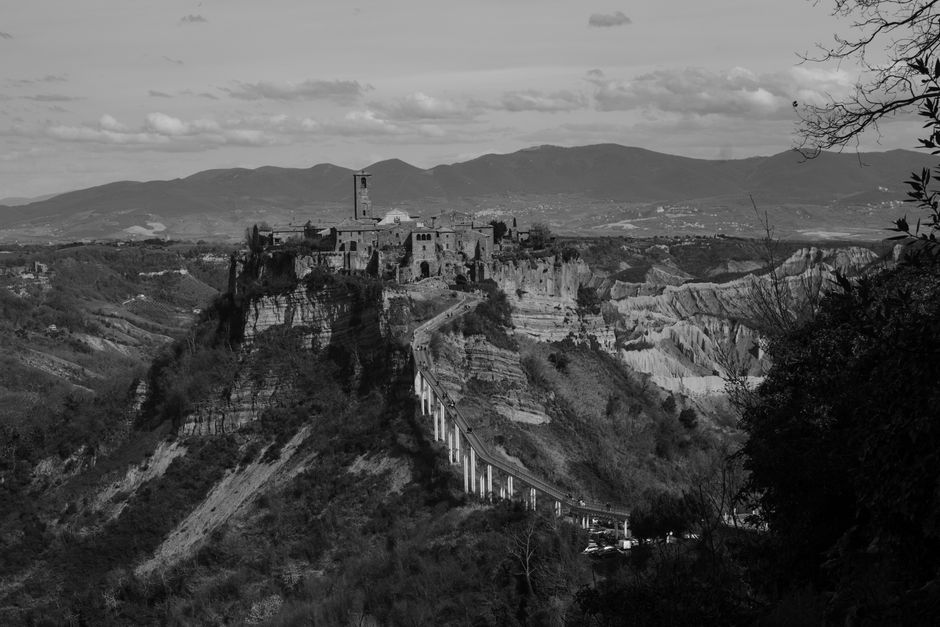
3. Italy's 'Little Jerusalem'
Pitigliano, Tuscany, Italy
Carved into a dramatic tuff cliff, this ancient town boasts a rich Jewish heritage, complete with a historic synagogue and a network of underground caves.
Known as 'Little Jerusalem,' Pitigliano stands majestically on a volcanic tufa rock, its buildings appearing to grow directly from the stone. For centuries, it served as a safe haven for a thriving Jewish community, whose presence is still felt in the beautifully preserved synagogue and the ancient Jewish Quarter. Below the surface, a labyrinth of Etruscan caves and cellars, once used as dwellings and storage, adds another layer of mystery to this captivating Tuscan gem.
4. The Medieval Watermill Village
Borghetto sul Mincio, Veneto, Italy
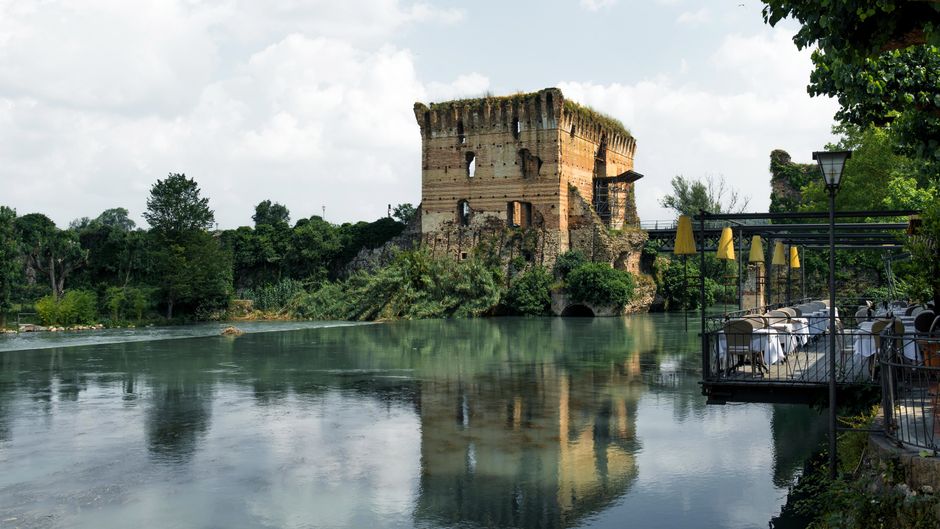
This impossibly picturesque hamlet is dominated by ancient watermills, a medieval bridge-fortress, and a legend of star-crossed lovers and pasta.
Often overlooked in favor of nearby Verona or Lake Garda, Borghetto sul Mincio is a fairytale village frozen in time. Its medieval watermills still stand on the fast-flowing Mincio River, creating a serene, idyllic scene. The village is also famous for its 'Tortellino di Valeggio sul Mincio,' a delicate pasta tied to a romantic legend of a nymph and a soldier, making it a culinary and visual delight for those seeking authentic charm.
5. The Abandoned Citadel of Clay
Craco, Basilicata, Italy
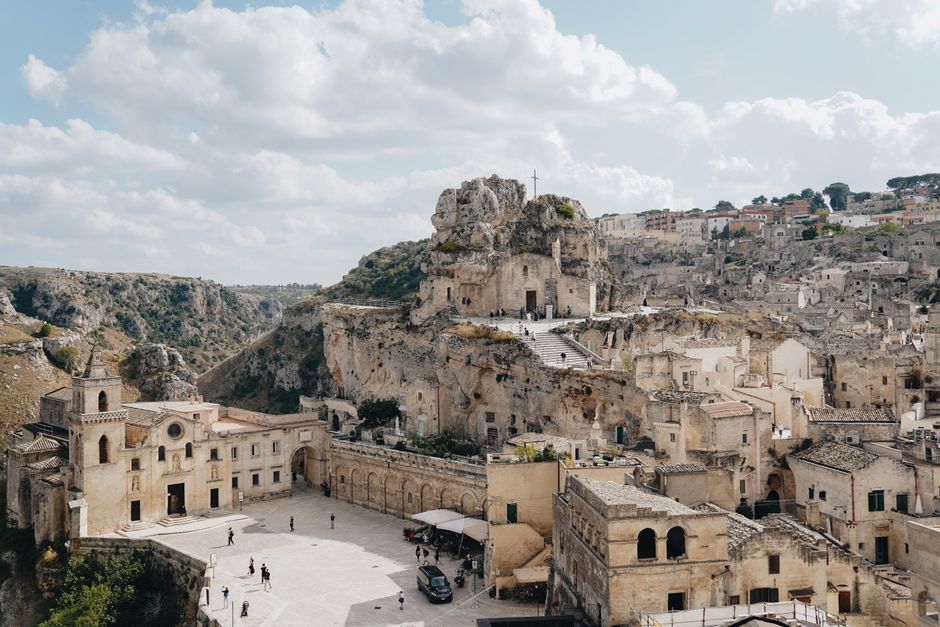
A dramatic ghost town perched atop a steep clay hill, Craco was abandoned due to landslides and now stands as a hauntingly beautiful film set.
Craco is one of Italy's most evocative ghost towns, an ancient citadel gradually depopulated in the mid-20th century due to a series of landslides and earthquakes. Its crumbling buildings and desolate streets offer a powerful, poignant glimpse into a past irrevocably lost. The town's dramatic, isolated beauty has made it a popular filming location, starring in movies like 'The Passion of the Christ' and 'Quantum of Solace,' preserving its silent history on screen.
6. The Enigmatic Park of Monsters
Sacro Bosco di Bomarzo, Lazio, Italy
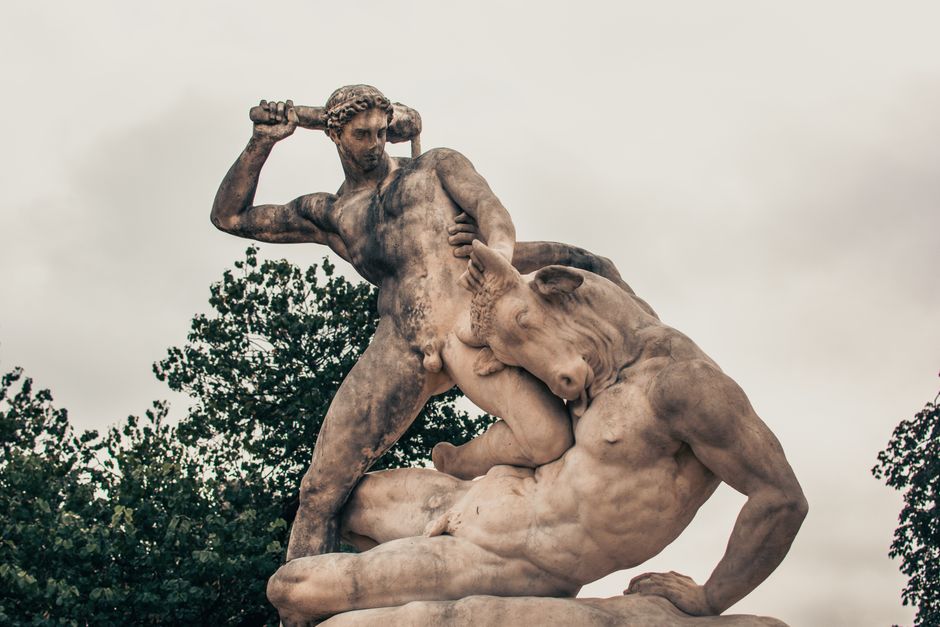
This bizarre 16th-century garden is filled with grotesque, mythical creatures carved from volcanic rock, designed to shock and amuse rather than soothe.
Unlike any other Renaissance garden, the Sacro Bosco, or 'Park of the Monsters,' was created by Prince Vicino Orsini not for beauty, but for 'sol per sfogare il core'—just to vent the heart. It features colossal, enigmatic sculptures of mythological beasts, ogres, and tilted houses carved directly from the bedrock. Each statue tells a silent, unsettling story, inviting visitors to wander through a surreal landscape where art, nature, and the bizarre intertwine in a truly unique way.
7. The Open-Air Art Gallery Village
Dozza, Emilia-Romagna, Italy
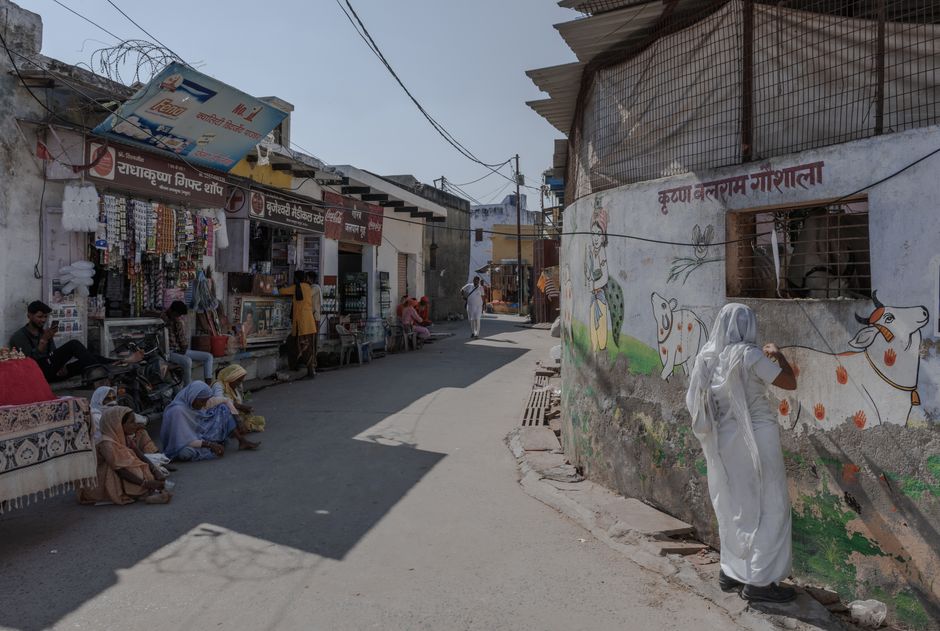
Every two years, this charming medieval village becomes a canvas for international artists who paint murals directly onto its historic buildings.
Dozza is a beautifully preserved medieval village crowned by an imposing Rocca Sforzesca fortress. However, its true distinction comes from its unique tradition: every two years, it hosts the 'Muro Dipinto' (Painted Wall) festival. Artists from around the world are invited to transform the village's ancient walls into vibrant, thought-provoking murals. This makes Dozza a living, breathing open-air art gallery, where every turn reveals a new masterpiece, blending contemporary art with timeless architecture.
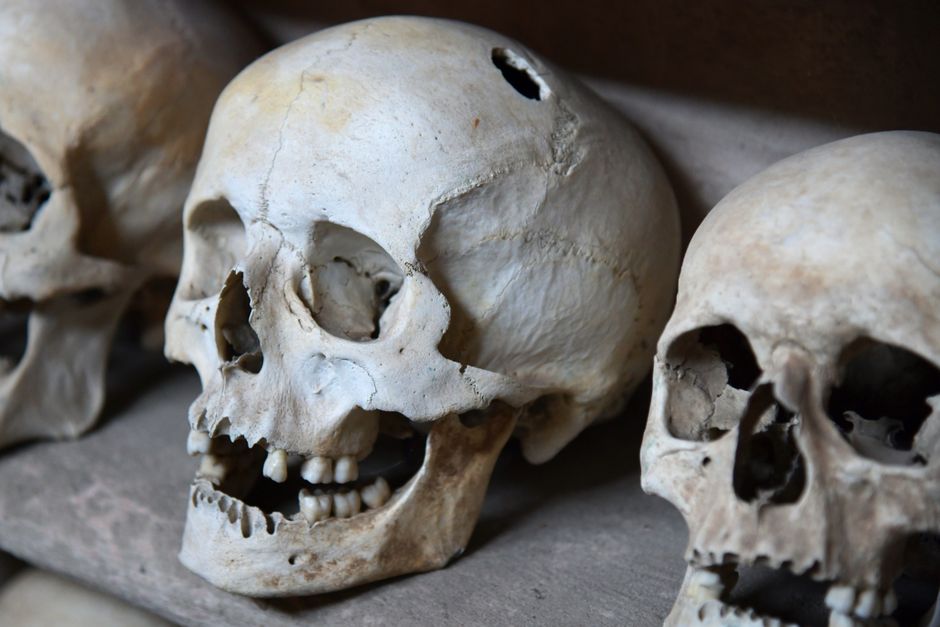
8. Otranto, Gateway to the East
Otranto, Puglia, Italy
Italy's easternmost city, Otranto, harbors a chilling cathedral chapel adorned with the skulls of 800 martyrs who defied Ottoman invaders.
Otranto, a picturesque port town in Puglia, boasts a rich history as a crucial gateway between East and West. Its stunning cathedral houses a unique and macabre relic: the Chapel of the Martyrs. Here, the skulls and bones of 800 townspeople, martyred by the Ottoman Turks in 1480 for refusing to convert to Islam, are preserved behind glass. This powerful, poignant display offers a stark reminder of Otranto's strategic importance and its resilient past, contrasting with its sun-drenched beaches and azure waters.
Frequently asked questions
Is it safe to visit lesser-known places in Italy?
Yes, Italy is generally a very safe country for tourists, including in its smaller towns and rural areas. In fact, these locations often offer a more authentic and intimate experience, with welcoming locals. Always exercise standard travel precautions, just as you would in any destination.
What is the best way to get to these hidden gems?
Many of Italy's lesser-known spots are best accessed by rental car, offering flexibility to explore at your own pace. For some locations, regional trains or local buses might be an option, but schedules can be less frequent. Planning your route in advance and checking local transport links is always advisable.
How can I find authentic Italian experiences in these places?
Embrace slow travel: linger in local cafes, visit small family-run trattorias, and engage with shopkeepers. Look for local markets, traditional festivals (sagre), and artisan workshops. Learning a few basic Italian phrases can also significantly enhance your interactions and open doors to more genuine cultural exchanges.
How does AllTours.ai help me discover Italy's stories?
AllTours.ai transforms your phone into an AI audio tour guide. Simply point your camera at any landscape, landmark, or even a local curiosity, and the app instantly narrates its history, geology, and culture in your preferred language. It's like having an expert local guide in your pocket, revealing the deeper stories of Italy's hidden gems as you explore.
Related guides
Self-guided audio tours
Walk these places stop by stop — free five-stop story tours you can take at your own pace:
Photography via Pexels. AllTours.ai is an AI audio tour guide — point your camera at any landscape and hear its story.