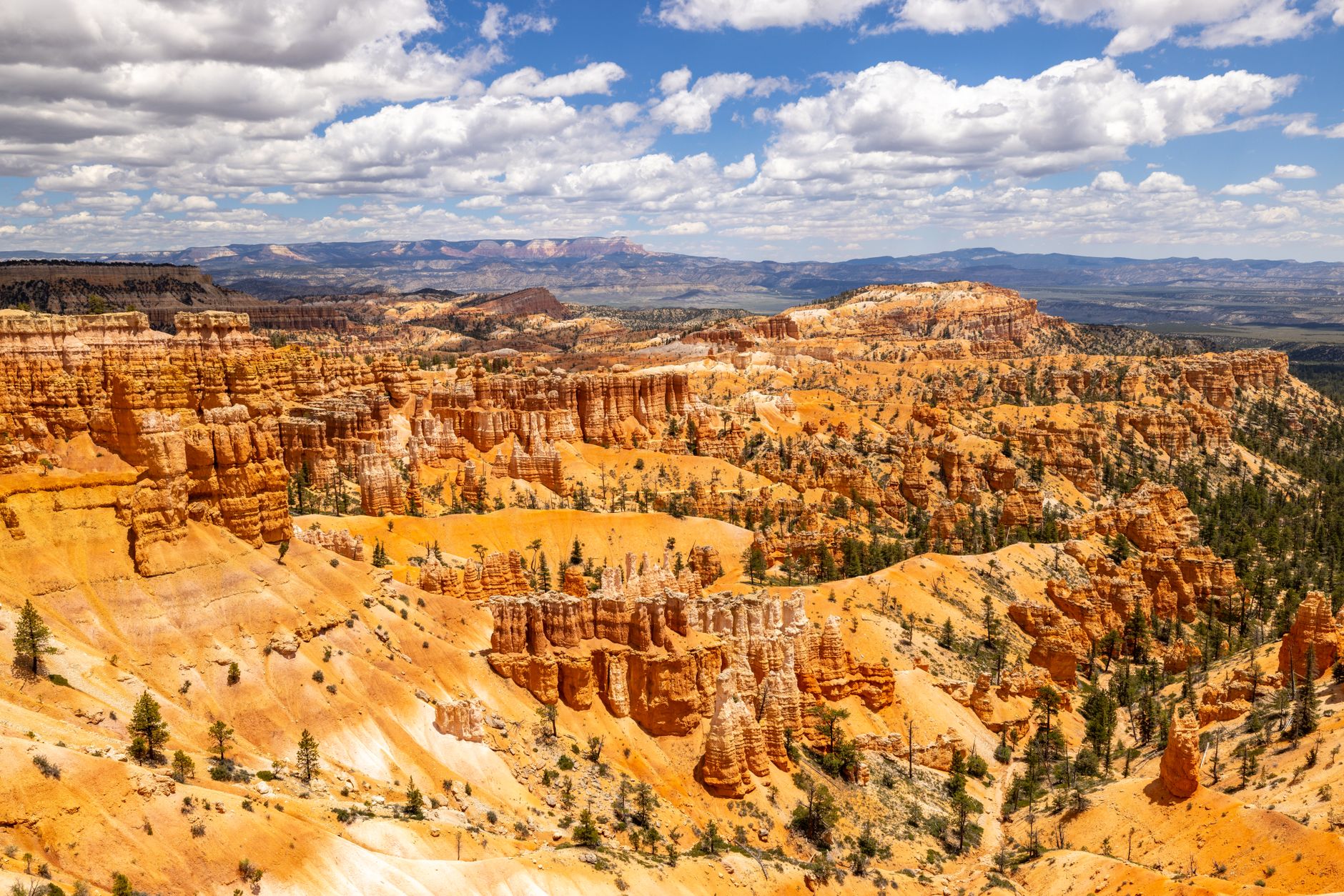
June 22, 2026 · 4 min read
Summer unlocks some of the United States' most spectacular national parks, especially those where high-elevation roads and trails are finally free of snow. This season transforms these landscapes, revealing geological wonders, ancient histories, and vibrant ecosystems that lie dormant through colder months.
Beyond the obvious beauty, each park holds unique stories etched into its rocks, whispered by its winds, or built by human ingenuity. From the engineering marvels that cross mountain passes to the dramatic forces that shaped entire ranges, these parks offer more than just scenic vistas; they offer profound glimpses into Earth's past and present.

1. Glacier National Park: An Engineering Marvel Through the Mountains
Montana, USA
The Going-to-the-Sun Road was considered an impossible feat of engineering, carving a path through a landscape of ancient glaciers and towering peaks.
Completed in 1932, this historic highway traverses the park, showcasing remnants of the massive glaciers that sculpted the land over millennia. Its construction involved innovative techniques to navigate sheer cliffs and deep valleys, revealing layers of rock that document Earth's ancient past. High roads are typically open in summer, offering unparalleled access to this dramatic scenery and its geological narrative.
2. Crater Lake National Park: A Volcanic Heart of Azure Blue
Oregon, USA
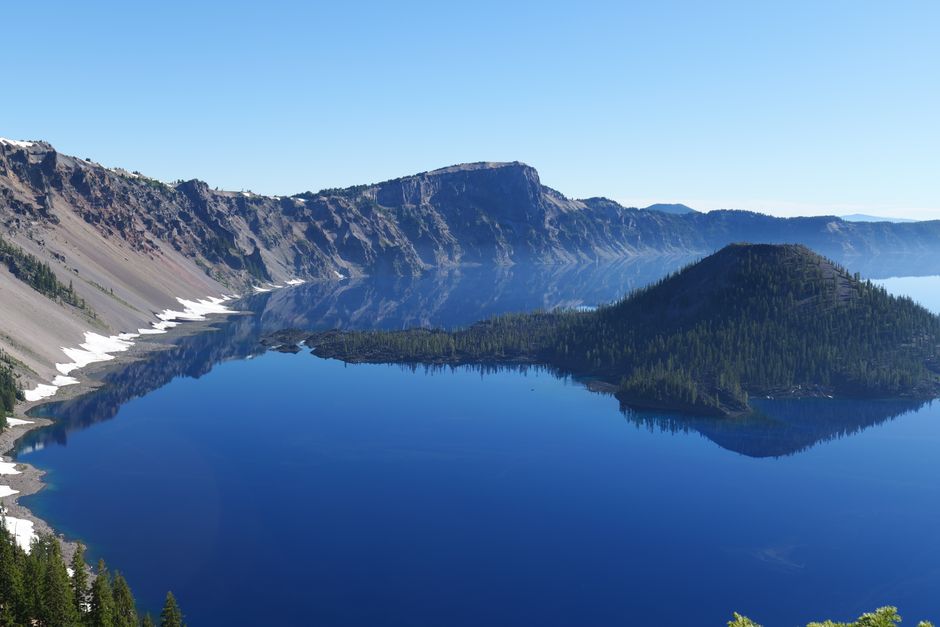
Crater Lake holds some of the purest, deepest water on Earth, resting in the caldera of a volcano that violently collapsed thousands of years ago.
Mount Mazama, once a towering peak, erupted with such force that it emptied its magma chamber, leading to its collapse into a massive caldera. Rain and snowmelt gradually filled this depression, forming the incredibly deep, clear lake we see today. Its pristine waters reflect the surrounding cliffs and the unique Wizard Island, a cinder cone that rose from the lakebed after the main eruption, creating a vivid geological portrait.
3. Olympic National Park: From Temperate Rainforest to Alpine Peaks
Washington, USA
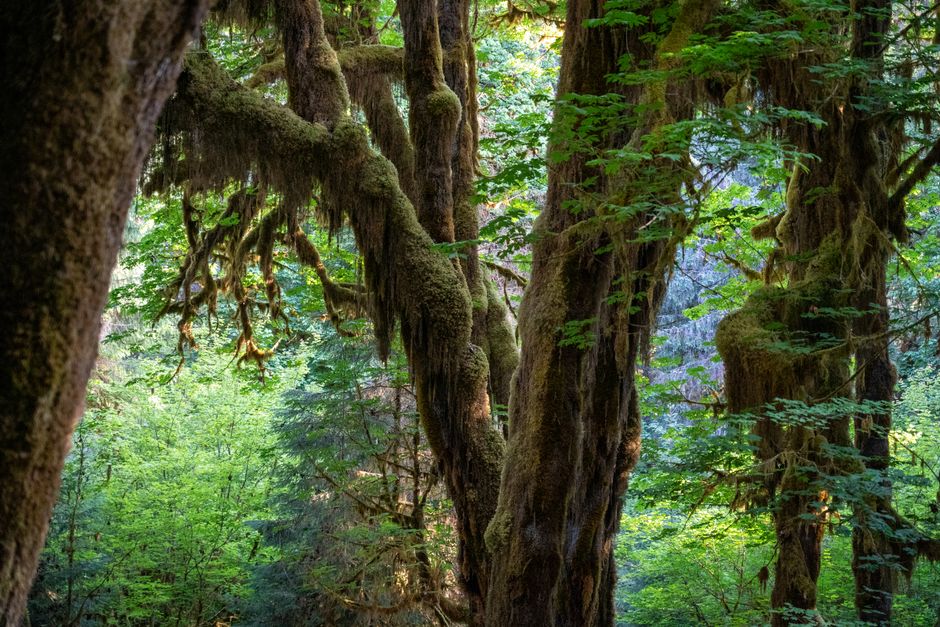
Within a single park, Olympic offers an astonishing journey from lush temperate rainforests to rugged, glacier-capped mountains, all shaped by the Pacific's influence.
The Olympic Peninsula's unique geography, with its towering mountains intercepting moisture-laden air from the Pacific, creates a dramatic rain shadow effect. This results in the verdant Hoh Rainforest, one of the few temperate rainforests in the world, on the western slopes, while just miles away, alpine meadows and peaks reach above the tree line. This extreme ecological diversity is best explored when mountain roads, like those to Hurricane Ridge, are accessible in summer.
4. North Cascades National Park: The 'American Alps' with Glacial Hues
Washington, USA
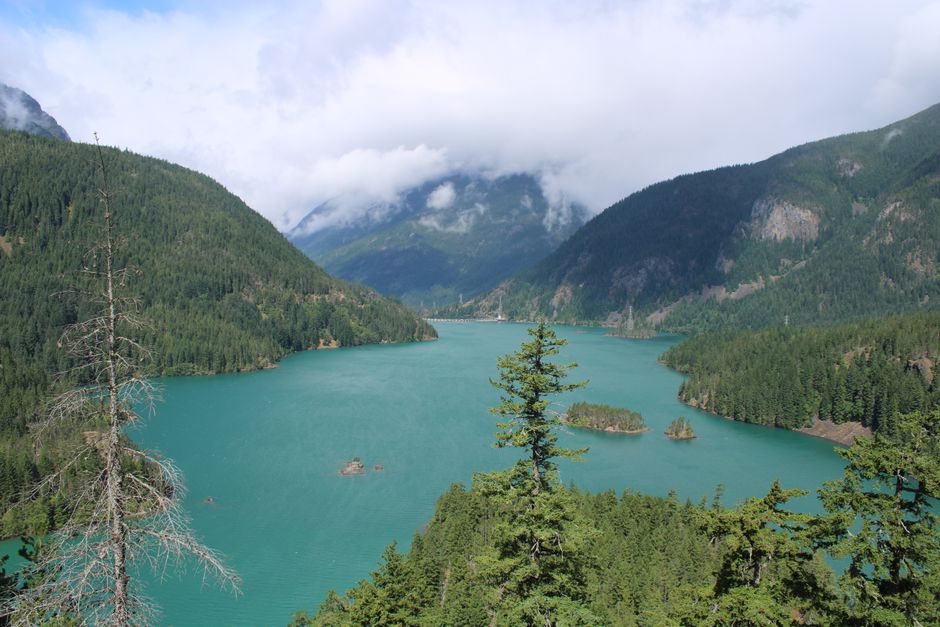
Its iconic turquoise reservoirs get their striking color from 'glacial flour'—finely ground rock particles suspended in the meltwater from hundreds of glaciers.
This rugged wilderness is home to the most glaciers in the contiguous United States, earning it the nickname 'American Alps.' The distinctive, milky turquoise waters of Ross Lake and Diablo Lake are not only beautiful but also a testament to ongoing glacial activity. These reservoirs are part of a significant hydroelectric project, harnessing the power of the mountains while preserving vast tracts of untouched beauty, best seen when high country trails open in summer.
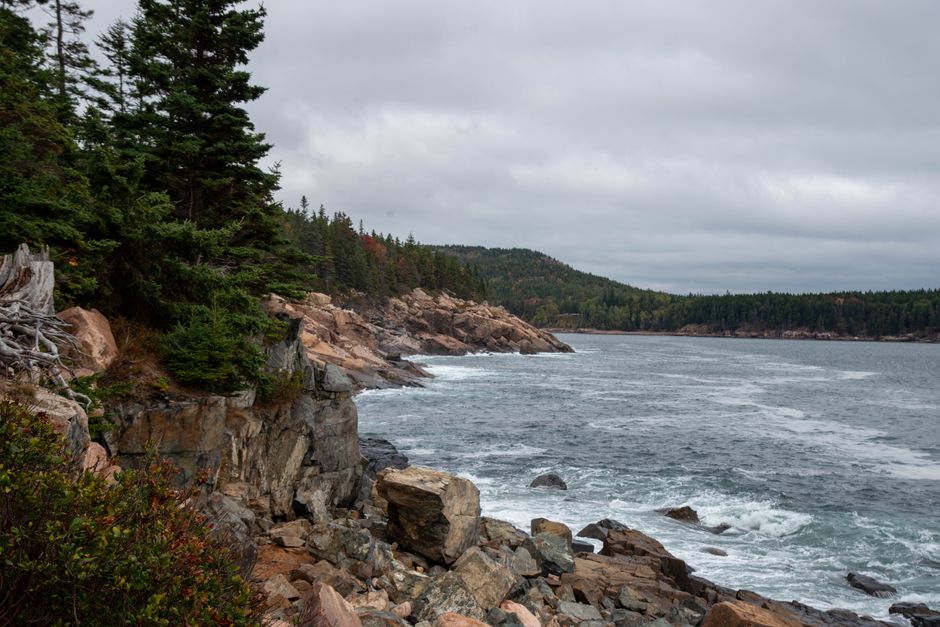
5. Acadia National Park: Where Mountains Meet the Sea in Granite
Maine, USA
Acadia's distinctive granite domes and U-shaped valleys are not just picturesque; they are direct evidence of massive continental glaciers shaping the landscape.
As the only national park in the northeastern United States, Acadia offers a unique blend of rugged coastline, dense forests, and glacially sculpted mountains. During the last ice age, immense ice sheets scoured the land, rounding peaks like Cadillac Mountain and carving out deep coastal inlets. The famous Park Loop Road, accessible throughout summer, winds past these features, revealing the powerful geological forces that shaped this stunning intersection of land and sea.
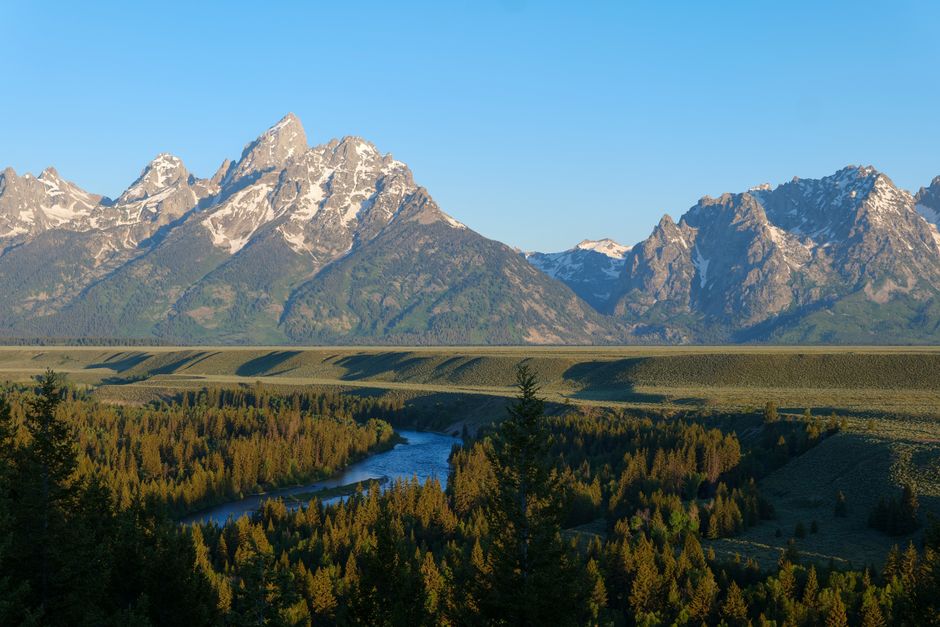
6. Grand Teton National Park: A Young Range with Dramatic Peaks
Wyoming, USA
The Teton Range is one of the youngest mountain ranges in North America, its jagged peaks thrust skyward by immense fault-block action over millions of years.
Unlike many ranges formed by folding, the Tetons rose dramatically along a fault line, with one block of earth uplifting while another dropped. This geological process created their instantly recognizable, sharp, un-eroded peaks that seem to erupt directly from the valley floor. The pristine glacial lakes at their base, like Jenny Lake, offer reflections of this raw, powerful geological history, especially stunning under the summer sun.
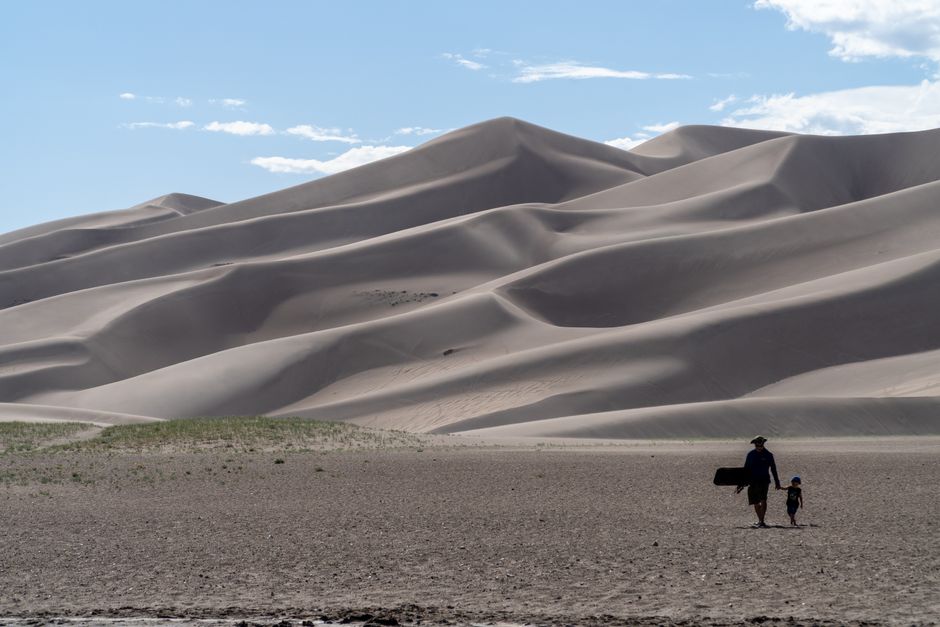
7. Great Sand Dunes National Park: A Desert Mystery Against the Mountains
Colorado, USA
These towering sand dunes, the tallest in North America, are a surprising anomaly, formed by a unique confluence of wind patterns and mountain-fed streams.
Nestled against the Sangre de Cristo Mountains, the massive dunes are not a typical desert feature but a product of millennia of wind carrying sand from the San Luis Valley and depositing it against the mountain barrier. Seasonal streams, like Medano Creek, appear in late spring and early summer, briefly flowing across the sand, transporting and reshaping the dunes in a continuous cycle. Summer allows for prime 'sandboarding' and exploration of this surreal landscape.
Frequently asked questions
What are the best national parks to visit in summer to avoid crowds?
While popular parks see increased visitors, focusing on less-trafficked trails or visiting early in the morning can help. Parks like North Cascades, while stunning, also see fewer visitors than some of the 'big name' parks, offering a more serene experience.
Are national parks accessible in summer?
Summer is generally the most accessible season for many national parks, especially those with high-elevation roads and trails. Mountain passes like Glacier's Going-to-the-Sun Road typically open fully in summer, providing access to areas snowbound for much of the year.
What should I pack for a summer national park trip?
Even in summer, weather can vary wildly in national parks. Pack layers, including a waterproof jacket, sturdy hiking shoes, sun protection (hat, sunscreen), and plenty of water. For higher elevations, expect cooler temperatures, even snow, so be prepared for diverse conditions.
How can AllTours.ai enhance my national park visit?
AllTours.ai transforms your phone into an AI audio tour guide. Simply point your camera at any landscape or landmark within a national park, and the app narrates its history, geology, and cultural significance in your language, providing a deeper understanding of the incredible stories around you.
Related guides
Self-guided audio tours
Walk these places stop by stop — free five-stop story tours you can take at your own pace:
Photography via Pexels. AllTours.ai is an AI audio tour guide — point your camera at any landscape and hear its story.