October 2, 2026 · 4 min read
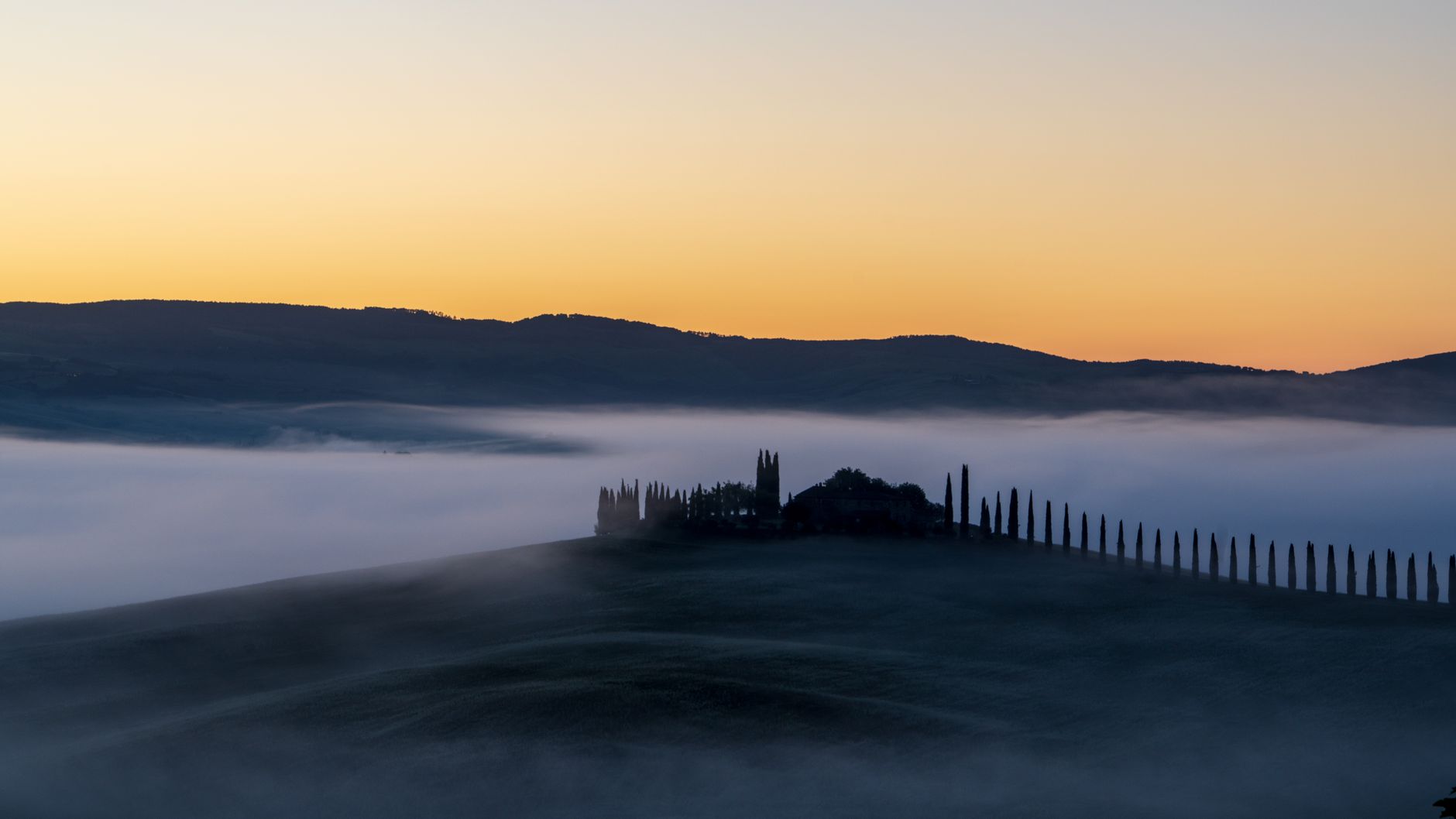
As autumn paints the Tuscan landscape with hues of gold and crimson, a profound tradition awakens: the annual wine harvest. This isn't merely about picking grapes; it's a celebration deeply woven into the region's history, culture, and very soil. While iconic names like Chianti and Brunello often come to mind, Tuscany's viticultural story extends far beyond the well-trodden paths, into ancient villages and surprising corners where unique narratives unfold.
This season offers an unparalleled chance to connect with the land and its people, witnessing generations-old techniques and tasting the fruits of dedicated labor. Beyond the bustling festivals, discover the intriguing tales hidden within the vineyards and cellars of lesser-known locales, where every stone and every vine holds a piece of Tuscany's enduring legacy.
1. Carmignano: The Medici's French Connection
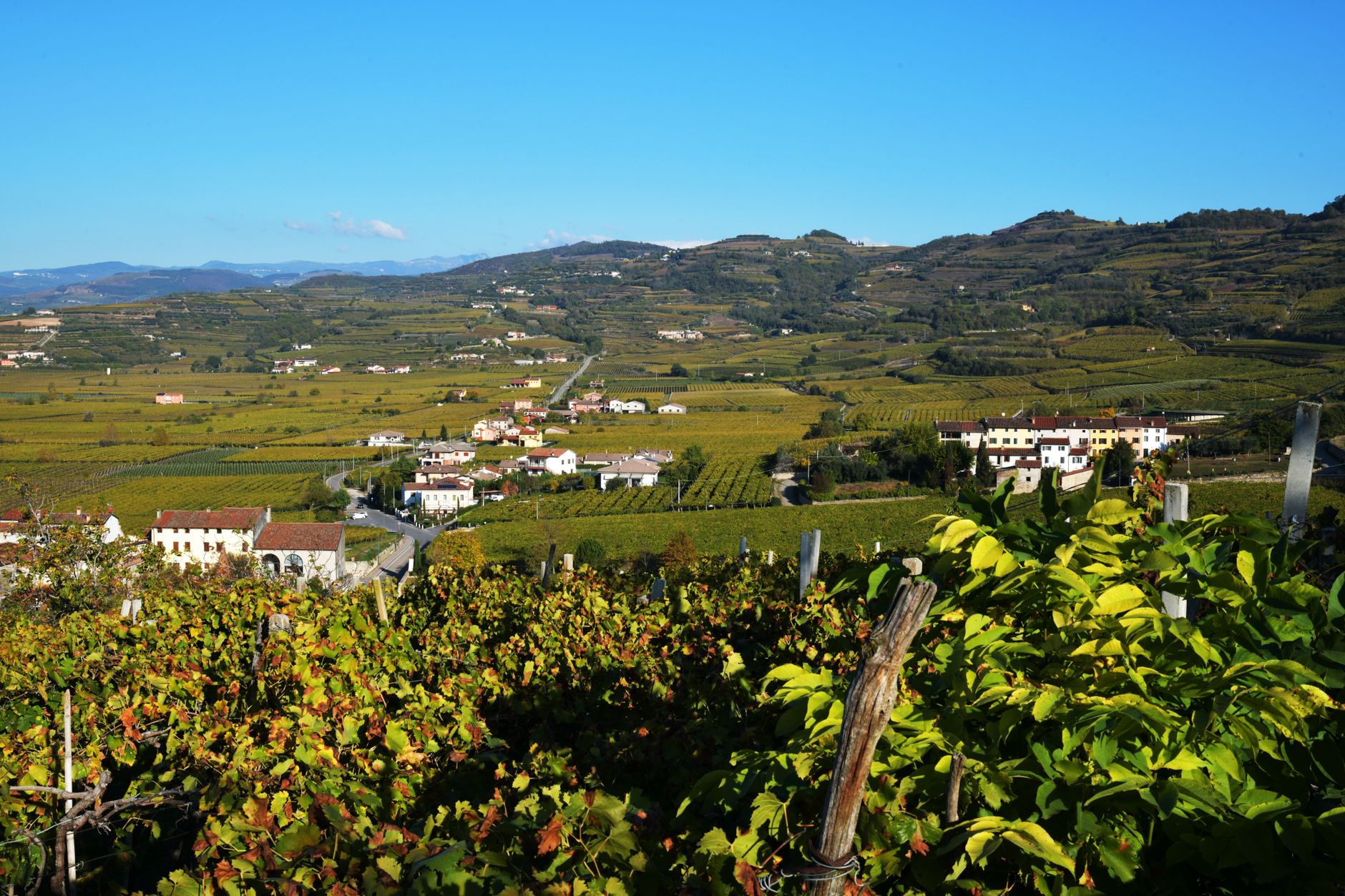
Carmignano, Italy
The Medici family, centuries ago, introduced French Cabernet Sauvignon grapes to Carmignano, influencing its unique Sangiovese blends.
Carmignano holds a unique place in Tuscan wine history, recognized as a distinct wine region even before Chianti Classico. Records from the 18th century show that the powerful Medici family actively promoted the cultivation of 'French' grape varieties like Cabernet Sauvignon here. This ancient blending tradition continues today, giving Carmignano's Sangiovese-dominated wines a distinctive structure and complexity that sets them apart from other Tuscan reds.
2. Pitigliano: Wine from Tufa Caves
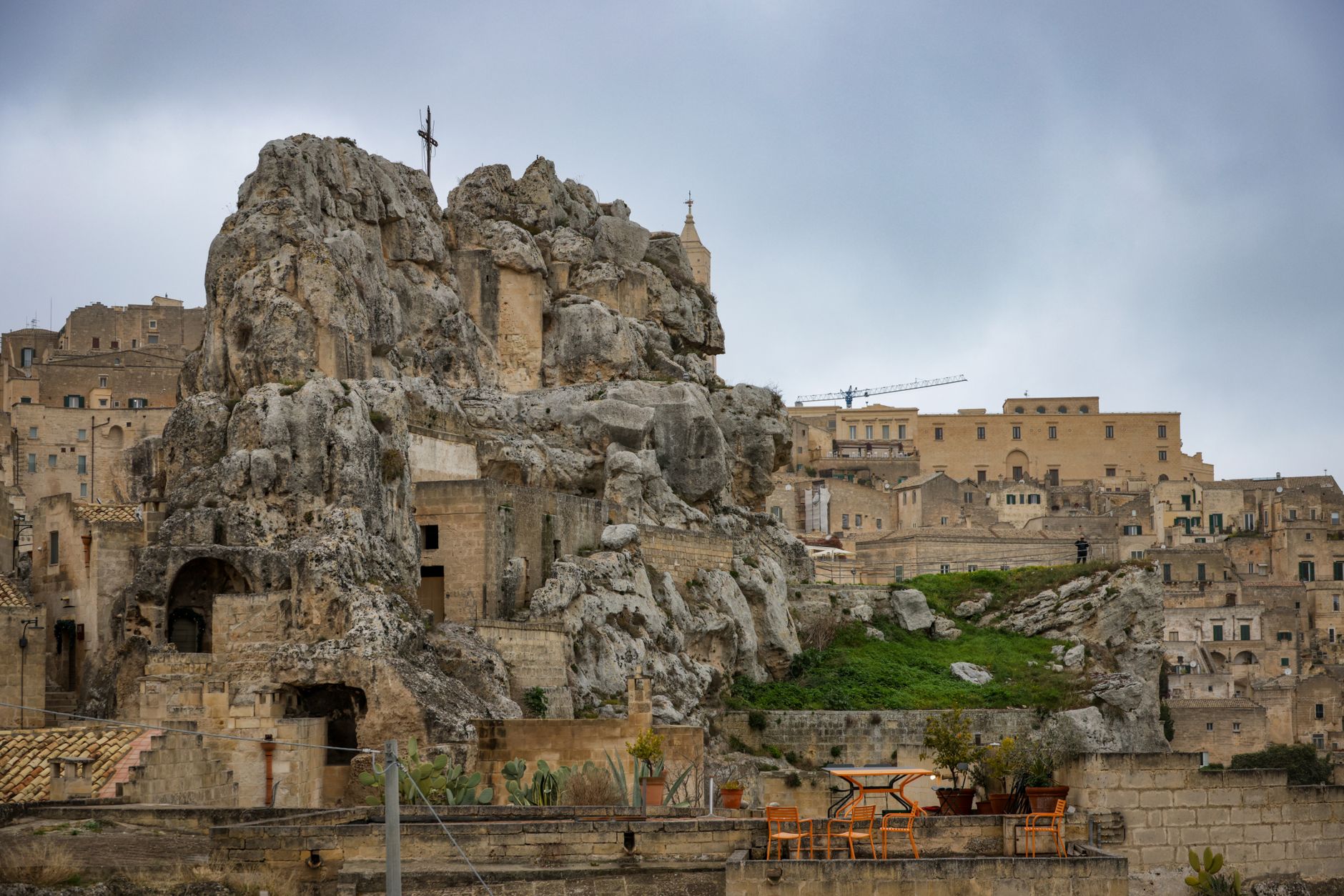
Pitigliano, Italy
This 'Little Jerusalem' of Tuscany boasts ancient wine cellars carved directly into its volcanic tufa rock, preserving a unique winemaking heritage.
Perched atop a dramatic tufa cliff, Pitigliano is known for its remarkable architecture and a rich Jewish history that earned it the nickname 'Little Jerusalem.' Beneath the charming streets, a labyrinth of Etruscan and medieval caves, carved into the soft volcanic rock, serves as natural cellars. These cool, damp spaces are ideal for aging Pitigliano's crisp white wine, Bianco di Pitigliano, connecting its unique geology directly to its viticulture.
3. Montecarlo di Lucca: The Other Montecarlo's Grapes
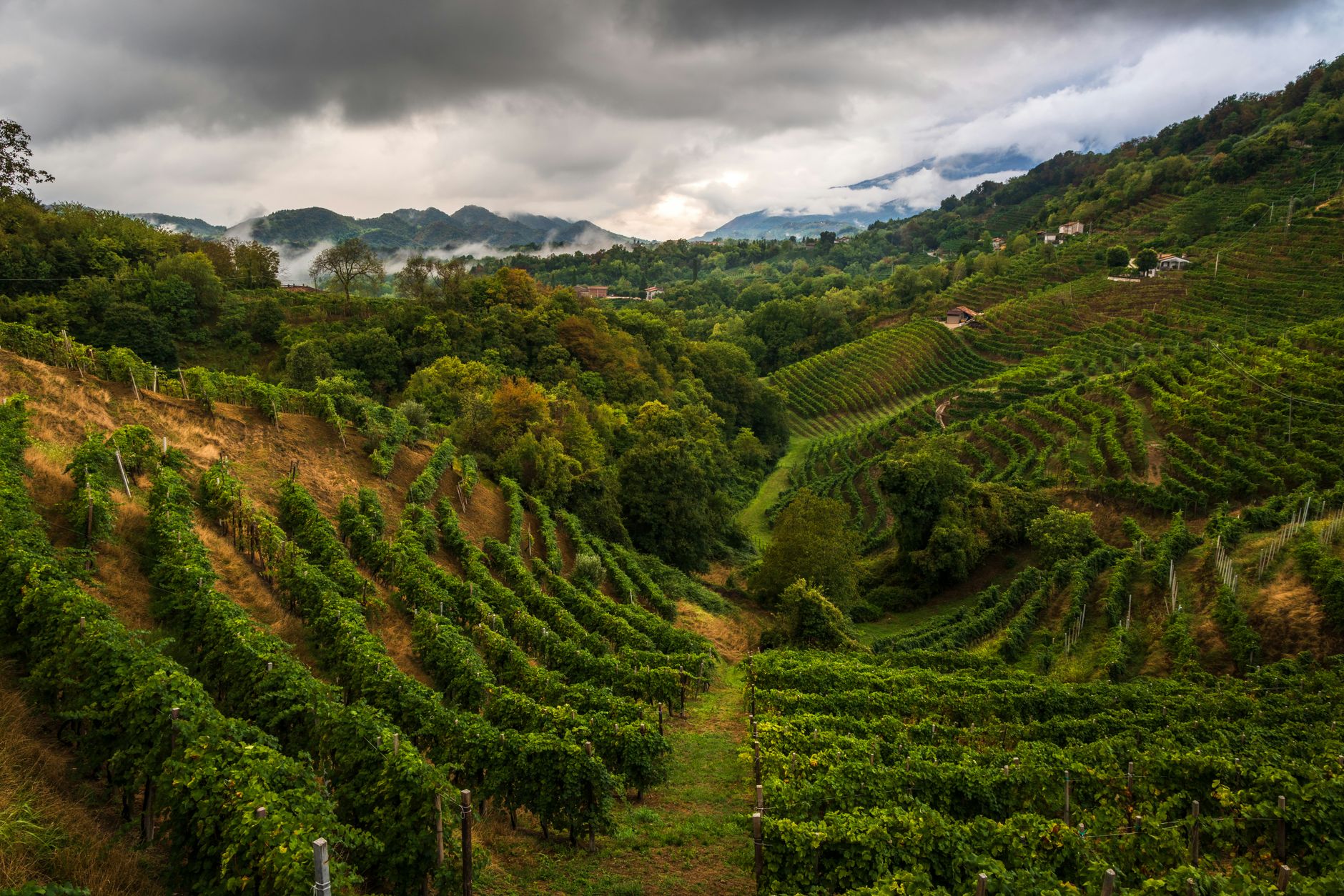
Montecarlo, Italy
This Tuscan village, not the principality, has a centuries-old winemaking tradition, cultivating unique grape varieties with surprising French origins.
Far from the glitz of Monaco, Montecarlo in Tuscany boasts a winemaking legacy dating back to the 14th century, even having its own 'Montecarlo' grape. Legend claims French grape varieties were brought here by a local nobleman returning from France in the 17th century, thriving in the microclimate. Today, the area is celebrated for its distinctive white blends, often featuring Trebbiano Toscano and Vermentino, alongside reds, reflecting a deep, continuous history of viticultural innovation.
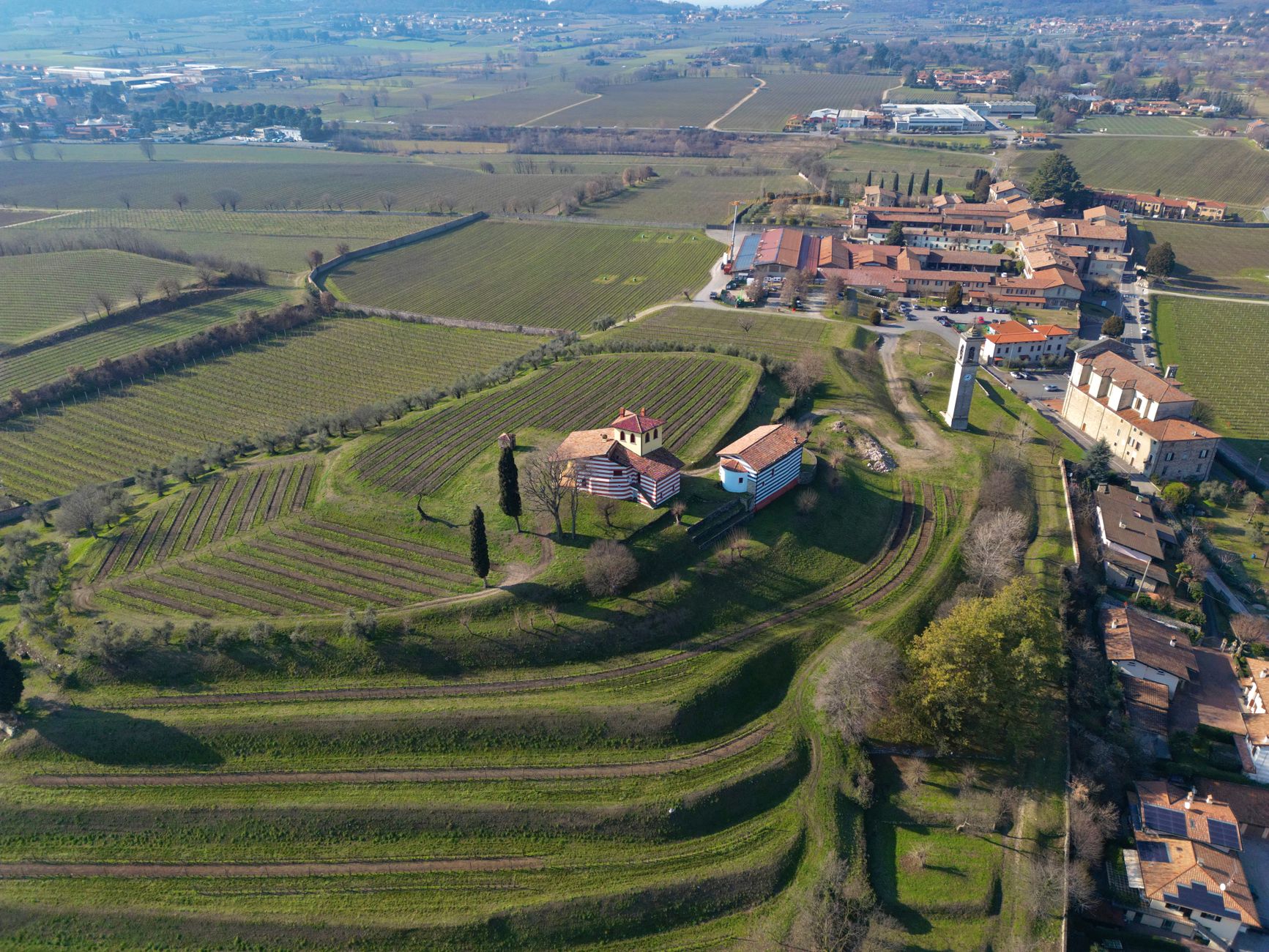
4. Scansano: The Horse's Wine
Scansano, Italy
The robust Morellino di Scansano wine from the Maremma region is named after the local 'morello' horses, historically crucial to the area.
Nestled in the wild Maremma region, Scansano is home to Morellino di Scansano, a captivating red wine predominantly made from Sangiovese grapes. The name 'Morellino' is a tender tribute to the 'morello' horses, a dark-coated local breed that once roamed these lands and were vital for agriculture and transport. This historical connection speaks to the rugged, authentic character of the Maremma, a region transformed from marshlands into a vibrant agricultural and winemaking landscape.
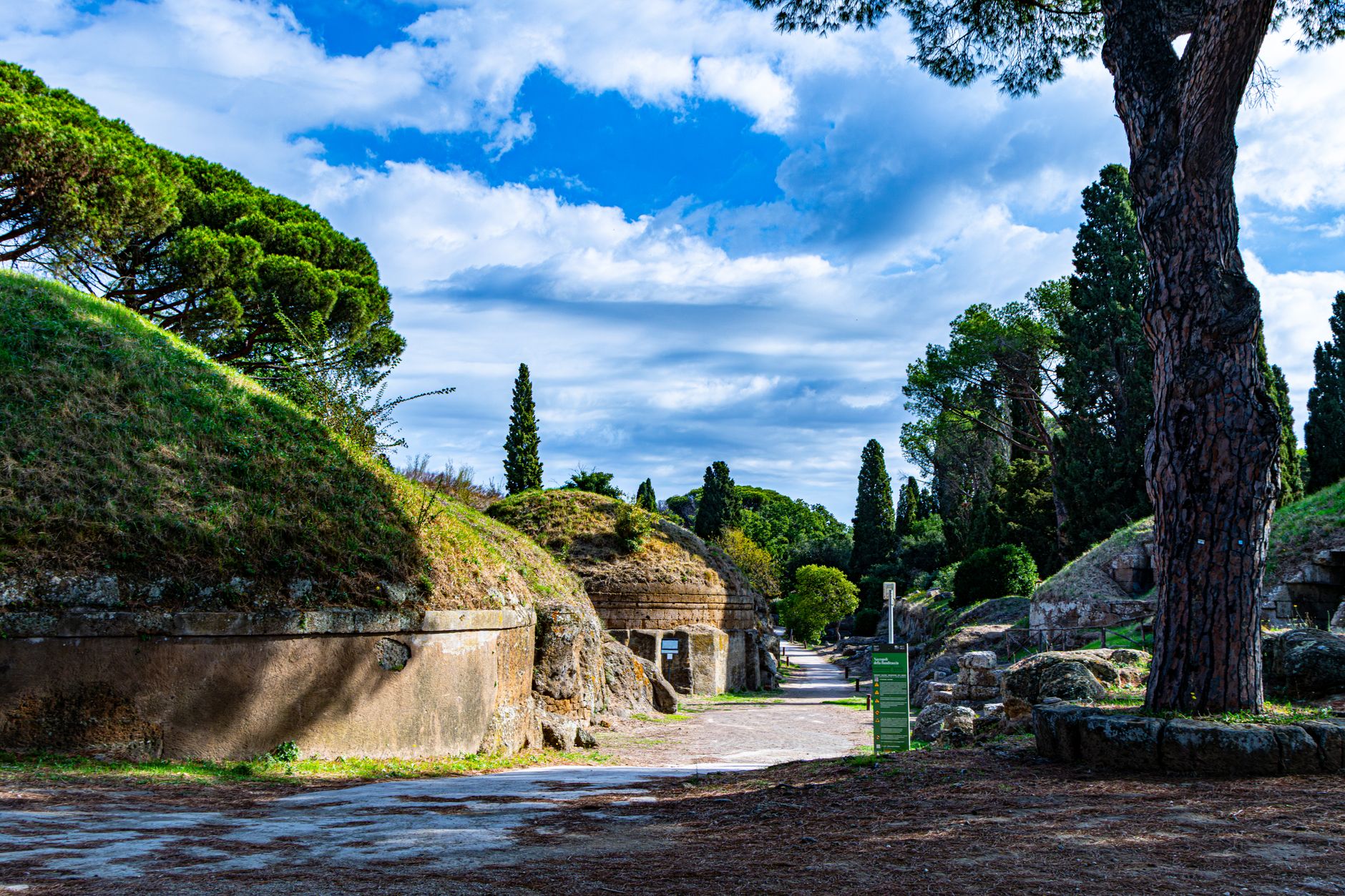
5. Sovana: Etruscan Tombs as Cellars
Sovana, Italy
In this ancient Etruscan village, some of the very tombs carved into the tufa rock were later repurposed as cool, natural wine cellars.
Sovana, a captivating ghost town, stands as a testament to Etruscan civilization, featuring an impressive necropolis carved into the tufa cliffs. Over centuries, some of these ancient burial chambers and cave systems found a new life. Their consistently cool temperatures and humidity made them ideal for storing and aging wine, connecting the area's deep historical past with its viticultural present in a truly unique way. Exploring these subterranean passages reveals layers of human ingenuity and adaptation.
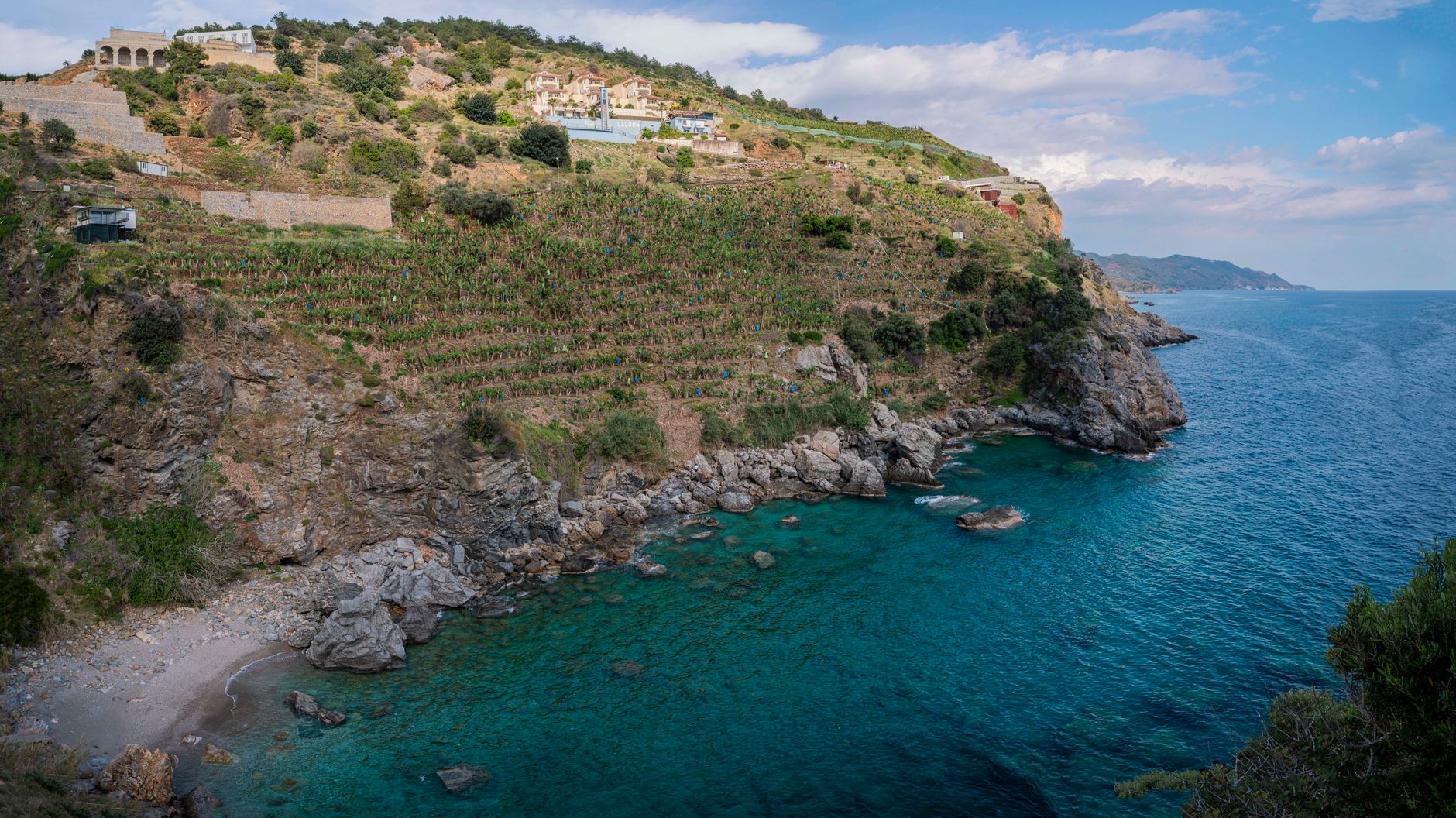
6. Montescudaio: Sea-Kissed Hilltop Harvests
Montescudaio, Italy
This medieval hilltop village, surprisingly close to the Tyrrhenian Sea, produces unique wines influenced by the coastal microclimate and ancient monastic traditions.
Montescudaio, a charming medieval borgo, offers panoramic views stretching to the nearby Tyrrhenian Sea, a crucial element in its distinctive viticulture. The sea breezes temper the summer heat and provide unique humidity, fostering a microclimate ideal for its DOC wines. Historically, winemaking here was nurtured by Benedictine monks, who perfected techniques that continue to influence the region's production of elegant reds and crisp whites, a testament to centuries of harmonious interaction with nature.
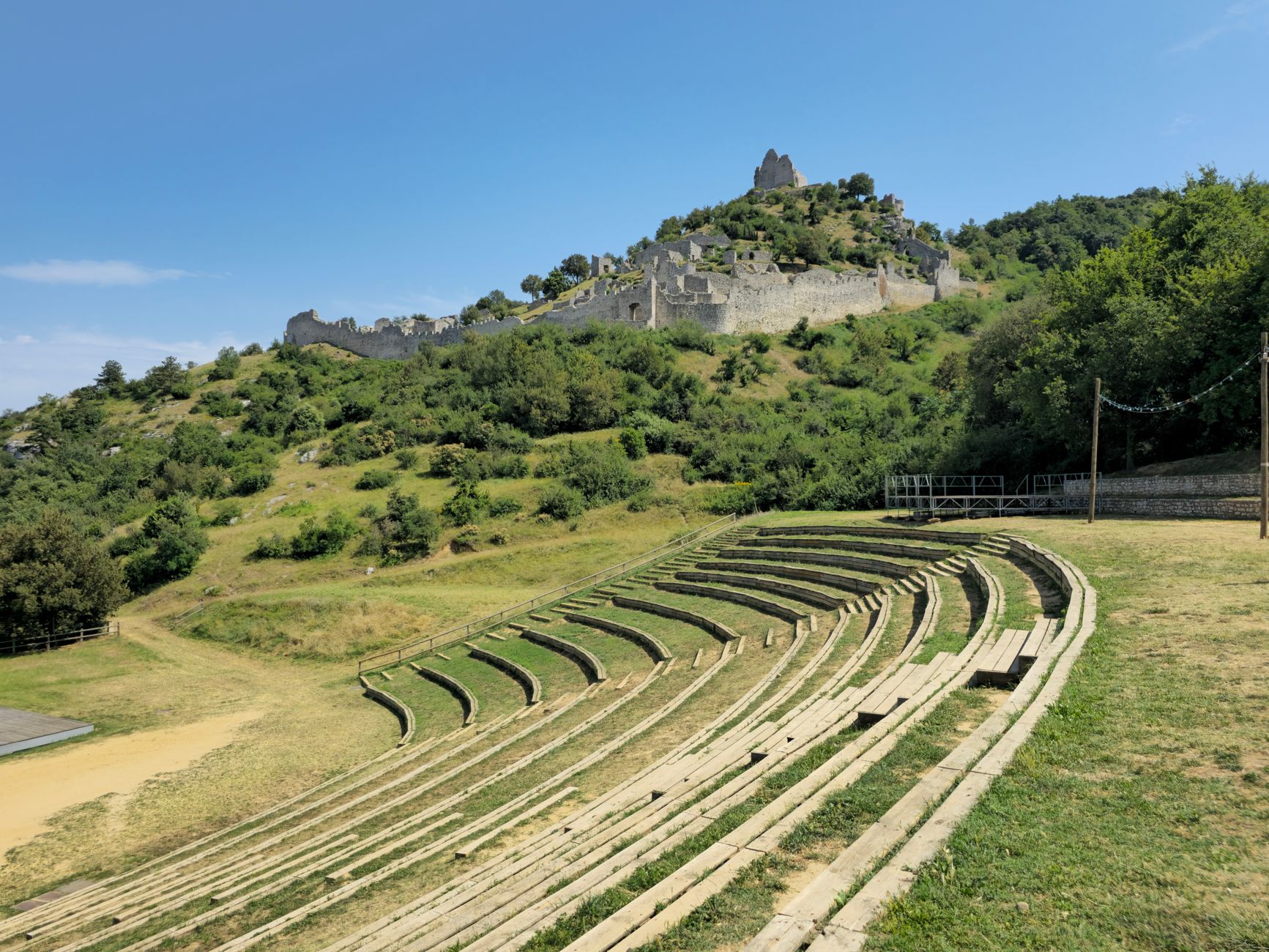
7. Volpaia: The Fortified Wine Village
Volpaia, Italy
Volpaia is not just a village; it's a meticulously preserved medieval fortified hamlet that functions almost entirely as a single organic wine and olive oil estate.
High in the Chianti Classico hills, Volpaia is a living, breathing testament to medieval Tuscan life, almost entirely owned and operated by the Mazzei family as a renowned organic wine and olive oil estate. The ancient castle and its surrounding buildings house cellars, bottling plants, and tasting rooms, seamlessly integrating modern production with historical architecture. This unique setup allows visitors to experience the entire lifecycle of wine, from grape to bottle, within the walls of a thousand-year-old village, embodying a true sense of place and tradition.
Frequently asked questions
Do I need to book vineyard tours in advance during autumn?
Yes, absolutely. Autumn is peak season for wine tourism in Tuscany, especially around harvest time. Vineyards and local festivals can get very busy, so booking vineyard tours, tastings, and accommodation well in advance is highly recommended to secure your spot.
Are there non-wine activities to enjoy in Tuscany during autumn?
Beyond wine, autumn in Tuscany is perfect for truffle hunting, especially in areas like San Miniato. It's also ideal for exploring medieval hill towns, enjoying seasonal culinary delights, and hiking or cycling amidst the stunning fall foliage.
How can AllTours.ai enhance my visit to Tuscany's wine regions?
AllTours.ai acts as your personal AI audio guide. Simply point your phone camera at a vineyard, a historic village, or even a specific landmark, and the app will instantly narrate its unique history, geology, and cultural significance in your preferred language, offering deep insights into the stories behind the Tuscan landscape.
Related guides
Self-guided audio tours
Walk these places stop by stop — free five-stop story tours you can take at your own pace:
Photography via Pexels. AllTours.ai is an AI audio tour guide — point your camera at any landscape and hear its story.