September 15, 2026 · 4 min read
The recent fire aboard the MV June Aster in the Philippines is a stark reminder that even routine travel can present unforeseen challenges. While dramatic incidents capture headlines, the everyday traveler often faces more subtle risks, from navigating unfamiliar terrain to understanding local customs that might impact safety. Being a truly prepared traveler means looking beyond the obvious, seeking out the deeper context of the places you visit.
True preparedness isn't just about packing a first-aid kit; it's about informed curiosity. It's about understanding the unique geology that shaped a landscape, the hidden history that defines a culture, or the environmental factors that can turn a beautiful vista into a dangerous situation. Let's explore some lesser-known wonders around the globe, each with a remarkable story that underscores the importance of local knowledge and awareness.
1. The Secret Underground City
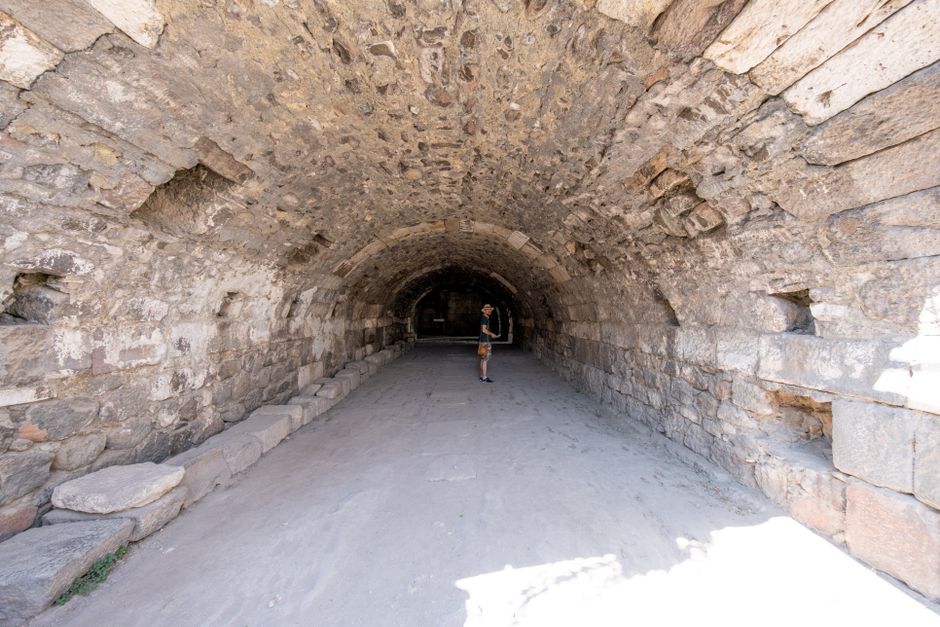
Derinkuyu, Turkey
This ancient multi-level city, carved deep into the earth, could once shelter 20,000 people along with their livestock and food supplies.
Beneath the Cappadocian plains lies Derinkuyu, a sprawling subterranean complex reaching over 60 meters deep. In ancient times, it served as a refuge for early Christians fleeing persecution, complete with churches, stables, and ventilation shafts. Exploring its narrow, winding passages requires an awareness of confined spaces and a respect for the engineering marvel that protected its inhabitants for centuries from external threats.

2. The Desert's Moving Stones
Racetrack Playa, Death Valley, USA
Heavy rocks weighing hundreds of pounds mysteriously slide across the dry lakebed, leaving long trails without any visible human or animal intervention.
Racetrack Playa is a flat, dry lakebed in one of the hottest places on Earth. The 'sailing stones' phenomenon was a geological enigma for decades until research revealed that rare winter conditions – a thin layer of ice on the playa, combined with light winds – cause the rocks to move. Visiting requires extreme desert preparedness, including ample water and knowledge of remote travel, as the environment offers no mercy for the unprepared.
3. The Fiery Gateway to the Underworld
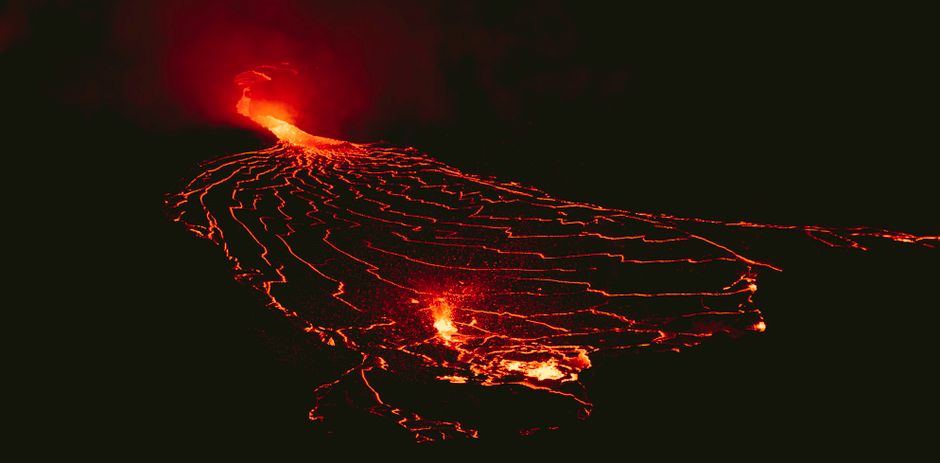
Darvaza Gas Crater, Turkmenistan
This colossal crater has been burning continuously for over five decades, accidentally ignited by Soviet geologists.
In 1971, Soviet engineers drilling for natural gas caused a cavern to collapse, creating a large crater that began to leak methane. To prevent the spread of the toxic gas, they decided to set it alight, expecting it to burn off in a few weeks. It's been burning ever since, a mesmerizing yet stark reminder of human impact on the environment. Accessing this remote site requires careful planning, a robust vehicle, and awareness of the harsh desert conditions.
4. The Giant's Melodious Cave
Isle of Staffa, Scotland
Fingal's Cave, on this uninhabited island, is famed for its natural acoustics and dramatic hexagonal basalt columns, formed by ancient volcanic flows.
Part of the same geological formation as Northern Ireland's Giant's Causeway, Staffa is a wild, rugged island accessible mainly by boat. The cave's unique structure amplifies the sound of the waves, creating an ethereal, organ-like melody. Travelers must contend with unpredictable North Atlantic weather and sea conditions, and often disembark onto slippery, uneven basalt steps, emphasizing the need for appropriate gear and respect for nature's raw power.
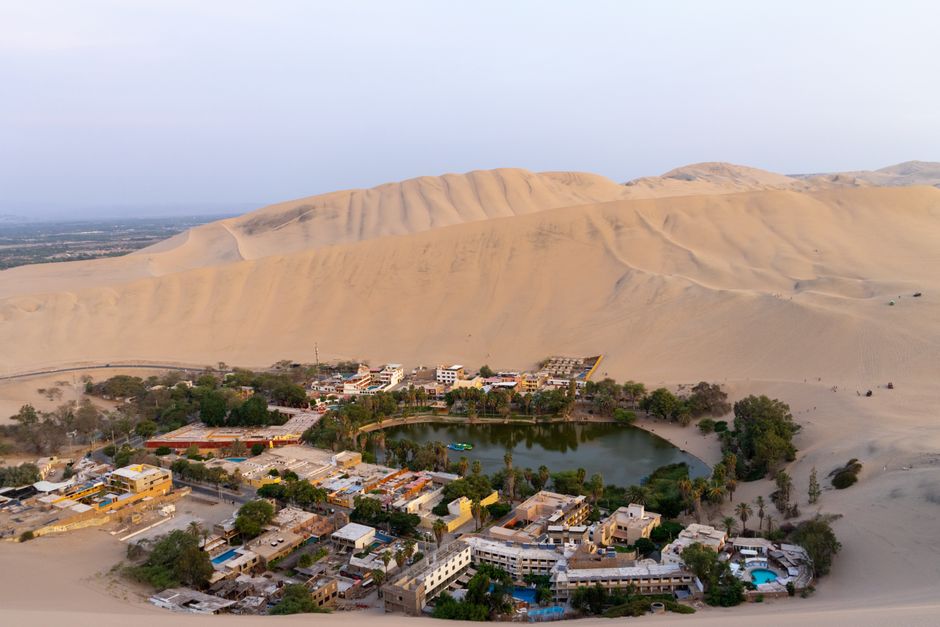
5. The Oasis in the Dunes
Huacachina, Peru
A genuine natural oasis, surrounding a lagoon with emerald-green waters, exists amidst towering sand dunes in the heart of the Ica desert.
Huacachina is a tiny village built around one of the last natural oases in North and South America. Local legends tell of a beautiful princess who bathed here, and her tears formed the lagoon. Today, it's a popular spot for sandboarding and dune buggy rides. While seemingly idyllic, the desert environment demands respect: extreme temperatures, risk of getting lost in the dunes, and the fragility of the oasis's water source are critical considerations for visitors.
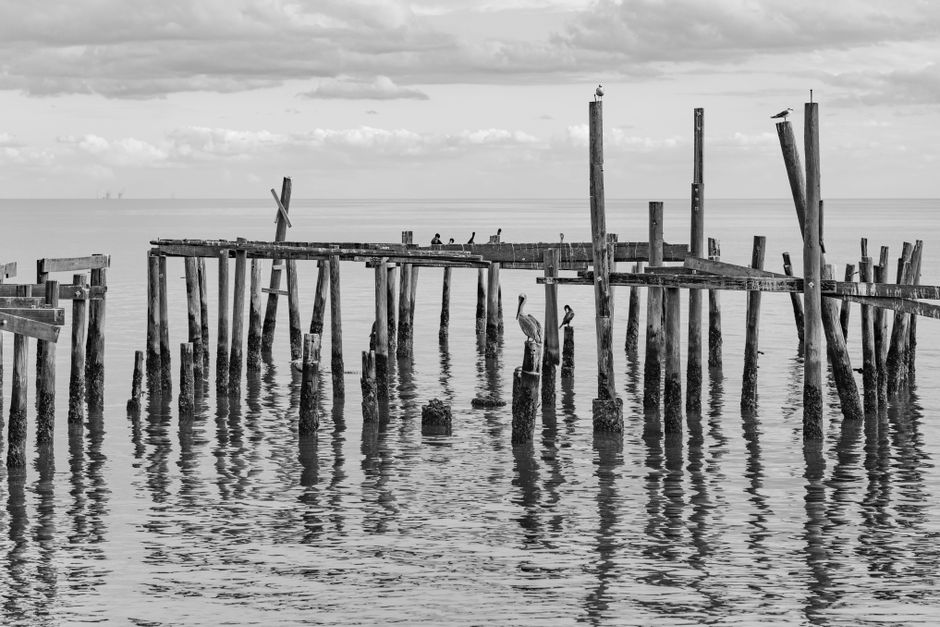
6. America's Accidental Toxic Sea
Salton Sea, California, USA
Once envisioned as a thriving resort, this vast inland lake is now an ecological disaster, its receding waters revealing an eerie landscape of dead fish and abandoned towns.
The Salton Sea was formed accidentally in 1905 when the Colorado River breached an irrigation canal. For decades, it was a popular tourist destination, but without an outlet, its salinity and pollution levels soared, leading to a massive die-off of fish and birds. Visiting requires an understanding of environmental hazards, including poor air quality from dust and decaying organic matter. It's a somber lesson in unintended consequences and ecological fragility.
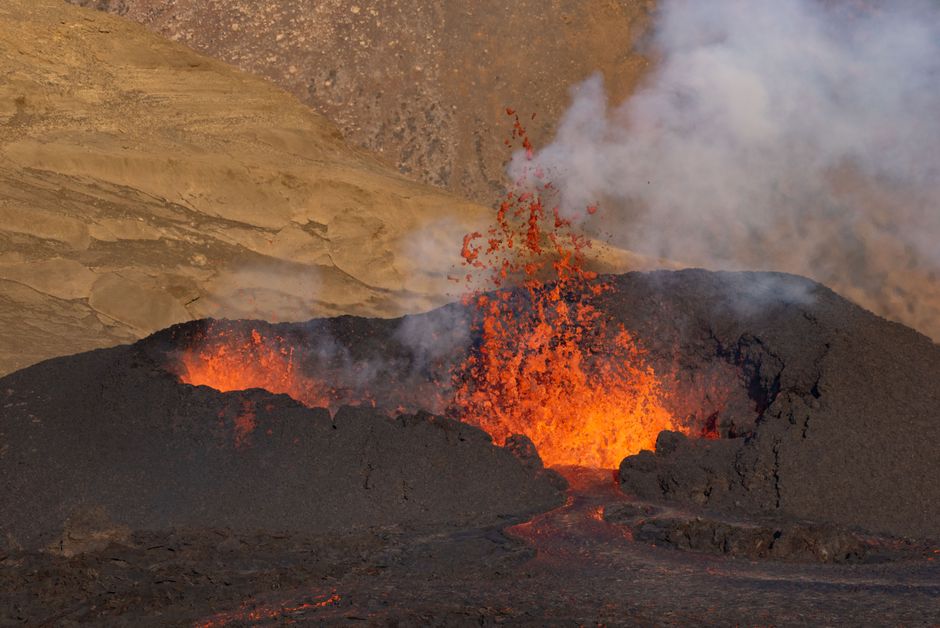
7. The Youngest Island on Earth
Surtsey Island, Iceland
This island emerged from the North Atlantic in a violent volcanic eruption that lasted over three years, making it one of the newest landmasses on the planet.
Surtsey formed between 1963 and 1967. Since its birth, it has been a strictly protected natural reserve, accessible only to a few scientists who study how life colonizes a barren new landmass. Its very existence is a testament to the Earth's dynamic geological forces. While off-limits to general tourists, Surtsey highlights the ongoing power of volcanic activity in Iceland, a crucial consideration for any traveler exploring the country's active landscapes.
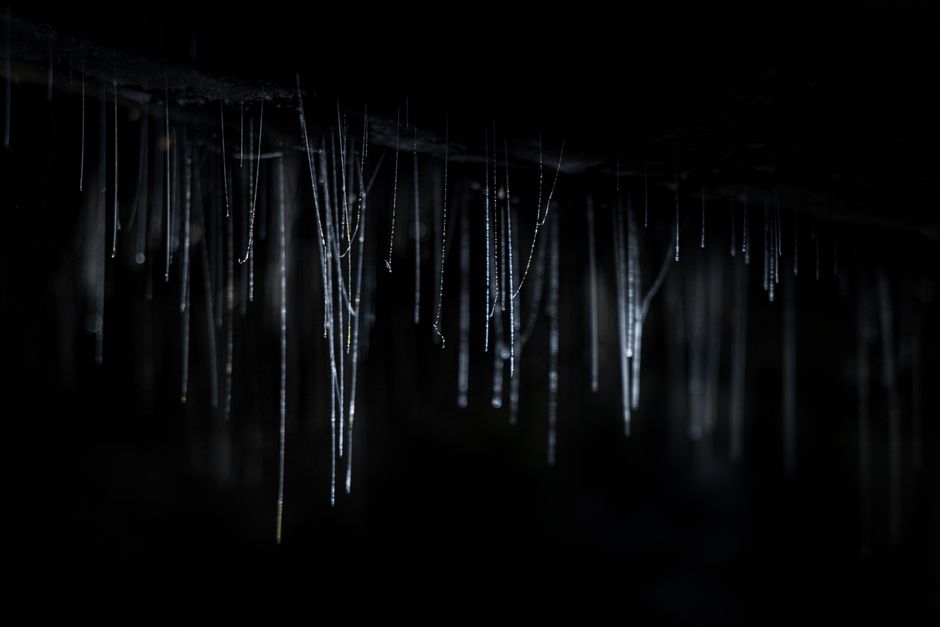
8. The Bioluminescent Cathedral
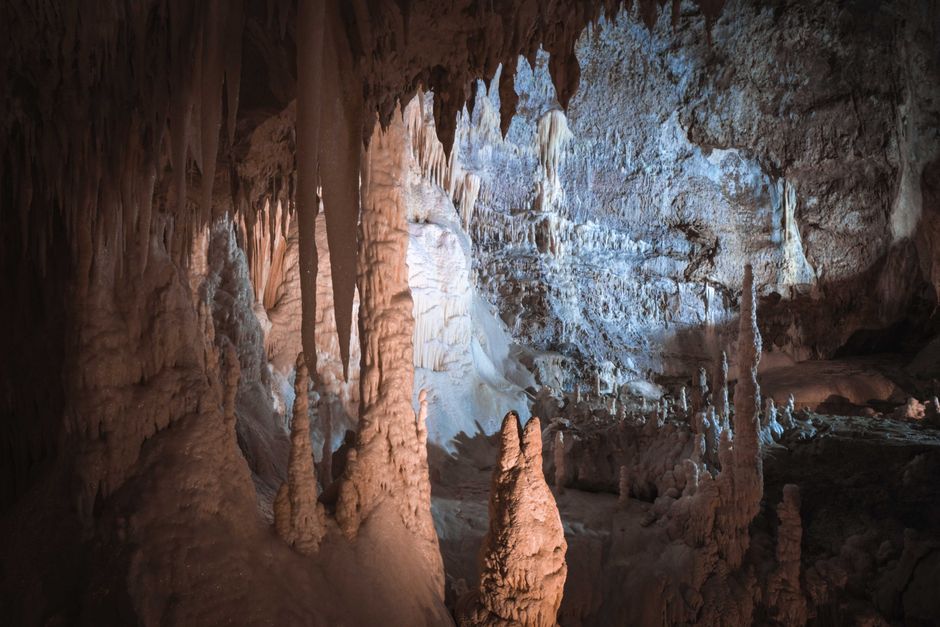
Waitomo Glowworm Caves, New Zealand
Millions of tiny glowworms (Arachnocampa luminosa) illuminate the dark subterranean chambers, creating a celestial spectacle akin to a starry night sky underground.
Beneath the rolling green hills of New Zealand's North Island, a complex network of limestone caves houses a unique ecosystem. The glowworms, native only to New Zealand, hang from the cave ceilings, using their bioluminescent light to attract prey. Exploring these delicate caves often involves silent boat rides through dark passages, emphasizing the need for respectful behavior to preserve the fragile environment and ensure the safety of all visitors in the subterranean darkness.
Frequently asked questions
How can I research safety for lesser-known travel destinations?
Always consult official government travel advisories, read recent traveler reviews, and look for local tourism board information. Pay attention to warnings about local weather patterns, political stability, and specific environmental hazards. Local blogs or forums can also offer ground-level insights.
What's the most important precaution for remote travel?
For remote destinations, self-sufficiency and communication are paramount. Carry extra food, water, and fuel. Inform someone of your itinerary and expected return time. Ensure your vehicle is in top condition, and consider carrying a satellite phone or emergency beacon if cell service is unreliable.
How can I be respectful of local customs and environmental sensitivities?
Research local etiquette regarding dress, photography, and social interactions before you go. For natural sites, stick to marked trails, avoid disturbing wildlife, and pack out everything you pack in. Always ask for permission before photographing people, and be mindful of noise levels in quiet areas.
How does the AllTours.ai app help travelers understand new places?
AllTours.ai uses your phone's camera to identify landmarks and landscapes, then narrates their history, geology, and culture in your preferred language, offering instant, informed context to any place you visit. This deep understanding can highlight subtle cues about a location's nature, helping you travel more safely and respectfully.
Related guides
Self-guided audio tours
Walk these places stop by stop — free five-stop story tours you can take at your own pace:
Photography via Pexels. AllTours.ai is an AI audio tour guide — point your camera at any landscape and hear its story.