September 18, 2026 · 4 min read
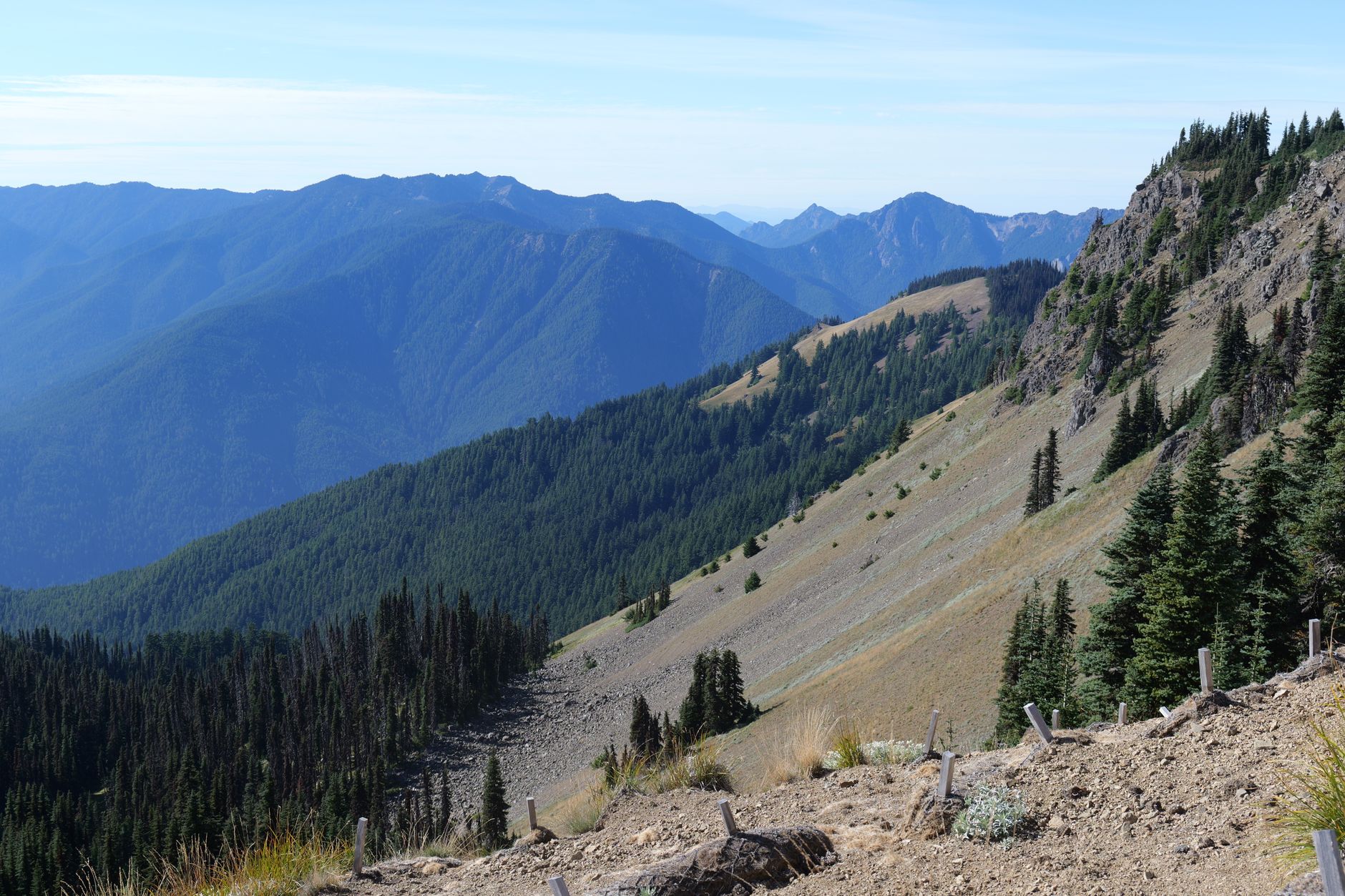
Olympic National Park looms large on the Pacific Northwest horizon, a UNESCO World Heritage site renowned for its staggering biodiversity and dramatic landscapes. Most visitors flock to iconic spots like Hurricane Ridge or the Hoh Rainforest, capturing postcard-perfect views. But beneath the well-trodden paths lies a deeper, richer Olympic, waiting to reveal its secrets.
This wilderness holds countless untold stories: a mountain carved by ancient ice, a river reborn after a century, or a forgotten village preserved by mud. To truly understand Olympic, you must venture beyond the obvious. Here's what you need to know before hiking in Olympic National Park, focusing on the hidden gems that reveal its true character.
1. The Glacial Sculpture of Pyramid Peak
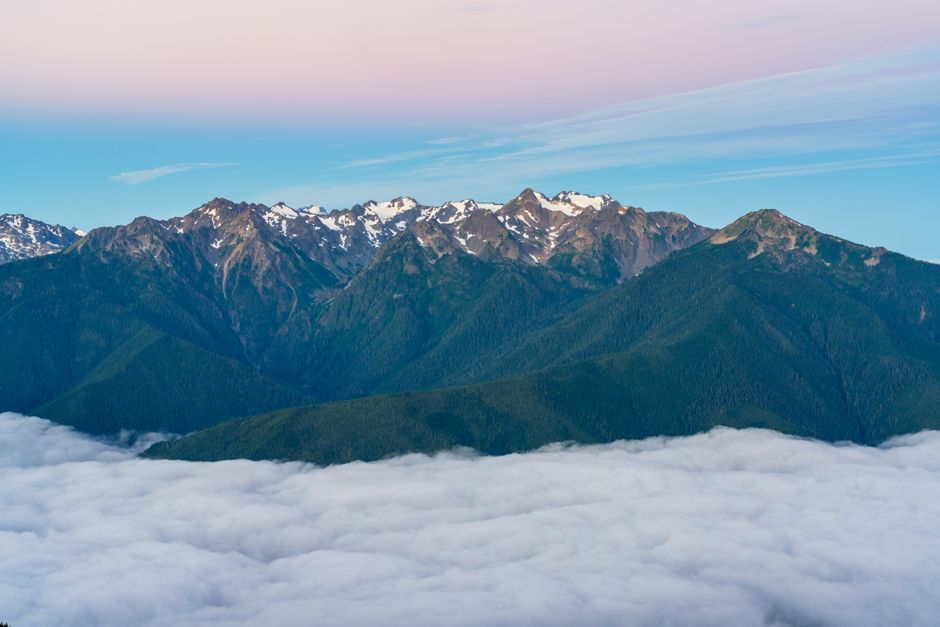
Pyramid Peak, Olympic National Park, USA
This mountain's distinctive shape isn't just descriptive; it's a direct relic of immense glacial power that once sculpted the entire peninsula.
While less frequented than its loftier neighbors, the trail to Pyramid Peak offers a unique geological narrative. The sharp, triangular form of the peak itself is a classic example of a "horn," a mountain peak eroded by glaciers on multiple sides. Gaze upon its slopes and imagine colossal ice sheets slowly grinding away rock, leaving behind this dramatic testament to a frozen past. It’s a vivid reminder of the forces that shaped much of the Olympic landscape.
2. Witnessing the World's Largest Spruce
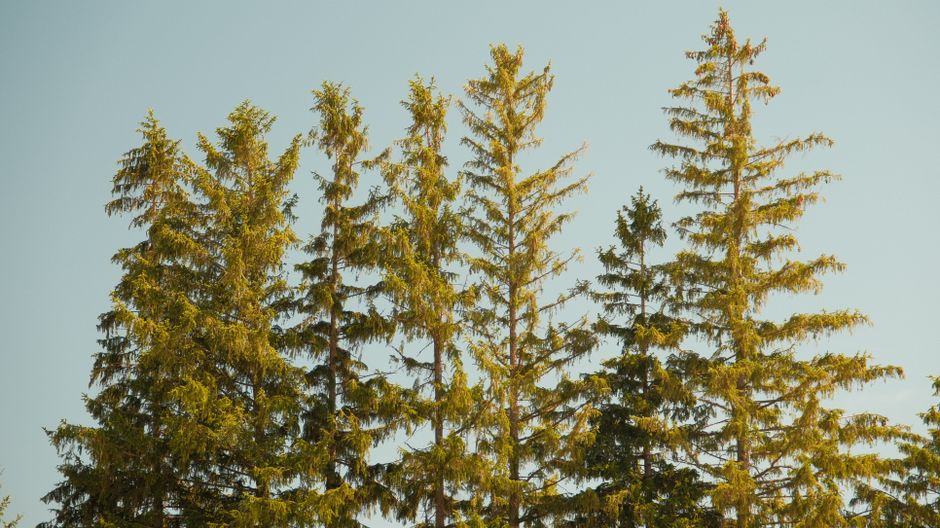
Quinault Rainforest, Olympic National Park, USA
Standing here means witnessing a living relic, a tree that began its life centuries before European settlers ever reached these shores.
Tucked away in the quieter, southern reaches of the park, the World's Largest Sitka Spruce is a colossus. This ancient giant, over 1,000 years old, has a circumference exceeding 58 feet and towers over 190 feet. It has stood sentinel through countless generations of indigenous peoples, witnessing their history unfold beneath its vast canopy. Its sheer scale and longevity offer a humbling connection to the deep time and enduring resilience of the rainforest.
3. The Buried Village of Ozette
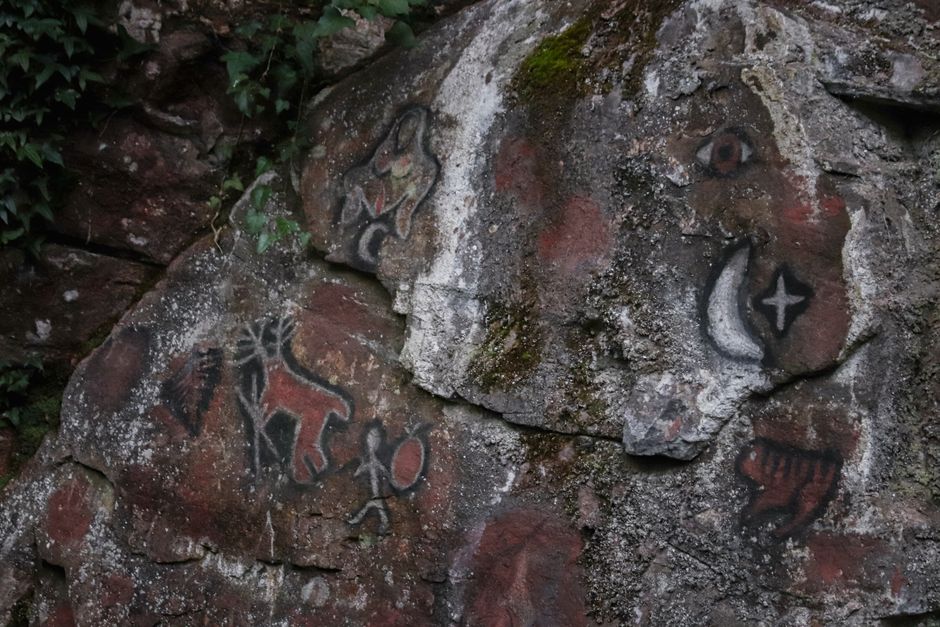
Cape Alava via Ozette Loop Trail, Olympic National Park, USA
A massive mudslide millennia ago perfectly preserved an entire Makah village, offering an unparalleled archaeological window into ancient coastal life.
Accessible via a hike along the stunning Ozette Loop Trail to Cape Alava, this site is a profound cultural landmark. In the 1970s, archaeologists excavated a Makah village buried by a mudslide around 1500 A.D., preserving thousands of artifacts in oxygen-free mud. Tools, longhouses, and intricate carvings were found virtually intact, offering an extraordinary glimpse into a bustling pre-contact society. The Makah Cultural and Research Center in Neah Bay houses many of these finds, but walking the land where this history unfolded is uniquely powerful.
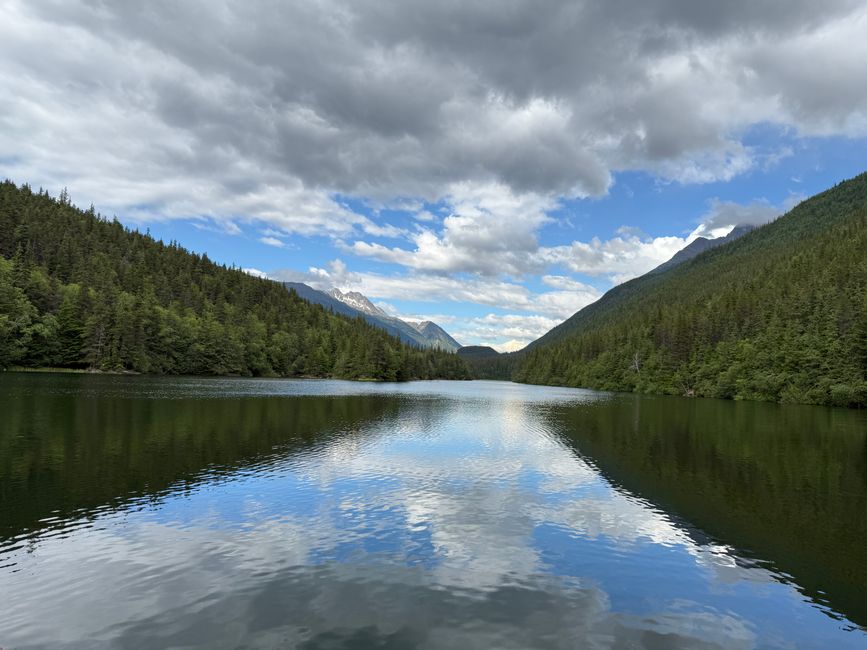
4. Lower Lena Lake's Glacial Legacy
Lower Lena Lake, Olympic National Park, USA
This serene alpine lake isn't just a picturesque stop; it's nestled in a distinctive "hanging valley," a geological signature of immense glacial erosion.
Lower Lena Lake, a popular but often unexamined destination, lies within a classic hanging valley. This formation occurs when a smaller glacier, flowing into a larger one, carves its valley less deeply. When the glaciers recede, the tributary valley is left "hanging" above the main valley, often marked by waterfalls or, in this case, a dramatic drop-off. The surrounding cliffs and the lake's deep basin are direct evidence of the powerful ice flows that once scoured this landscape.
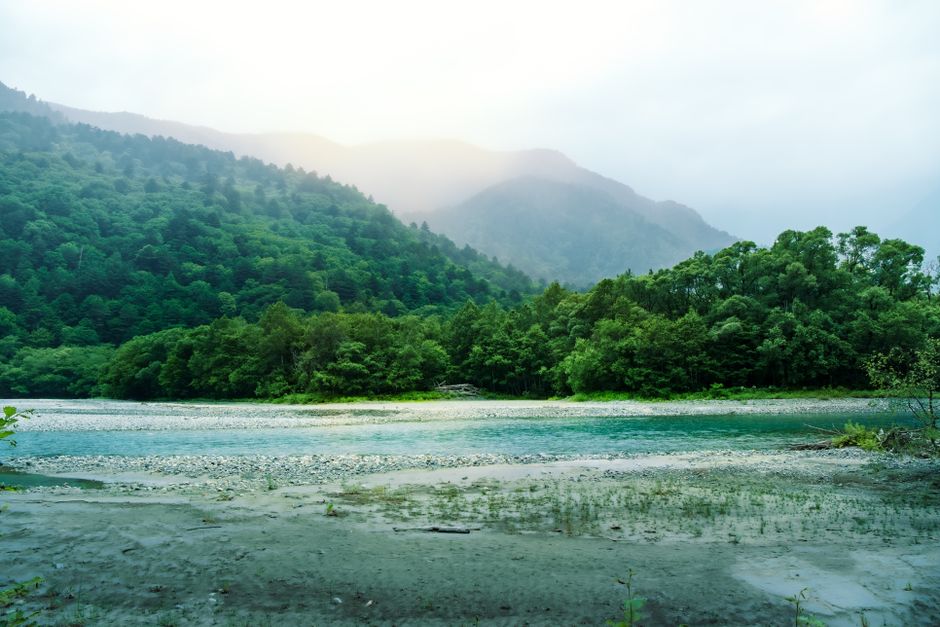
5. The Reborn Elwha River
Elwha River Valley, Olympic National Park, USA
What was once the site of the largest dam removal project in U.S. history is now a living laboratory, where a river, salmon, and an entire ecosystem are being reborn.
Hike into the Elwha River Valley, and you'll witness an ecological miracle in progress. For nearly a century, two dams blocked the river, devastating salmon runs and altering the ecosystem. After their removal in 2012-2014, the Elwha began to reclaim its natural course. Sediment is reforming beaches, native vegetation is returning, and salmon have ascended to ancestral spawning grounds for the first time in generations. It’s an inspiring testament to conservation and the resilience of nature.
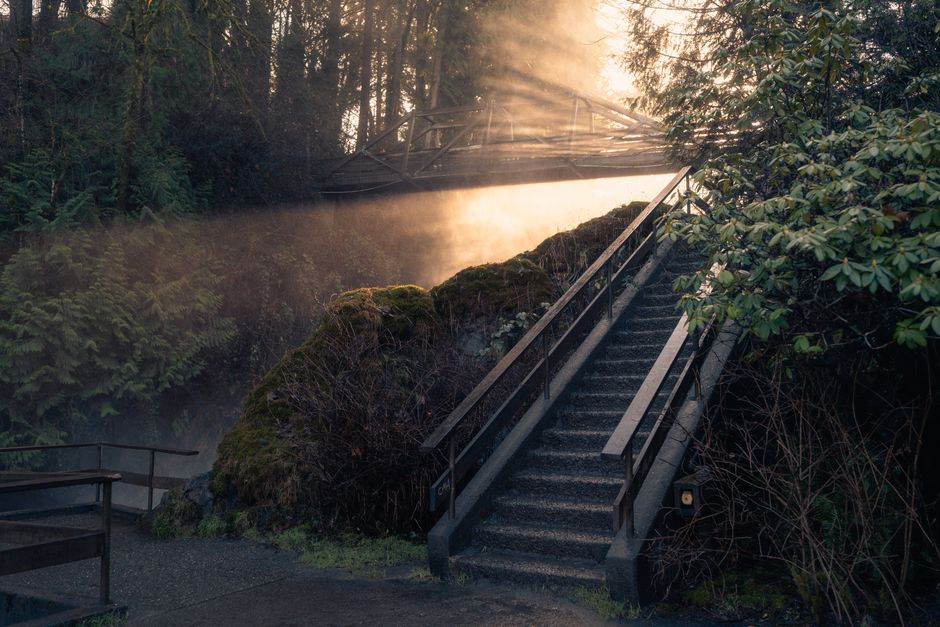
6. Sol Duc's Enduring Hot Spring History
Sol Duc Hot Springs Resort, Olympic National Park, USA
The popular hot springs resort stands on land revered for its healing waters by indigenous peoples long before it became a fashionable 19th-century spa, only to be reborn after a devastating fire.
Sol Duc Hot Springs has a rich and dramatic past. For centuries, the Lower Elwha Klallam Tribe utilized these mineral-rich waters for healing. In the early 1900s, a grand resort was built, drawing visitors for its therapeutic properties. A fire tragically destroyed the original hotel in 1916, but the springs' allure persisted, leading to its rebuilding. Today's resort stands as a continuation of this long legacy, a place where natural geology and human history intertwine.
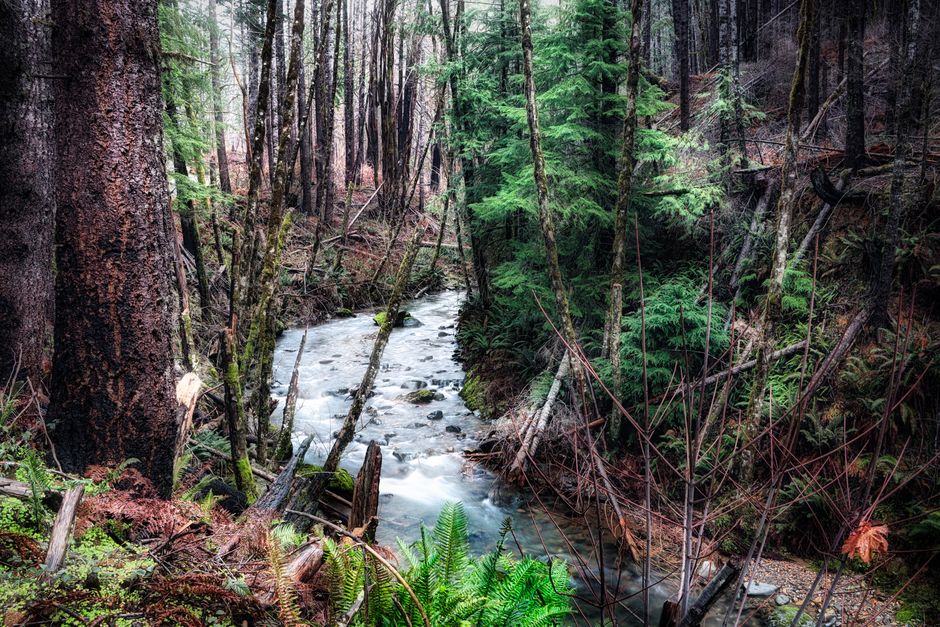
7. Deep Wilderness of the Queets Rainforest
Queets River Valley, Olympic National Park, USA
Even wilder and more remote than its famous cousins, the Queets River Valley harbors some of the last truly unlogged valleys on the Olympic Peninsula, a raw ancient rainforest wilderness.
For those seeking true solitude and a glimpse into an untouched ecosystem, the Queets River Valley offers an unparalleled experience. Unlike the more accessible Hoh and Quinault, the Queets remains largely undeveloped, requiring a longer commitment to reach. Here, massive old-growth trees stand undisturbed, dense moss carpets the forest floor, and the Queets River flows freely, supporting a thriving ecosystem. It’s a place where the sounds of civilization fade, and the ancient pulse of the rainforest takes over.
Frequently asked questions
What is the best time of year to hike in Olympic National Park?
The best time depends on your desired experience. Summer (July-August) offers the warmest weather and access to high-elevation trails, but also the largest crowds. Spring (May-June) and Fall (September-October) provide fewer people, lush greenery, and vibrant foliage, though some higher trails may still have snow or be preparing for winter closures.
Do I need permits or reservations for hiking in Olympic National Park?
For day hiking, a park entrance pass is typically all you need. However, for overnight backpacking, wilderness permits are required and can be reserved in advance, especially for popular areas. Check the official NPS website for specific trail conditions, permit requirements, and any current reservation systems for popular areas or campgrounds.
What kind of wildlife can I expect to see in Olympic National Park?
Olympic National Park is home to diverse wildlife. You might spot Roosevelt elk, black bears, black-tailed deer, and various species of birds like eagles and owls. Along the coast, harbor seals, sea lions, and even whales can sometimes be seen. Remember to always maintain a safe distance and never feed wildlife.
How can the AllTours.ai app enhance my visit to Olympic National Park?
The AllTours.ai app brings the park's hidden stories to life. Simply point your phone camera at any landscape or landmark—a towering tree, a glacial peak, a historic site—and the app will narrate its specific history, geology, and cultural significance in your preferred language, offering a deeper understanding beyond what guidebooks provide.
Related guides
Self-guided audio tours
Walk these places stop by stop — free five-stop story tours you can take at your own pace:
Photography via Pexels. AllTours.ai is an AI audio tour guide — point your camera at any landscape and hear its story.