September 16, 2026 · 4 min read
Beyond currency and commodities, the 'cost to live' can be measured in human endeavor, geological forces, and the indelible marks left by history. It’s the price paid in resilience, sacrifice, and the sheer effort of existing in extraordinary places. These aren't just economic questions; they're profound inquiries into the very fabric of our world and the stories etched into its landscapes.
Forget the usual tourist hotspots. We're venturing to the edges of the map, to places where the 'cost of living' takes on a whole new meaning. Each spot tells a vivid, often surprising, story of how life—human, animal, or even geological—has adapted, endured, or left behind a legacy that speaks volumes about the forces that shape us.
1. The Silence of Stones
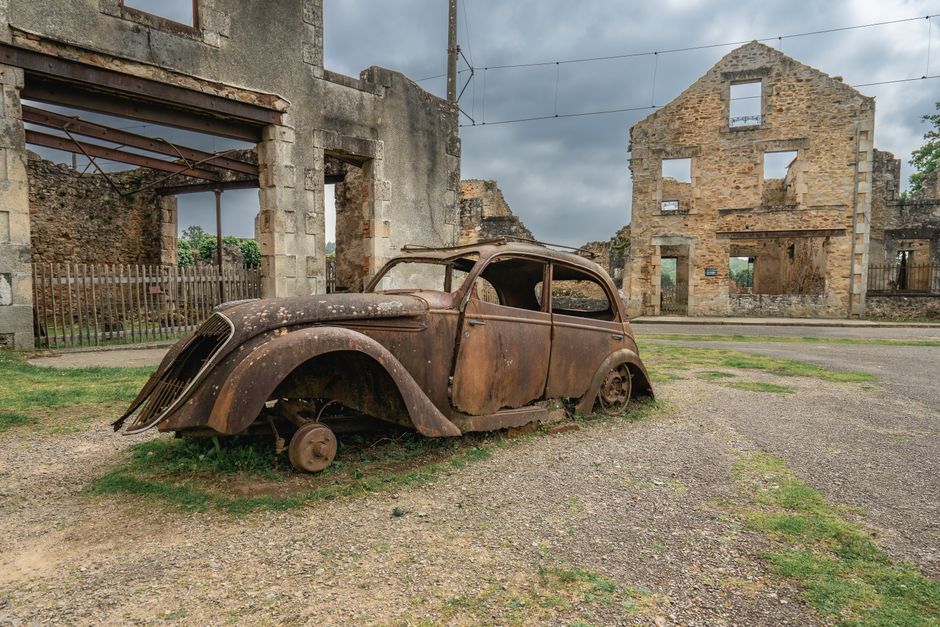
Oradour-sur-Glane, France
A French village frozen in time, left exactly as it was after a devastating wartime massacre.
On June 10, 1944, a Waffen-SS company brutally massacred nearly the entire population of Oradour-sur-Glane, then torched the village. The French government later decided to preserve the ruins exactly as they were left, a haunting, stark memorial to the atrocities of war. A new village was built nearby, but the original stands as a silent, powerful testament to human cost.
2. When the Desert Reclaims
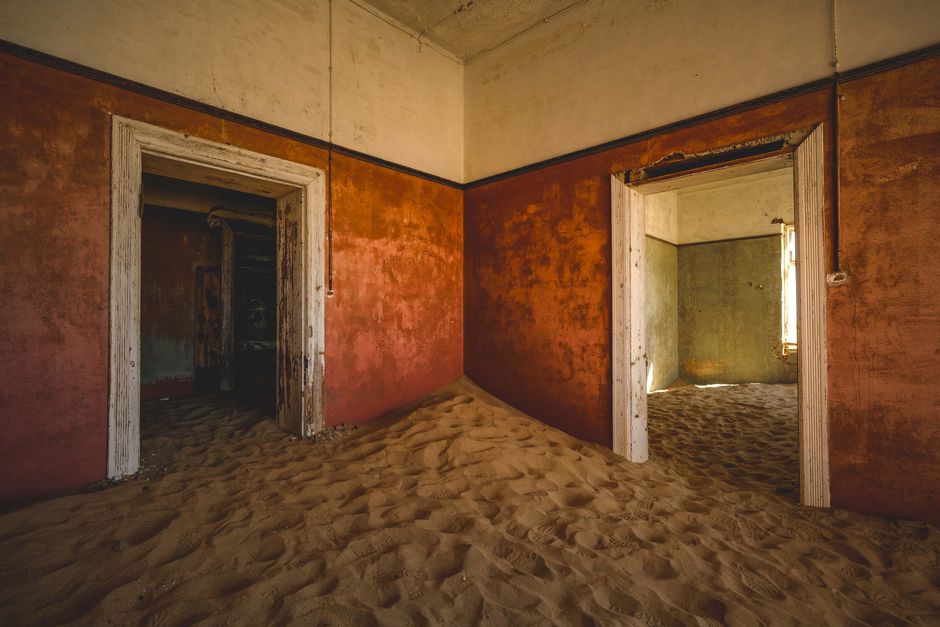
Kolmanskop, Namibia
A deserted diamond mining town slowly being swallowed by the Namib Desert's shifting sands.
Born from the diamond rush of the early 20th century, Kolmanskop was once a bustling German colonial town with a hospital, ballroom, and ice factory. However, after World War I, diamond prices plummeted and richer deposits were found elsewhere. The town was abruptly abandoned, leaving its grand houses to be slowly filled and consumed by the relentless desert dunes, a stark visual of the ephemeral 'cost' of boom-and-bust cycles.
3. The Cloud Warrior's Citadel
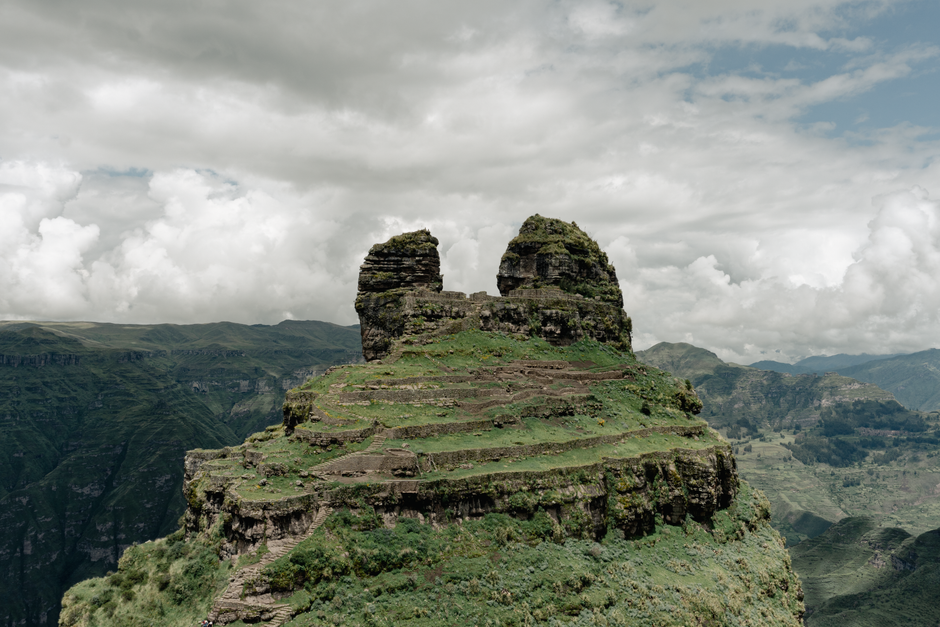
Kuelap Fortress, Peru
A massive stone fortress, built by the pre-Inca 'Cloud Warriors,' hidden in the Andean mist for centuries.
Perched high in the cloud forest, Kuelap is a testament to the advanced engineering of the Chachapoyas people, who predated the Incas. Its immense stone walls, some reaching nearly 60 feet, enclose hundreds of circular stone dwellings, reflecting the immense 'cost' in labor and ingenuity required for defense in a challenging terrain. Often overshadowed by Machu Picchu, Kuelap offers a deeper glimpse into a resilient, forgotten civilization.
4. The Dying City's Last Stand
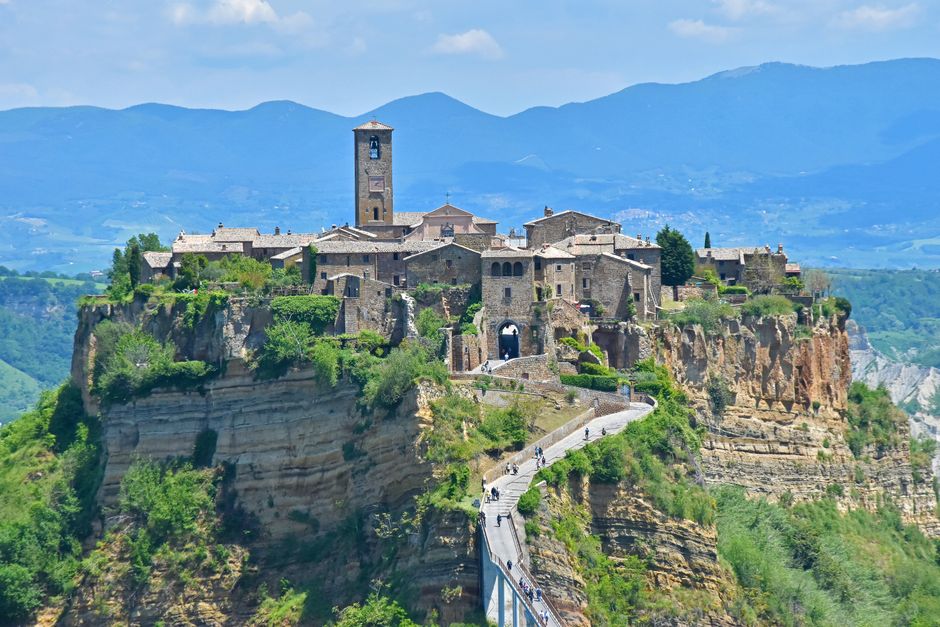
Civita di Bagnoregio, Italy
A village slowly crumbling into the valley below, clinging to its past on a fragile volcanic bluff.
Civita di Bagnoregio, known as 'The Dying City,' is an ancient hill town perched precariously on a plateau of friable volcanic tuff. Relentless erosion has reduced its size dramatically over centuries, leaving it accessible only by a long pedestrian bridge. Its few remaining residents embody the human 'cost' of preserving a heritage against the unstoppable forces of nature, a poignant symbol of resilience.
5. The Cold Harvest of Copper
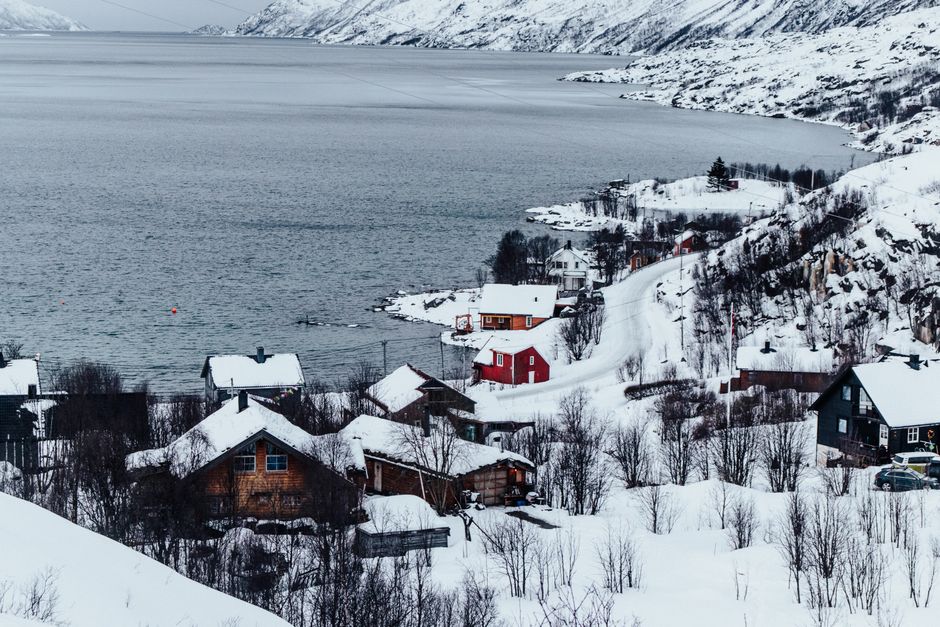
Røros, Norway
A Norwegian mining town where the very air once tasted of copper and human toil in a sub-arctic climate.
A UNESCO World Heritage site, Røros is a living museum of a copper mining town that operated for 333 years. Its well-preserved wooden buildings and smelter tell the story of the 'cost' of extracting wealth from the earth in a harsh, sub-arctic environment. The town's unique architecture and history showcase human adaptation and the relentless effort required to thrive in challenging conditions.
6. The Hidden Citadel
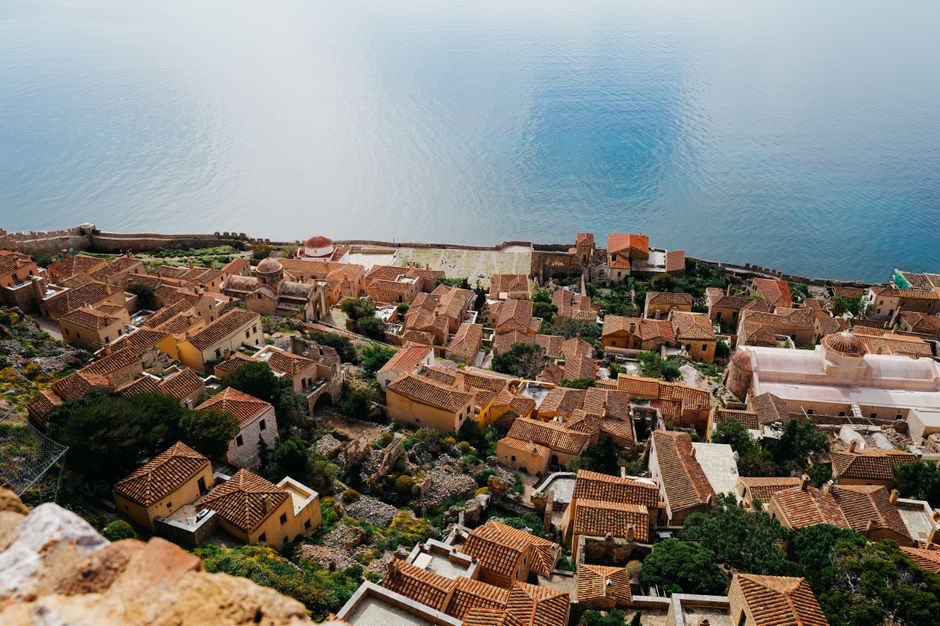
Monemvasia, Greece
An entire medieval city carved into an island rock, accessible only by a hidden causeway from the mainland.
Monemvasia, often called the 'Gibraltar of the East,' is a breathtaking Byzantine fortress town located on a small island off the Peloponnese coast. Its name means 'single entrance,' referring to the hidden causeway connecting it to the mainland. This strategic isolation and the immense 'cost' of carving a self-sufficient city into the sheer rock face allowed it to withstand countless sieges and flourish as a vital port for centuries.
7. Nature's Luminous Trap
Waitomo Glowworm Caves, New Zealand
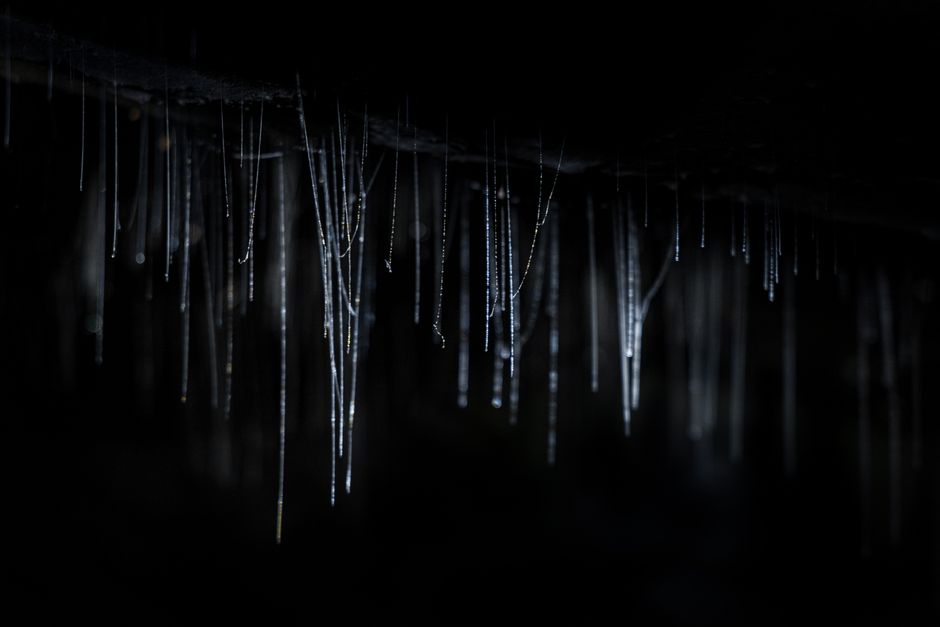
Underground, millions of tiny glowing worms hunt their prey in perpetual darkness, creating a living starfield.
The Waitomo Caves are famous for their bioluminescent inhabitants, *Arachnocampa luminosa* – a species of glowworm found only in New Zealand. These larvae create a mesmerizing, star-like display on the cave ceilings by emitting light to attract insects, which then become ensnared in their sticky, silken fishing lines. It's a vivid display of the unique 'cost' of survival and predation in a dark, subterranean ecosystem.
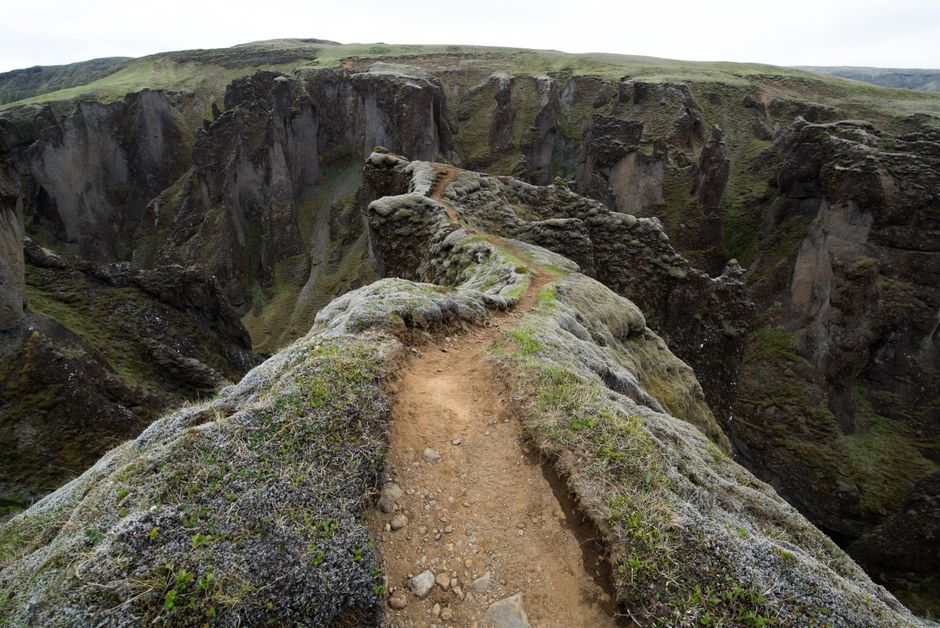
8. The Deep Cut of Time
Fjaðrárgljúfur Canyon, Iceland
A serpentine canyon carved by millennia of glacial meltwater, where every curve tells a story of immense geological force.
Fjaðrárgljúfur is a magnificent, winding canyon in southeast Iceland, up to 330 feet deep and about 1.2 miles long. Its dramatic, moss-covered walls and unique S-shape were carved over thousands of years by the progressive erosion of glacial meltwater. This landscape illustrates the immense 'cost' of time and natural forces, shaping the earth with slow, relentless power.
Frequently asked questions
What makes a place 'costly' to live in, beyond economics?
Beyond financial expenses, the 'cost to live' can encompass the human effort and sacrifice required to survive in harsh environments, the geological challenges shaping a landscape, the cultural preservation efforts against modern pressures, or the historical impact of significant events that demanded a high price from its inhabitants.
Are these lesser-known places difficult to visit?
While some of these destinations require more planning than major tourist hubs, many are accessible with local transport, guided tours, or a bit of adventurous spirit. Their lesser-known status often means fewer crowds and a more authentic, immersive experience for the curious traveler.
Why explore destinations beyond the usual tourist trail?
Exploring lesser-known destinations offers a chance to uncover unique perspectives, delve deeper into local culture and history, and escape the crowds. These places often hold more surprising, personal stories that provide a profound understanding of the world and the incredible 'cost' of life in all its forms.
How can I learn more about these fascinating places while traveling?
The AllTours.ai app transforms your phone into an AI audio tour guide. Simply point your camera at a landmark or landscape, and the app narrates its history, geology, and culture in your language, bringing hidden stories to life.
Related guides
Self-guided audio tours
Walk these places stop by stop — free five-stop story tours you can take at your own pace:
Photography via Pexels. AllTours.ai is an AI audio tour guide — point your camera at any landscape and hear its story.